
The Festival for the victims of duty — History & Facts
In a world that often conceals its sorrows, every brushstroke can revive the lost echoes of our past. Focus your gaze on the somber figures huddled together beneath a canopy of muted colors. The soft browns and grays envelop them, creating an atmosphere heavy with unspoken grief. Notice how the delicate interplay of light highlights their faces, revealing both weariness and resilience.
The composition subtly draws you into the scene, with the pointed rooftops above guiding your eye toward the heavens—a hint of hope amidst despair. Yet, beneath this communal gathering lies a profound contrast between duty and loss. Each figure carries the weight of remembrance; some clasp hands tightly, while others gaze into the distance, as if yearning for absent loved ones. A sense of collective mourning permeates the air, echoing the sacrifices made in the name of duty.
The festival, meant to honor, becomes an act of defiance against forgetting the sacrifices of the past. In 1884, Auguste Louis Lepère painted this poignant work during a period marked by societal upheaval and personal reflection. Living in France, he was deeply influenced by the changing artistic movements of the time, embracing both realism and impressionism. The painting serves as a testament to his commitment to social themes, capturing the essence of a society grappling with its memories and losses even as it yearns to celebrate life.
More Artworks by Auguste Louis Lepère
Browse all →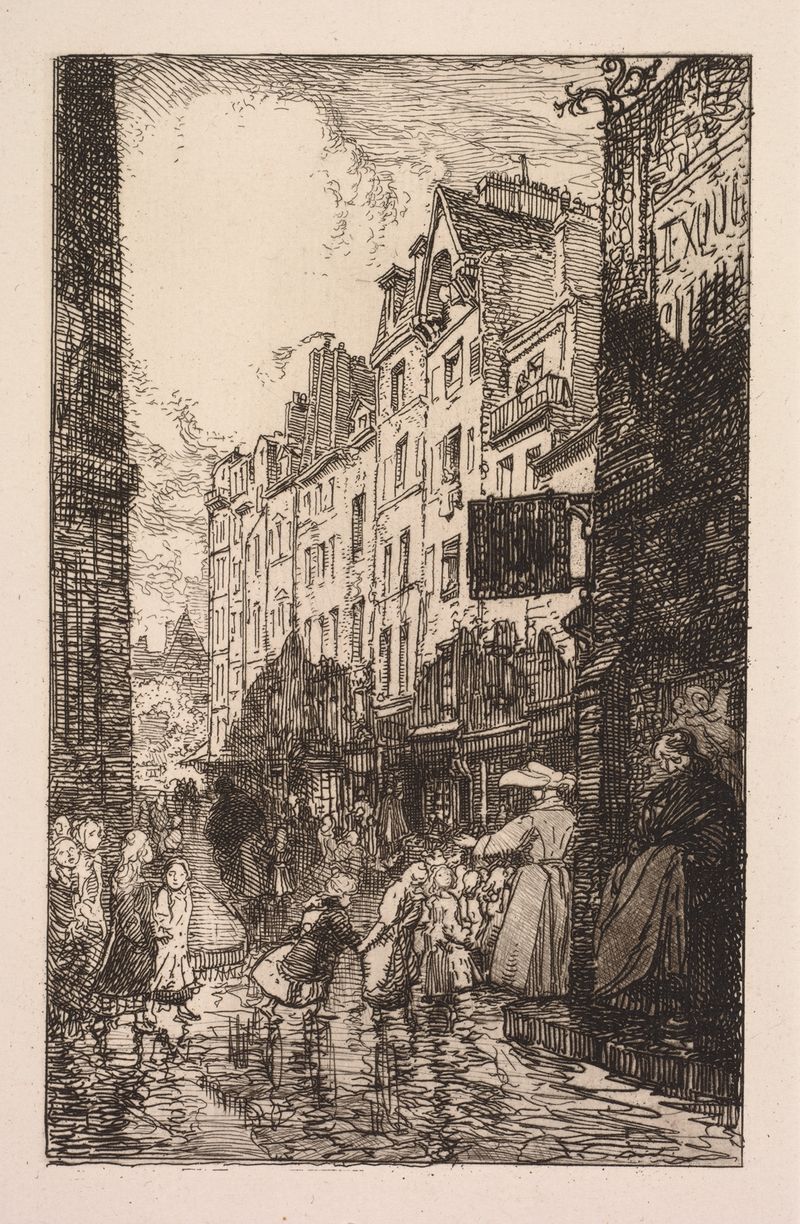
La Rue des Prêtres Saint-Séverin
Auguste Louis Lepère
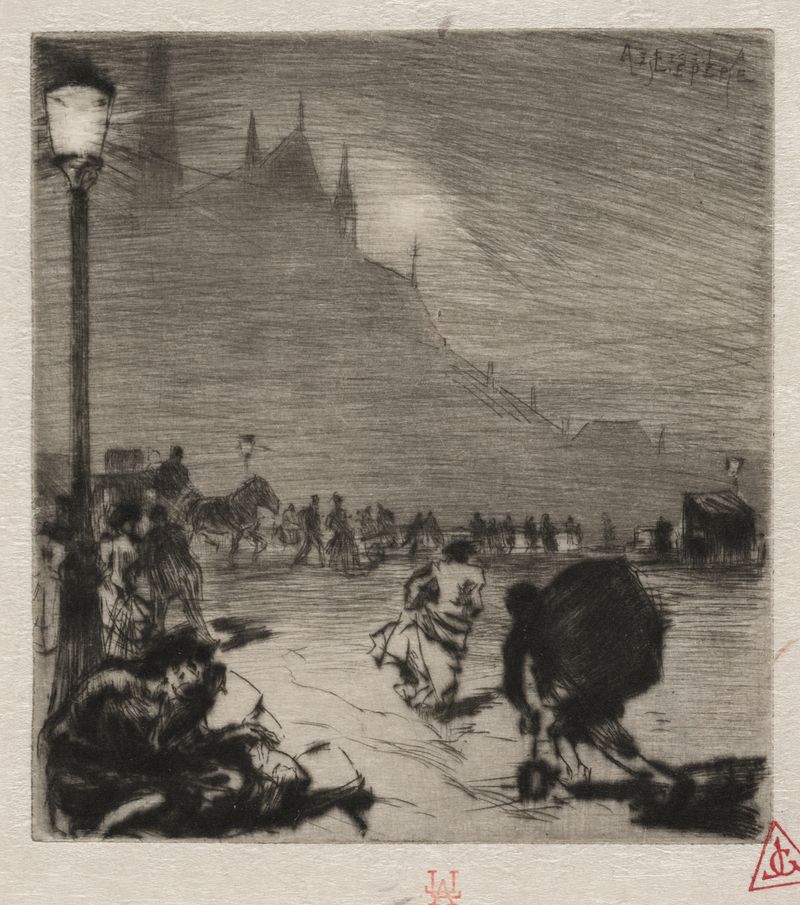
Au Coin du Pont-aux-Doubles
Auguste Louis Lepère
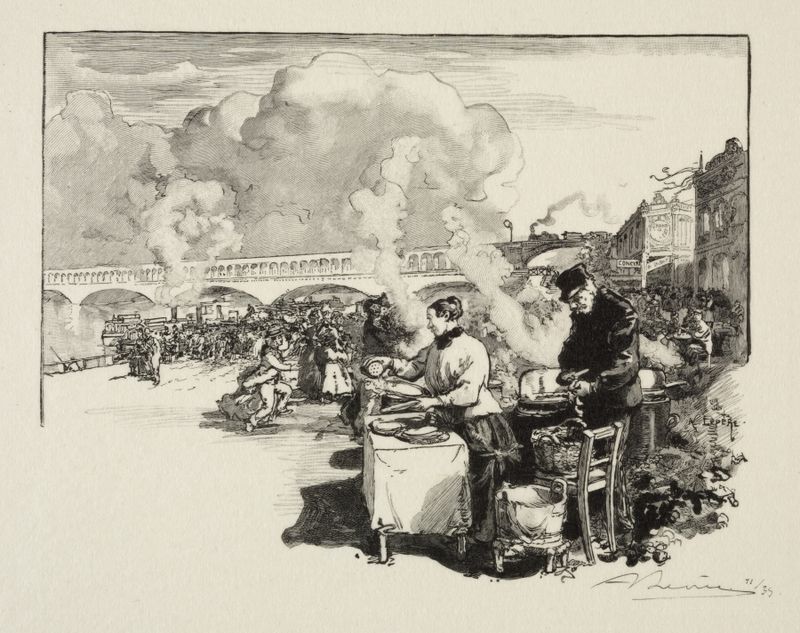
Debarcadère des bateaux-omnibus
Auguste Louis Lepère

La Seine, au quai de la Rapée
Auguste Louis Lepère
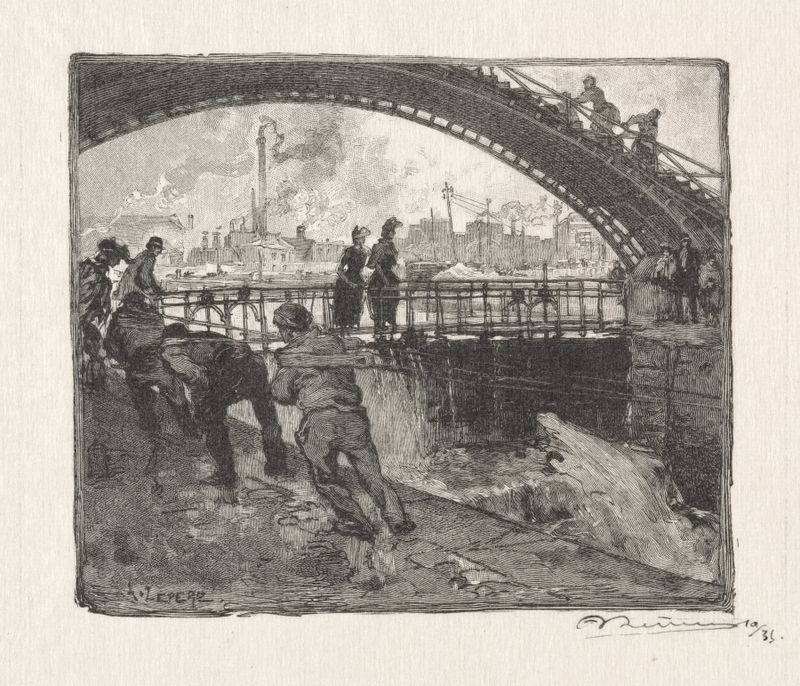
L’Ecluse du Canal St. Martin
Auguste Louis Lepère

Le Boulevard Montmartre, le Soir
Auguste Louis Lepère

Une Chasse au Mont Gérard
Auguste Louis Lepère
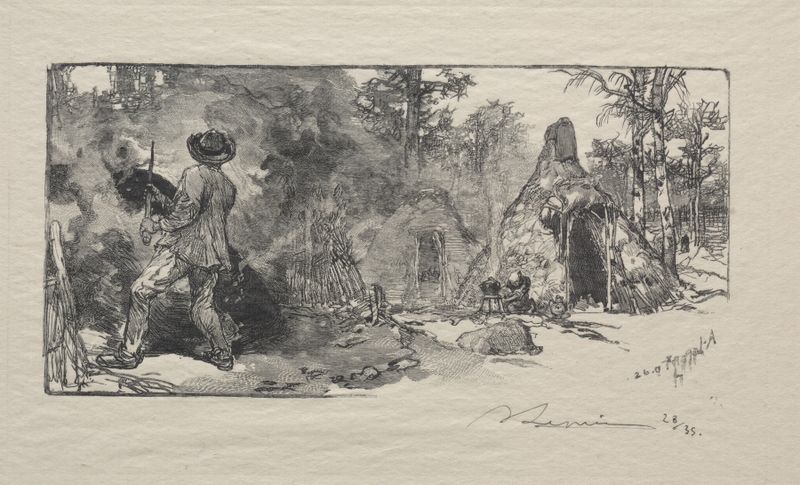
Les Charbonniere
Auguste Louis Lepère
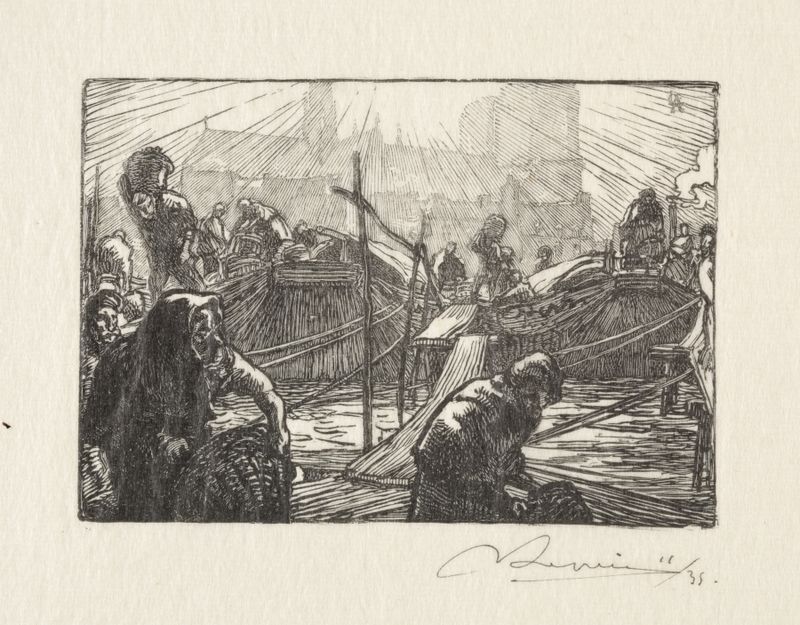
Notre Dame vue du Marché aux pommes
Auguste Louis Lepère

Le Palais des Arts Liberaux, Intèrieur
Auguste Louis Lepère





