
The First Performance of Hernani — History & Facts
A single chandelier commands the center, but all eyes in the room are drawn to the left, where a lone figure, arm outstretched, dominates the stage. The crowd below is a sea of black coats and white collars, faces animated with anticipation or agitation, some craning forward, others caught mid-gesture. The red curtain, heavy and luminous, slices the composition, setting the performer apart from the golden-lit, teeming balconies.
Every tier of the theater pulses with energy—some spectators lean out, transfixed, while others seem to whisper or react in clusters, as if the drama onstage has spilled into the audience itself. The artist has chosen a moment of collective tension, where the boundary between spectacle and spectator nearly dissolves. Painted in 1905, this work belongs to a world where the theater was not just entertainment, but a battleground of ideas and a mirror for society’s passions. In the Paris of Albert Besnard, such scenes were familiar: the theater was a place for both the fashionable elite and the fervent student, a stage for both art and politics.
History has kept few traces of this particular painting’s journey, but its presence in the Paris Musées collection roots it firmly in the city that made such spectacles possible. The painting invites viewers to imagine themselves in the crowd, swept up in the event, and to consider what it meant to witness history from a red velvet seat.
More Artworks by Albert Besnard
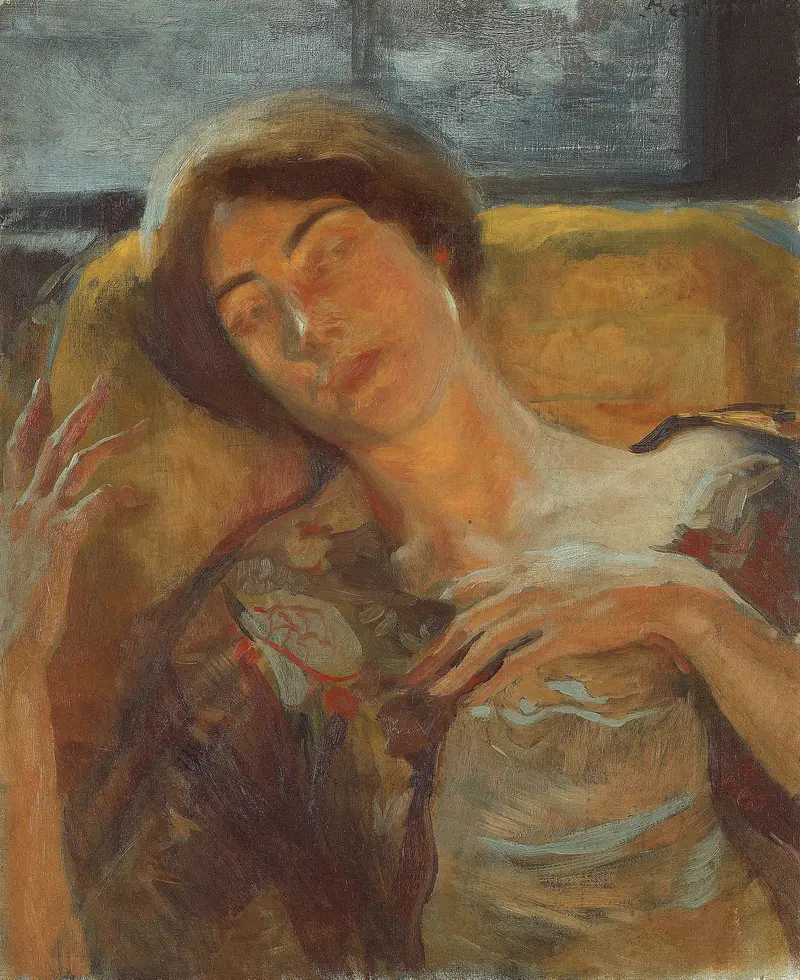
Woman's Head
Albert Besnard
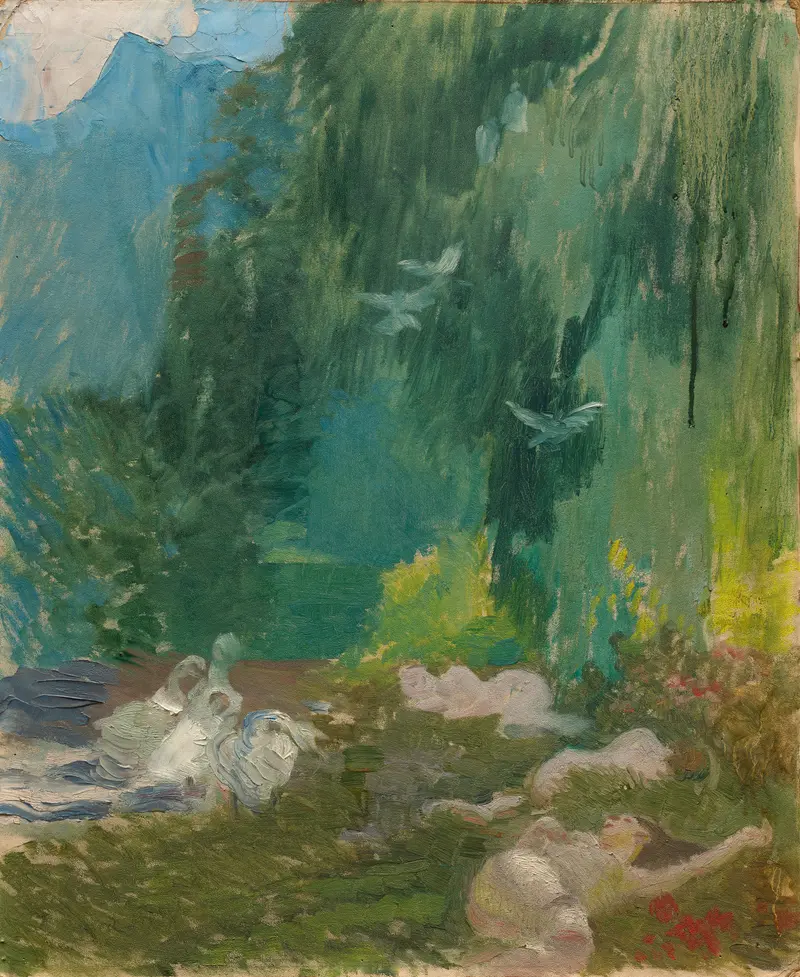
The Siesta
Albert Besnard
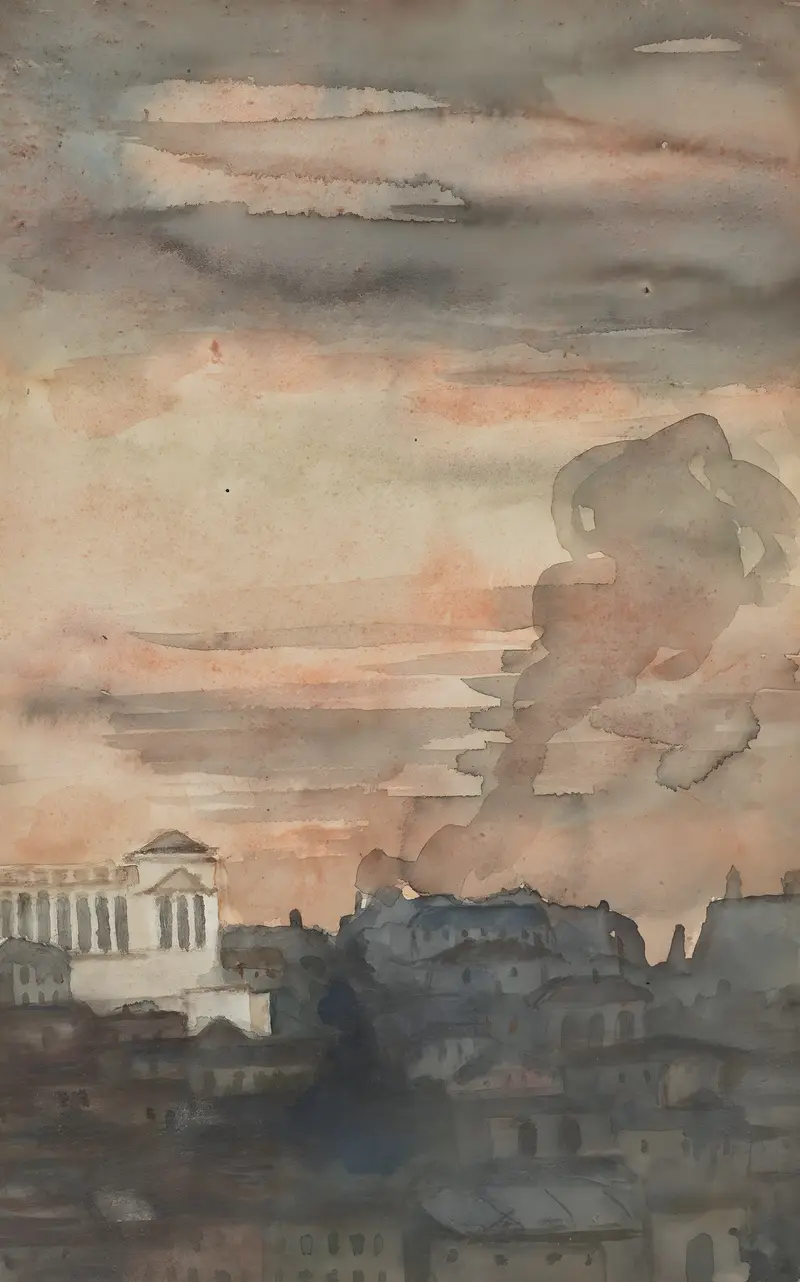
View of Rome with the Vittorio Emanuele II Monument in the distance, at sunset
Albert Besnard
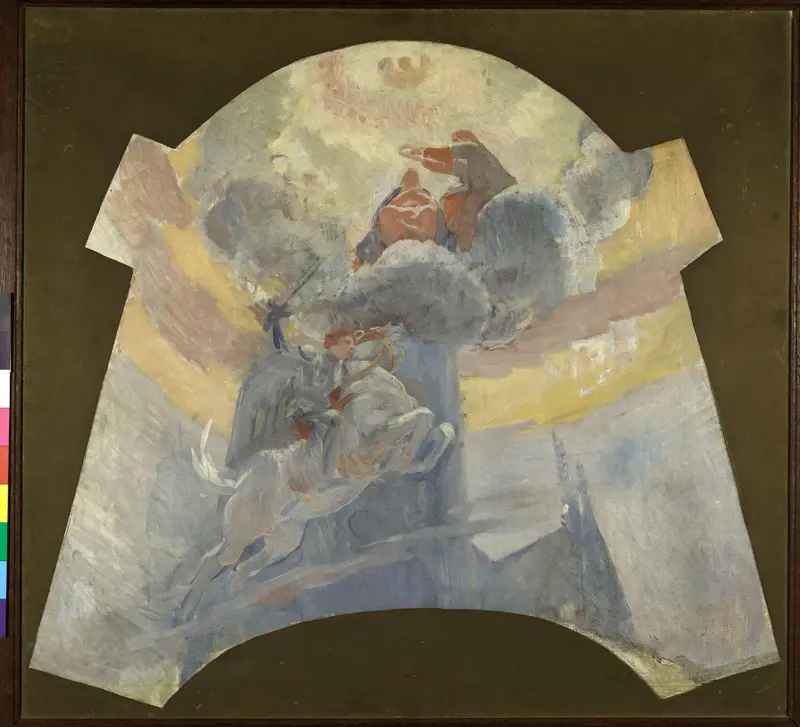
Albert (Paul Besnard dit) La Mystique, esquisse de la composition d'ensemble
Albert Besnard
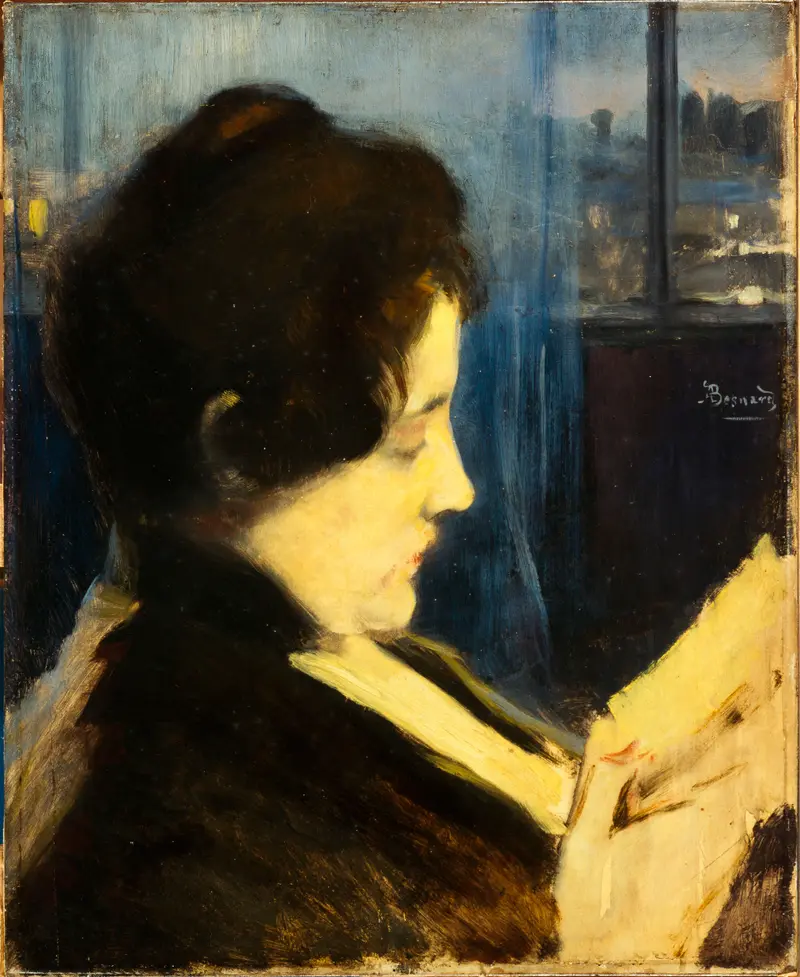
Charlotte Besnard c.
Albert Besnard
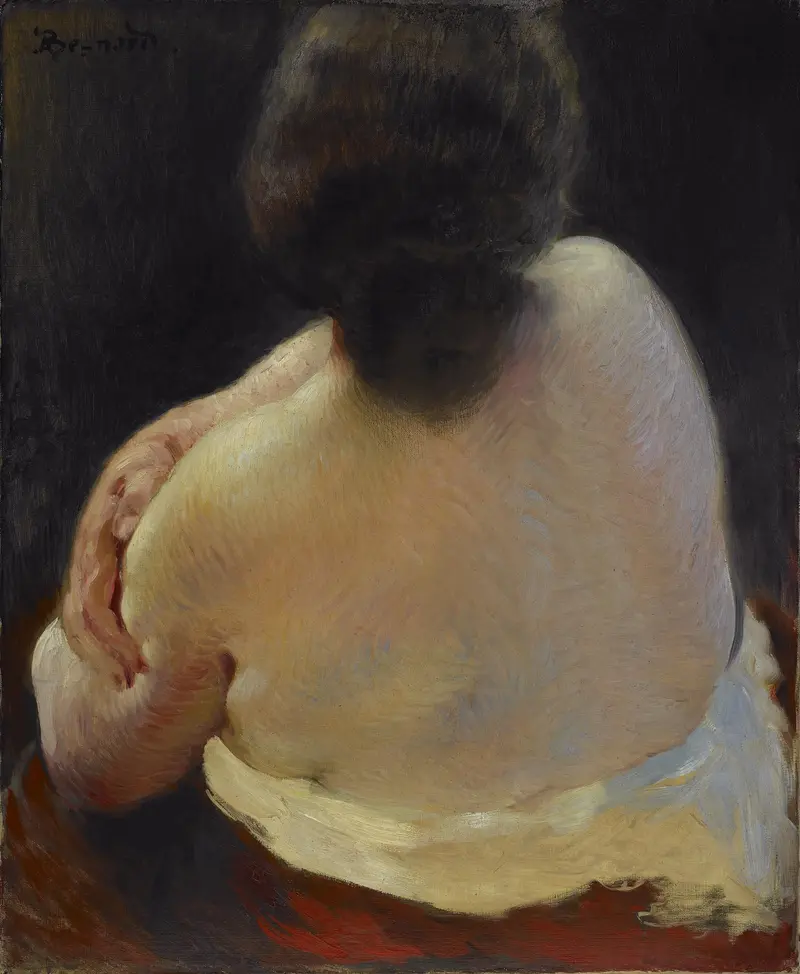
Back of a Woman, Study
Albert Besnard
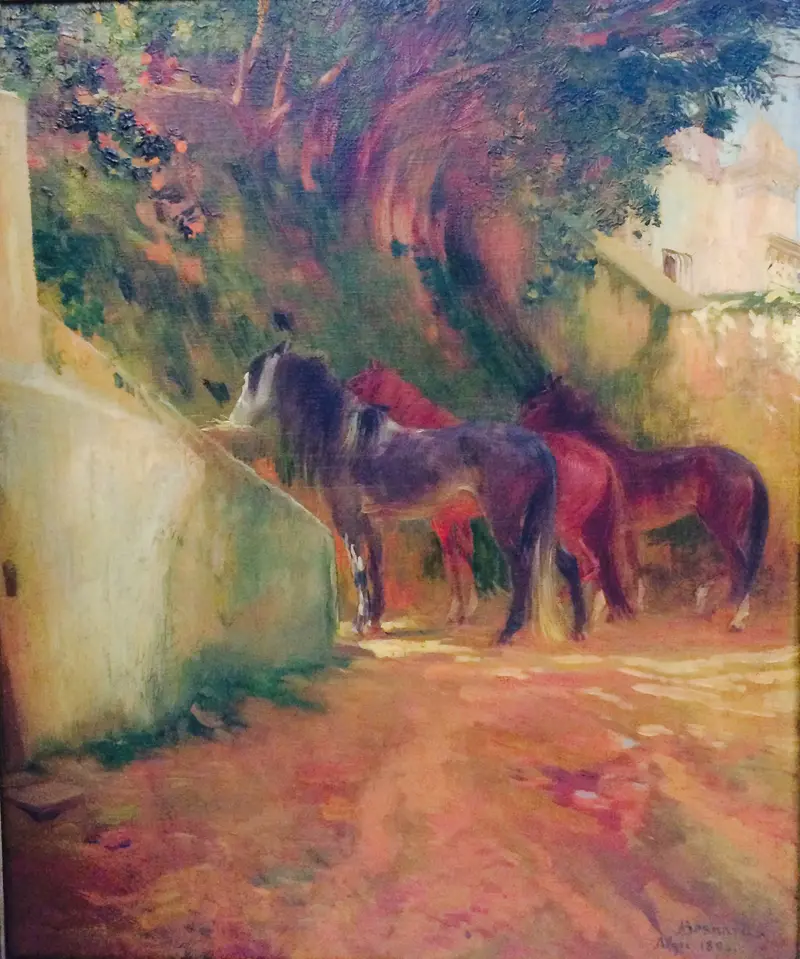
Horses
Albert Besnard
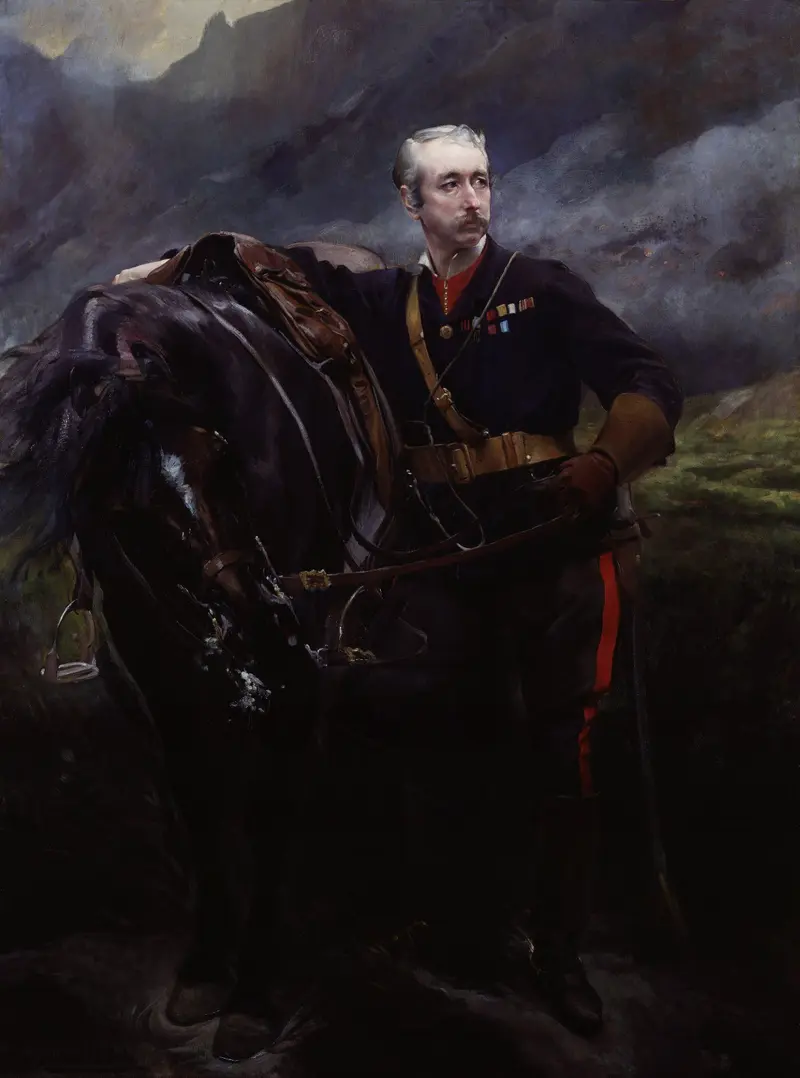
Garnet Joseph Wolseley, 1st Viscount Wolseley
Albert Besnard
Besnard La Pensée DECOP00A(04) Petit Palais 01
Albert Besnard
The First Morning (Albert and Charlotte Dubray Besnard and their Son, Robert)
Albert Besnard





