
The Footbridge — History & Facts
In the stillness of a moment, where water meets the sky, a bridge stands as a testament to both connection and separation. It whispers of journeys taken, choices made, and the quiet revolution of nature reclaiming its space. Look to the foreground, where the intricately rendered footbridge invites you into the scene. Notice how the soft hues of green and brown blend seamlessly, almost as though they breathe with the life of the surrounding landscape.
The delicate interplay of light and shadow reveals the textured wood of the bridge, while dappled sunlight reflects off the water beneath, casting a luminous glow that draws the eye toward the horizon. Beneath the surface, emotional tensions unfold. The bridge symbolizes transition—an invitation to cross into new territories, both physical and metaphorical. The surrounding flora, lush and vibrant, contrasts with the stillness of the water, suggesting the silent revolution of nature against the encroaching stillness of human endeavor.
Here, an intimate dialogue exists between architecture and environment, life and stillness, urging one to reflect on the choices that lead to change. In a period rich with artistic exploration, the creator of this work captured a moment of quiet rebellion. Painted during the mid-19th century in England, the artist was influenced by the burgeoning Romantic movement, which sought to depict the sublime beauty of nature. As industrialization transformed the landscape, this artwork embodies the tension between progress and preservation, highlighting the artist's keen observation of the world in flux.
More Artworks by Thomas Shotter Boys
Browse all →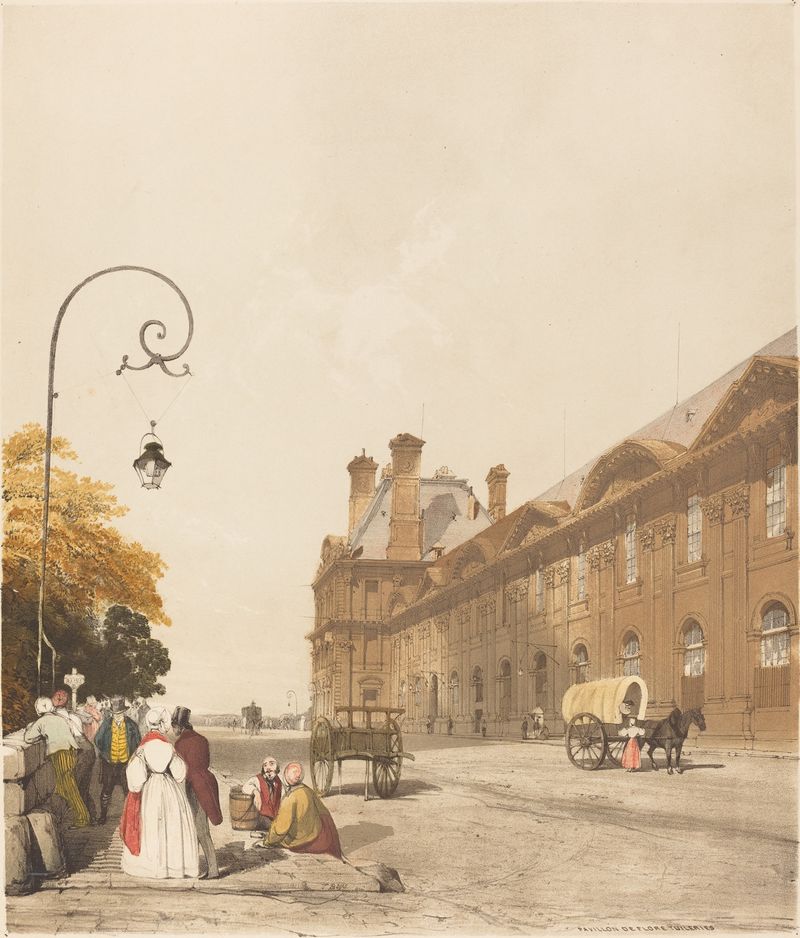
Pavillon de Flore, Tuileries
Thomas Shotter Boys
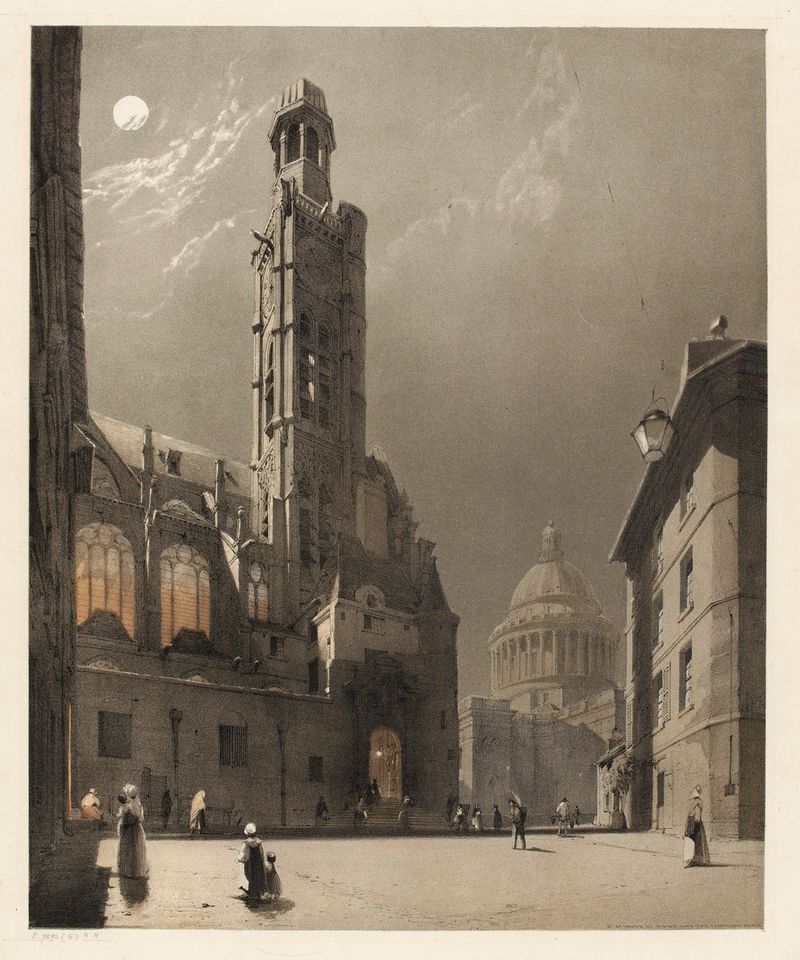
St Etienne du Mont and the Panthéon, Paris
Thomas Shotter Boys
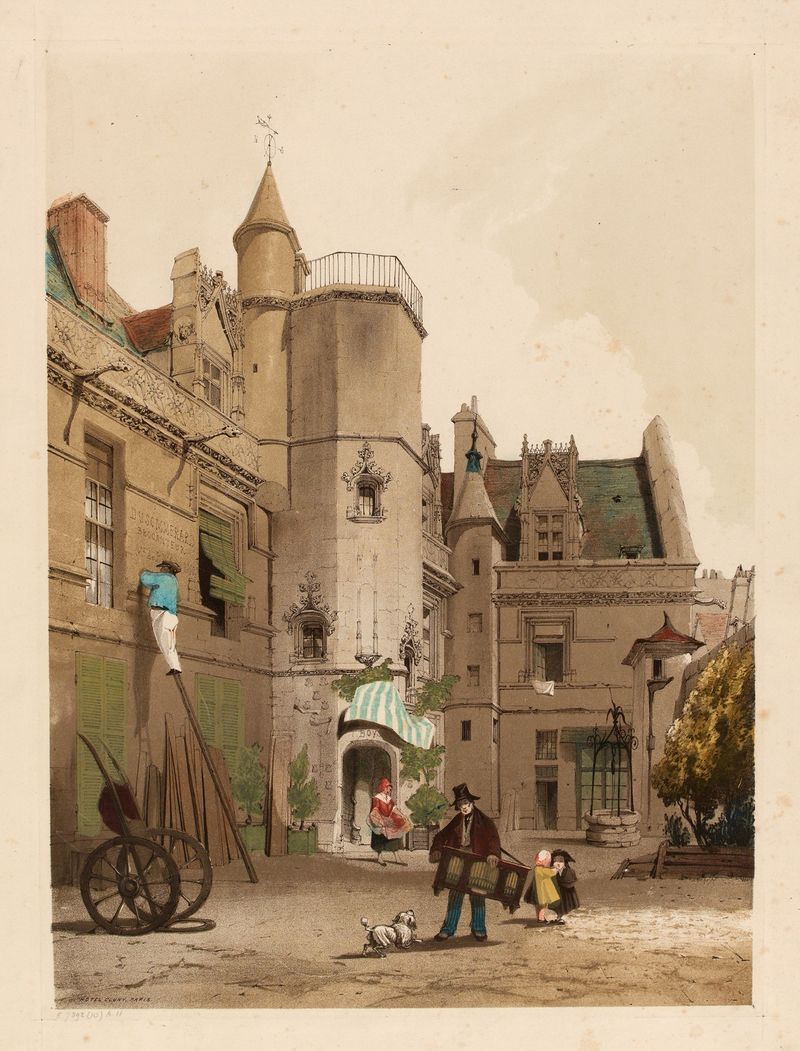
Hôtel Cluny, Paris.
Thomas Shotter Boys
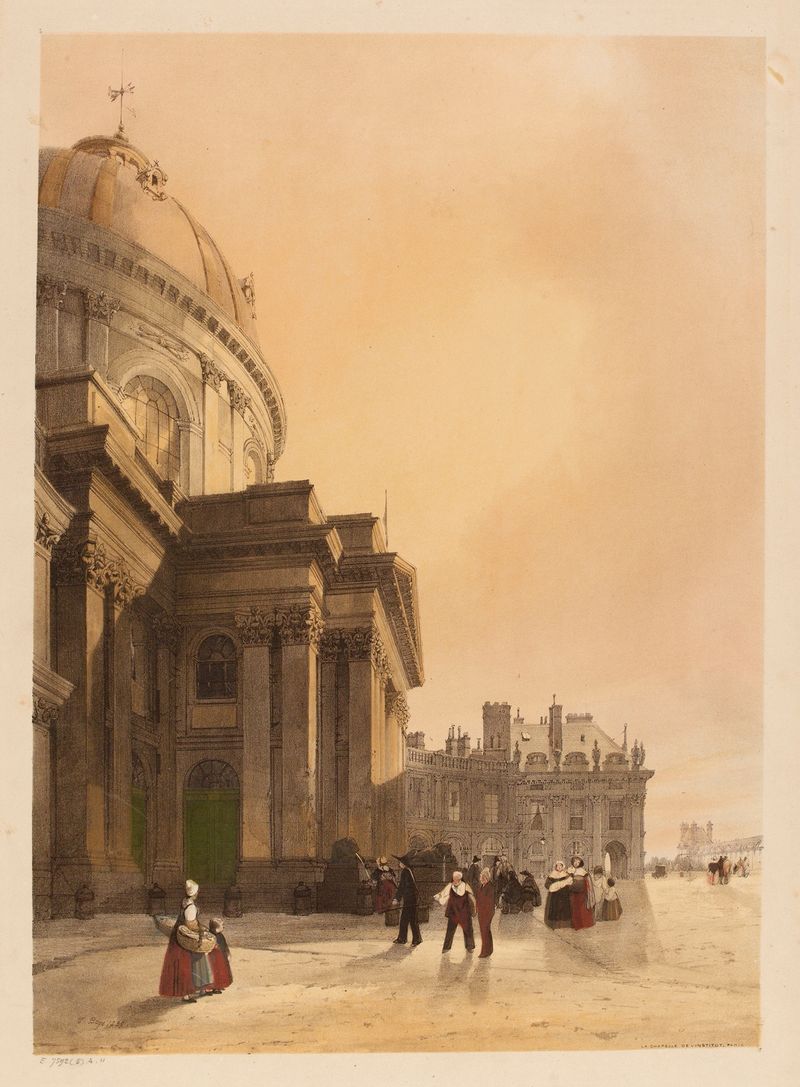
La chapelle de l’Institut, Paris
Thomas Shotter Boys
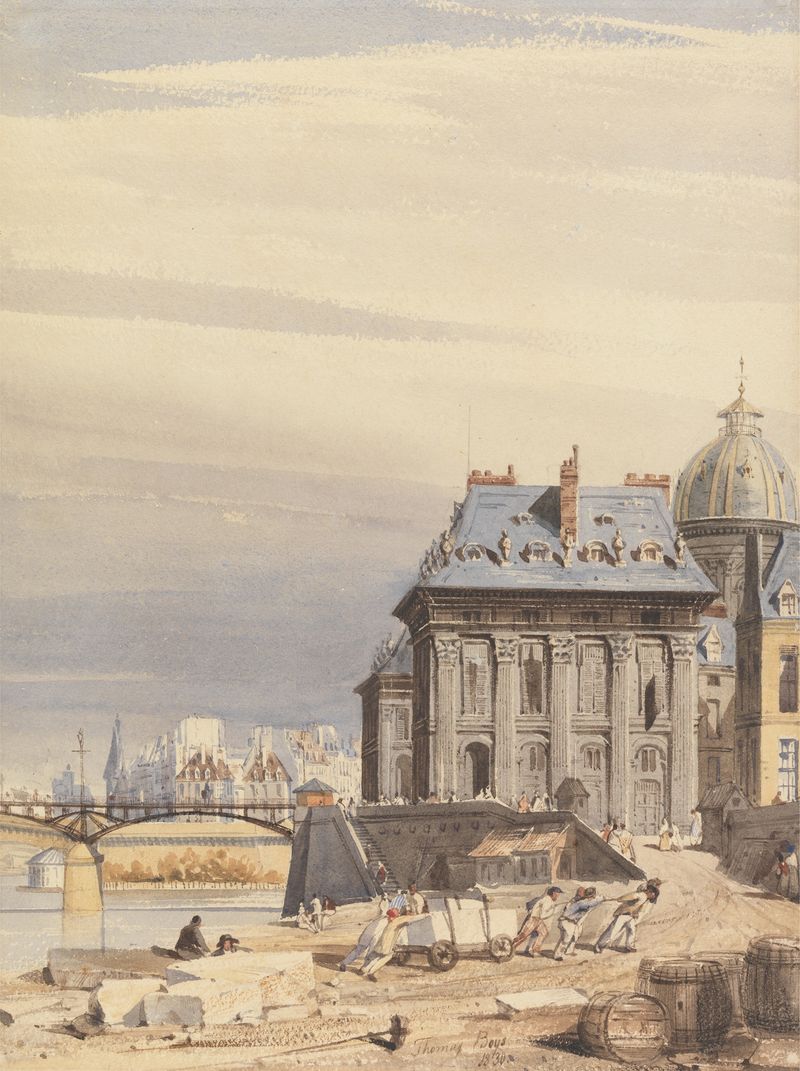
L’Institut de France, Paris
Thomas Shotter Boys
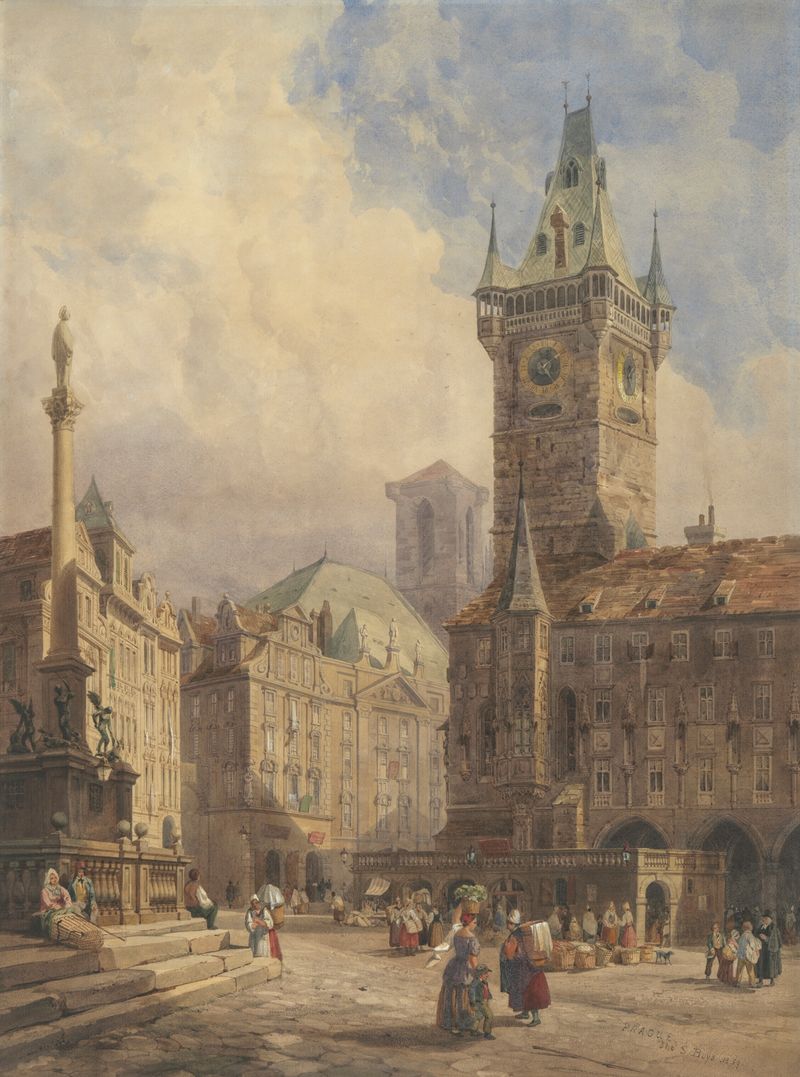
Rathaus from Old Town Square, Prague
Thomas Shotter Boys
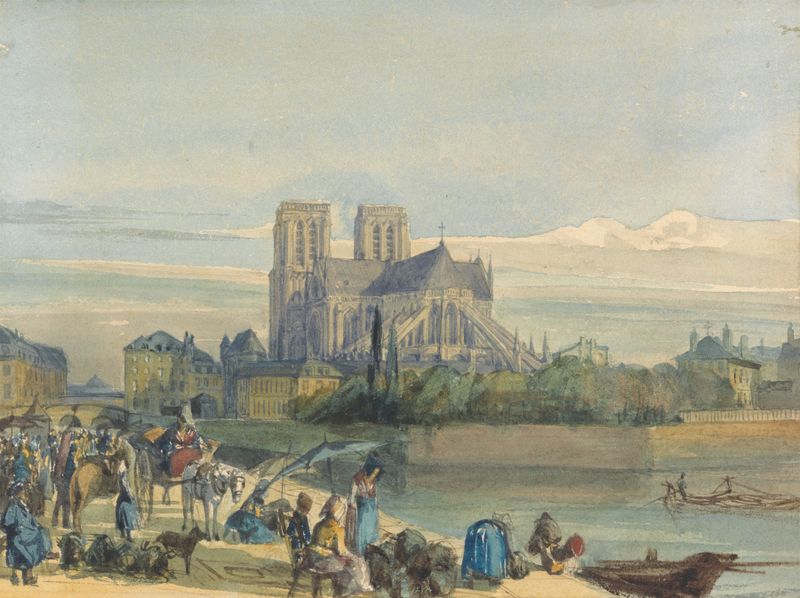
Notre Dame, Paris
Thomas Shotter Boys
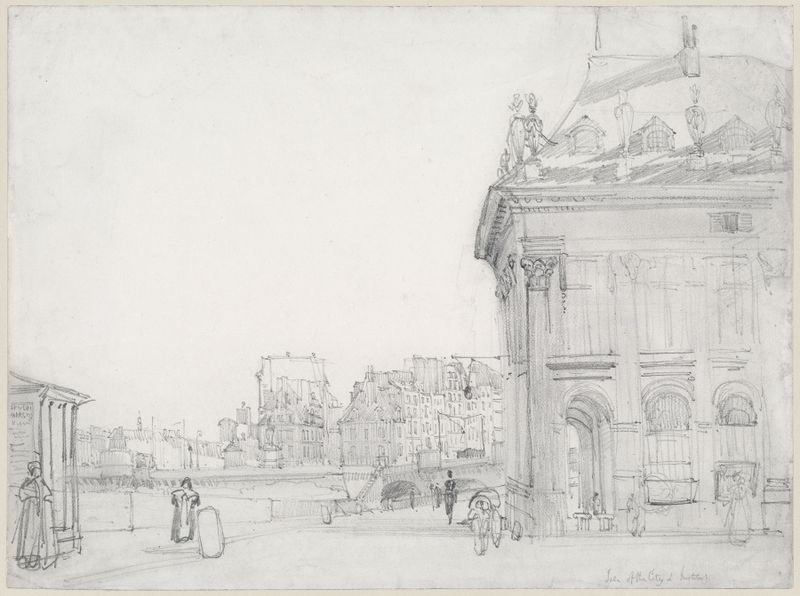
Ile de la Cité from the Institut, Paris
Thomas Shotter Boys
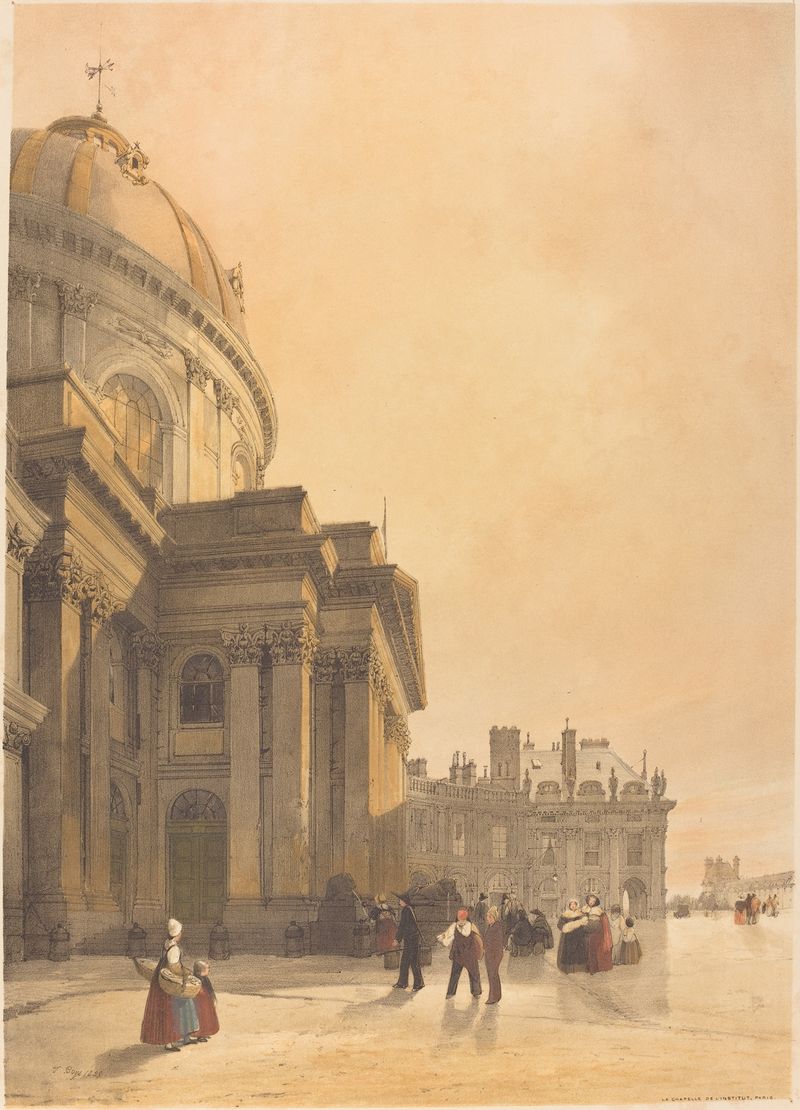
La Chapelle de l’Institut, Paris
Thomas Shotter Boys
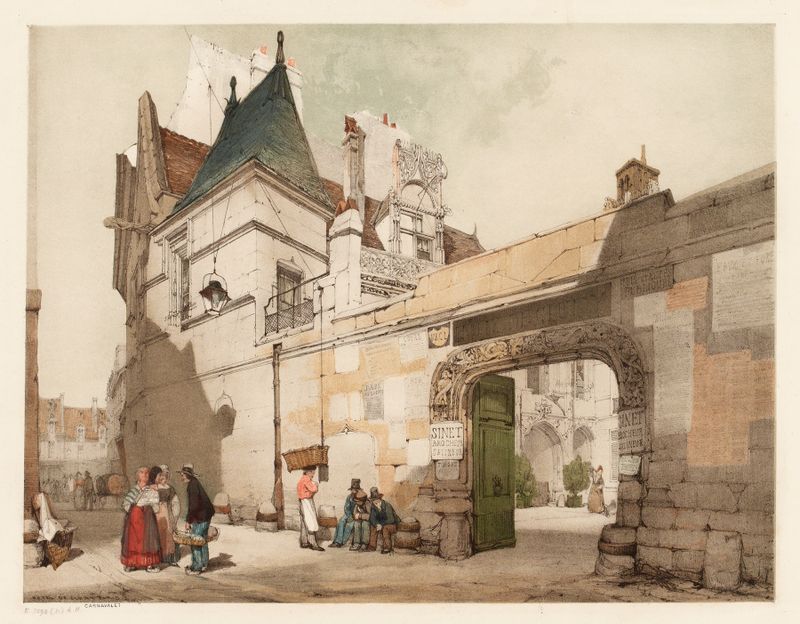
Hôtel de Cluny, Paris
Thomas Shotter Boys





