
The Forest of Coubron — History & Facts
In the stillness of The Forest of Coubron, memories linger like whispers among the trees, evoking a quiet nostalgia that invites contemplation. Look to the left at the soft, dappled light filtering through the trees, where wisps of green and golden hues play across the forest floor. The delicate brushwork captures the essence of nature, embodying a sense of tranquility and timelessness. The trees, painted with a gentle hand, rise like sentinels cloaked in shadow, creating a protective canopy that envelops the viewer in this serene woodland world. Yet amid this calm lies a tension between solitude and connection.
The path, winding through the trees, beckons us to venture further, hinting at the stories untold within the depths of the forest. The interplay of light and shadow not only enhances the ethereal quality of the scene but also reflects the duality of memory—both bright and dark, comforting yet melancholic. Each element is carefully composed to evoke an emotional resonance, capturing fleeting moments that are both personal and universal. In 1872, while residing in France, Corot painted this work during a period of reflection amidst a shifting art landscape.
His dedication to landscape painting marked a departure from the dominant styles of the time, embracing a more intimate and impressionistic approach. The artist sought to capture the essence of nature, allowing the viewer to experience a moment suspended in time, much like the way memory holds fragments of our past.
More Artworks by Jean-Baptiste-Camille Corot
Browse all →
View of Genoa
Jean-Baptiste-Camille Corot
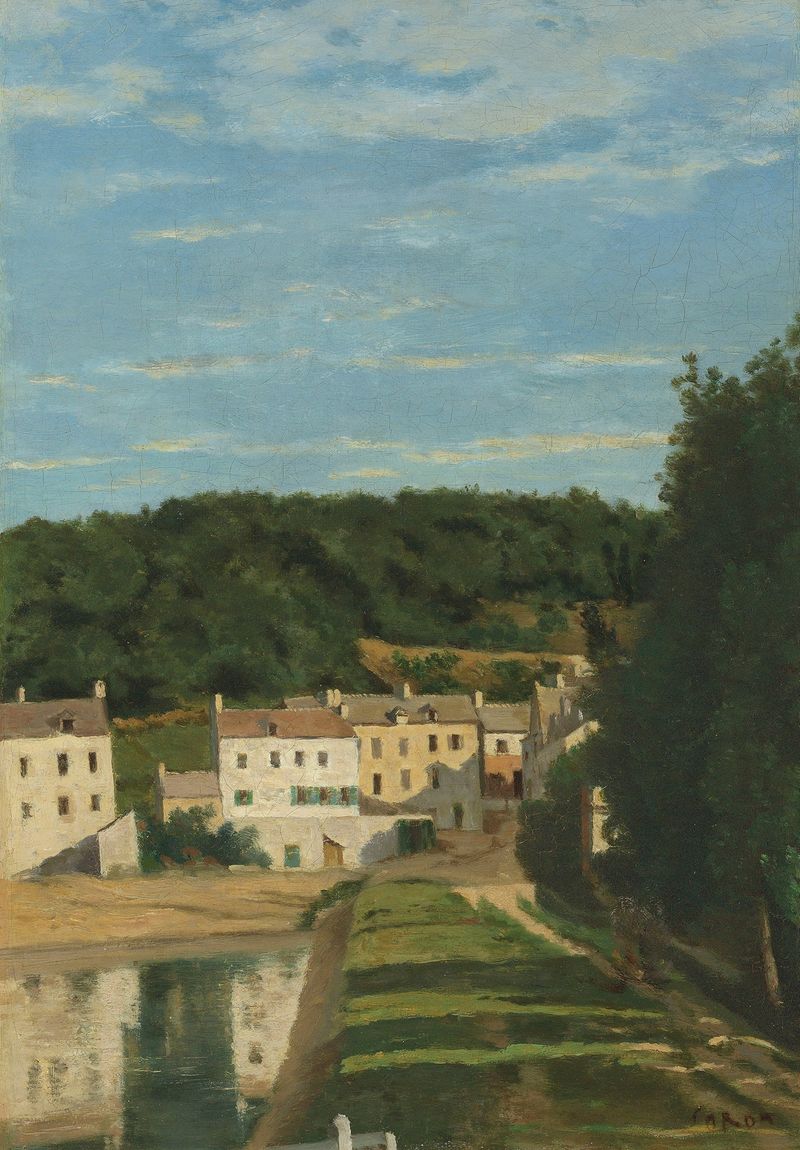
Les Maisons Cabassud À Ville D’avray
Jean-Baptiste-Camille Corot

La solitude. Souvenir de Vigen (Limousin)
Jean-Baptiste-Camille Corot
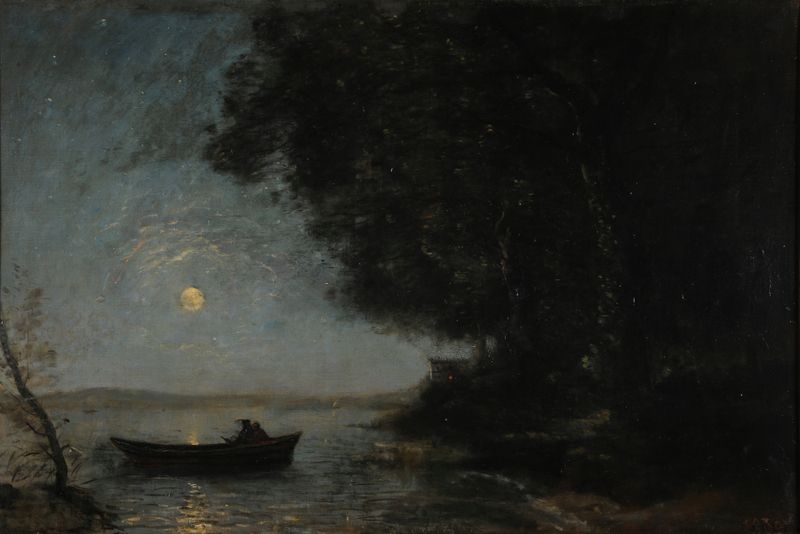
Le lac ; effet de nuit
Jean-Baptiste-Camille Corot
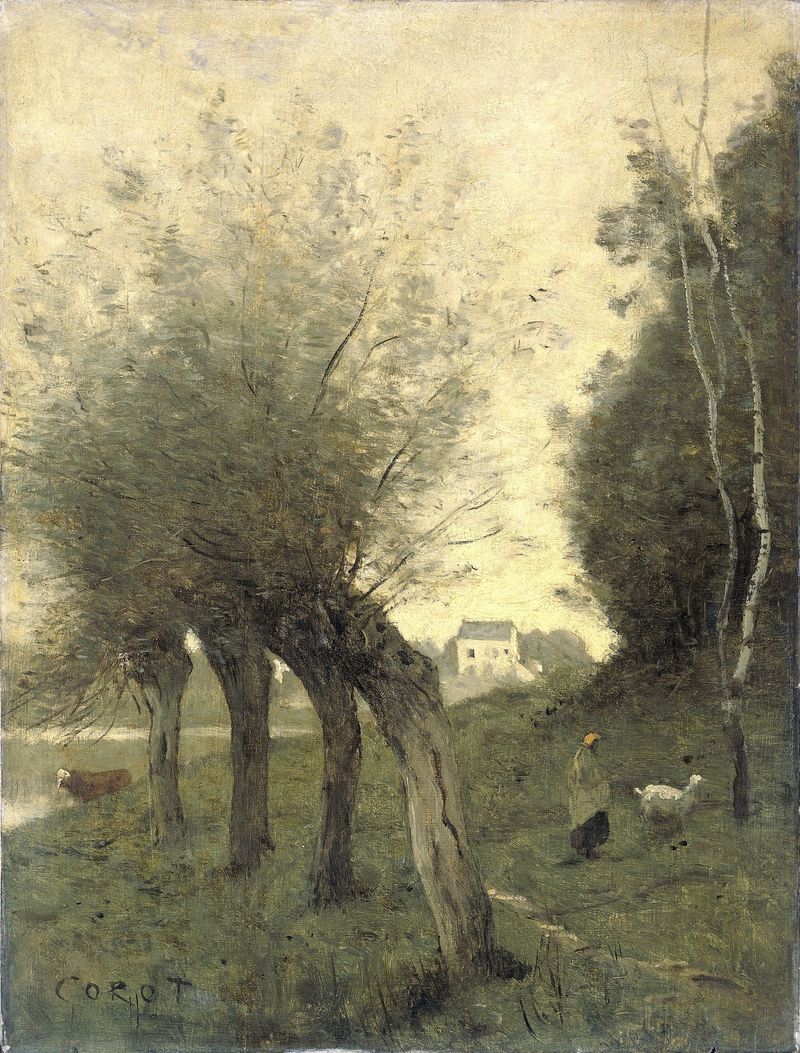
Landscape with Pollard Willows
Jean-Baptiste-Camille Corot
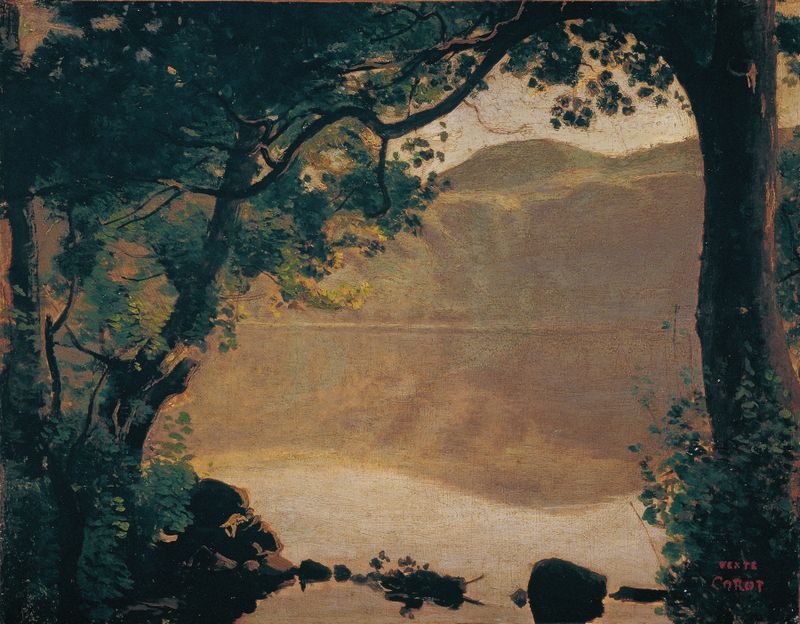
Der Nemisee
Jean-Baptiste-Camille Corot
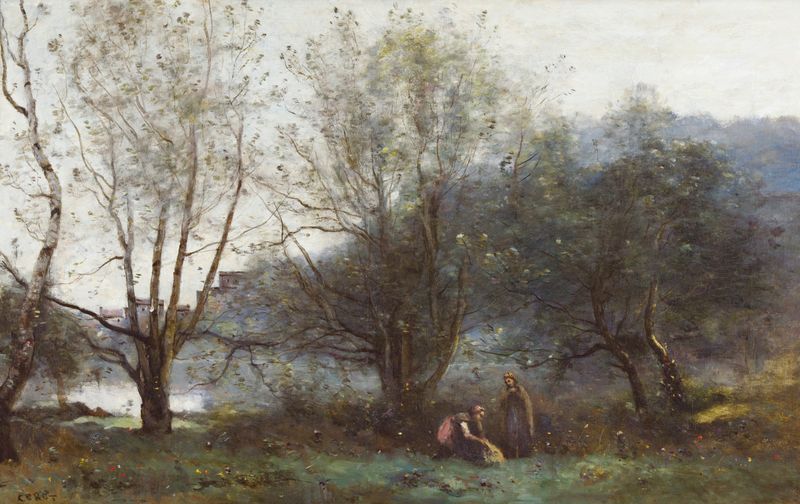
Les Étangs De Ville D’avray
Jean-Baptiste-Camille Corot
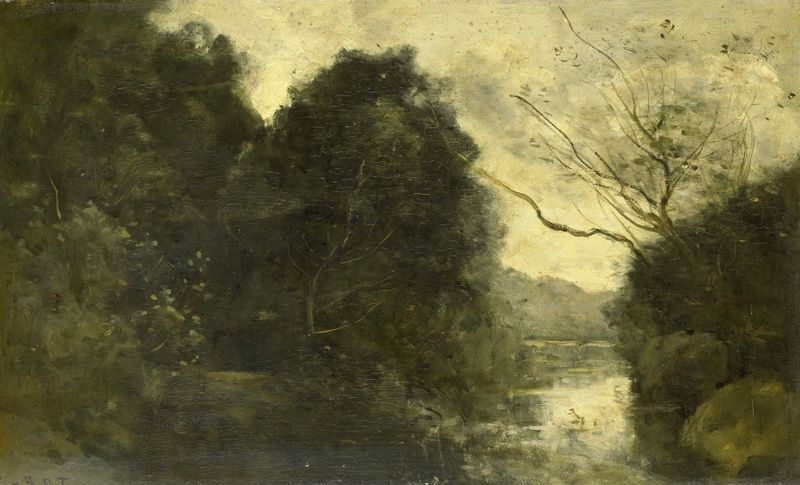
Pond in the Woods
Jean-Baptiste-Camille Corot
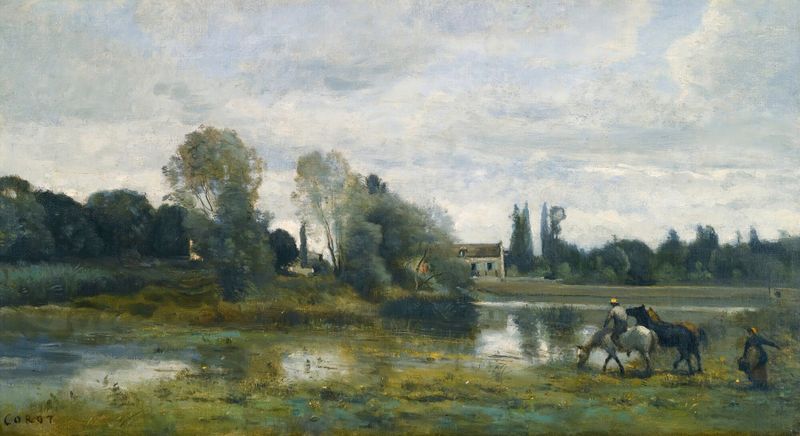
Ville D’avray; L’abreuvoir Des Chevaux
Jean-Baptiste-Camille Corot
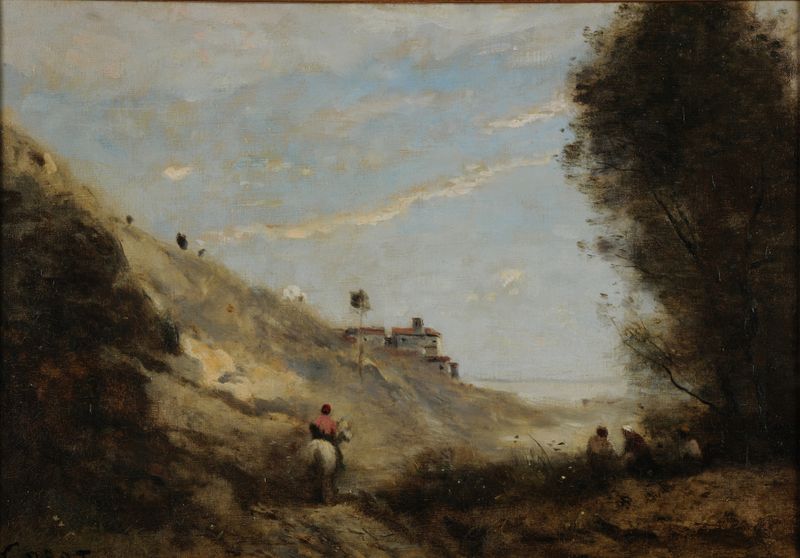
Le vallon au cavalier
Jean-Baptiste-Camille Corot





