
The Fortress at Varberg — History & Facts
Is this a mirror — or a memory? The essence of time and existence hangs suspended within the frames of a painted fortress, beckoning the viewer to ponder the boundary between reality and recollection. Look to the left at the rugged stone walls, their surface textured with the gray of age and weathering. Notice how the sunlight bathes the scene in a soft, golden hue, illuminating the fortifications that rise majestically against the horizon. The artist employs a palette of muted earth tones, expertly blending them to evoke a sense of both permanence and decay, inviting contemplation of the passage of time.
The sky, painted in delicate pastels, stretches above, a contrast to the solidity of the fortress, suggesting a tension between the ephemeral and the enduring. Hidden beneath the surface lies a complex dialogue between strength and vulnerability. The fortress symbolizes safety, yet its aging structure prompts reflections on fragility and mortality. The distant horizon, where land meets sky, signifies the unknown, a boundary that both beckons and warns.
Each brushstroke captures not only the physicality of the fortress but also the intangible weight of memories, their fleeting nature echoing in the shadows that cling to the stone. In 1894, Nordström painted this work amidst a burgeoning interest in Romanticism and nationalism, reflecting societal themes of strength and heritage. He was deeply influenced by the natural landscapes of Sweden, which surrounded him, while also responding to the contemporary currents of artistic innovation. At this time, he sought to capture the essence of his homeland, infusing his landscapes with historical significance as he navigated the interplay of memory and identity within his art.
More Artworks by Karl Nordström
Browse all →
Kyrkesund
Karl Nordström
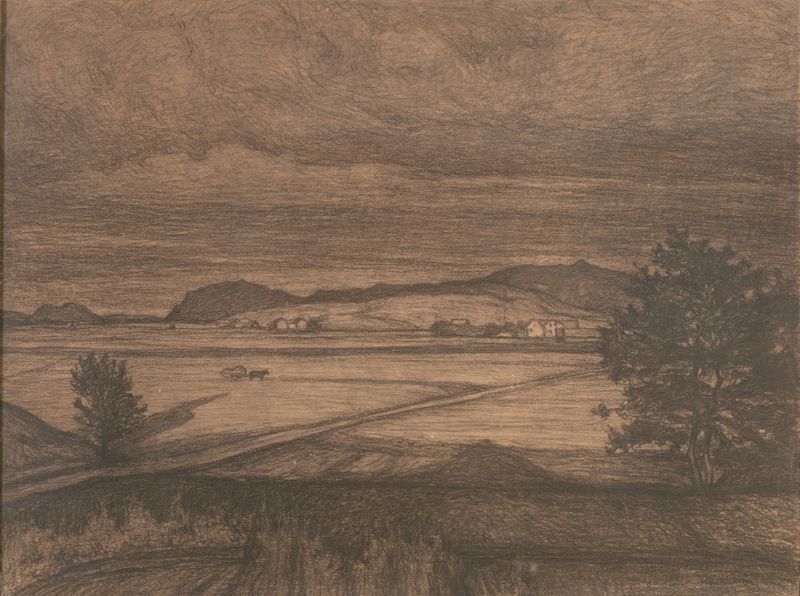
Högadal on Tjörn
Karl Nordström

Scene from Tjörn
Karl Nordström

The Surf
Karl Nordström
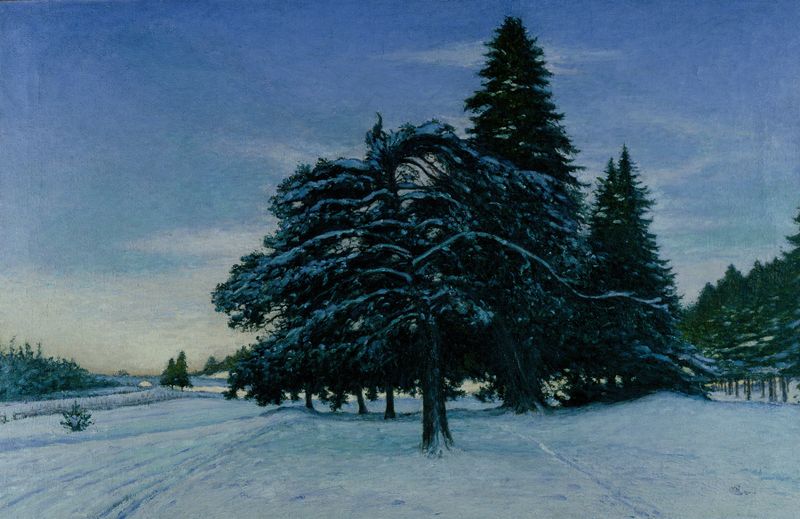
Winter’s Day at Uggleviken
Karl Nordström
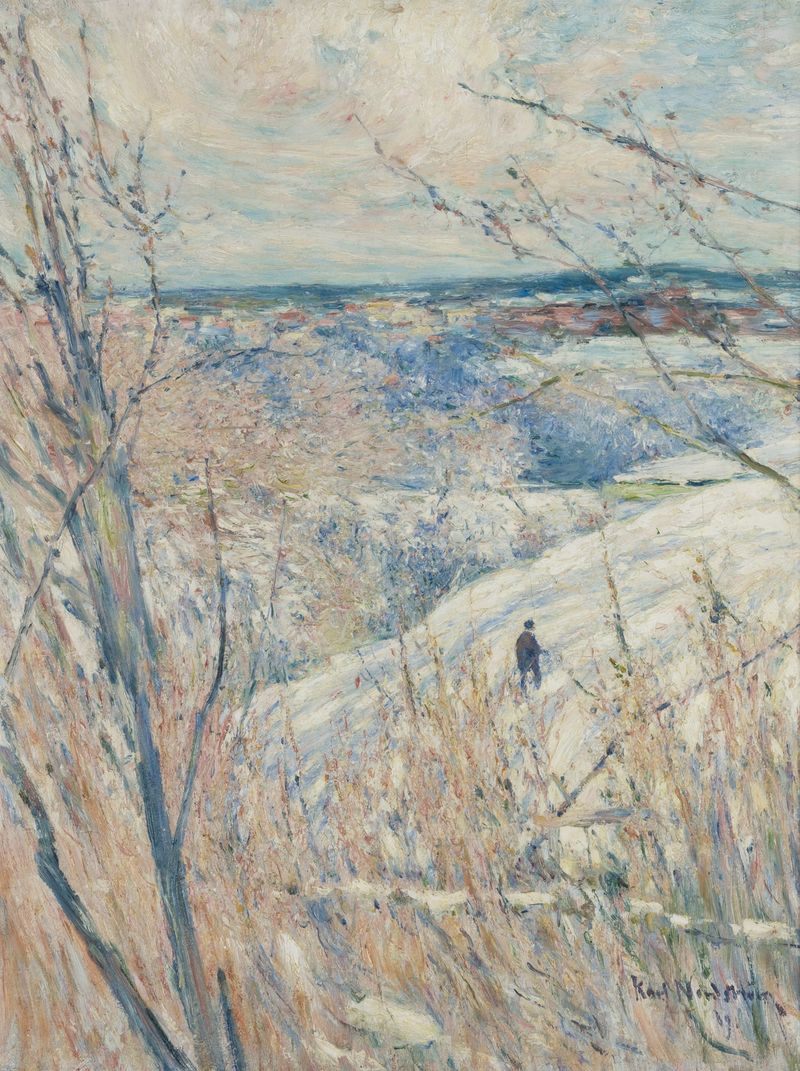
Winter
Karl Nordström

Fishing Boat
Karl Nordström

Hoga Valley, Tjörn
Karl Nordström

Roslag Street, Stockholm
Karl Nordström
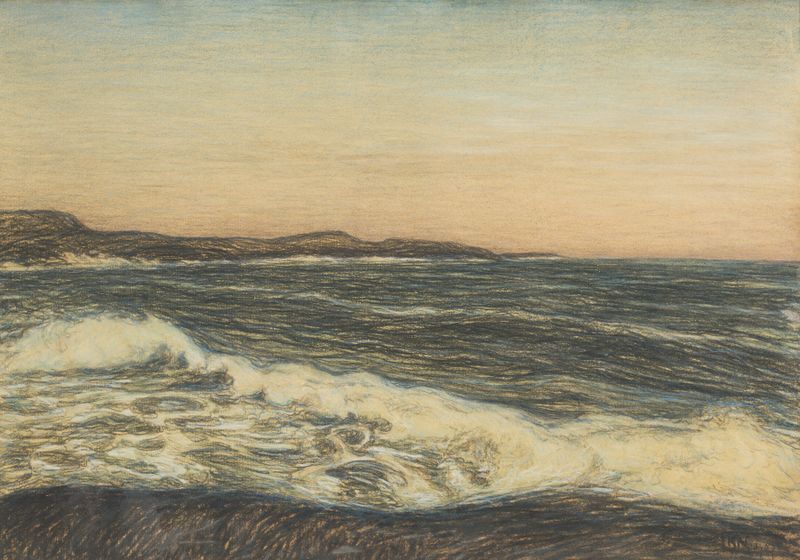
Seashore and Ground-Swell
Karl Nordström





