
The Fortress Of Ehrenbreitstein From Across The Rhine — History & Facts
Could a single brushstroke hold eternity? In Joseph Mallord William Turner’s The Fortress of Ehrenbreitstein From Across the Rhine, innocence meets grandeur, beckoning us to gaze into a world where nature cradles human achievement. Look to the center, where the fortress stands resolute against a backdrop of tumultuous skies. Notice how the soft, swirling clouds blend with the vibrant hues of the sunset, creating a dance of light that envelops the stone edifice. The river in the foreground mirrors this spectacle with its gentle ripples, guiding our eyes toward the historical monument.
Turner's masterful use of color and light contrasts the solid strength of the fortress with the ethereal quality of the atmosphere, inviting contemplation on the interplay of permanence and transience. Delve deeper into the painting’s emotional layers, where the interplay of light symbolizes hope and the fleeting nature of innocence. The calm waters juxtaposed with the imposing structure evoke a sense of serene strength, while hints of warm light breaking through the clouds suggest an idealized vision of human life amid the vastness of nature. This subtle tension reflects the artist’s own struggle with the balance of progress and the preservation of purity in a rapidly changing world. During the early 19th century, Turner painted this work amidst the backdrop of industrial revolution and shifting artistic paradigms in Europe.
The artist was drawn to the Rhine River, reflecting his fascination with landscapes that melded historical significance with emotional depth. At this time, his innovative use of light and color was pushing the boundaries of Romanticism, elevating the natural world to an unprecedented level of reverence and introspection.
More Artworks by Joseph Mallord William Turner
Browse all →
Dort or Dordrecht- The Dort Packet-Boat from Rotterdam Becalmed
Joseph Mallord William Turner
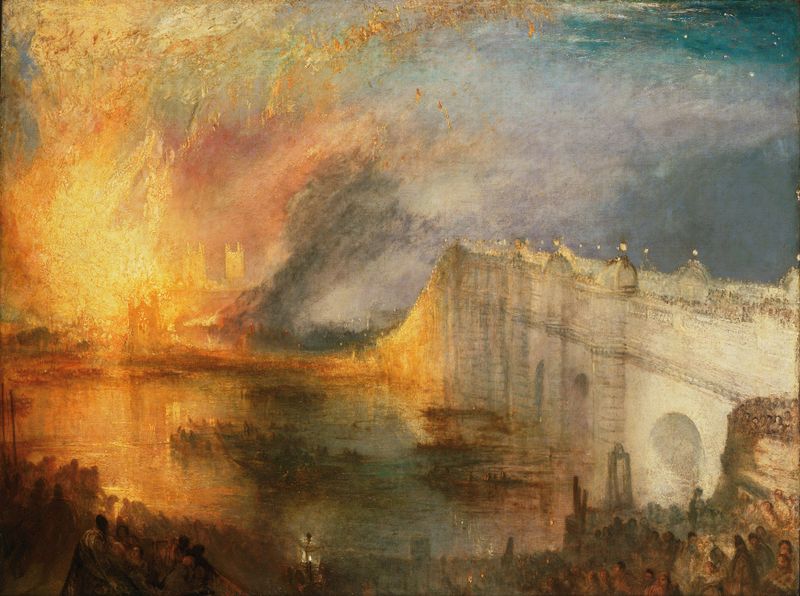
The Burning of the Houses of Lords and Commons, October 16, 1834
Joseph Mallord William Turner
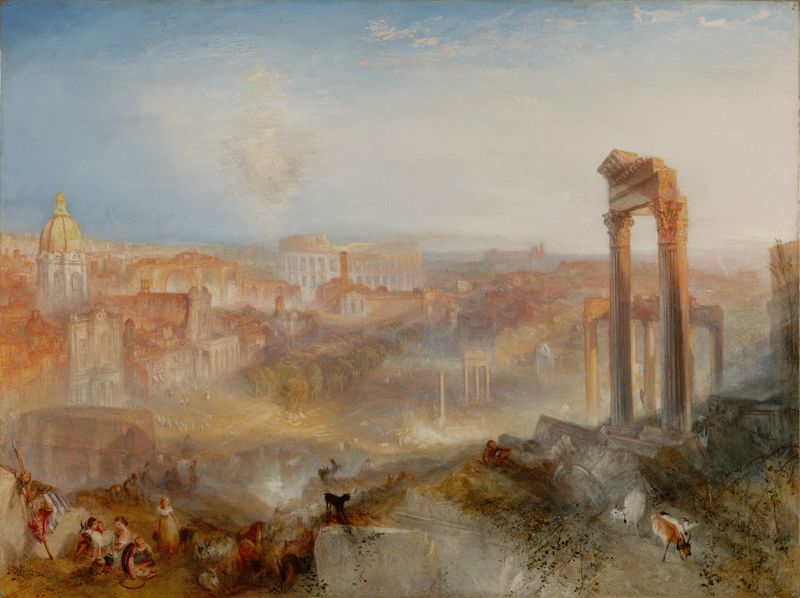
Modern Rome – Campo Vaccino
Joseph Mallord William Turner
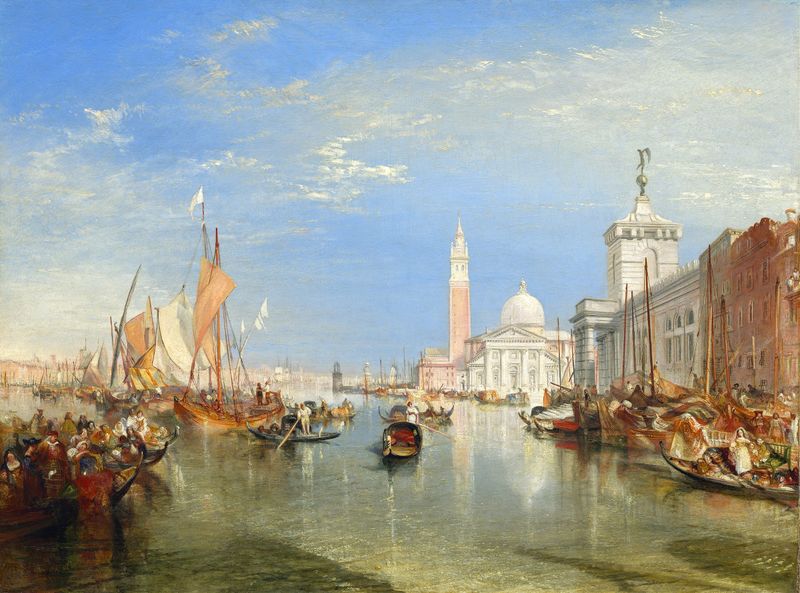
Venice – The Dogana and San Giorgio Maggiore
Joseph Mallord William Turner

The Burning of the Houses of Lords and Commons, 16 October 1834
Joseph Mallord William Turner
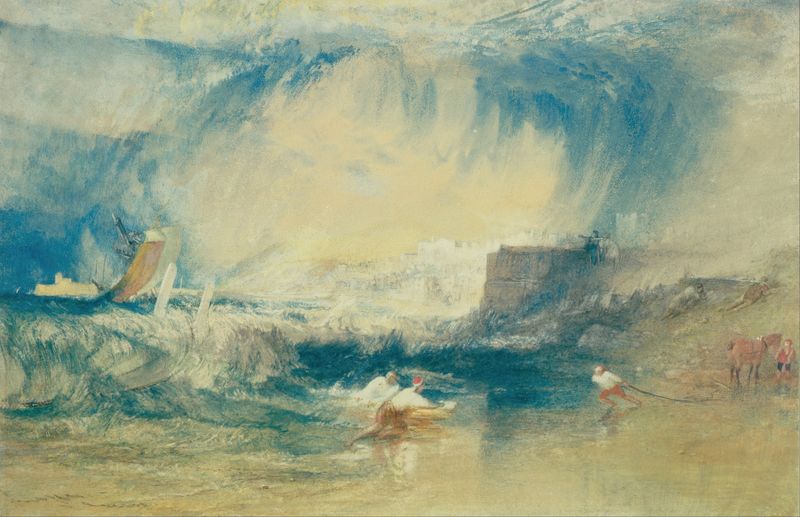
Lyme Regis, Dorsetshire, England
Joseph Mallord William Turner
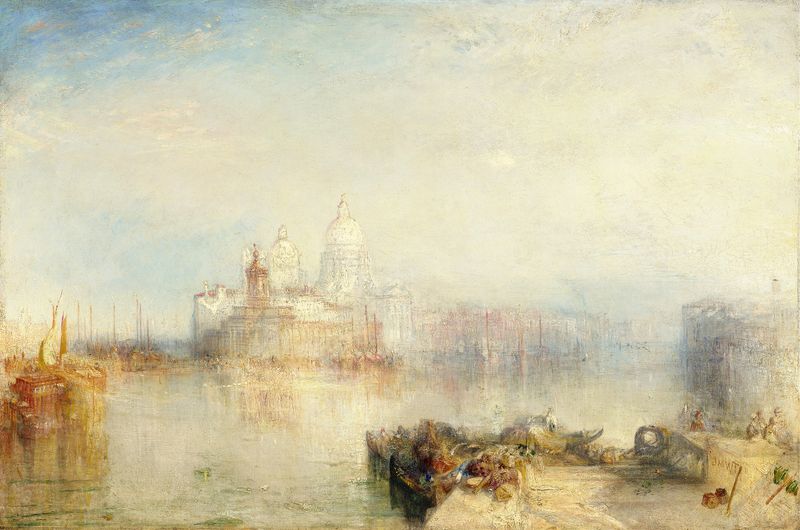
The Dogana and Santa Maria della Salute, Venice
Joseph Mallord William Turner
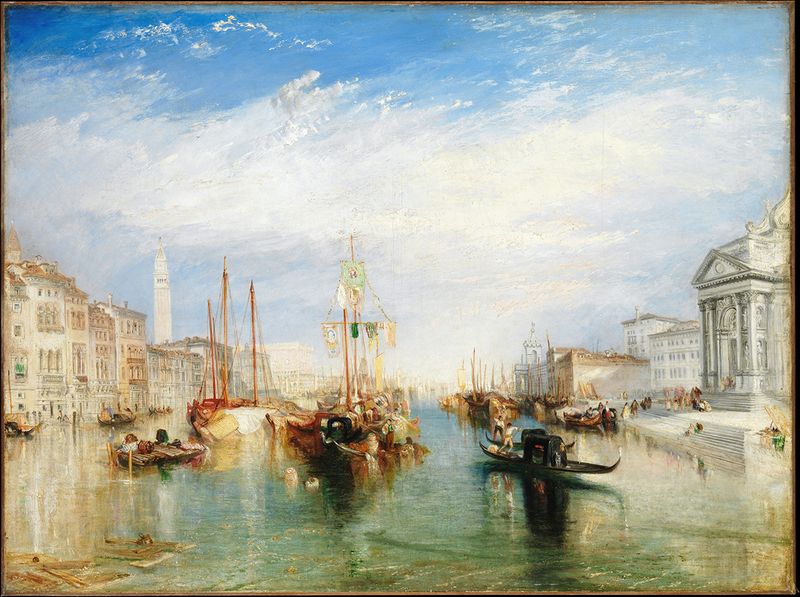
Venice, from the Porch of Madonna della Salute
Joseph Mallord William Turner
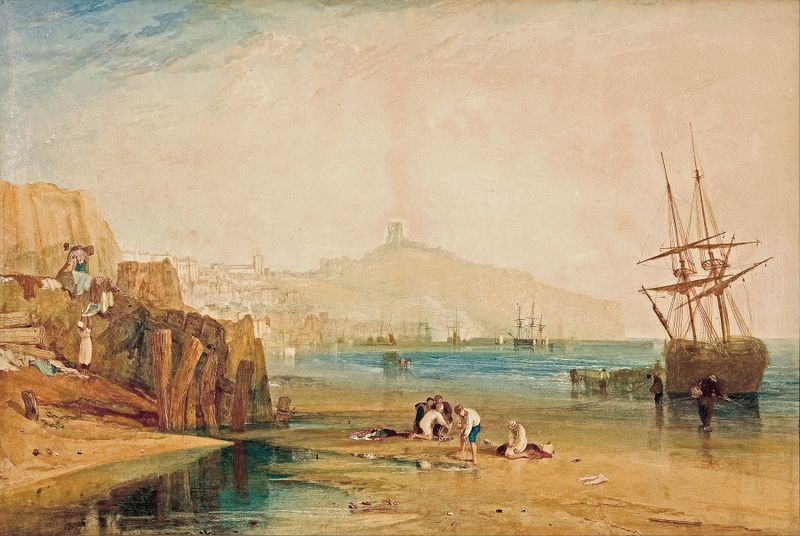
Scarborough town and castle; morning; boys catching crabs
Joseph Mallord William Turner
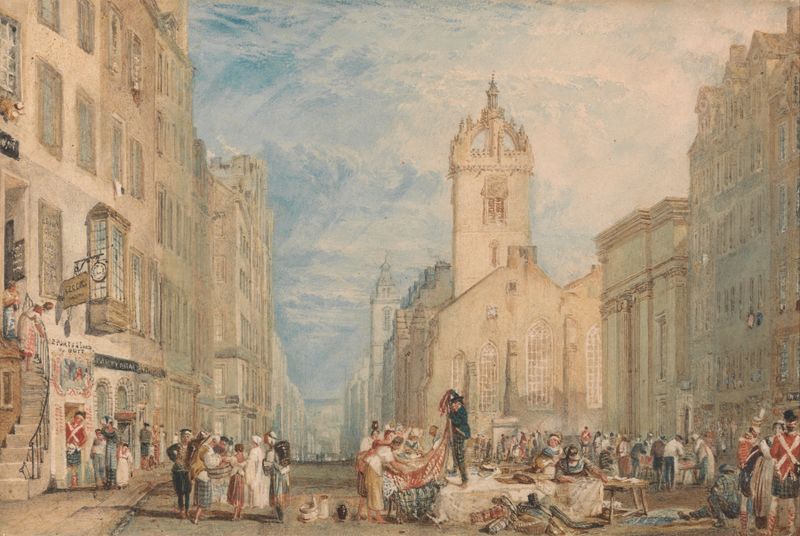
High Street, Edinburgh
Joseph Mallord William Turner





