
The fortress of Ehrenbreitstein from across the Rhine — History & Facts
When did color learn to lie? The vibrant hues of Turner’s palette evoke a world that seems both real and dreamlike, a testament to loss disguised beneath layers of beauty. Look to the center of the canvas where the fortress stands resolute against a swirling sky. Notice how the brushstrokes flow with an almost breathless urgency, each one infused with luminous yellows and deep blues that dance against one another, creating an atmospheric tension. To the left, the gentle ripples of the Rhine reflect shimmering colors, while wisps of mist rise, blurring the line between land and sky.
This interplay of light and shadow draws the viewer’s gaze, whispering secrets of forgotten histories and unyielding time. Beneath the surface, the painting encapsulates the emotional weight of nostalgia and the inevitability of change. The fortress, once a symbol of strength, now feels like a ghostly remnant of a bygone era, standing amidst the tumultuous waters that symbolize the passage of time. The vibrant colors, while beautiful, evoke a sense of melancholy, highlighting the paradox of memory—how it can both illuminate and obscure.
Each observer is left to ponder what has been lost in the relentless flow of time, as the majestic edifice looms like a memory unable to be grasped. Turner created this work during a significant period in the early 19th century, while he was in the midst of experimenting with color and light in ways that would define modern landscape painting. His experiences with the rise of Romanticism influenced his approach, pushing him to explore the emotional resonance of the natural world. The lack of a specific date suggests a reflective, possibly transitional phase in his career, as he continued to navigate the complexities of both personal and artistic loss amidst a rapidly changing society.
More Artworks by Joseph Mallord William Turner
Browse all →
Dort or Dordrecht- The Dort Packet-Boat from Rotterdam Becalmed
Joseph Mallord William Turner
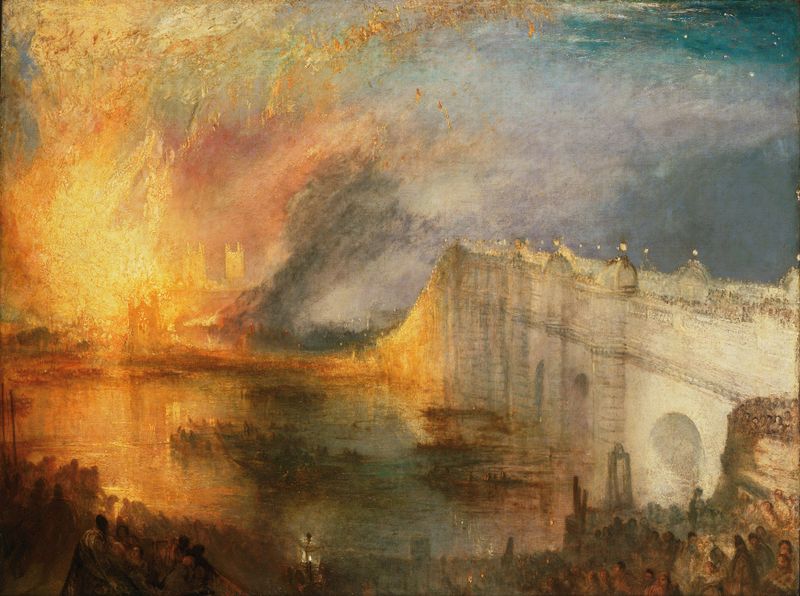
The Burning of the Houses of Lords and Commons, October 16, 1834
Joseph Mallord William Turner
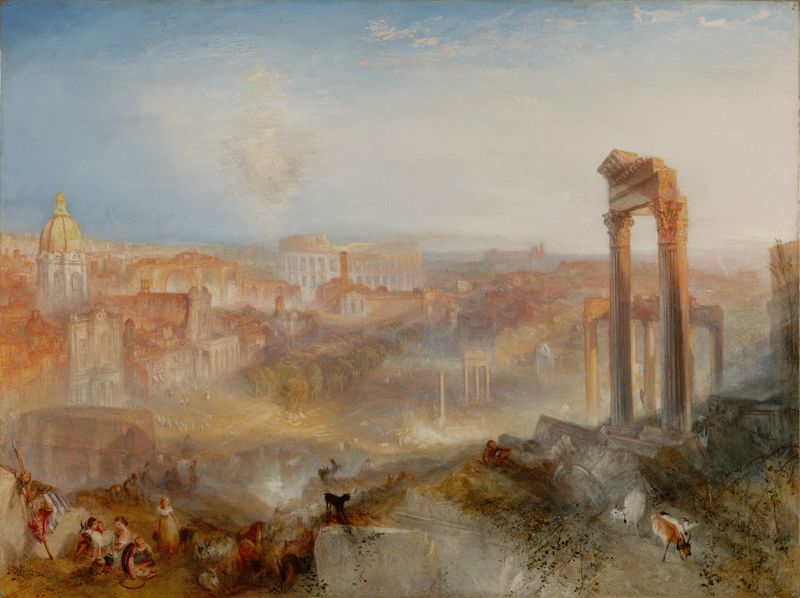
Modern Rome – Campo Vaccino
Joseph Mallord William Turner
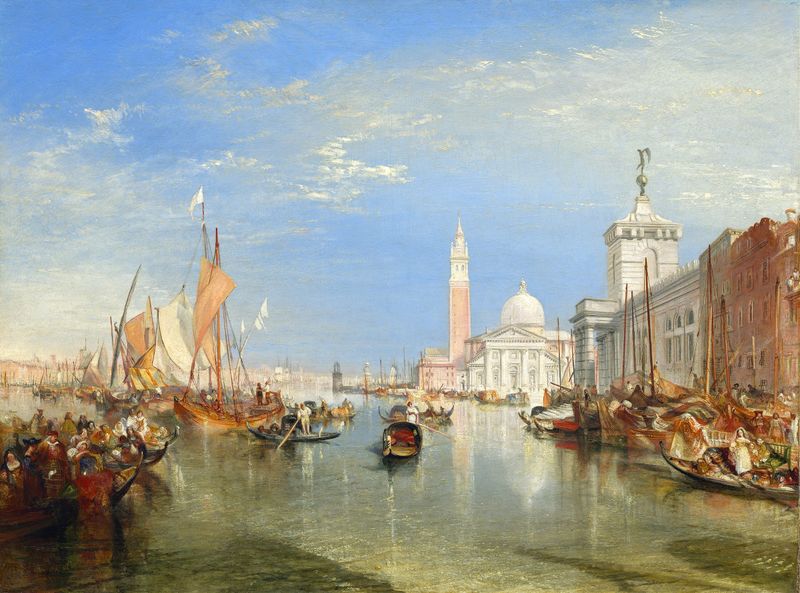
Venice – The Dogana and San Giorgio Maggiore
Joseph Mallord William Turner

The Burning of the Houses of Lords and Commons, 16 October 1834
Joseph Mallord William Turner
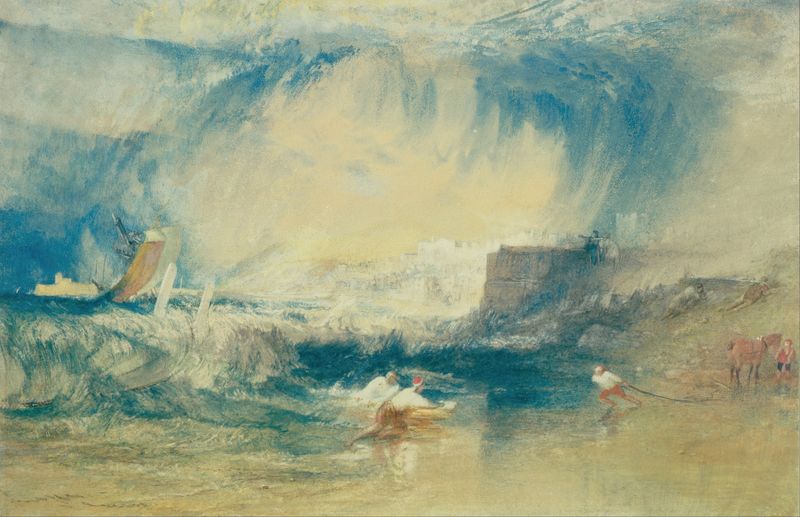
Lyme Regis, Dorsetshire, England
Joseph Mallord William Turner
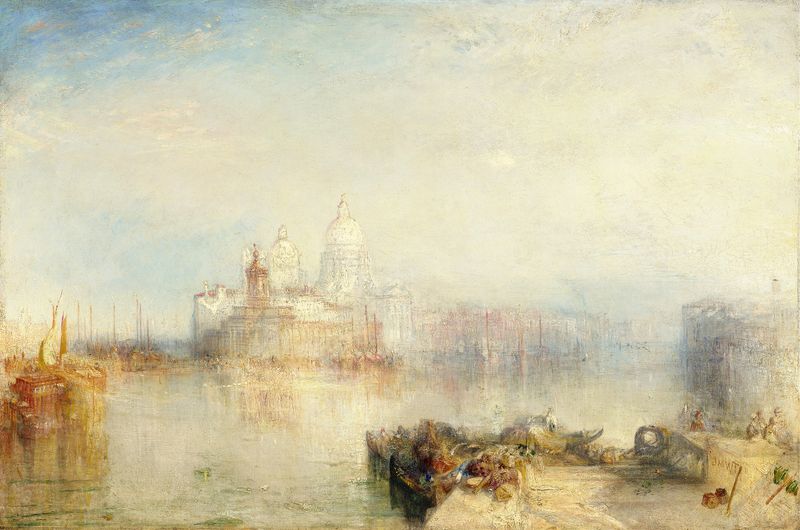
The Dogana and Santa Maria della Salute, Venice
Joseph Mallord William Turner
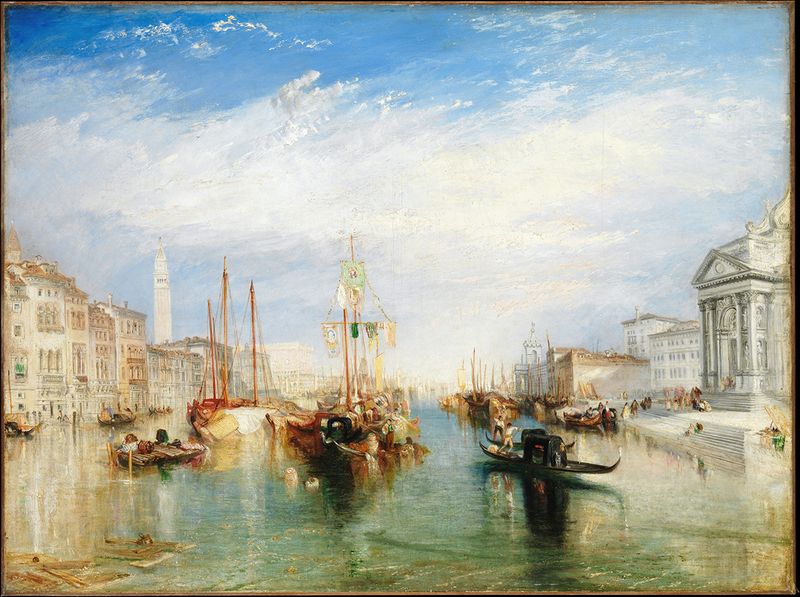
Venice, from the Porch of Madonna della Salute
Joseph Mallord William Turner
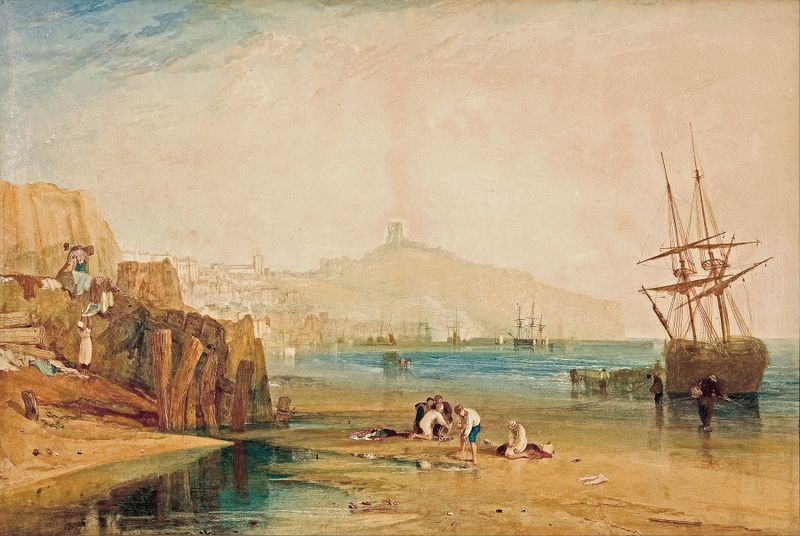
Scarborough town and castle; morning; boys catching crabs
Joseph Mallord William Turner
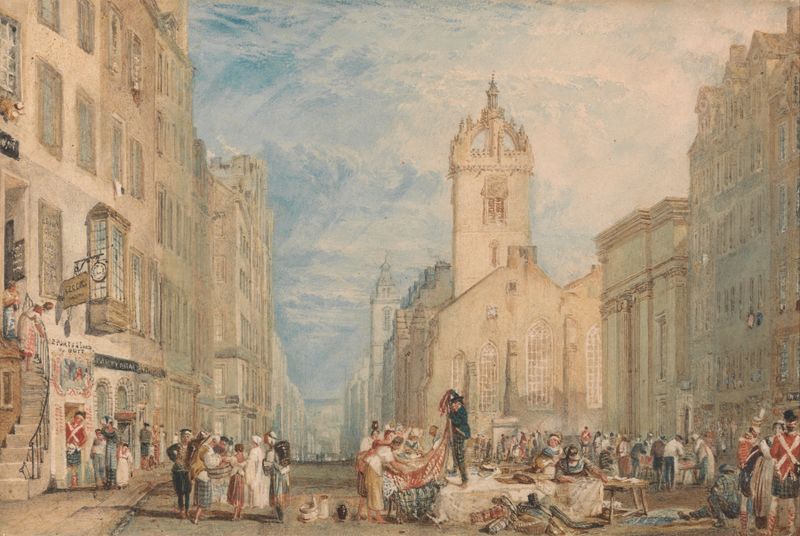
High Street, Edinburgh
Joseph Mallord William Turner





