
The French army at Naarden, 20 July — History & Facts
What first catches the eye in The French army at Naarden, 20 July by Adam Frans van der Meulen is its sense of anticipation—an entire army poised on the threshold of action, yet the scene is suspended in a moment before history unfolds. The artist leads us from a shadowed foreground of tangled trees into a broad, unfinished plain, where lines of cavalry and infantry, sketched with brisk, economical strokes, seem to gather their resolve. The city of Naarden rises in the distance, its bastions and church tower bathed in the cool, clear light of early day, set against a sky that hints at both calm and coming change.
The figures are not yet filled in, as if the outcome of their story is still unwritten, their presence more suggestion than assertion. The unfinished quality draws the viewer in, inviting us to imagine the noise, the movement, the tension that the artist has only begun to capture. This painting belongs to a world where the fate of cities was decided by armies on open fields, and where artists like van der Meulen were called upon to record the ambitions of kings. In the late seventeenth century, such works served as both commemoration and propaganda, celebrating military might and royal power for patrons who understood the value of spectacle.
The date links the scene to the campaigns of Louis XIV, when the French army swept through the Dutch Republic, and artists followed in the wake of generals to immortalize their deeds. Yet, history has kept few traces of this particular canvas beyond its unfinished state and its presence in the Rijksmuseum collection. What remains is a glimpse into the machinery of war and memory, and a reminder that even incomplete visions can hold a world of stories—if you let your eye wander from the waiting soldiers to the distant, silent city.
More Artworks by Adam Frans van der Meulen
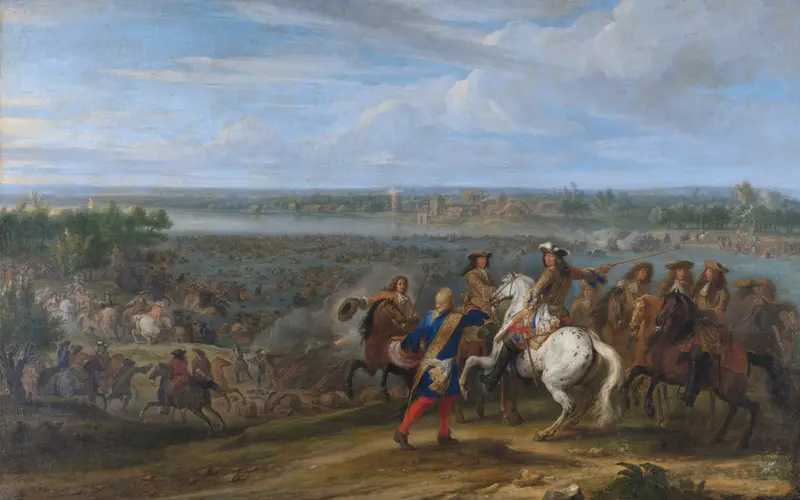
Louis XIV Crossing into the Netherlands at Lobith
Adam Frans van der Meulen
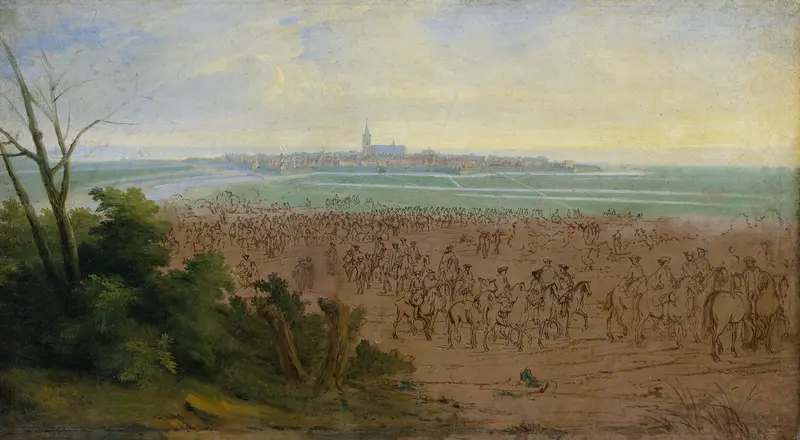
The Troops of Louis XIV before Naarden, 20 July 1672
Adam Frans van der Meulen
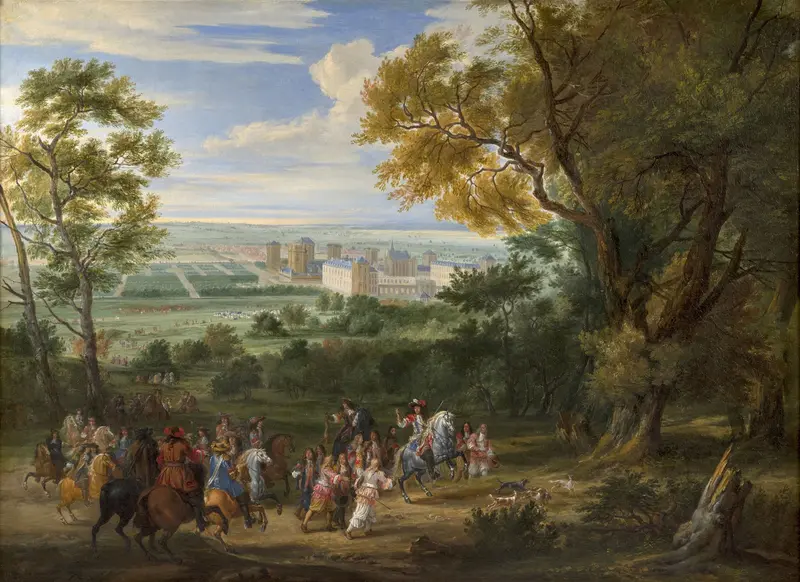
View of the château de Vincennes or The Departure of Louis XIV for the hunt
Adam Frans van der Meulen

A battle scene
Adam Frans van der Meulen
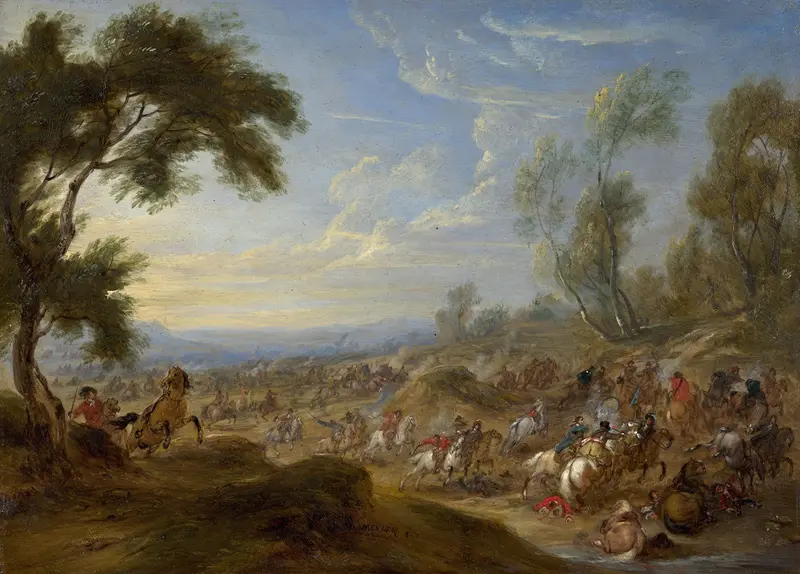
A cavalry charge
Adam Frans van der Meulen
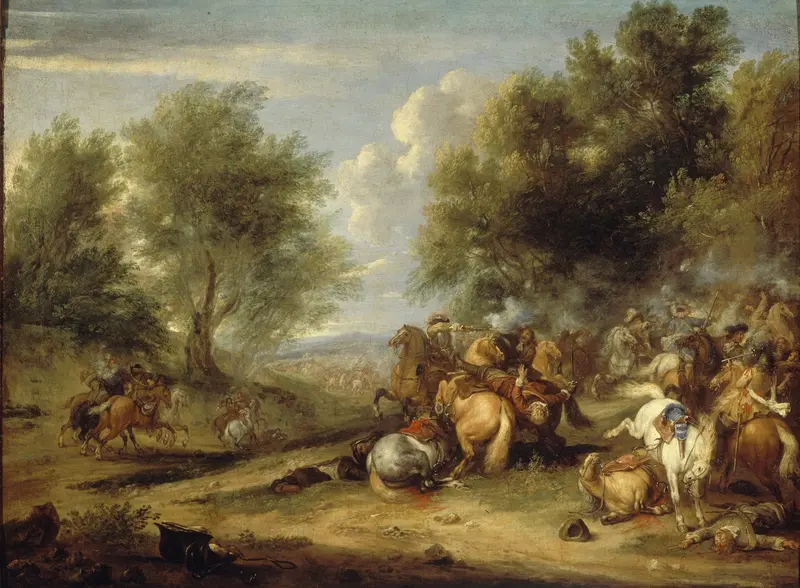
Choc de cavalerie ou Combat de cavalerie
Adam Frans van der Meulen
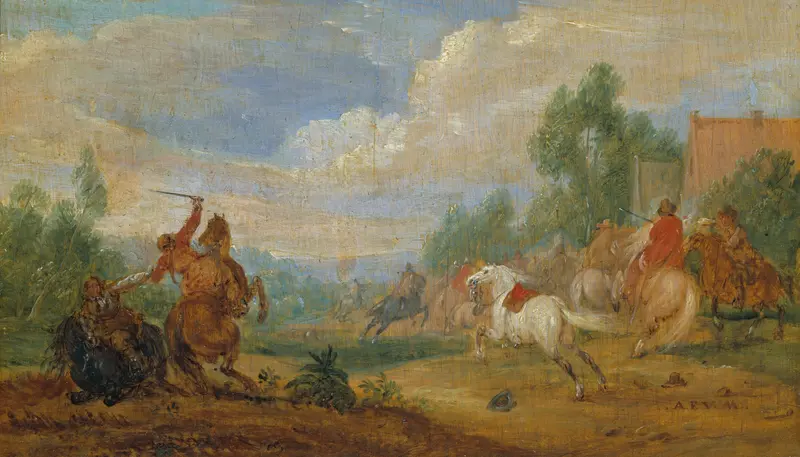
Cavalry Skirmish
Adam Frans van der Meulen
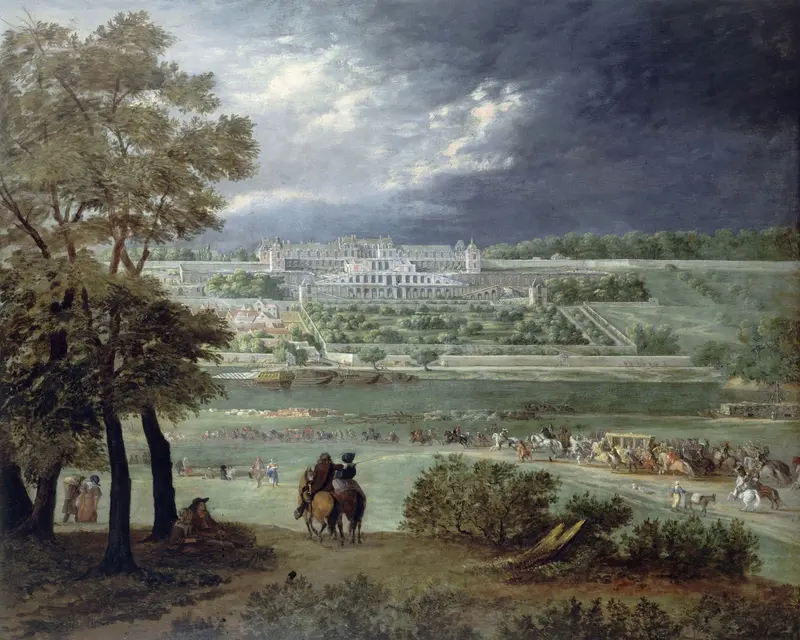
Le Château Neuf de Saint-Germain-en-Laye et les jardins, vus de la rive droite de la Seine
Adam Frans van der Meulen
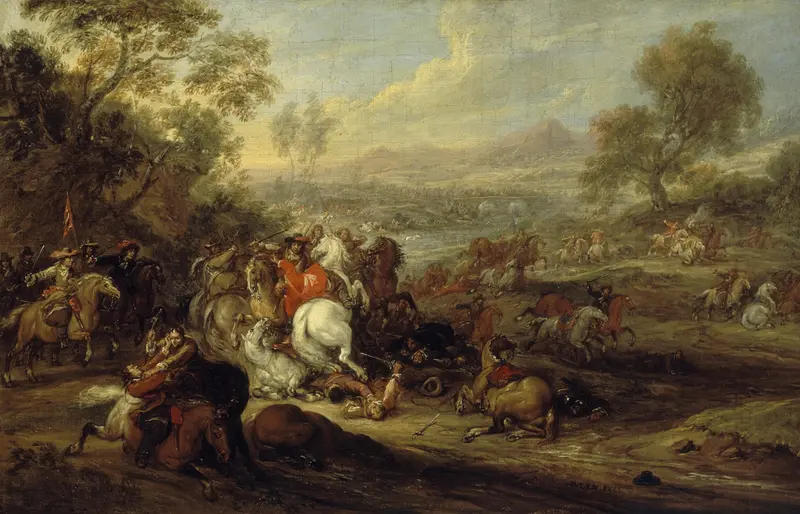
Choc de cavalerie ou Combat de cavalerie
Adam Frans van der Meulen
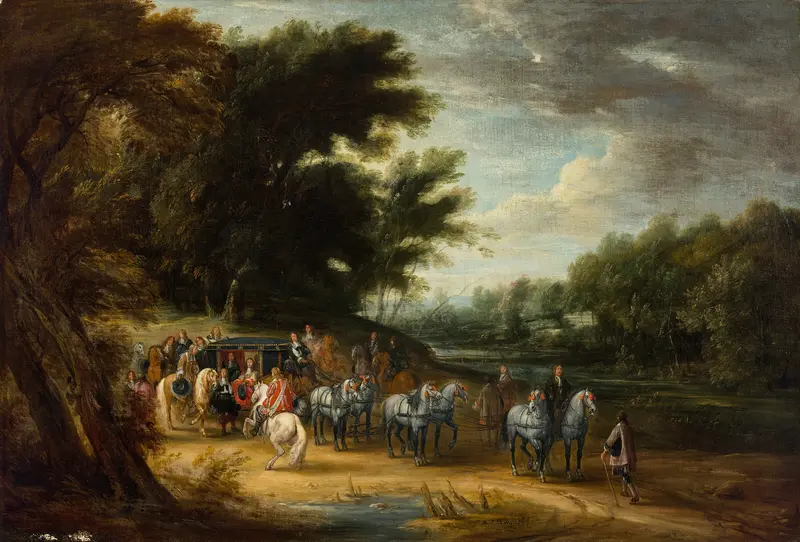
A nobleman in a state coach at rest escorted by his men and horses, with a gentleman on a white horse approaching and landscape beyond
Adam Frans van der Meulen





