
The Galata Tower By Moonlight — History & Facts
Did the painter know this moment would outlive them? A luminous moon casts a silver veil over the Galata Tower, illuminating the restless waters below and inviting contemplation on change and revolution, both in nature and society. Look to the right at the striking silhouette of the tower, rising majestically against a deep azure sky. Notice how the moonlight dances on the waves, creating shimmering ripples that seem to pulse with life. Aivazovsky’s brushwork brings texture to the scene, with each stroke capturing the tumult of the sea as it mirrors the tumult of the times.
The palette of blues and silvers evokes both serenity and tension, drawing the viewer's gaze towards the tower as a beacon of stability amid chaos. Amidst the beauty, hints of unease emerge. The turbulent waters suggest an undercurrent of change, foreshadowing societal upheaval. The bright moon, while calming, can also symbolize the harsh light of truth revealing hidden struggles.
This contrast between the peaceful exterior and the stormy depths below reflects the duality of existence during a time of revolution, resonating with the anxiety and hope of an era on the brink of transformation. In 1845, Aivazovsky painted this evocative piece during a period marked by political unrest across Europe. Living in St. Petersburg, he was influenced by the Romantic movement and the emerging ideas of nationalism and identity.
This artwork not only showcases his mastery of light and water but also serves as a timeless reflection on the enduring impact of societal change.
More Artworks by Ivan Konstantinovich Aivazovsky
Browse all →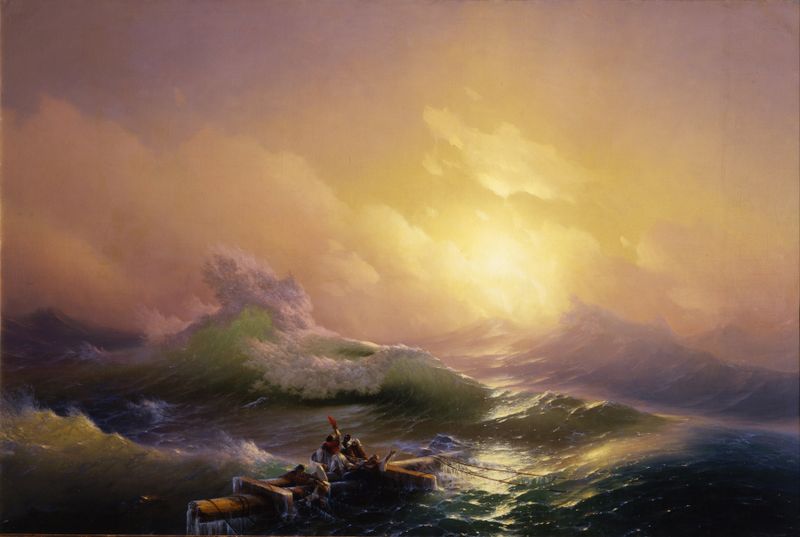
The Ninth Wave
Ivan Konstantinovich Aivazovsky
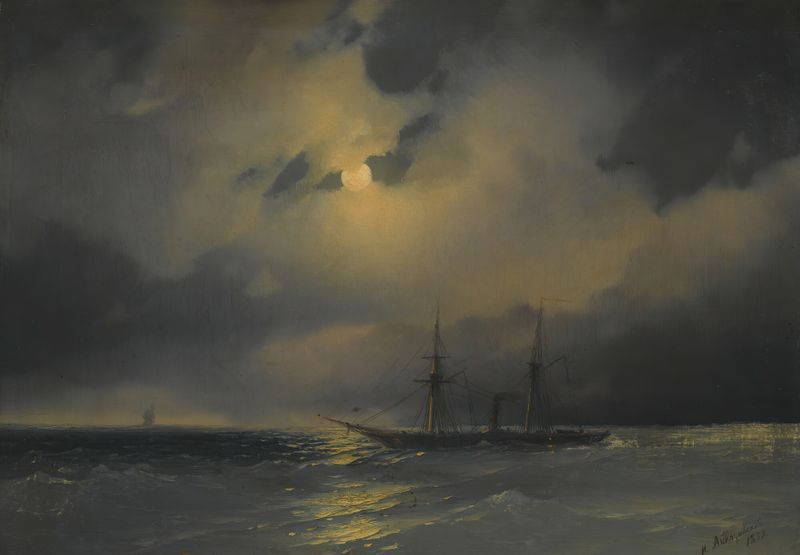
Shipping In Moonlight
Ivan Konstantinovich Aivazovsky
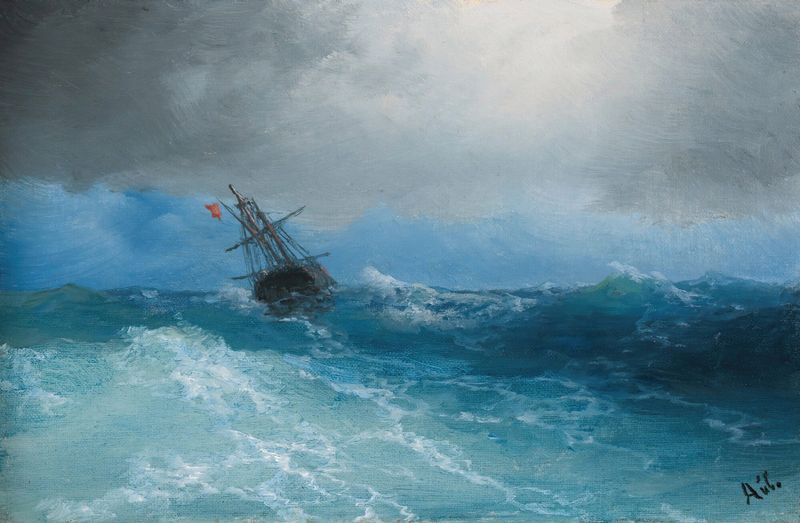
Gathering Storm
Ivan Konstantinovich Aivazovsky
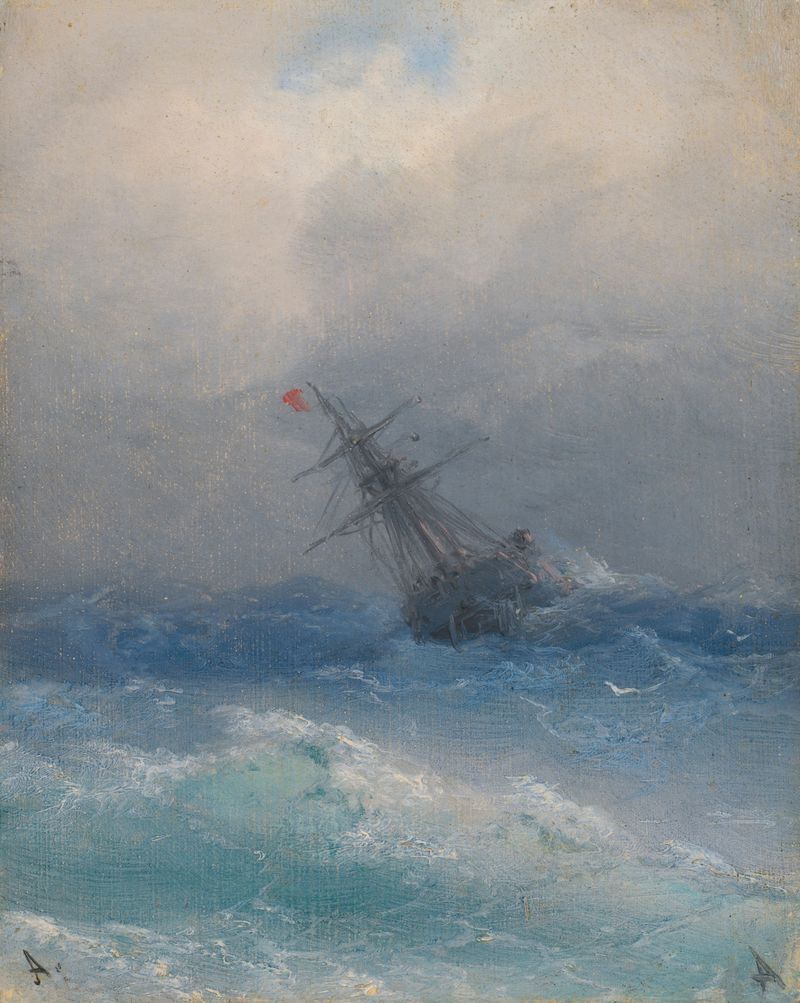
Shipwreck
Ivan Konstantinovich Aivazovsky
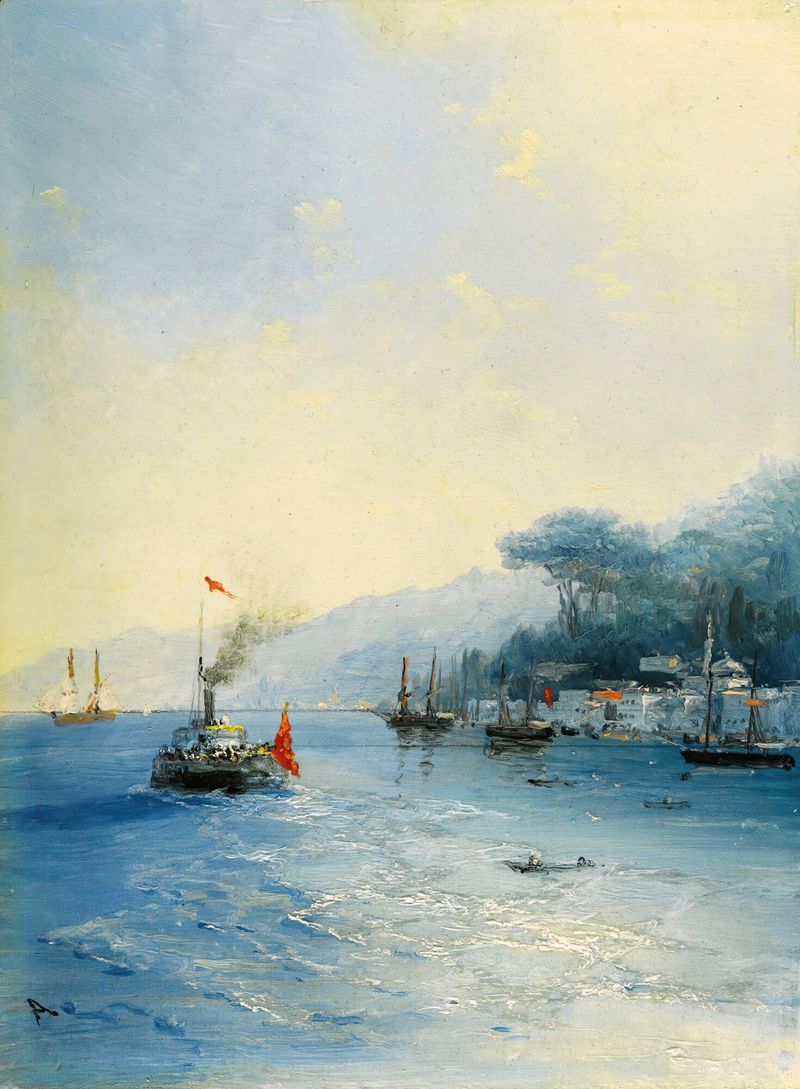
Shipping On The Bosphorus, Constantinople
Ivan Konstantinovich Aivazovsky
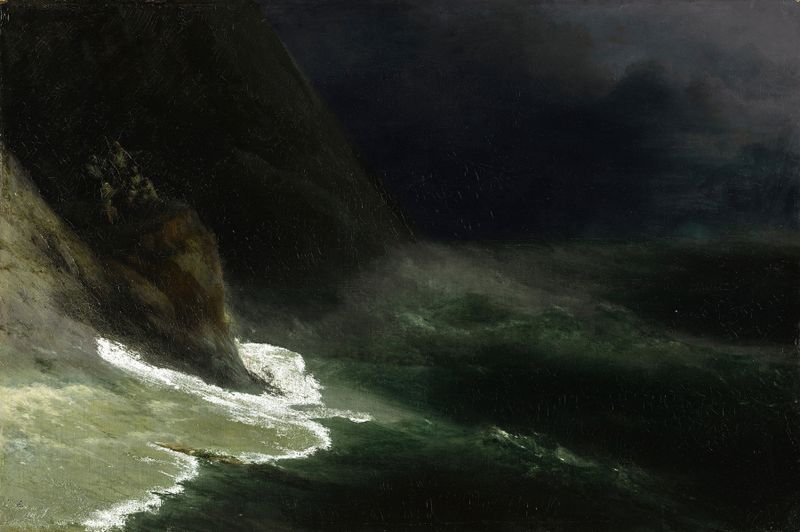
Seascape
Ivan Konstantinovich Aivazovsky
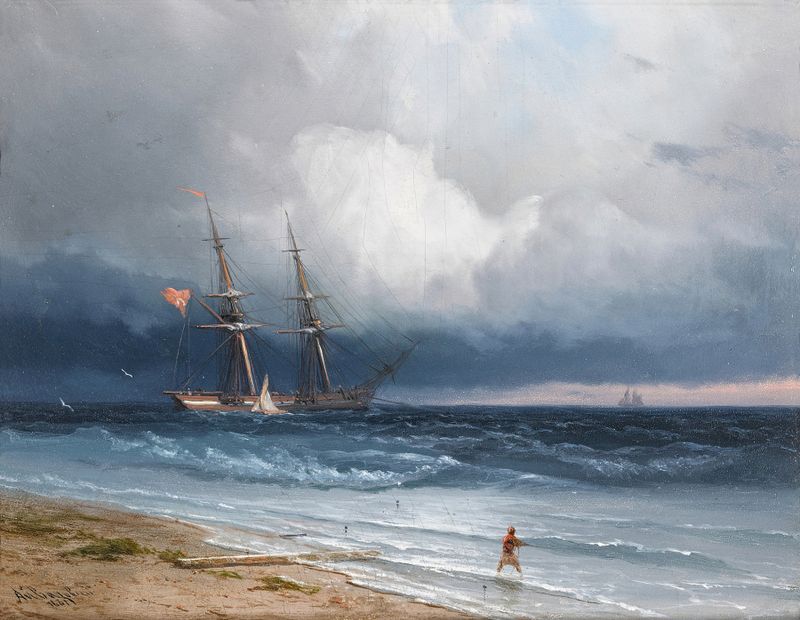
Ship by the Shore
Ivan Konstantinovich Aivazovsky
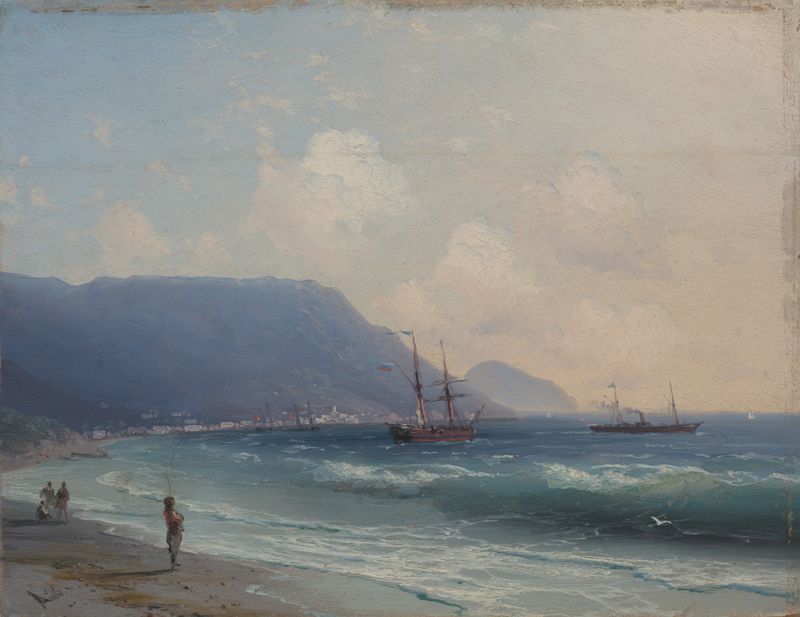
Seascape
Ivan Konstantinovich Aivazovsky
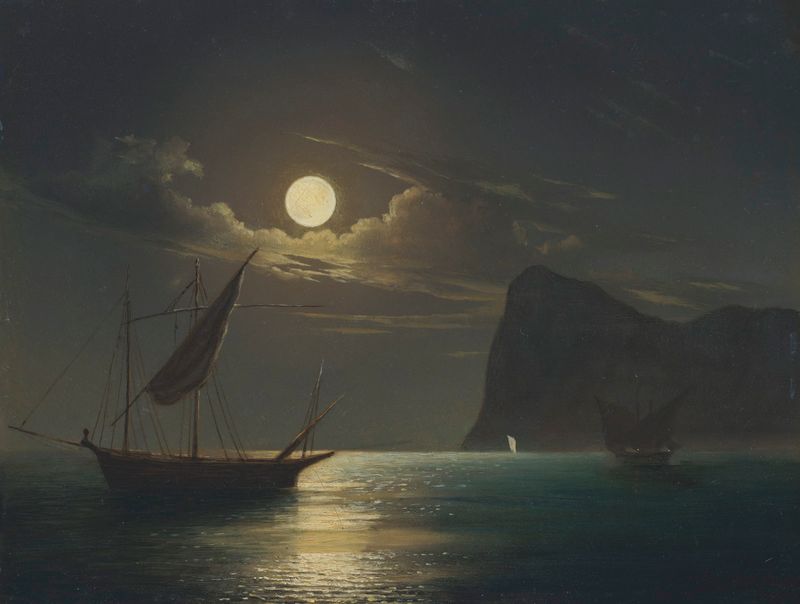
Moonlight
Ivan Konstantinovich Aivazovsky
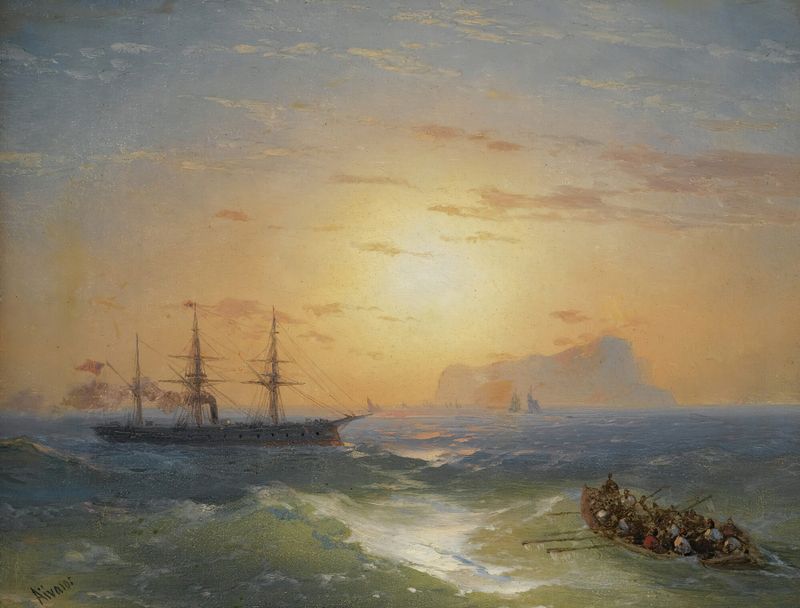
Shipping Off Ischia
Ivan Konstantinovich Aivazovsky





