The Garret — History & Facts
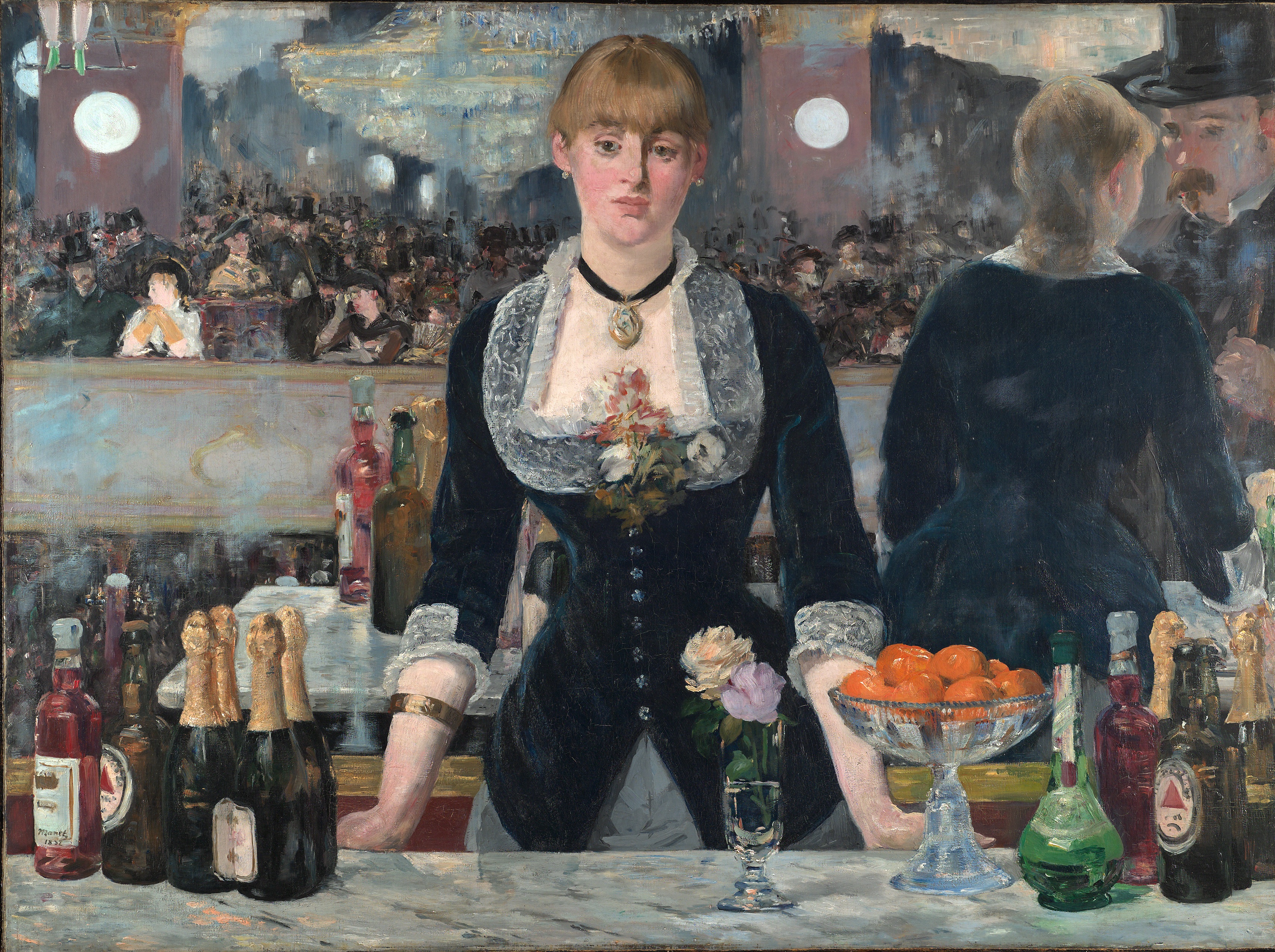
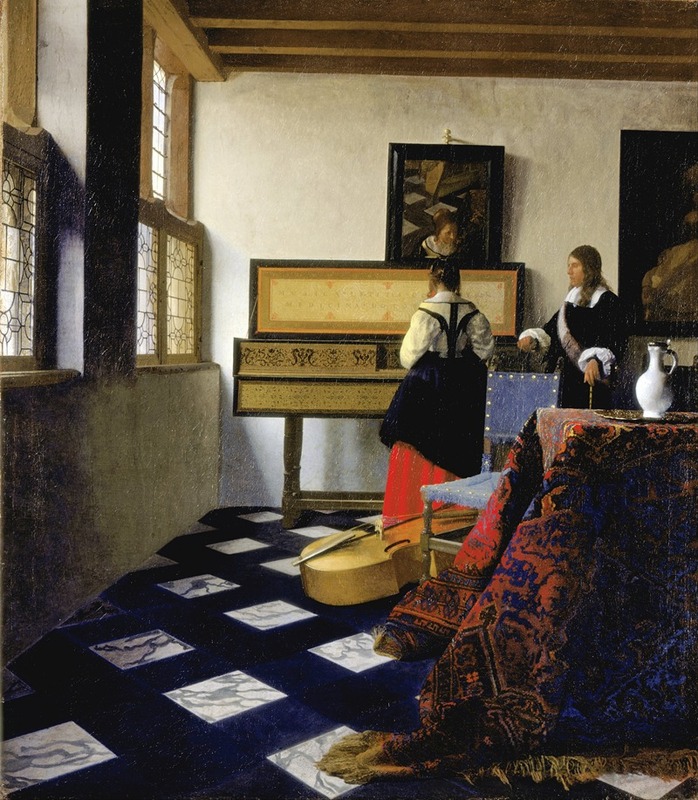
Can beauty exist without sorrow? The Garret invites us to ponder this question through its delicate interplay of light and shadow, revealing the fragility of artistic creation. Focus first on the soft glow spilling from the window, illuminating the scattered papers and remnants of inspiration that litter the studio floor. The gentle illumination contrasts sharply with the deep, enveloping shadows that cling to the corners, creating a visual metaphor for the artist's internal struggle. Notice how the muted palette of browns and ochres cradles the objects within the space, emphasizing their worn textures and the weight of unfulfilled potential. Within this intimate setting lies a tension between aspiration and despair.
The disarray of unfinished canvases hints at the artist's relentless pursuit of perfection, while the sparse furnishings reflect a life led in quiet solitude. Each discarded sheet of paper carries with it a whisper of hope, mingling with the unseen frustrations and dreams of creation. This emotional layering transcends the physical space, inviting viewers to empathize with the complexities of the artistic journey. In 1869, Lalanne painted this work during a time when the art world was grappling with the emergence of Impressionism and a shift away from traditional forms.
Living in Paris, he was surrounded by fellow artists exploring new styles, yet he chose to focus on the melancholic beauty of the solitary artist's life. This period marked both personal and artistic evolution for him, as he navigated the delicate balance between realism and emotional depth in his own practice.
More Artworks by Maxime Lalanne
Browse all →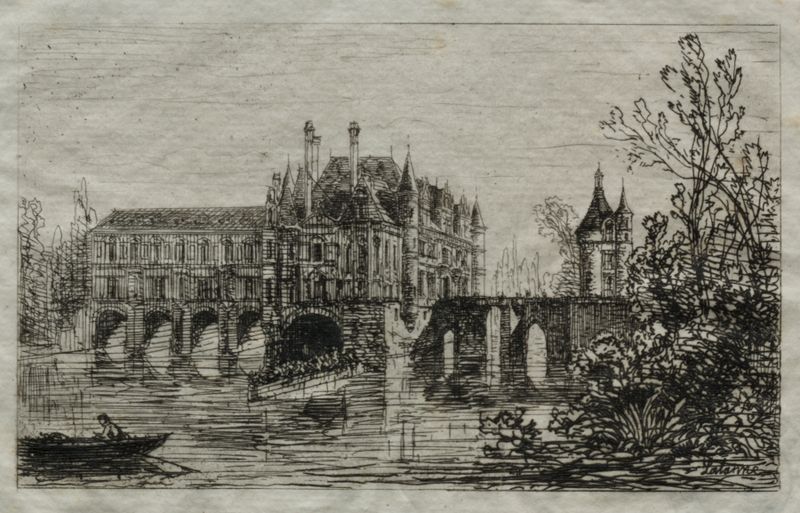
Château de Chenonceau
Maxime Lalanne
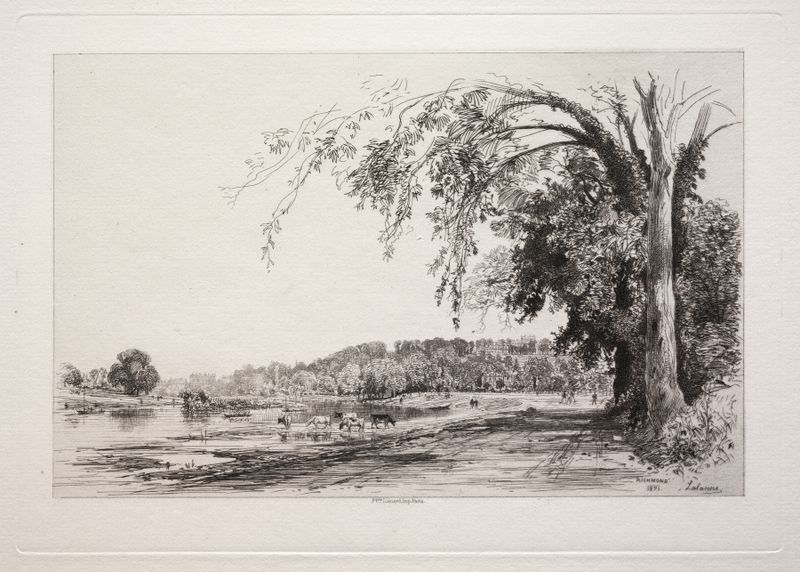
Richmond
Maxime Lalanne
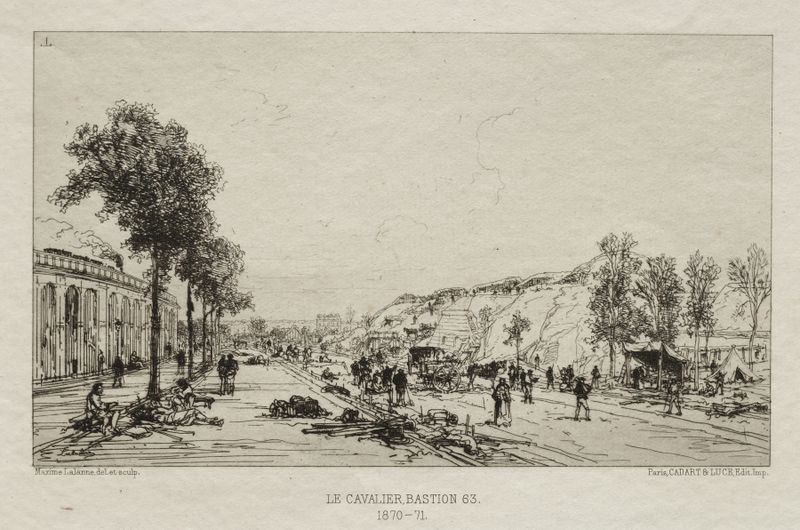
Souvenirs artistiques du Siège de Paris; Le Cavalie (Bastion 63)
Maxime Lalanne
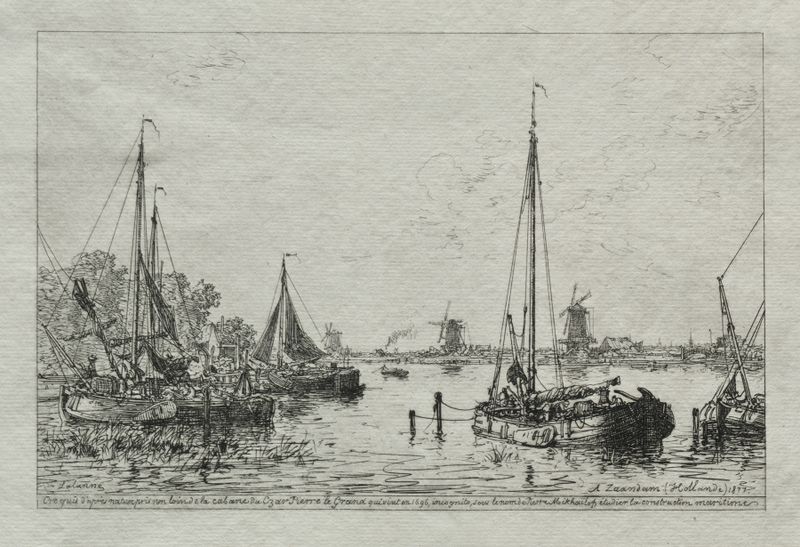
Sketch from Nature
Maxime Lalanne
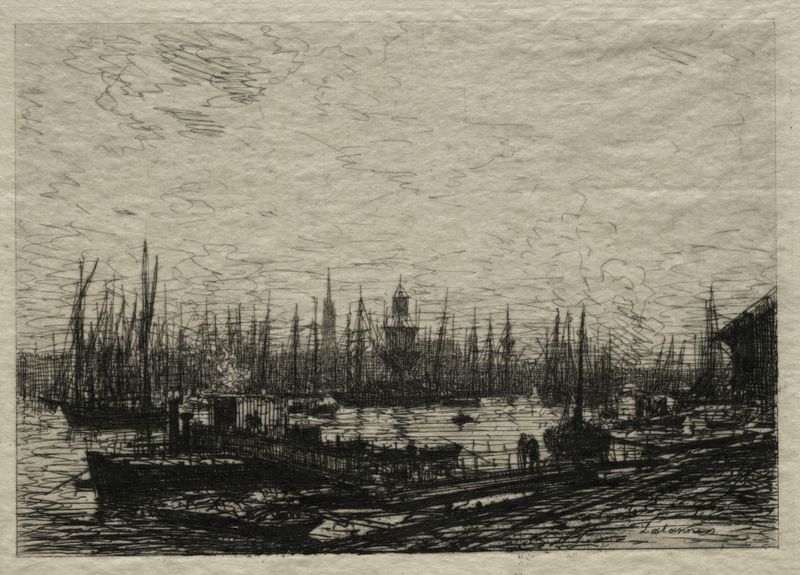
In the Bordeaux Harbor
Maxime Lalanne
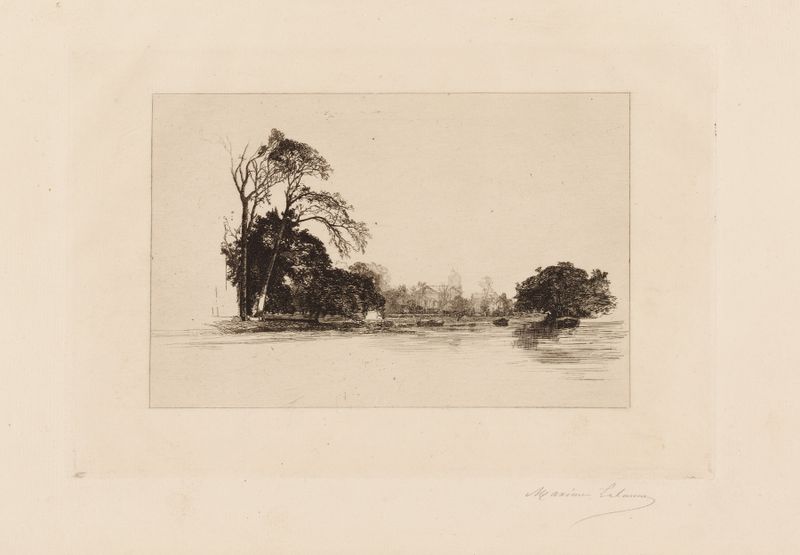
Bank of the Thames
Maxime Lalanne
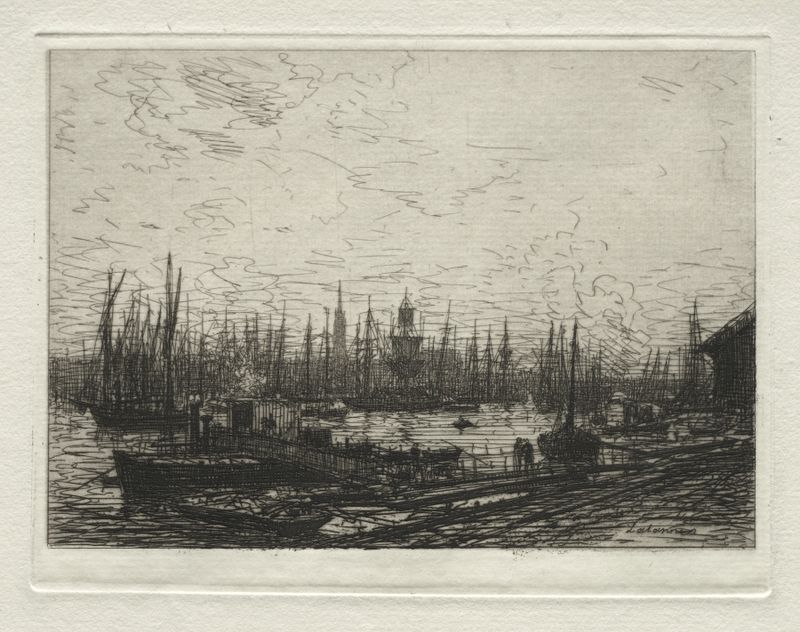
Port of Bordeaux
Maxime Lalanne
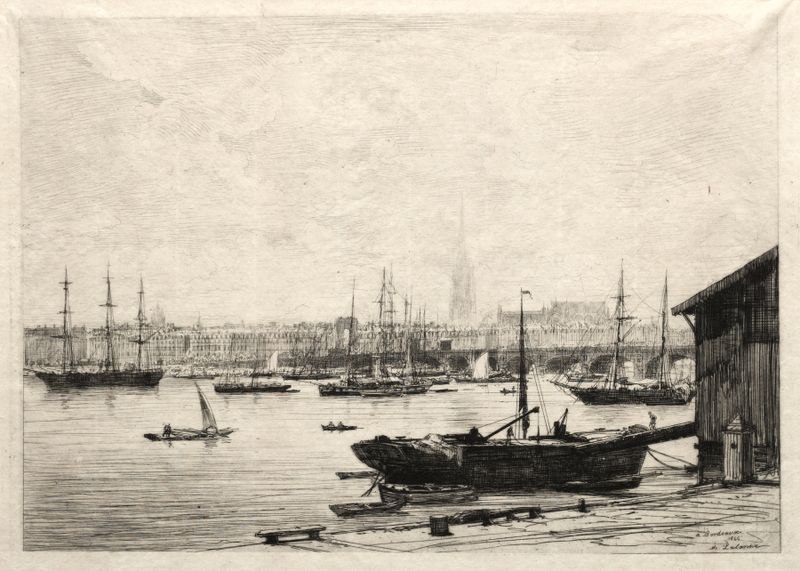
Bordeaux
Maxime Lalanne
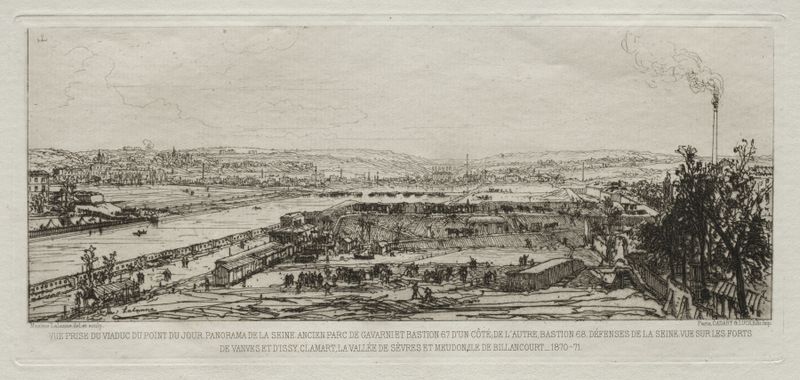
View from the Viaduct at the Pont-du-Jour, Panorama de la Seine
Maxime Lalanne
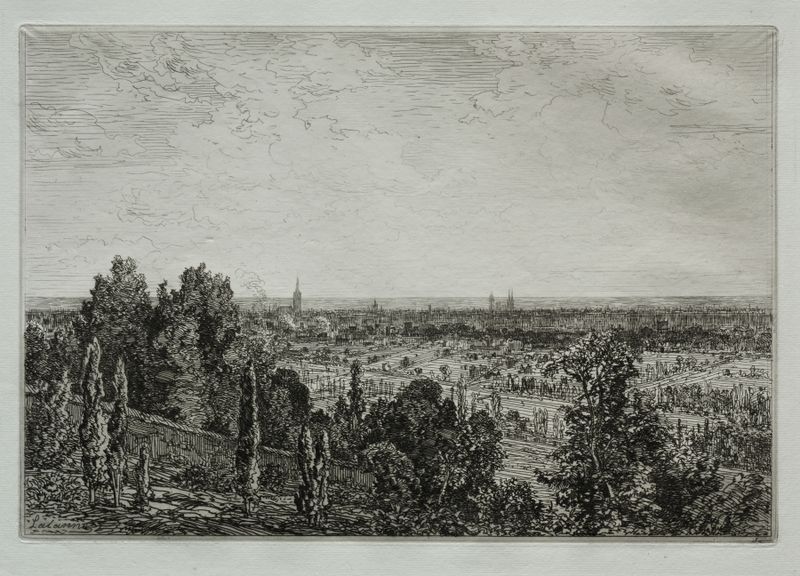
Bordeaux, View from the Coast of Cénon
Maxime Lalanne