
The Glebe Farm — History & Facts
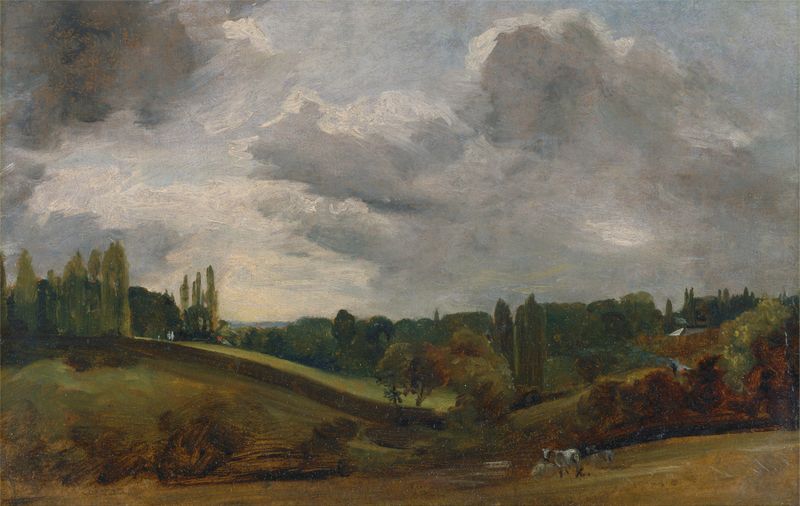
What if silence could speak through light? In The Glebe Farm, a serene landscape unfolds, inviting viewers to experience the quiet ecstasy of nature's embrace. Look to the left at the gentle rise of greenery, where the brushstrokes create a lush tapestry of foliage, each leaf whispering a story of life. Notice how the warm sunlight bathes the farmhouse in a golden glow, illuminating the rustic architecture and drawing your eye into its tranquil embrace. The sky, painted with soft blues and whites, offers a delicate contrast to the earthy tones below, while wisps of cloud seem to float lazily, embodying the calm of a late afternoon. The emotional tension in this work lies in the juxtaposition of human presence and nature's timeless beauty.
The farmhouse stands as a testament to human endeavor, yet it feels both grounded and ephemeral against the sweeping landscape. The subtle interplay of light and shadow across the field evokes a sense of fleeting moments—each ray illuminating the scene feels imbued with the vitality of life itself, whispering of joys and sorrows intertwined. In 1827, John Constable was living in Suffolk, England, a region rich in natural beauty that inspired much of his work. This period marked a culmination of his exploration of landscape painting, amidst a growing appreciation for romanticism in the arts.
His focus on capturing the essence of rural life and the atmospheric effects of light defined his artistic voice, establishing him as a pivotal figure in the evolution of English landscape art.
More Artworks by John Constable
Browse all →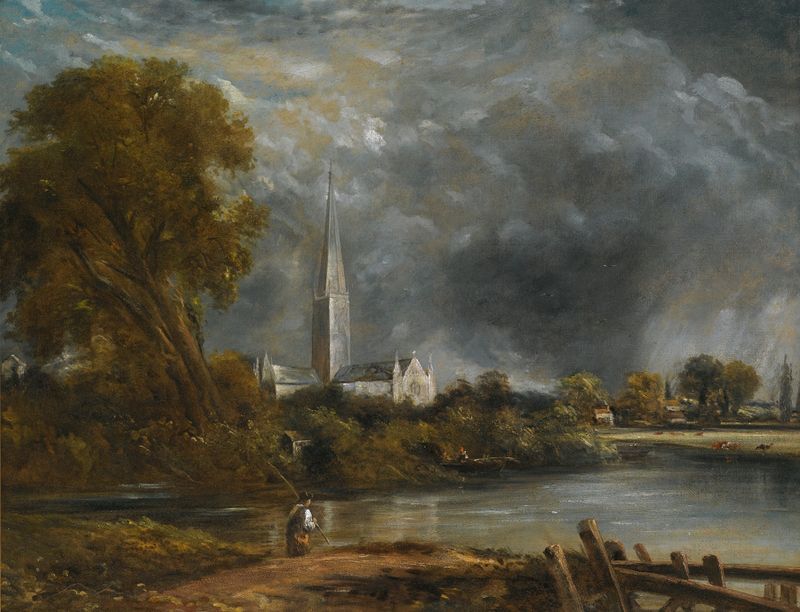
Salisbury Cathedral From The Meadows
John Constable
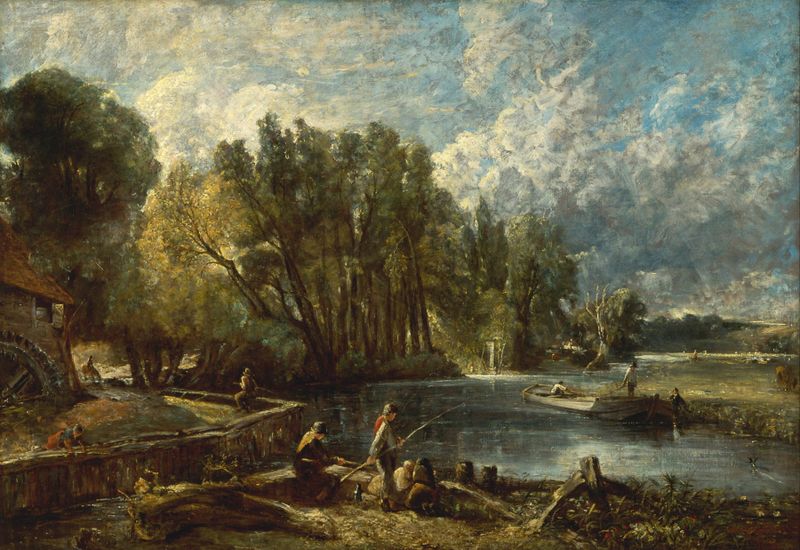
Stratford Mill
John Constable
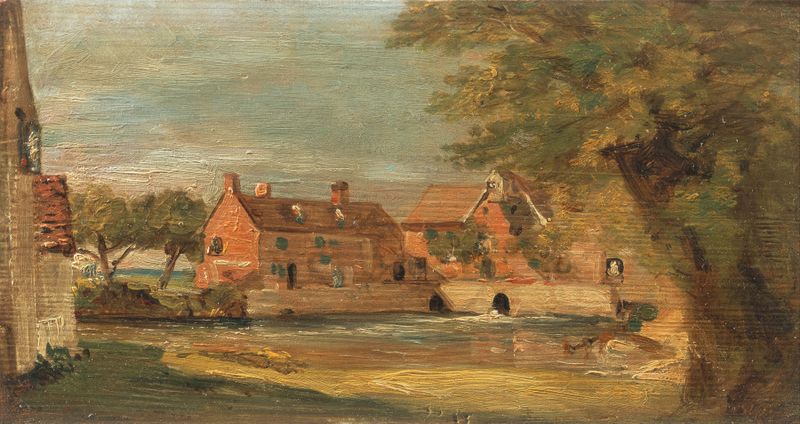
Flatford Mill
John Constable
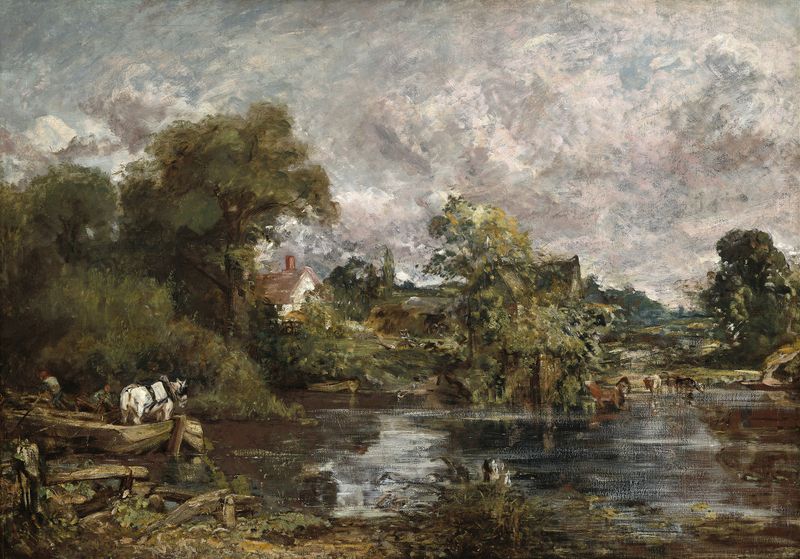
The White Horse
John Constable
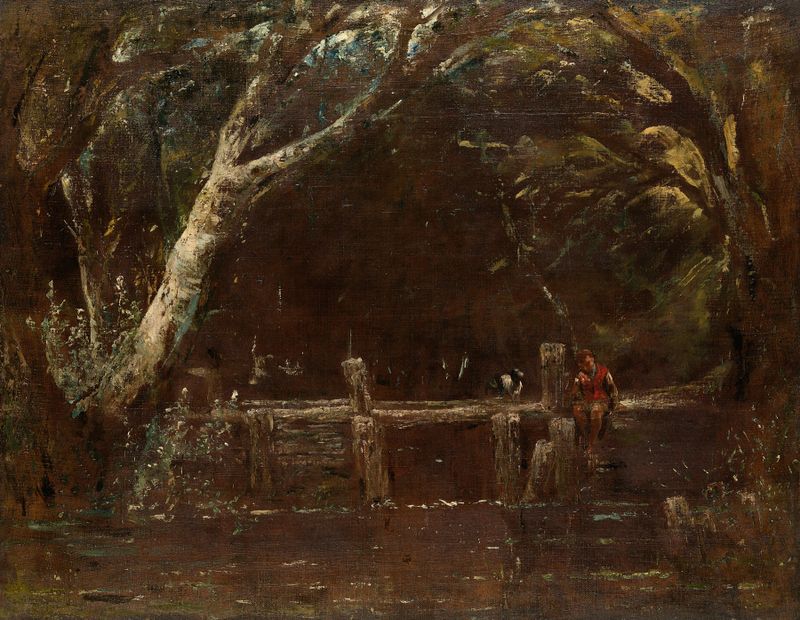
Landscape (The Lock)
John Constable
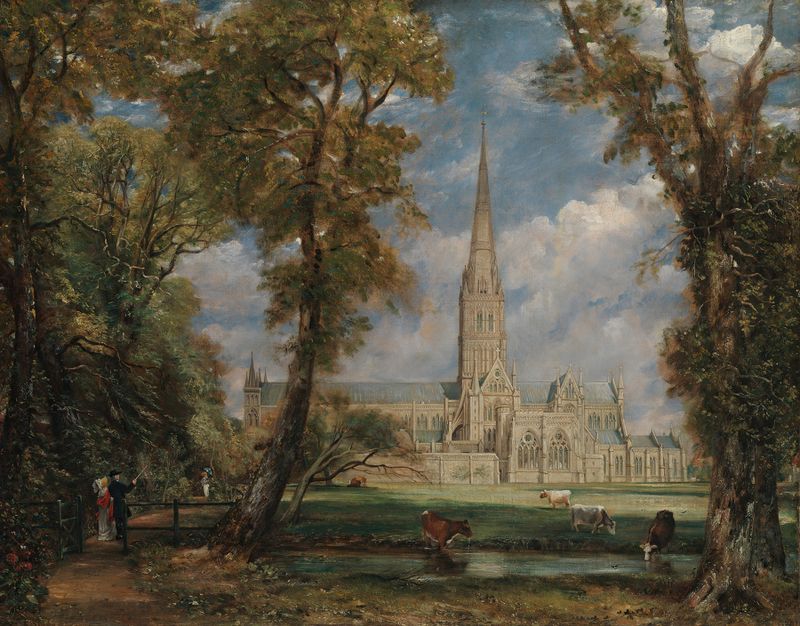
Salisbury Cathedral from the Bishop’s Grounds
John Constable
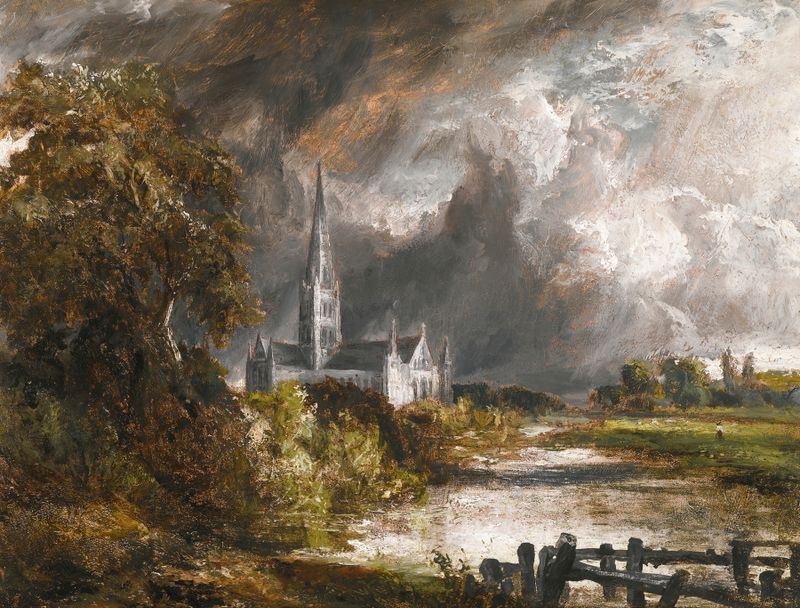
Salisbury Cathedral From The Meadows
John Constable
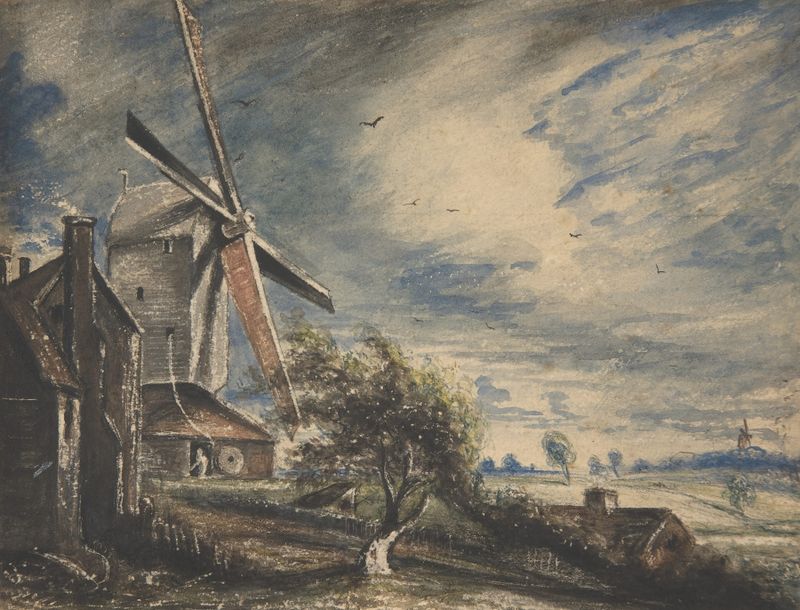
A Mill Near Colchester
John Constable
East Bergholt
John Constable

Flatford Mill
John Constable





