
The Grand Canal, Venice — History & Facts
In the midst of the ever-shifting tides of memory, the illusion of the past beckons with whispers of lost moments. Focus first on the left side of the canvas, where the grand facade of a Venetian palace rises majestically above the shimmering waters of the canal. The delicate interplay of light and shadow dances across the surface, capturing the ephemeral quality of the moment. Notice how the warm golden hues of the sun’s reflection play off the cool blues and greens of the water, creating a harmonious balance that invites the viewer into a fleeting dream of Venice. Hidden within the grandeur lies a deeper narrative.
The gentle ripples suggest the passage of time, hinting at both the beauty and fragility of existence. In the distance, small boats glide silently, representing the many lives intertwined with this iconic landscape, each journey marked by its own story. The illusion of tranquility contrasts sharply with the underlying reality of Venice's struggles against time and nature. In 1903, while creating this piece, the artist found himself immersed in the vibrant world of American Impressionism, which sought to capture the fleeting effects of light and atmosphere.
Moran, already acclaimed for his landscapes, was in Venice, a city steeped in art history and romance. This period marked a time when artists were increasingly drawn to the interplay of nature and architecture, embracing a new vision that would ultimately shape the trajectory of modern art.
More Artworks by Thomas Moran
Browse all →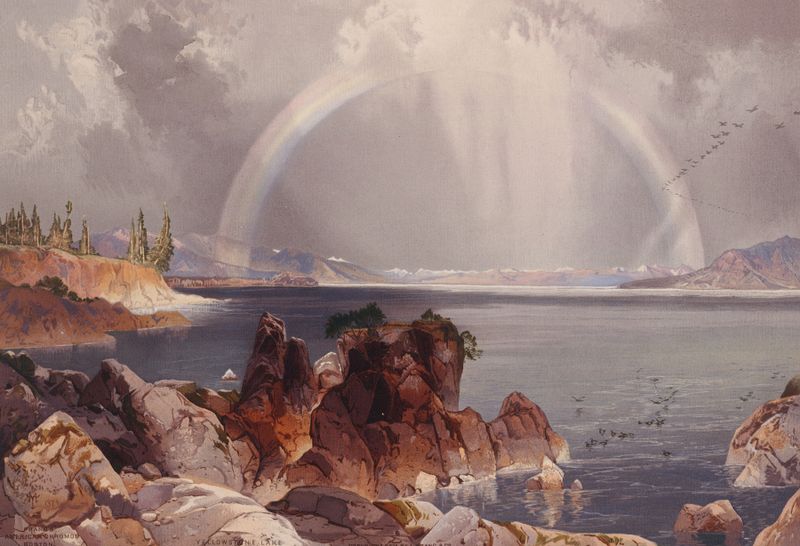
Yellowstone Lake
Thomas Moran

Grand Canyon of the Colorado River
Thomas Moran

Grand Canyon, Colorado River
Thomas Moran

The Towers of Tower Falls, Yellowstone
Thomas Moran
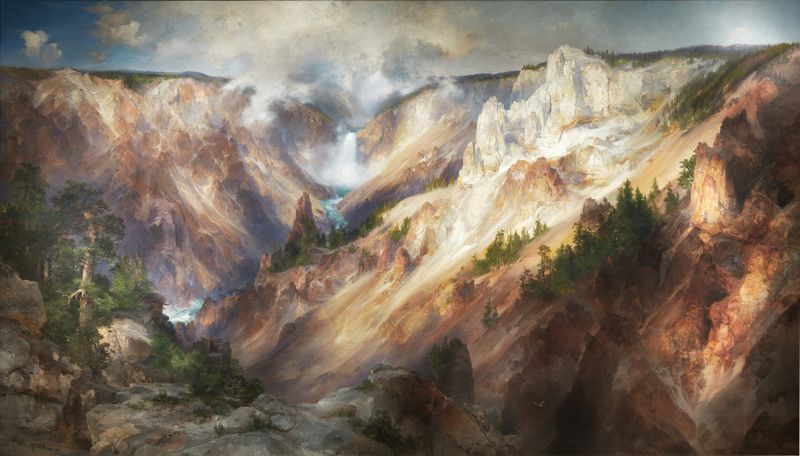
The Grand Canyon Of The Yellowstone
Thomas Moran

Mountain of the Holy Cross
Thomas Moran

Cliffs Of The Upper Colorado River, Wyoming Territory
Thomas Moran
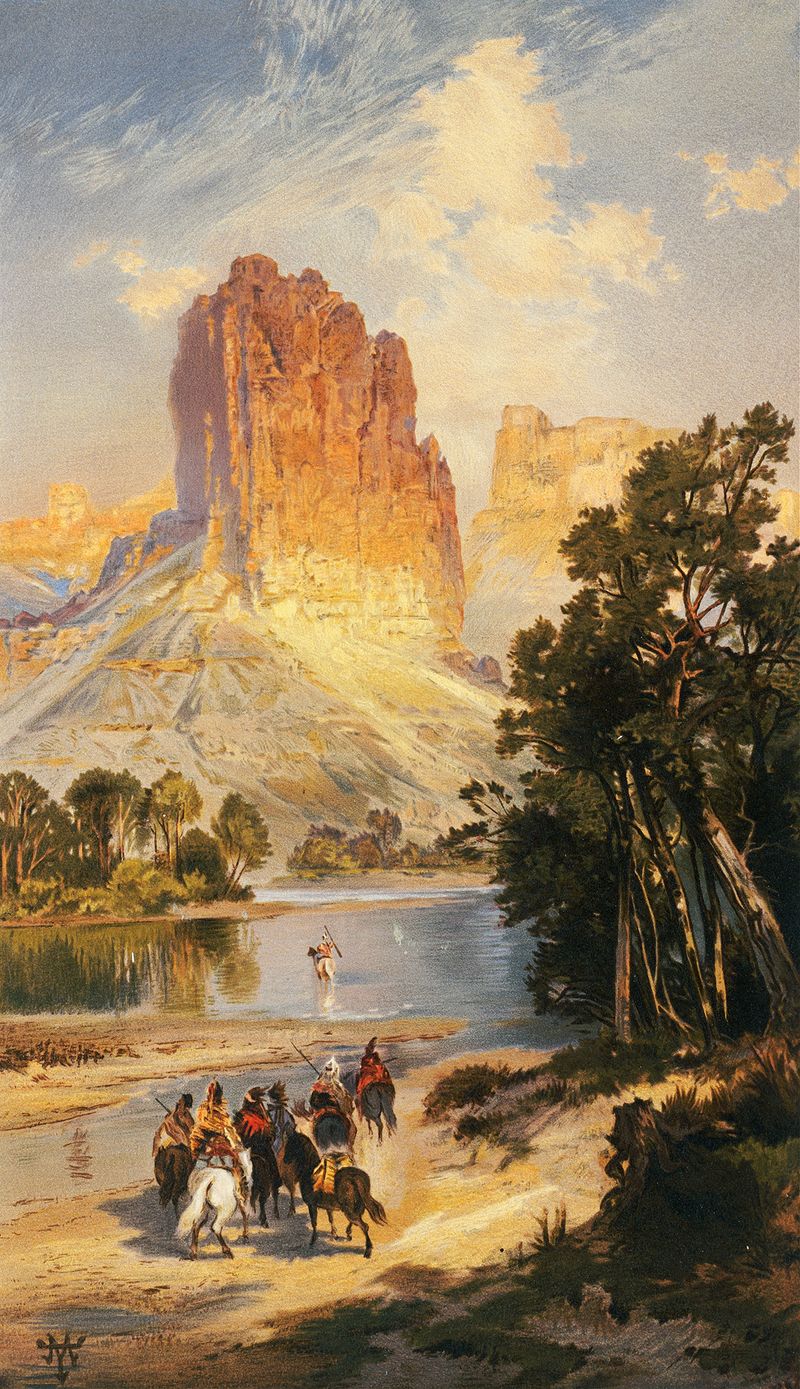
Cliffs of the Upper Colorado River, Wyoming Territory
Thomas Moran

Mammoth Hot Springs, Yellowstone
Thomas Moran
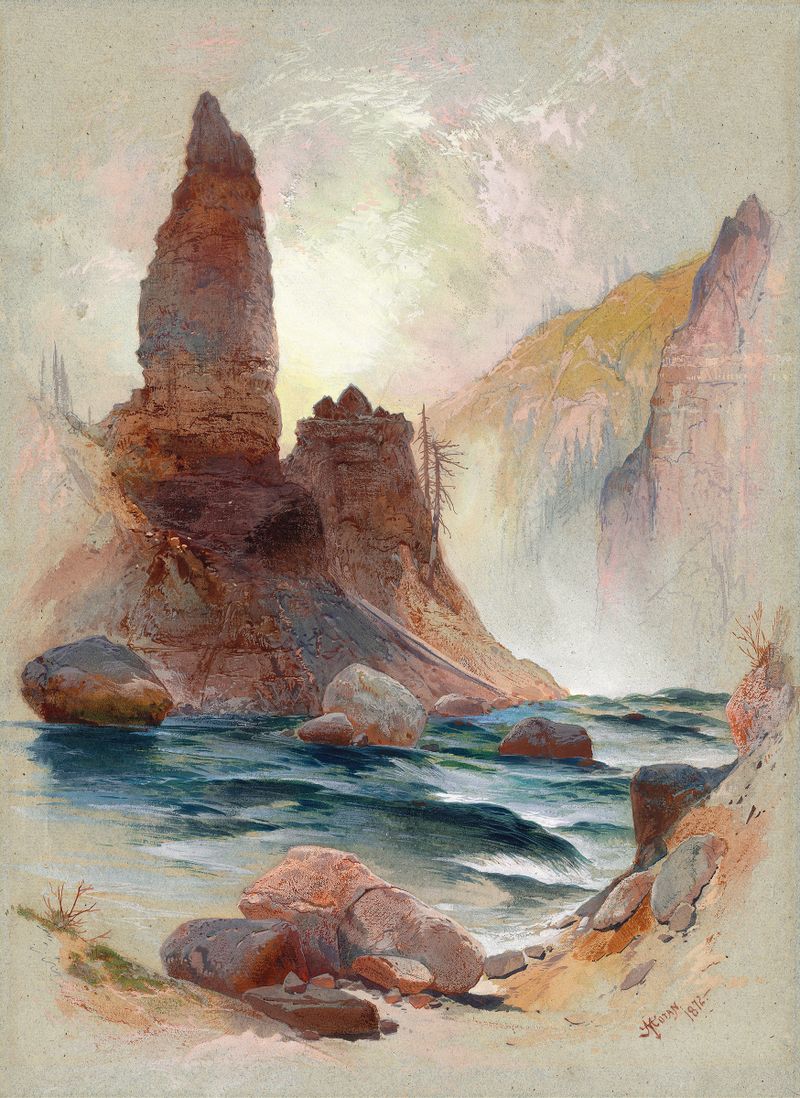
Tower at Tower Falls, Yellowstone
Thomas Moran





