
The Great Blue Spring of the Lower Geyser Basin, Yellowstone — History & Facts
In the midst of chaos, a stillness emerges, beckoning us to reflect on nature’s unsung beauty. Look to the center of the canvas where the vibrant cobalt blue water swirls in mesmerizing patterns, shimmering under a golden sun. The painter's brush strokes capture the interplay of light and color, drawing the eye into the depths of the spring. Notice how the surrounding earthy tones and wisps of steam contrast sharply with the vivid blue, creating a harmonious balance that invites contemplation. Beneath this tranquil surface lies a tension—an unspoken dialogue between the serene beauty and the chaotic forces of geothermal activity.
The swirling colors hint at the hidden tumult beneath, suggesting that the sublime exists alongside volatility. Each layer of paint represents not just a natural wonder, but also the struggles and resilience of life itself, echoing the delicate balance of nature's fury and grace. In 1875, the artist created this masterpiece while exploring the American wilderness, a time marked by the nation's growing fascination with its natural landscapes. As he painted in Yellowstone, the world was embracing the romanticism of nature, while Moran sought to capture its essence and convey a deeper understanding of its chaotic yet magnificent beauty.
More Artworks by Thomas Moran
Browse all →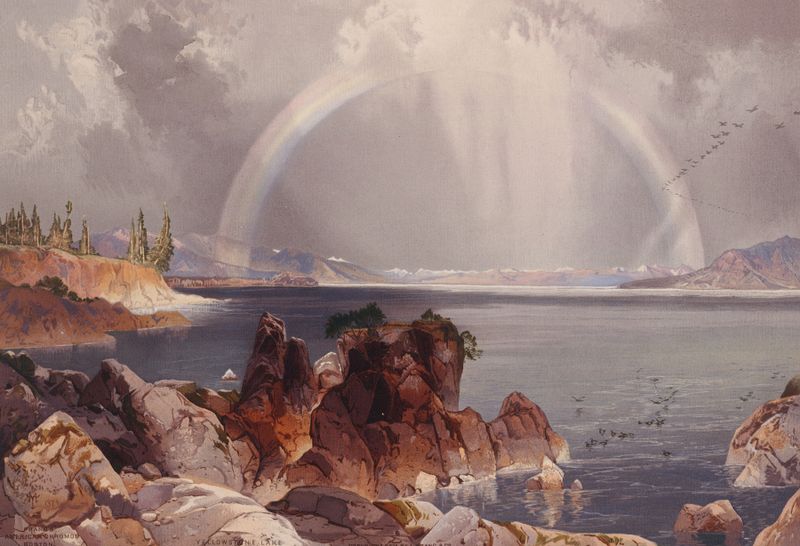
Yellowstone Lake
Thomas Moran

Grand Canyon of the Colorado River
Thomas Moran

Grand Canyon, Colorado River
Thomas Moran

The Towers of Tower Falls, Yellowstone
Thomas Moran
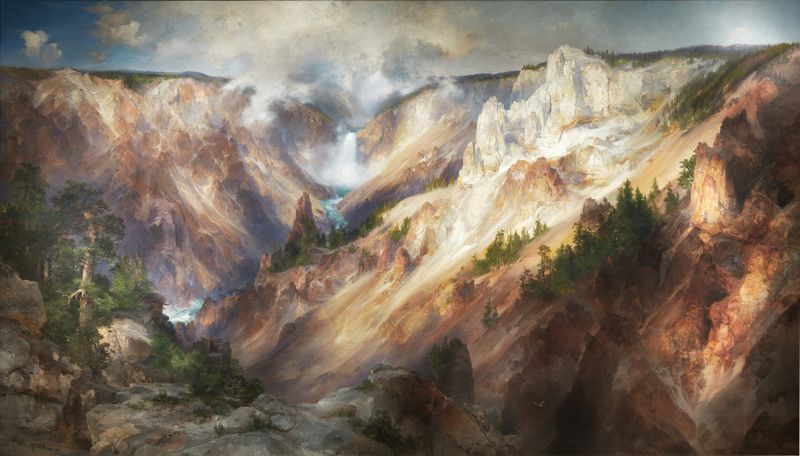
The Grand Canyon Of The Yellowstone
Thomas Moran

Mountain of the Holy Cross
Thomas Moran

Cliffs Of The Upper Colorado River, Wyoming Territory
Thomas Moran
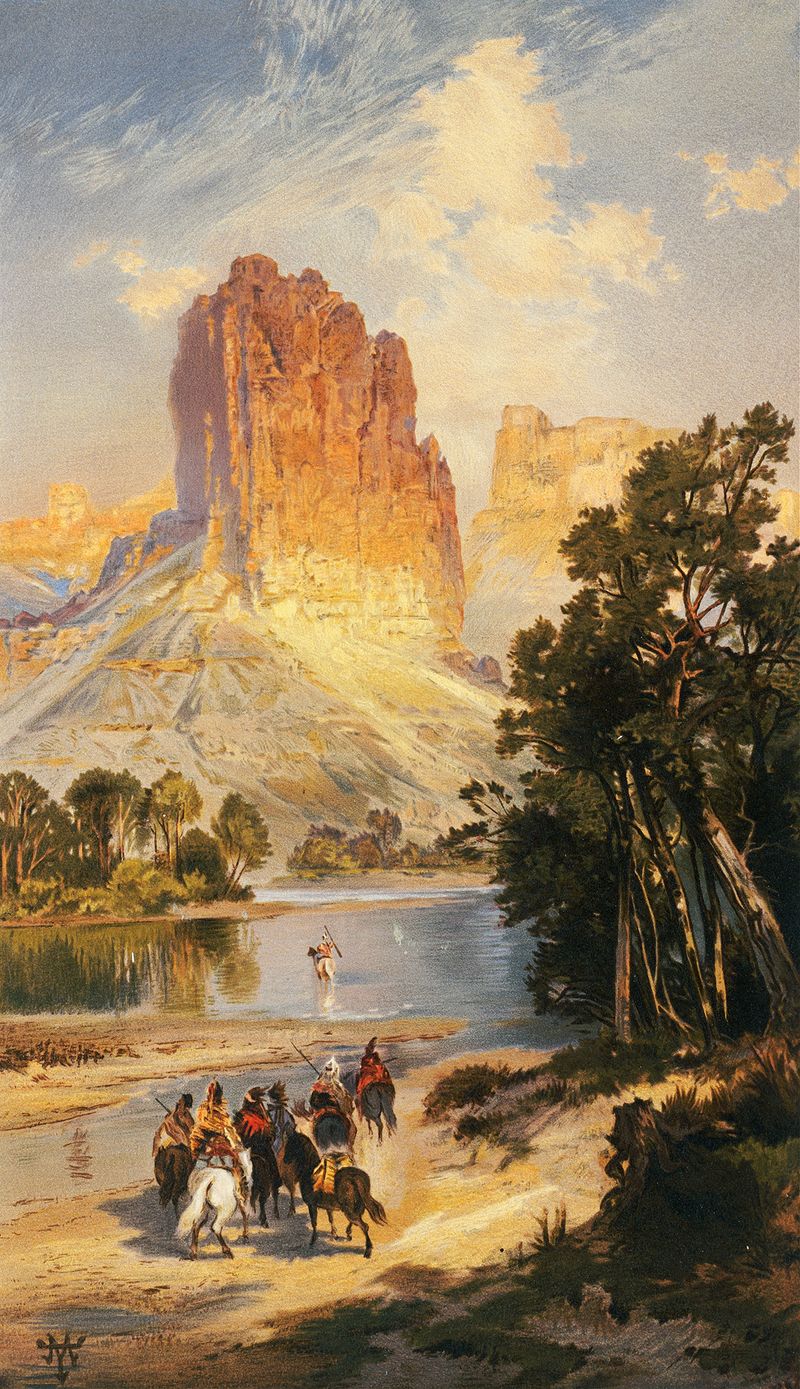
Cliffs of the Upper Colorado River, Wyoming Territory
Thomas Moran

Mammoth Hot Springs, Yellowstone
Thomas Moran
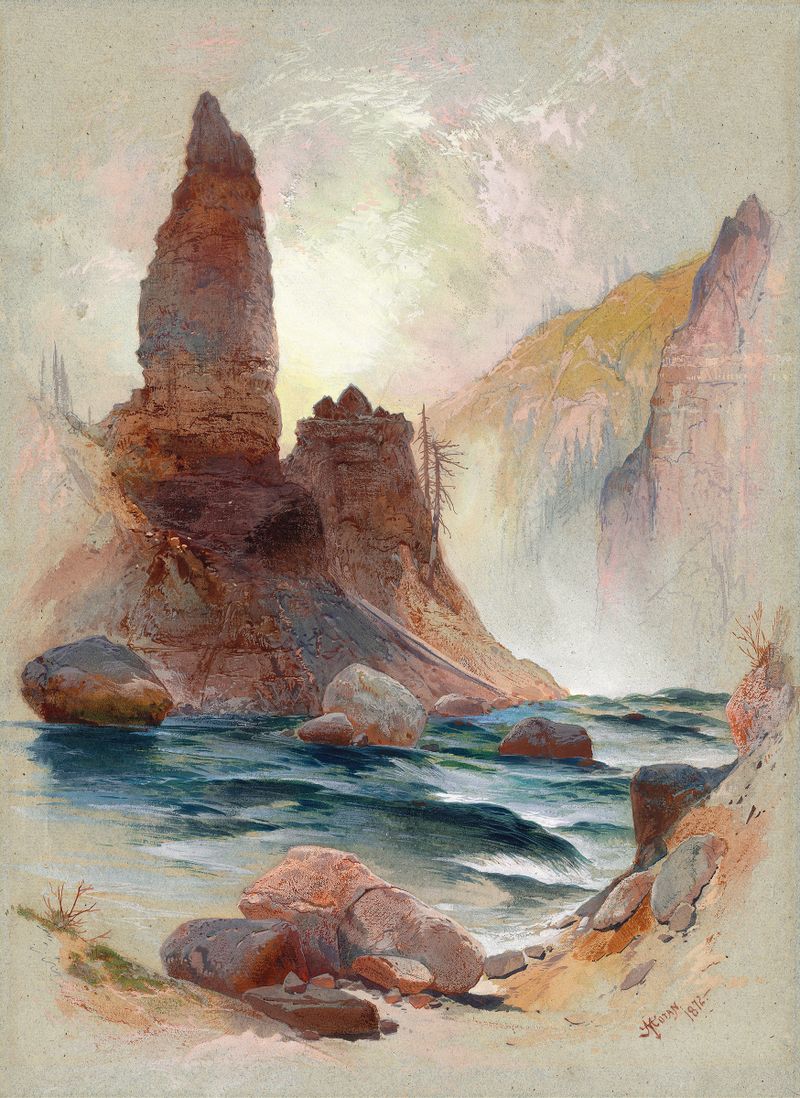
Tower at Tower Falls, Yellowstone
Thomas Moran





