
The Great Salt Lake of Utah — History & Facts
When did color learn to lie? The vibrant hues of blue and gold in this landscape provoke both allure and anxiety, drawing us into a world where nature’s beauty conceals deeper truths. Look to the horizon, where the cerulean lake meets a chaos of warm, sunlit mountains, their peaks crowned with soft clouds that hint at an approaching storm. The artist’s brushwork, a blend of fluid strokes and sharp details, captures the shimmering surface of the water, suggesting both serenity and the underlying tumult of nature. The juxtaposition of vivid colors against the desolate land invites contemplation about the ecological fragility of this breathtaking scene. Beneath the stunning facade lies a tension between the expansive beauty and the isolation it evokes.
The lake reflects a sky that can shift from tranquility to turbulence in an instant, mirroring humanity’s own struggles with fear and vulnerability. This duality speaks to the era’s growing awareness of nature’s power and the impending threats posed to it by man’s ambitions. In 1875, the artist painted this piece while traveling through the American West, a time when exploration and the discovery of natural wonders captivated the public imagination. Amidst growing national interest in the West, Moran was influenced by the burgeoning movement of landscape painting, capturing the essence of a landscape that was both alluring and precarious—a reflection of the changing world around him.
More Artworks by Thomas Moran
Browse all →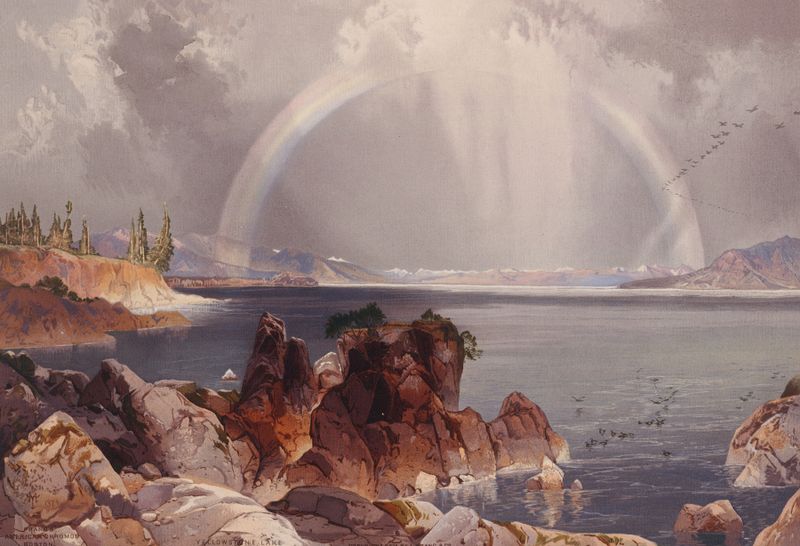
Yellowstone Lake
Thomas Moran

Grand Canyon of the Colorado River
Thomas Moran

Grand Canyon, Colorado River
Thomas Moran

The Towers of Tower Falls, Yellowstone
Thomas Moran
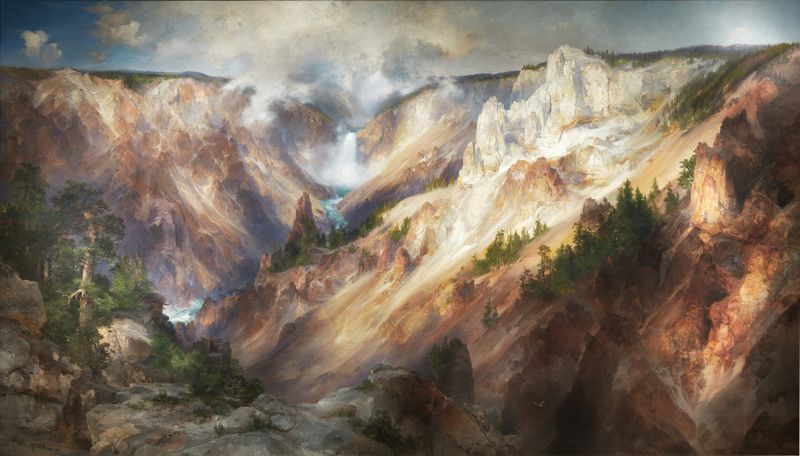
The Grand Canyon Of The Yellowstone
Thomas Moran

Mountain of the Holy Cross
Thomas Moran

Cliffs Of The Upper Colorado River, Wyoming Territory
Thomas Moran
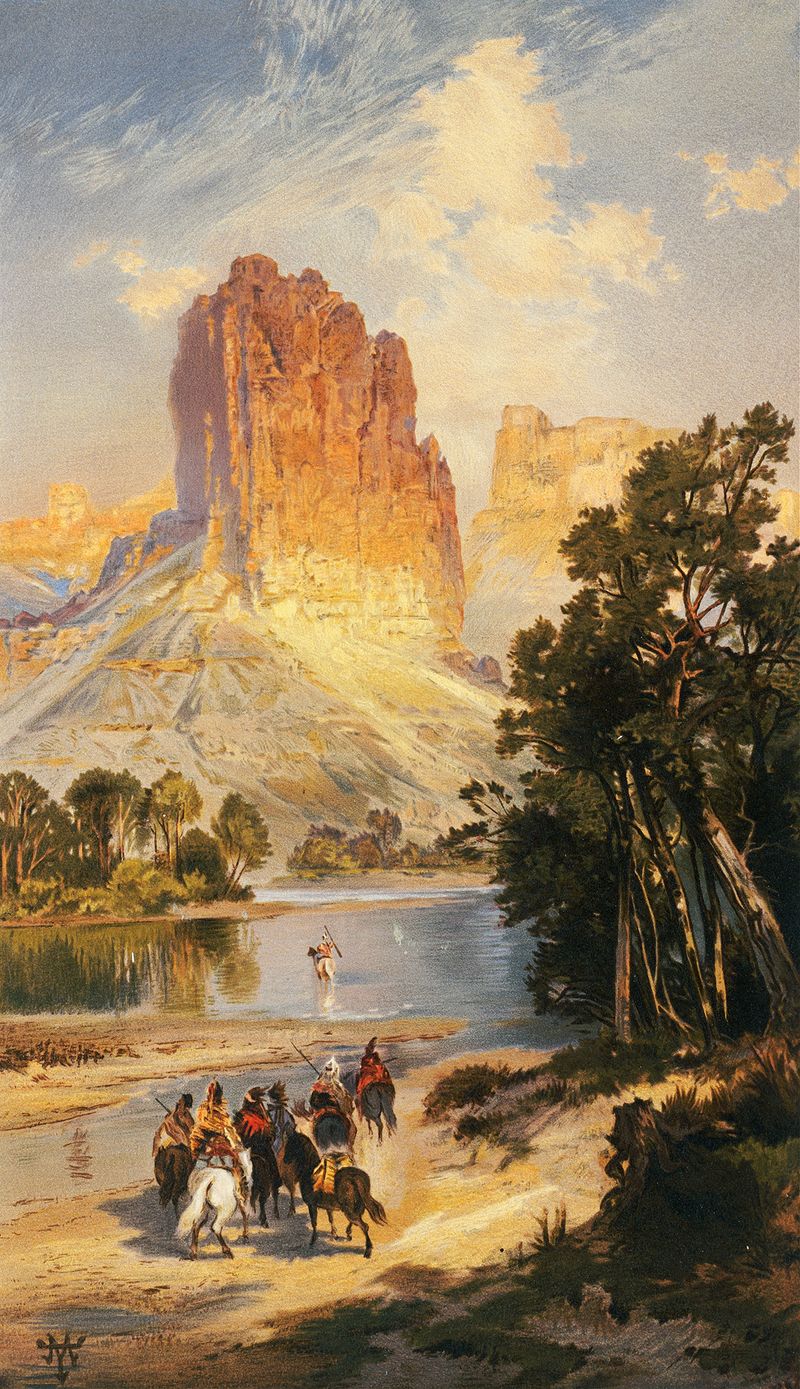
Cliffs of the Upper Colorado River, Wyoming Territory
Thomas Moran

Mammoth Hot Springs, Yellowstone
Thomas Moran
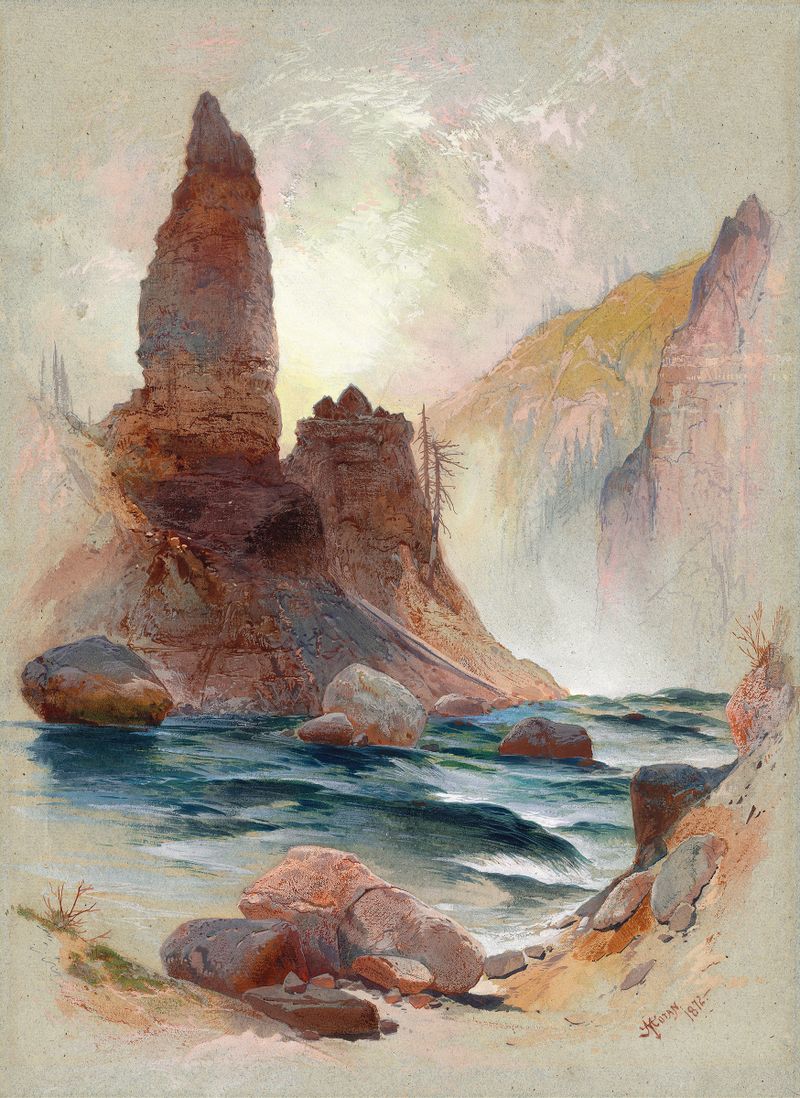
Tower at Tower Falls, Yellowstone
Thomas Moran





