The Green Wave — History & Facts
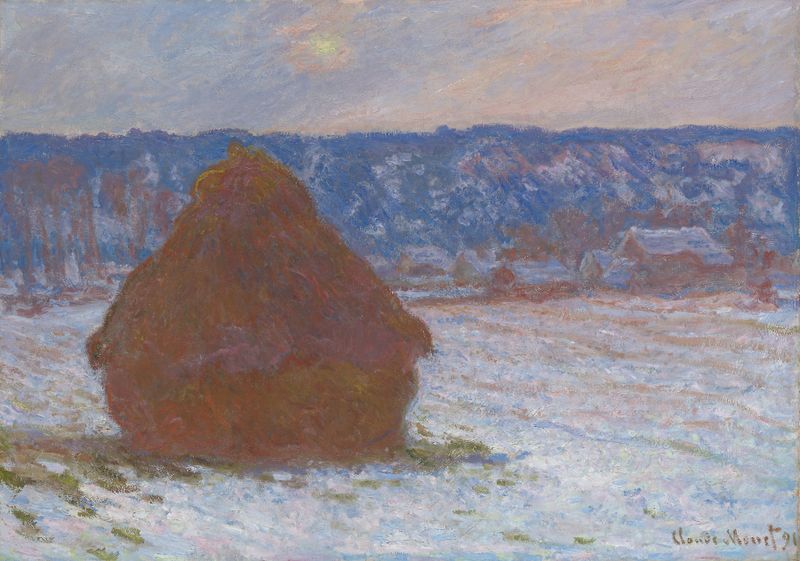
In a world rushing toward change, the stillness of memory can feel like a haunting emptiness. Begin your journey through the canvas by directing your gaze to the vibrant greens that form undulating waves across the surface. To the left, the brushstrokes swirl with soft, lively strokes, evoking a sense of movement and life, while the fluidity of pigment sees the horizon blending subtly into the sky. Notice how light dances across the water, capturing the essence of a fleeting moment, transforming the ordinary into an extraordinary tapestry of color. Amidst the lush greens, a tension emerges between tranquility and the weight of solitude.
The absence of figures invites introspection, leading the viewer to consider the isolation that often accompanies beauty. There’s a dialogue between the vibrant landscape and the underlying sense of emptiness; as nature flourishes, a silence looms, making the viewer acutely aware of their presence in this serene yet solitary moment. Each ripple on the water’s surface echoes the pulse of nature, subtly reminding us of the conflicts between life and solitude. During the years 1866–1867, Monet created this piece in the midst of a personal struggle, grappling with his artistic identity and the broader movements in the art world.
Living in Paris, he was part of the burgeoning Impressionist movement, which challenged traditional representations of the landscape and the passage of light. This period marked an evolution in his style, pushing boundaries as he experimented with color and form, ultimately shaping the future of modern art.