
The Grossglockner — History & Facts
When did color learn to lie? In the heart of a mountain range, hues intertwine, evoking feelings that run deeper than mere representation, beckoning the viewer to see beyond the surface. Look to the foreground, where the craggy rocks rise, painted with deep browns and grays. Notice how the artist skillfully captures the play of light against the rugged terrain, creating a sense of depth and dimension. The stark contrast between the dark rock and the bright white snow that crowns the peaks draws your eye upward, mirroring the ascent of hope.
The vibrant blues of the sky envelop the scene, suggesting the boundless possibilities that lie beyond. The interplay of light and shadow reveals emotional undercurrents—solitude collides with the grandeur of nature, embodying both serenity and the tumult of life’s challenges. There’s a tension between the jagged edges of the mountains and the soft serenity above, articulating the idea that even in harsh environments, hope can flourish. Each brushstroke echoes the resilience of the human spirit, elevating the landscape into a space that resonates with longing and aspiration. Created during the late 19th century, this piece reflects Edward Theodore Compton’s dedication to capturing the majesty of the Alps while exploring the relationship between man and nature.
Working amidst the rising popularity of landscape painting, he sought to transport viewers to these breathtaking vistas. The era was marked by a growing appreciation for realism in art, as Compton embodied this trend through his meticulous attention to detail and vibrant color palette.
More Artworks by Edward Theodore Compton
Browse all →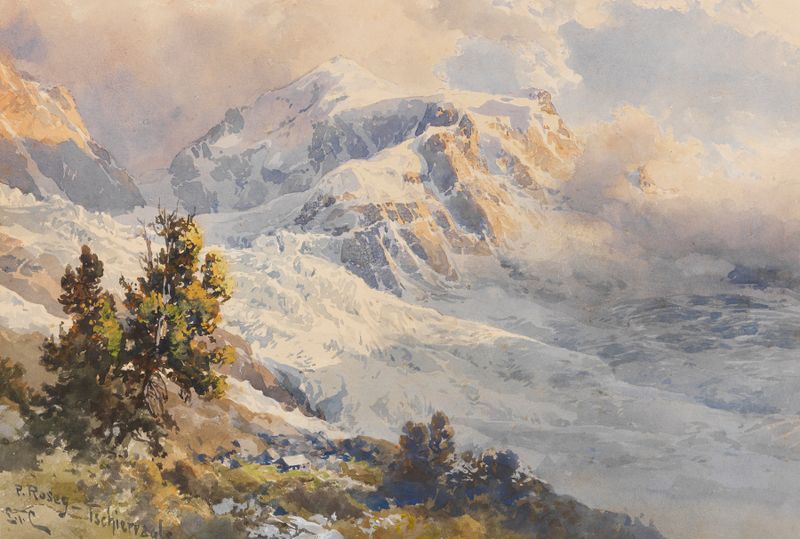
Piz Roseg – Tschiervagletscher
Edward Theodore Compton
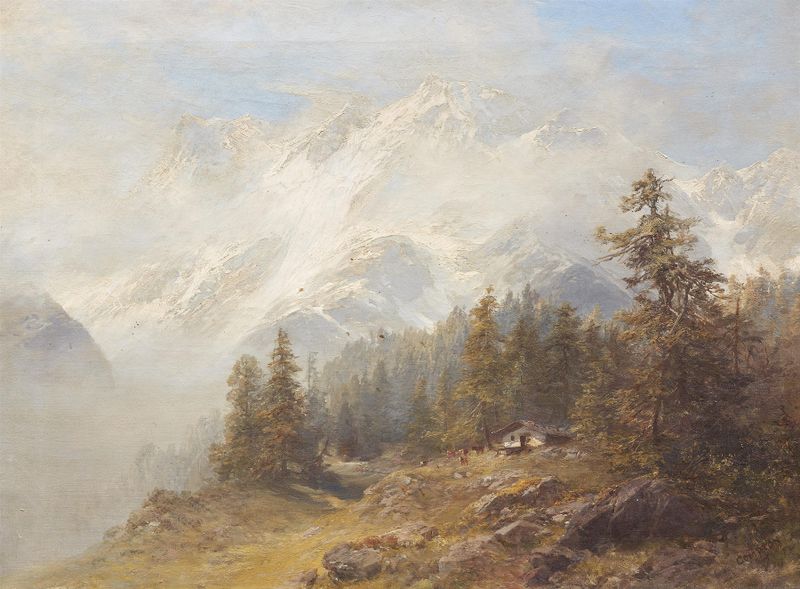
Alpenlandschaft vor schneebedecktem Massiv
Edward Theodore Compton
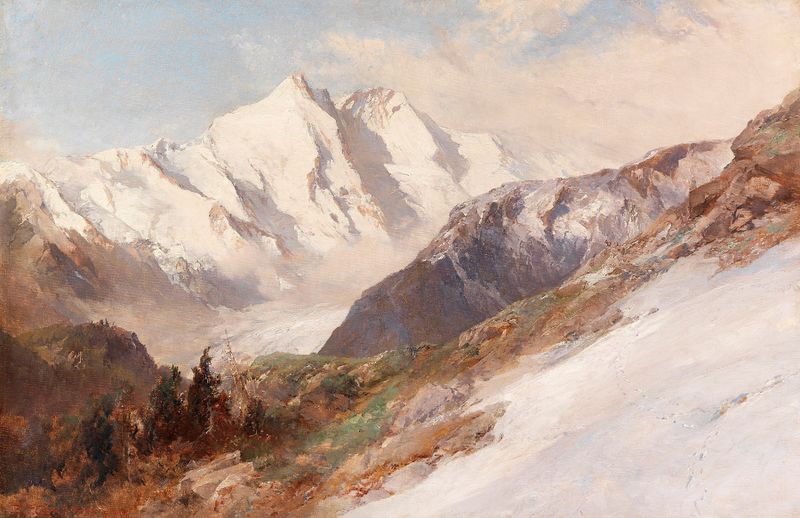
Blick auf die Nordseite des Großglockners
Edward Theodore Compton
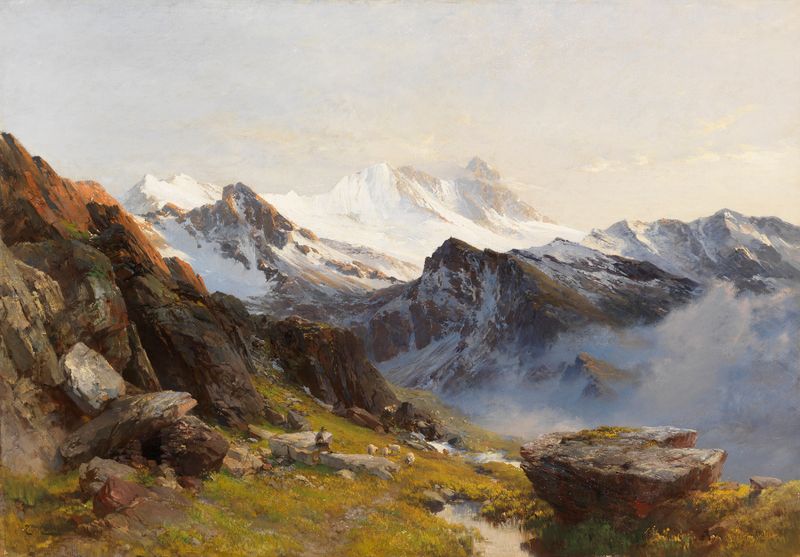
Großglockner von der Prager Hütte aus, früh
Edward Theodore Compton
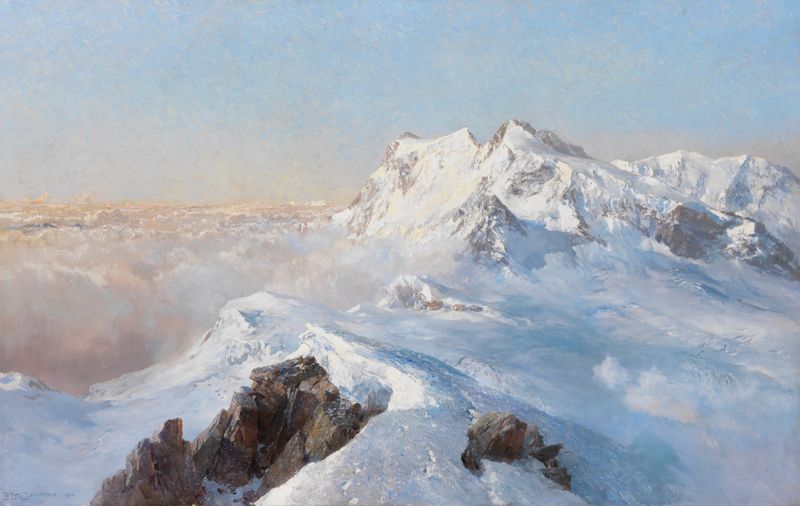
Über dem Nebelmeer (Monte Rosa vom Rimpfischhorn)
Edward Theodore Compton
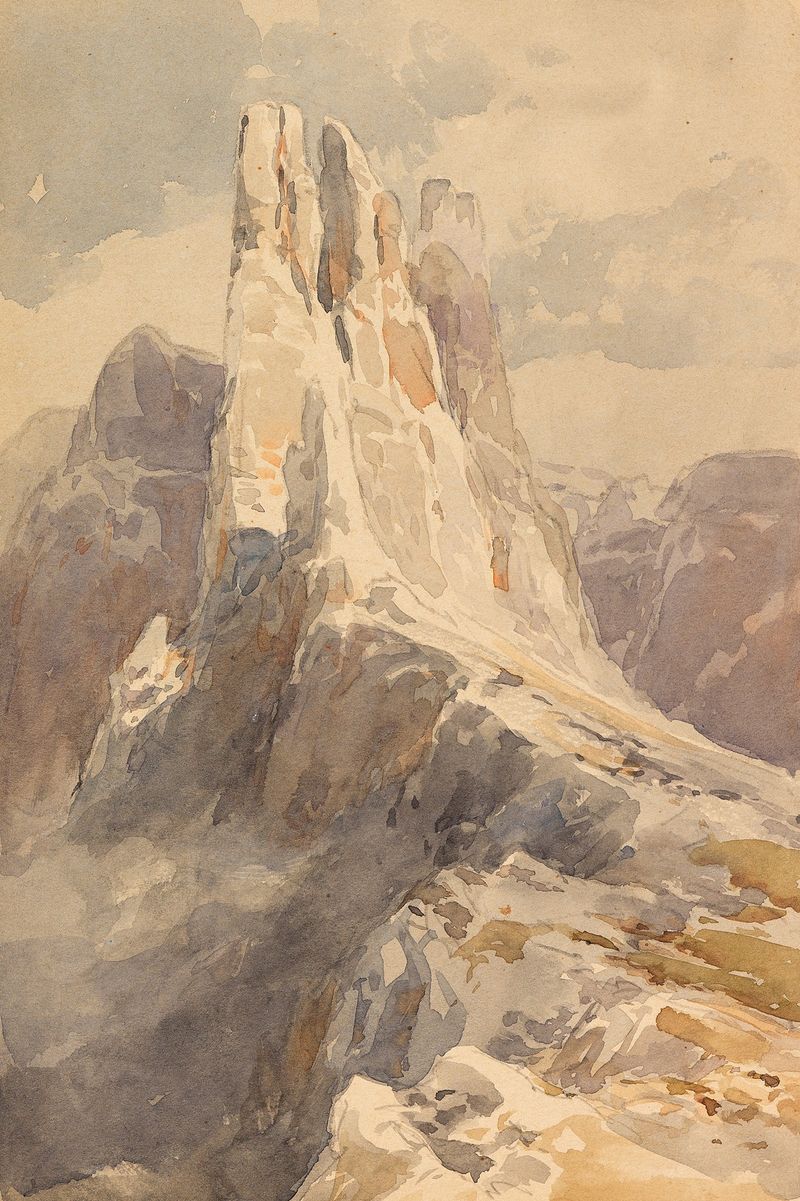
Blick auf die Vajolet-Türme in den Dolomiten
Edward Theodore Compton
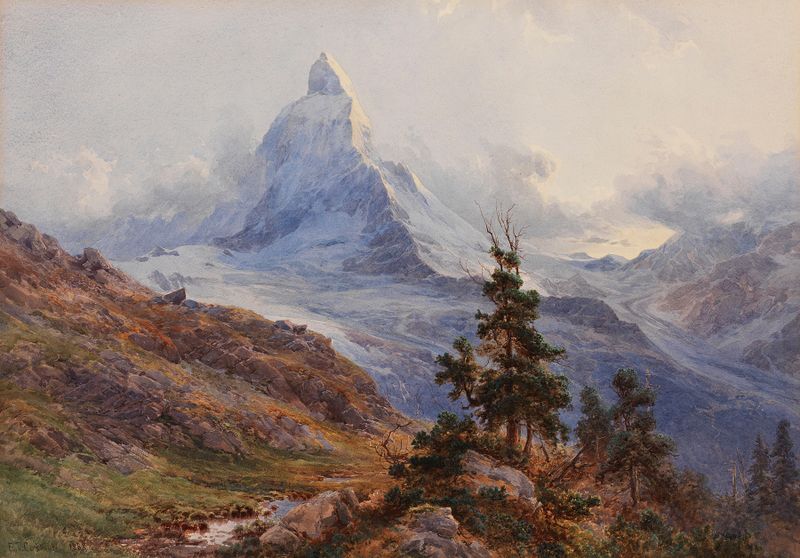
View of the Matterhorn
Edward Theodore Compton
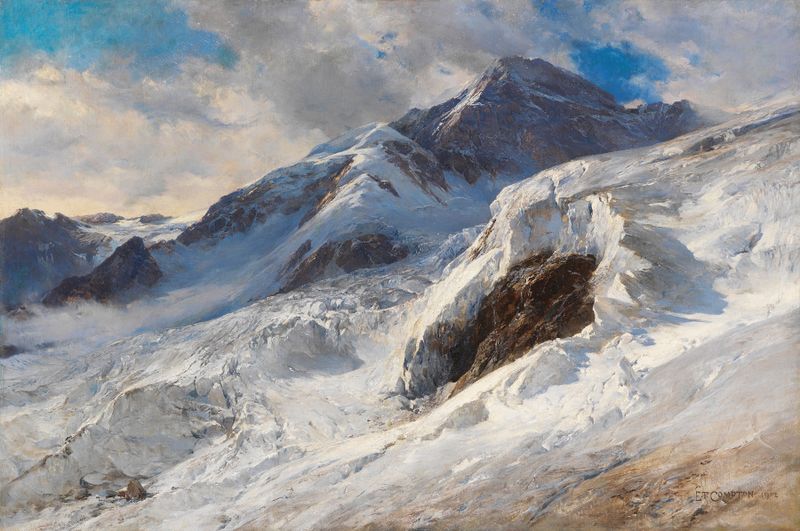
Lyskamm (Monte-Rosa)
Edward Theodore Compton
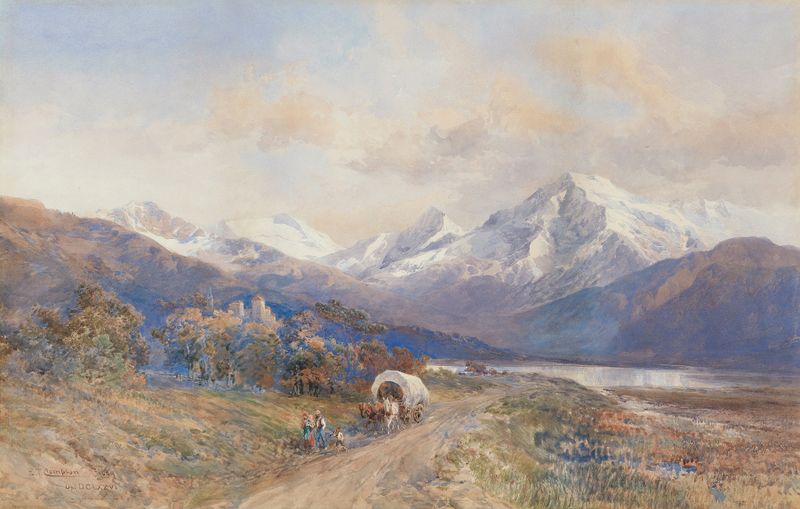
Blick auf den Ortler von St. Valentin
Edward Theodore Compton
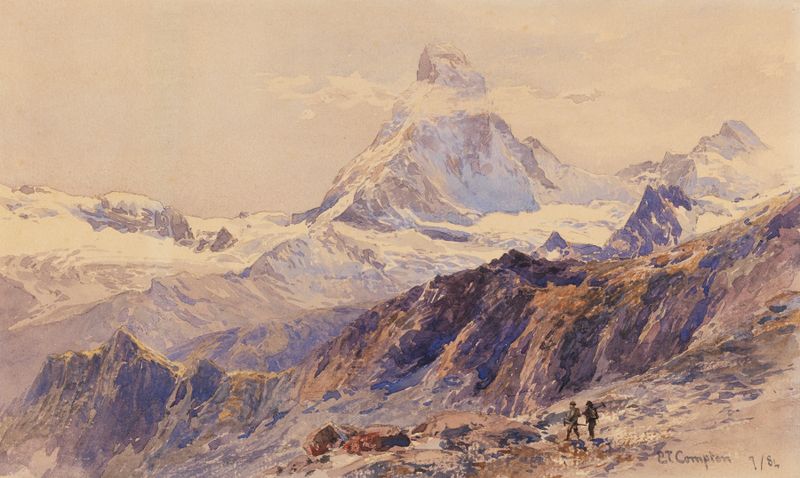
Das Matterhorn von der Triftkumme
Edward Theodore Compton





