
The Harbour of Naples and Vesuvius — History & Facts
What secret hides in the quiet of the canvas? The stillness of The Harbour of Naples and Vesuvius invites us to explore the delicate balance between nature's beauty and its latent power. Look to the foreground, where the vibrant azure of the sea gently contrasts with the warm, earthy tones of the boats bobbing in the harbor. Your eyes are drawn to the steep slopes of Vesuvius, rising majestically in the background, its rugged silhouette softened by a shroud of wispy clouds. Notice how the light dances across the water’s surface, reflecting the hues of sunset, which imbues the scene with both tranquility and an unsettling anticipation, hinting at the volcano's unpredictable temperament. Yet, beneath this serene façade lies a deeper narrative of transformation.
The bustling harbor represents the vibrancy of life, a stark juxtaposition to the ominous presence of Vesuvius, a reminder of nature's duality: creation and destruction. The harmony of boats and distant mountains suggests a fragile equilibrium, revealing that beauty often coexists with peril. This tension evokes questions about humanity’s relationship with nature, offering a poignant reflection on our vulnerability in the face of its overwhelming greatness. Arthur Blaschnik painted this work in 1858 during a period of heightened interest in depicting natural landscapes, particularly in Italy.
Living in the midst of the Romantic movement, he sought to capture the sublime beauty of his surroundings, embracing both the picturesque and the terrifying. The era was marked by a fascination with the interplay of light and atmospheric conditions, ideas Blaschnik deftly wields to convey an emotional resonance that continues to captivate viewers today.
More Artworks by Arthur Blaschnik
Browse all →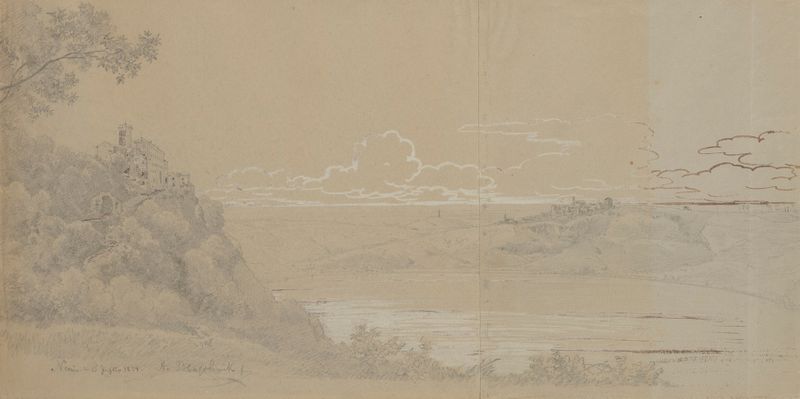
Palazzo Ruspoli by Lake Nemi, in the Distance the Town of Genzano di Roma
Arthur Blaschnik
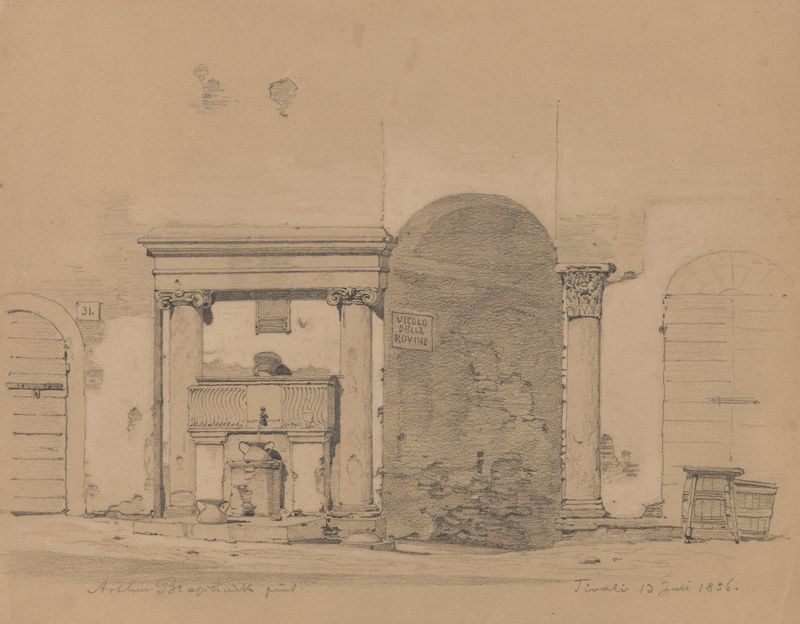
Gate Leading to Vicoli dei Grana near Piazza Palatina in Tivoli
Arthur Blaschnik
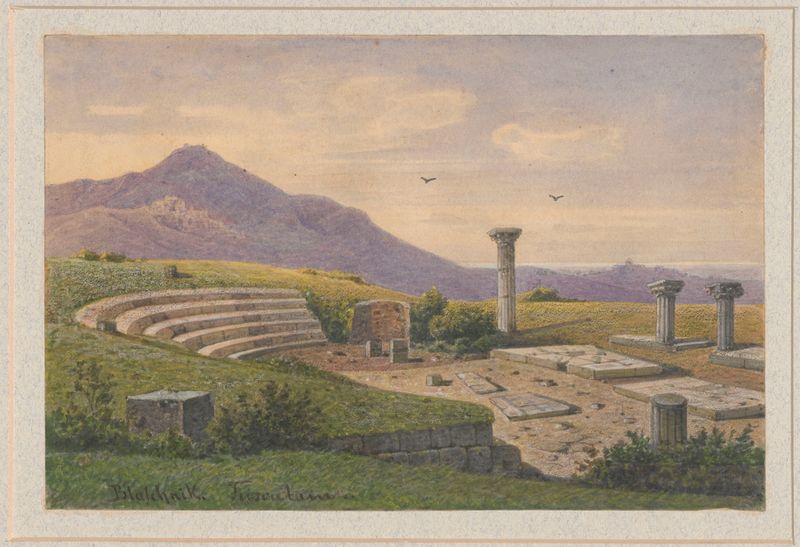
Amphitheatre in Tusculum
Arthur Blaschnik
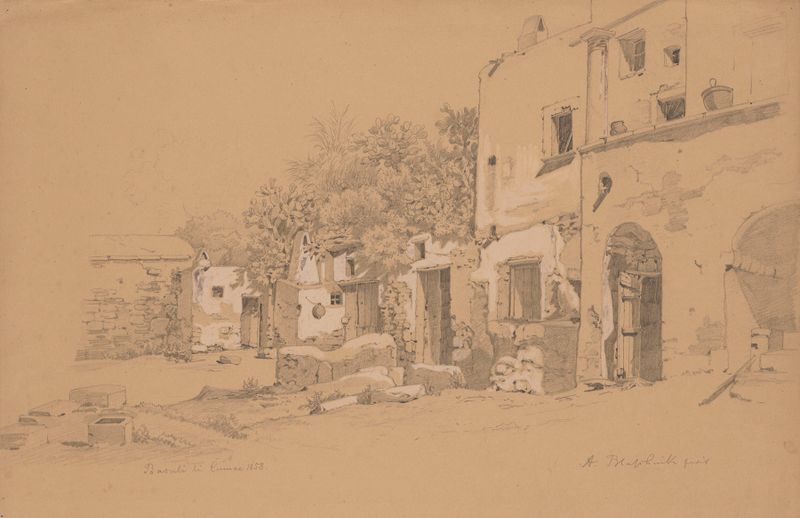
House and Outbuildings in Bacoli
Arthur Blaschnik
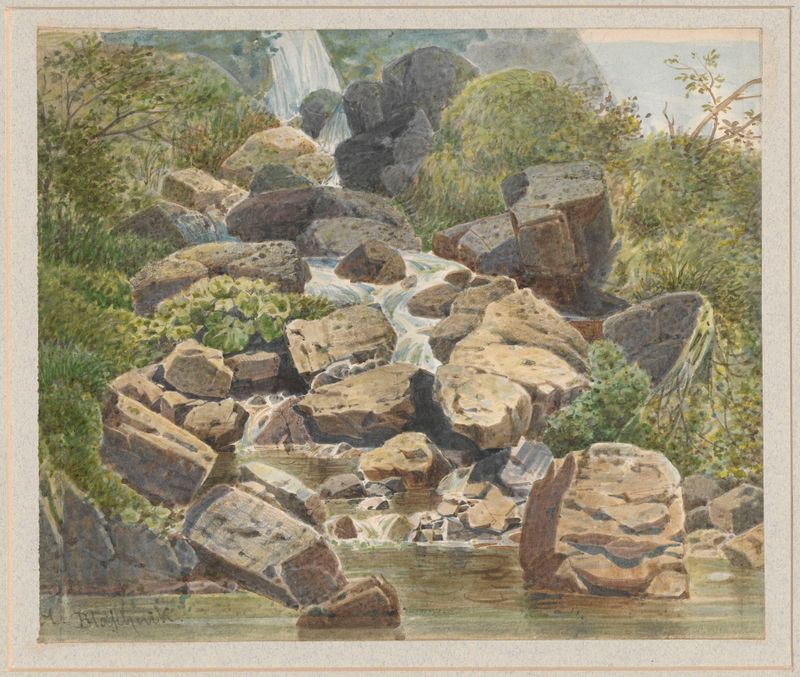
View of a small waterfall near Covigliaio, Tuscany
Arthur Blaschnik
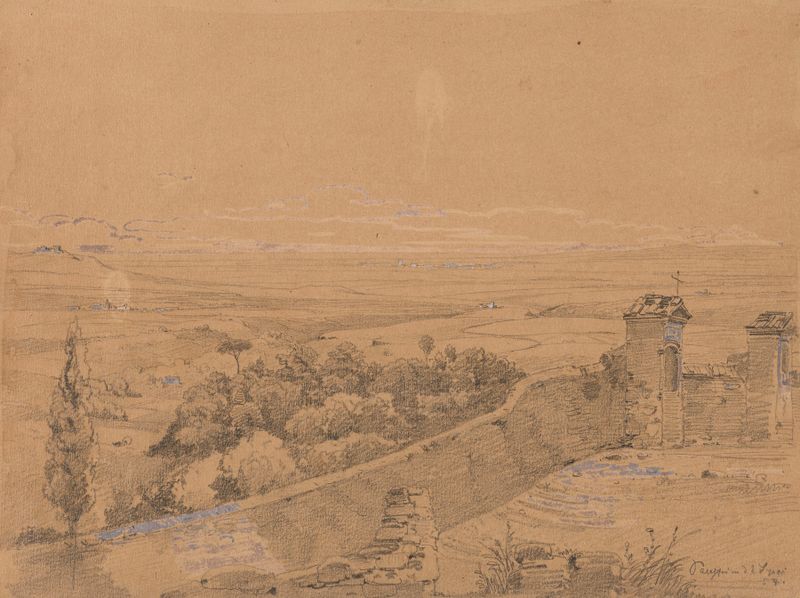
Landscape from the Vicinity of Palestrina
Arthur Blaschnik
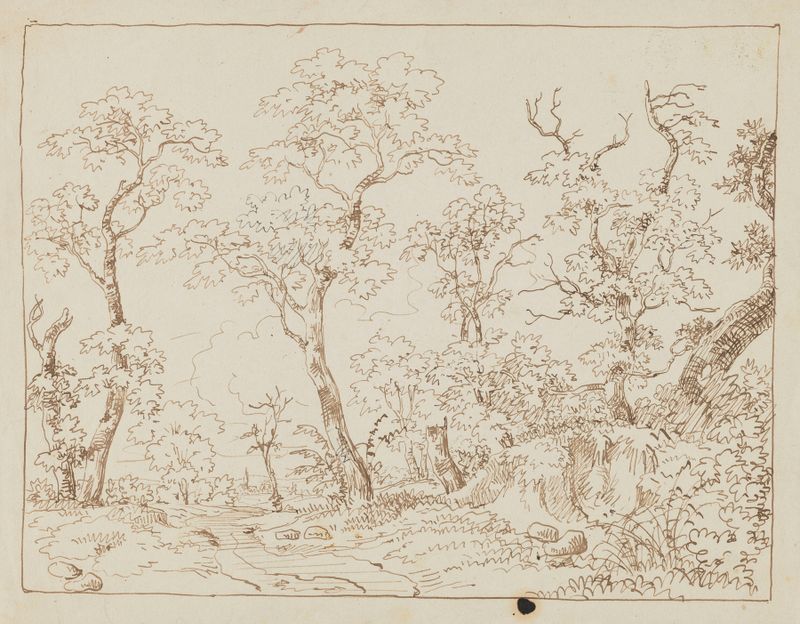
Studies of Trees, Landscape
Arthur Blaschnik
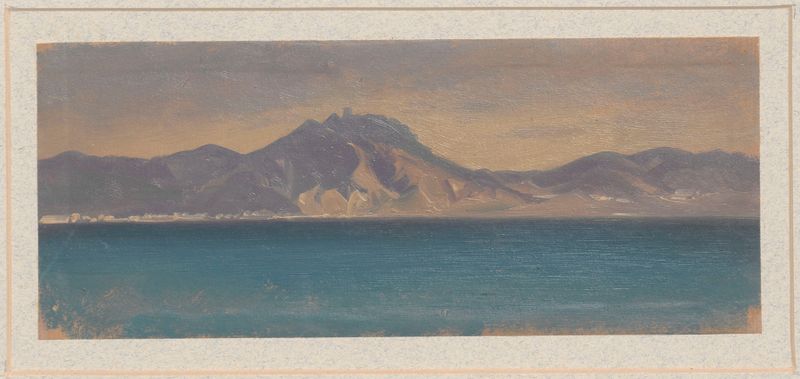
View of the Island of Capri
Arthur Blaschnik
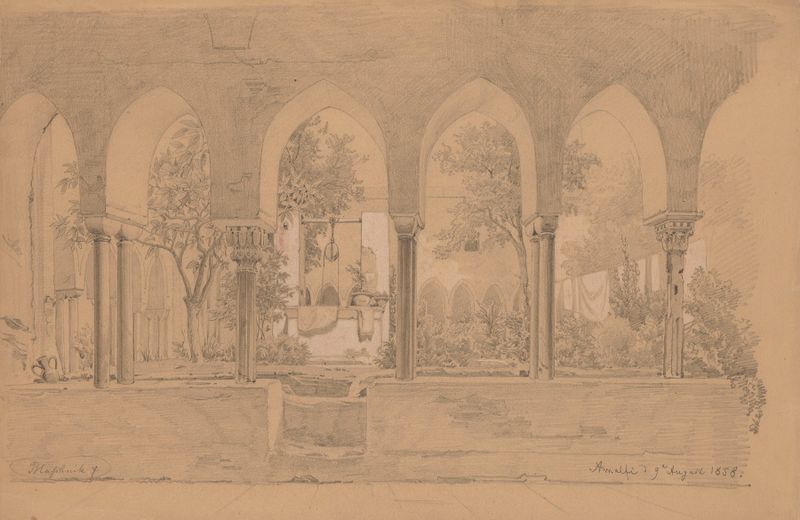
Cloister with Arcade Gallery in Amalfi
Arthur Blaschnik
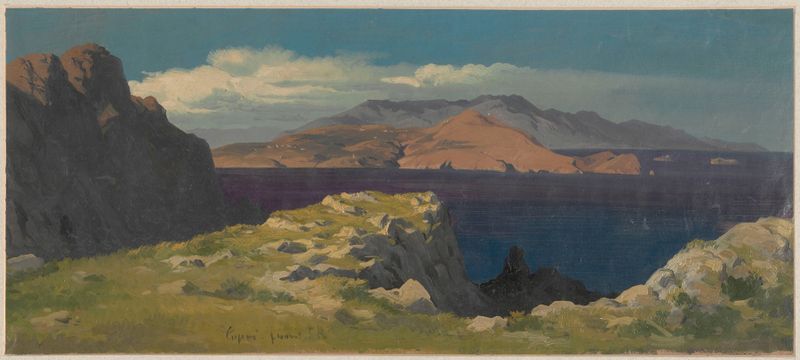
View of Capri
Arthur Blaschnik





