
The Harbour, Trieste — History & Facts
In The Harbour, Trieste, the tumult of life finds its rhythm, suggesting an ecstatic dance of color and form that transcends the canvas. Focus on the swirling clouds in the sky, vibrant strokes of blue and white that beckon your gaze upward. The emotional intensity shifts as you move down to the bustling harbor, where boats sway gently, their reflections shimmering in the water. Notice how the play of light casts a warm glow on the figures that populate this lively scene, each brushstroke capturing their movement and purpose, offering a glimpse into the daily pulse of port life. Yet, beyond the visual allure, the painting reveals a deeper narrative of connection and separation.
The vessels, both anchored and adrift, symbolize the transient nature of human endeavors, while the distant city skyline quietly observes, underscoring the duality of aspiration and solitude. Each element, from the rippling water to the vibrant sky, resonates with an underlying ecstasy — a celebration of existence amid the chaos of the world. While the exact year of creation remains unclear, The Harbour, Trieste emerged during a time of personal exploration for its creator, influenced by the Romantic movement. Working in the early to mid-19th century, this artist captured the essence of landscapes and urban settings, reflecting the changing tides of society and the artist's own emotions in a burgeoning world of industrialization and artistic innovation.
More Artworks by Thomas Ender
Browse all →
Der Grundlsee in der Steiermark
Thomas Ender

Der Großglockner mit der Pasterze
Thomas Ender
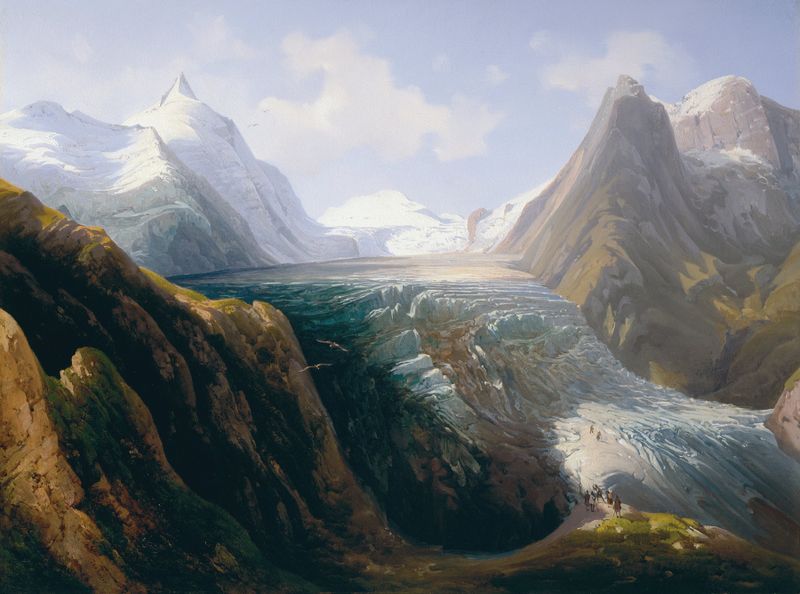
Der Großglockner mit der Pasterze
Thomas Ender
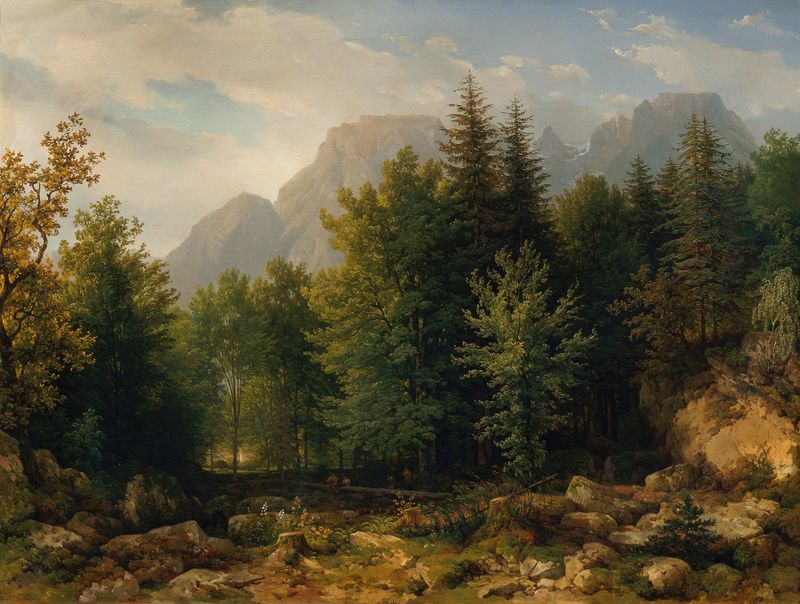
Waldlandschaft im Hochgebirge
Thomas Ender

A view of Bad Aussee with Loser mountain
Thomas Ender

Gasteinertal with a View of the Waterfall in Bad Gastein
Thomas Ender

Der Altausseersee mit dem Dachstein
Thomas Ender
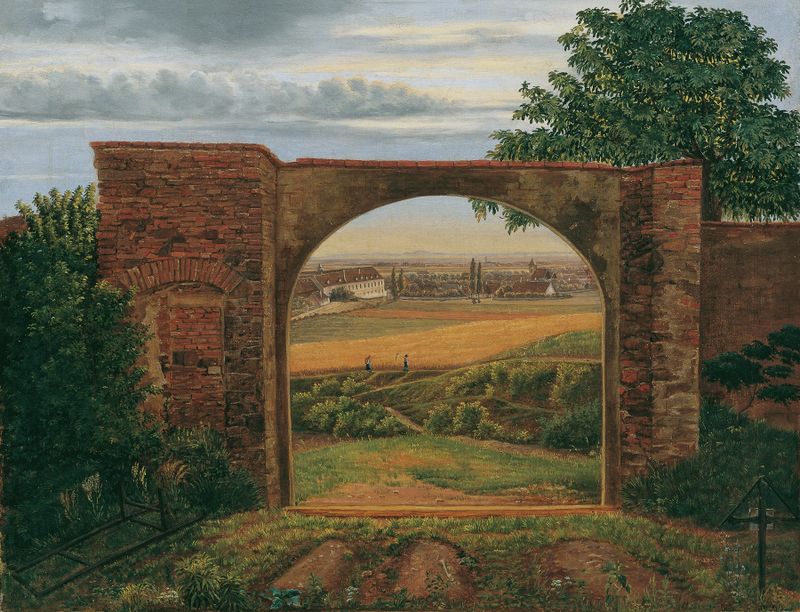
Das Friedhofstor (Friedhof bei Wien)
Thomas Ender
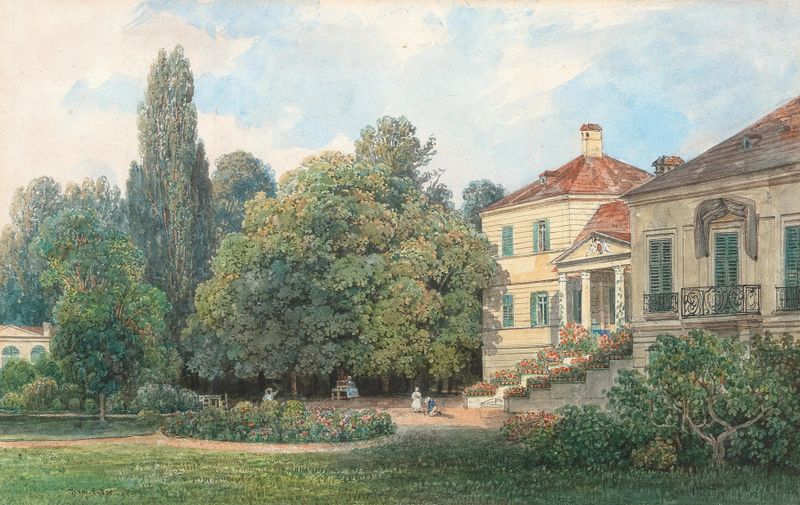
Villa in a park
Thomas Ender

View of Leopoldsberg with resting women and sheep in the foreground
Thomas Ender





