
The Head of Christ — History & Facts
In The Head of Christ, Guido Reni presents a serene and contemplative portrayal of Christ's face. The painting features soft, warm colors, primarily in shades of gold, brown, and cream. Christ's expression is calm and introspective, inviting the viewer to reflect.
The background is dark, which enhances the luminosity of Christ's face. The painting is executed in oil on canvas, a common medium for Baroque artists like Reni. The artist's technique showcases delicate brushwork and a mastery of light and shadow, creating a three-dimensional effect. The dimensions are approximately 50 x 70 cm, making it a relatively intimate piece.
The use of chiaroscuro emphasizes the contours of Christ's face. Guido Reni was a prominent figure in the Baroque movement, known for his idealized and graceful figures. This work, created in the 1620s, reflects the artist's focus on beauty and spirituality. An interesting fact about this painting is that it was part of a larger tradition of depicting Christ's head, which was a popular subject during the Baroque period.
Reni's version stands out for its emotional depth and technical precision.
More Artworks by Guido Reni

Salome with the Head of Saint John the Baptist
Guido Reni
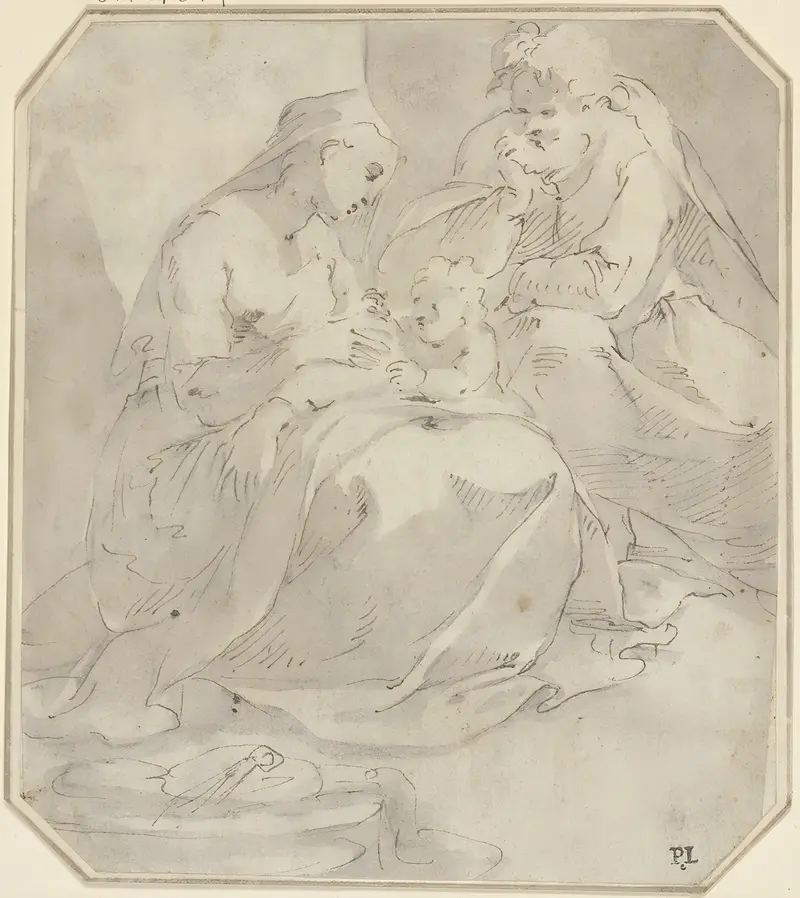
Holy family
Guido Reni
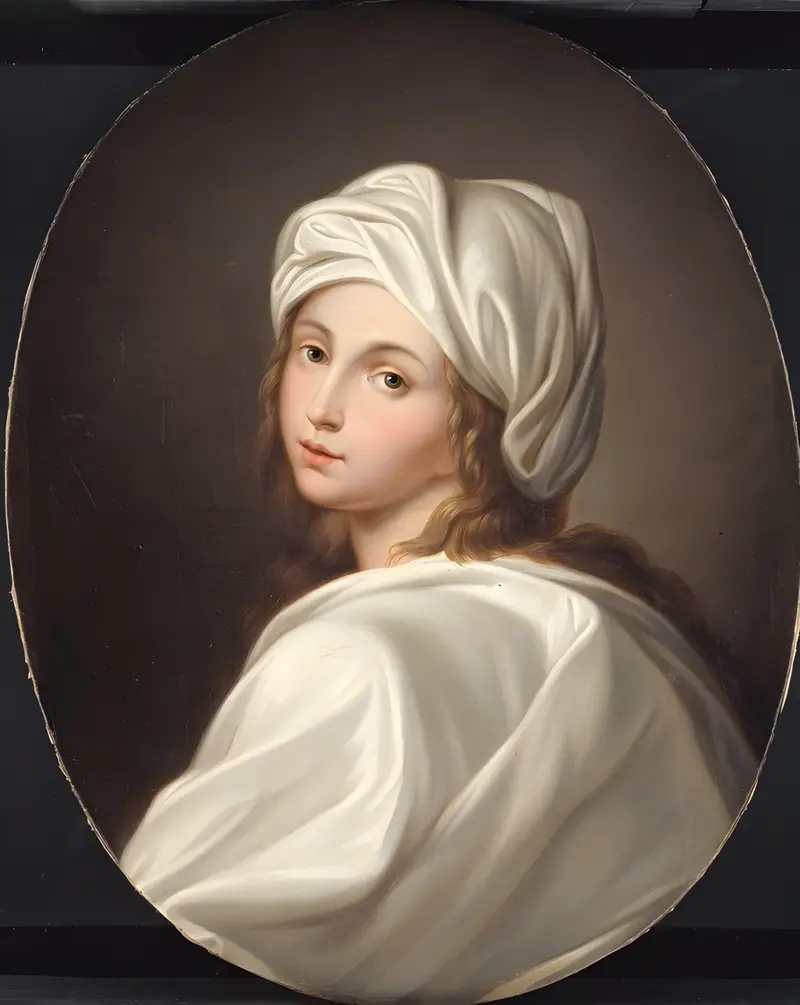
Portrait of Beatrice Cenci
Guido Reni
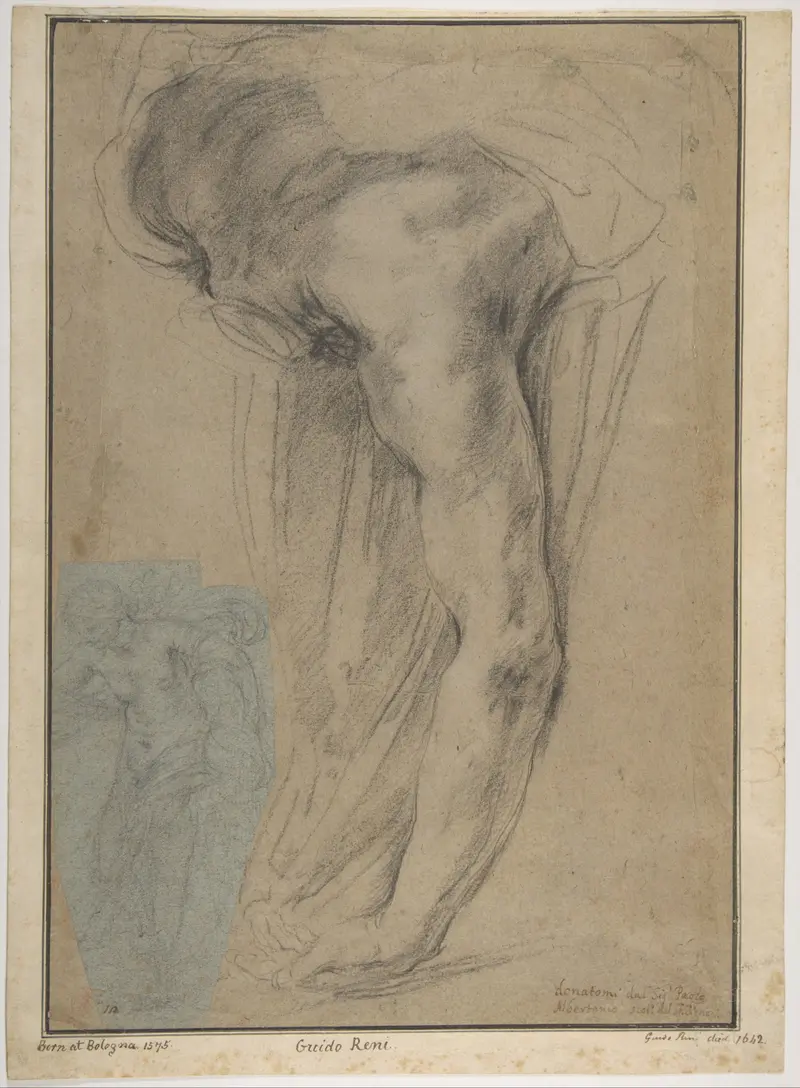
The Reclining Headless Body of Holoferne
Guido Reni
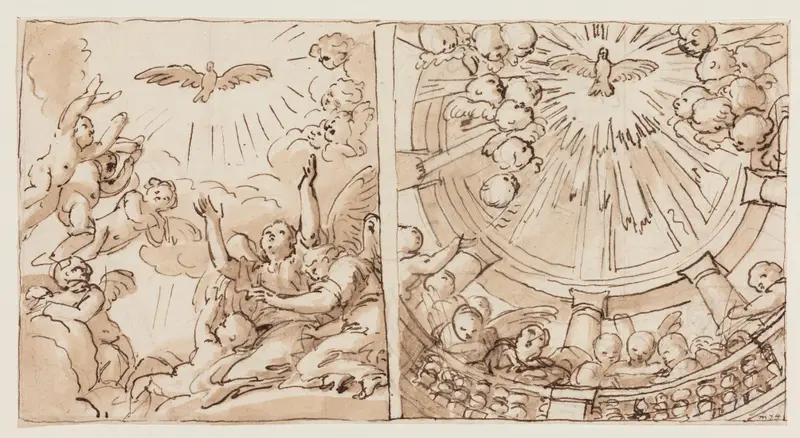
To scener med engle, der omgiver og tilbeder Helligåndsduen, der i det ene tilfælde daler ned mellem skyer, i det andet fra en kuppel, båret af søjler
Guido Reni
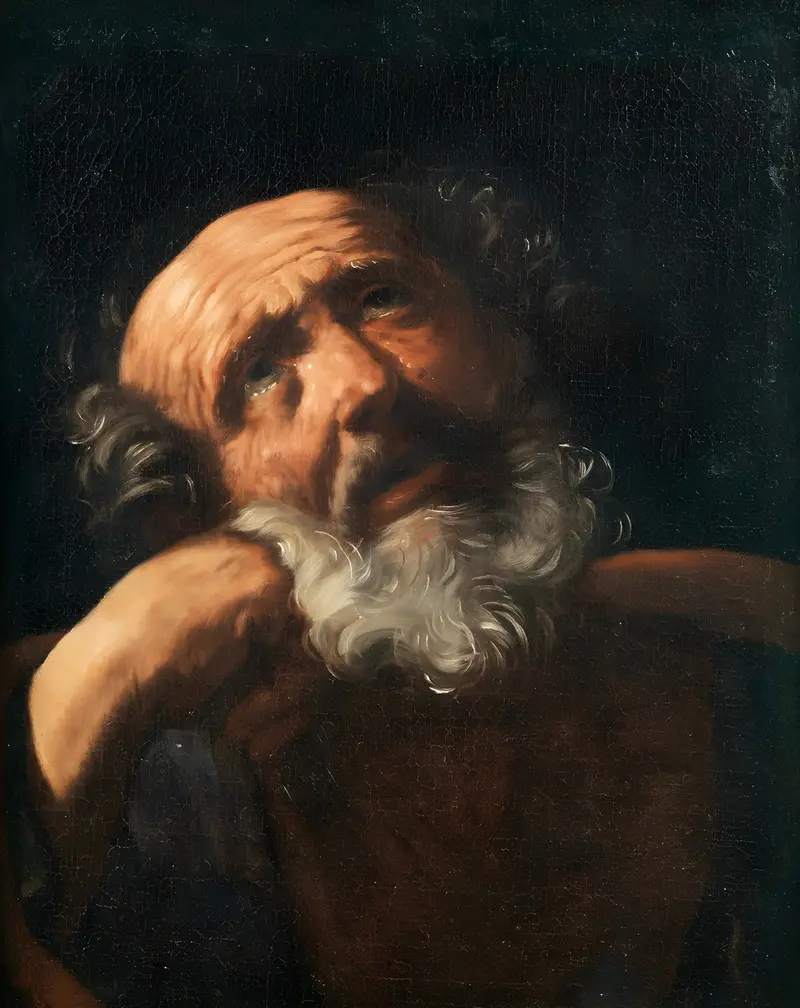
Saint Peter
Guido Reni
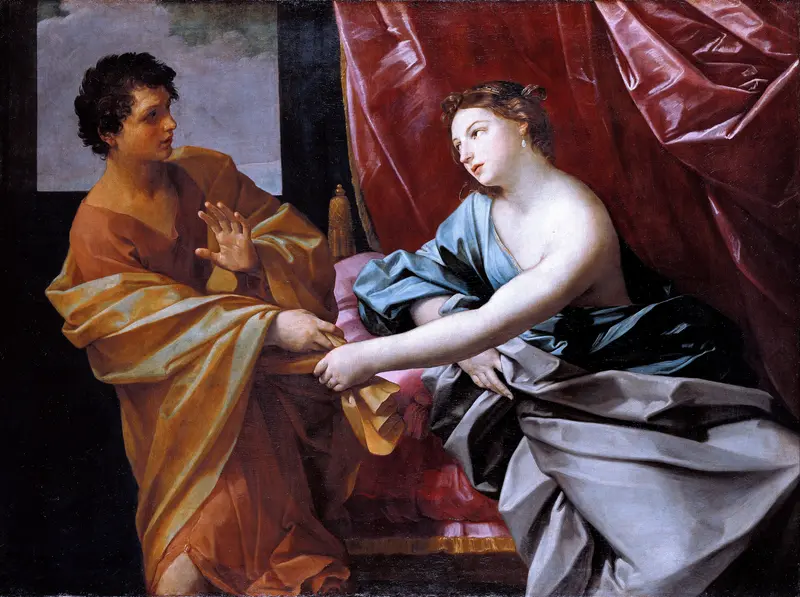
Joseph and Potiphar’s Wife
Guido Reni
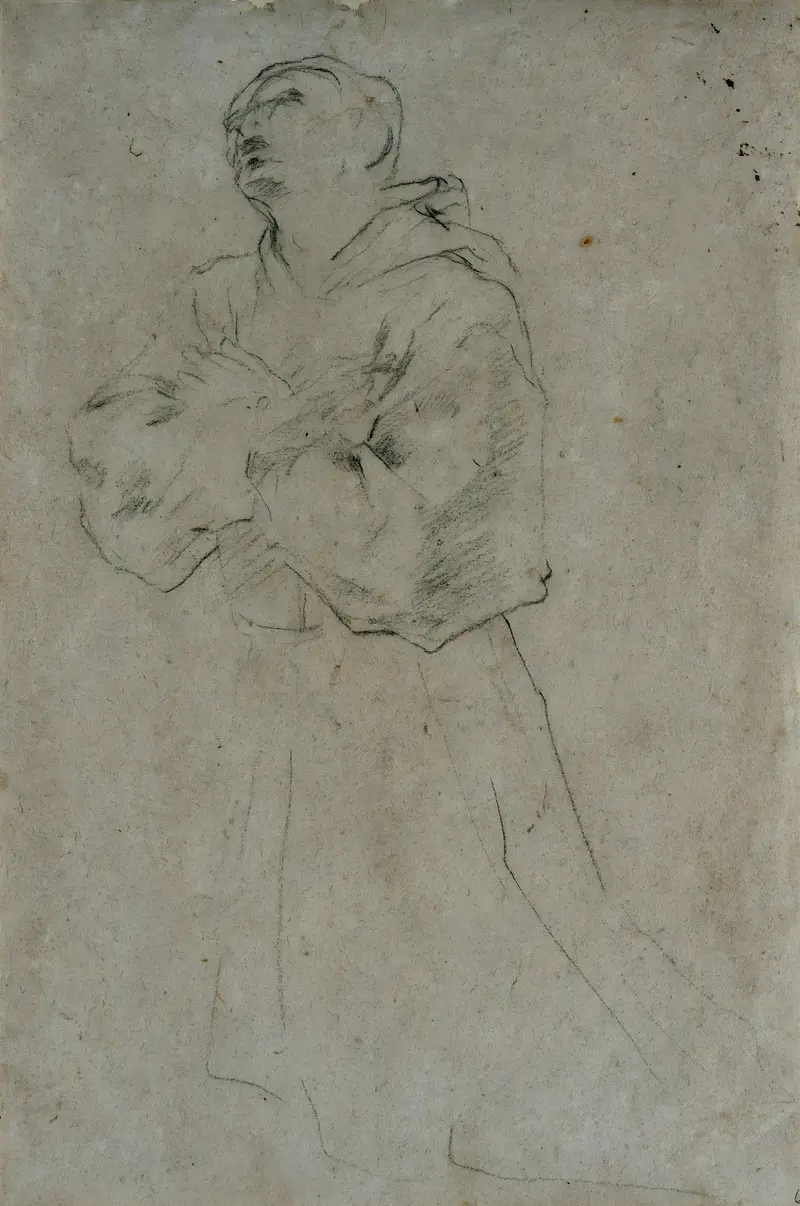
Kneeling Monk
Guido Reni
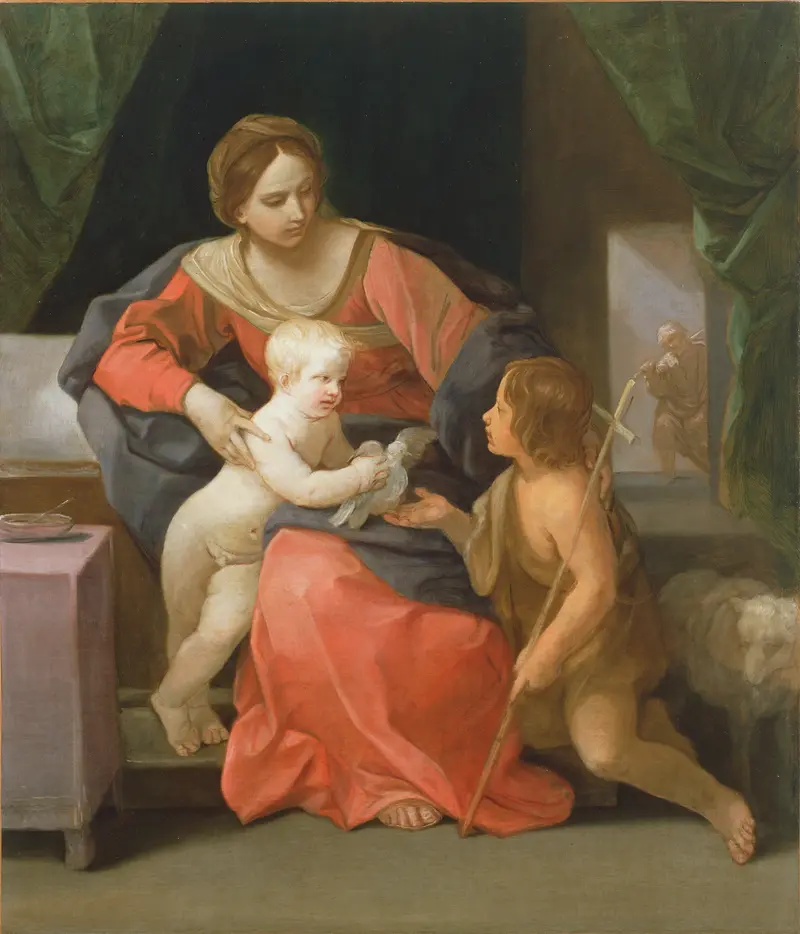
Virgin and Child with Saint John the Baptist
Guido Reni
Cleopatra
Guido Reni





