
The High Pasture — History & Facts
Could beauty survive in a century of chaos? In the gentle embrace of a tranquil landscape, The High Pasture offers a heartfelt answer, inviting us to dwell in the serene promise of nature, even amidst the tumult of human existence. Look to the foreground, where lush grasses sway softly under a golden sun. The painter skillfully captures dappled light filtering through overhanging branches, illuminating patches of wildflowers that seem to beckon with their vibrant hues. Notice how the horizon, a distant blue, serves as a reminder of the vastness beyond, while gentle hills cradle the scene, adding depth and perspective.
Each brushstroke evokes a sense of harmony, suggesting a world where the chaos of life is momentarily suspended. Yet, within this idyllic setting lies a subtle tension — the quiet whisper of longing beneath the surface. The slight breeze rustling through the leaves hints at memories and stories lost to time. The interplay of shadow and light illustrates the contrasts between hope and despair, beauty and impermanence, inviting reflection on what we hold dear in a world perpetually on the brink of change.
Each element serves as a reminder of the fleeting nature of peace, urging us to cherish the fragile moments of tranquility. Julian Alden Weir painted this landscape during the late 19th century, a period marked by rapid industrialization and societal upheaval. Embracing the Impressionist movement, he sought solace in the natural world while grappling with the noise of contemporary life. This painting emerged from his exploration of personal expression, as he sought to capture the beauty that remained, even as the world around him was transforming dramatically.
More Artworks by Julian Alden Weir
Browse all →
My Back Yard no. 1
Julian Alden Weir
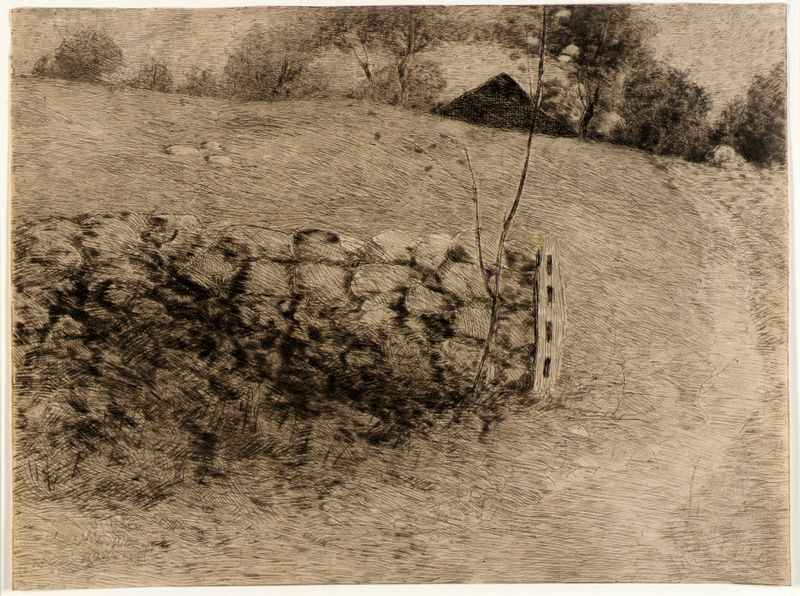
The Barn Lot
Julian Alden Weir

The Webb Farm
Julian Alden Weir
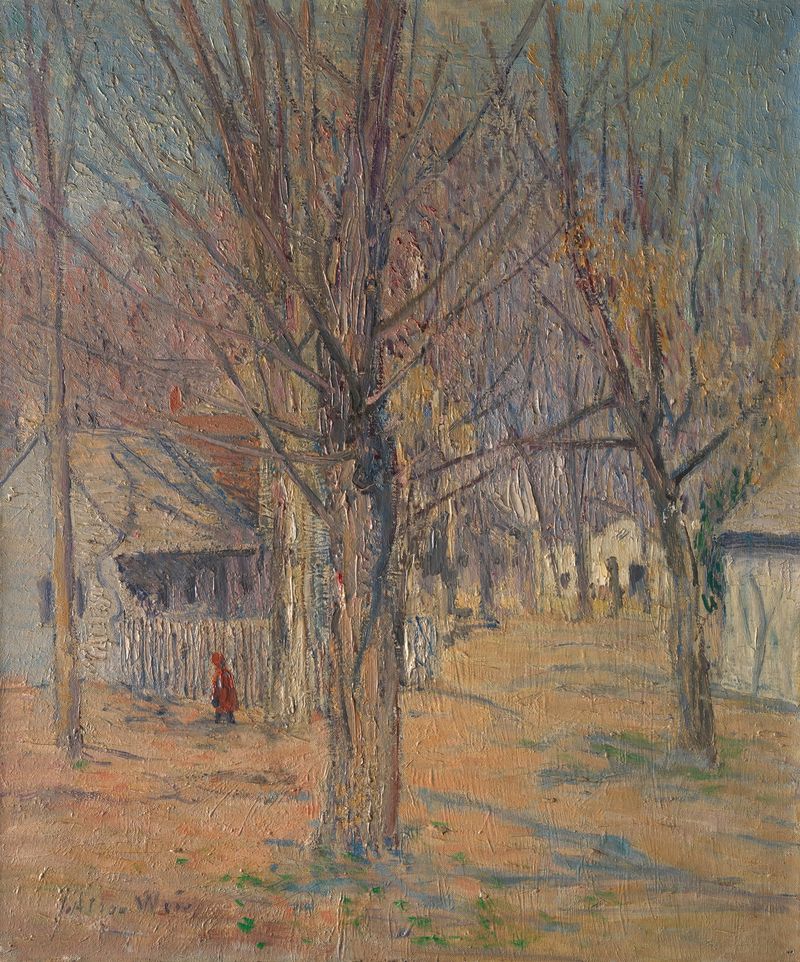
Connecticut Village (Going to School)
Julian Alden Weir

The Stone Bridge
Julian Alden Weir

The Webb Farm 2
Julian Alden Weir
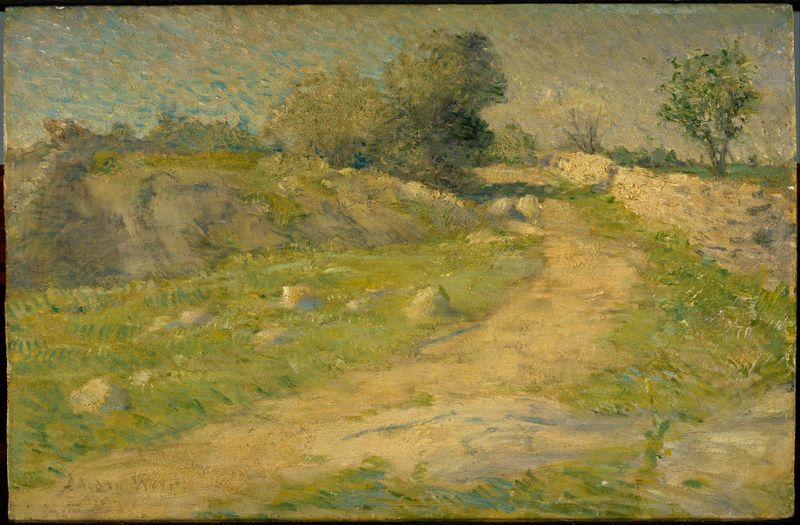
The Lane
Julian Alden Weir
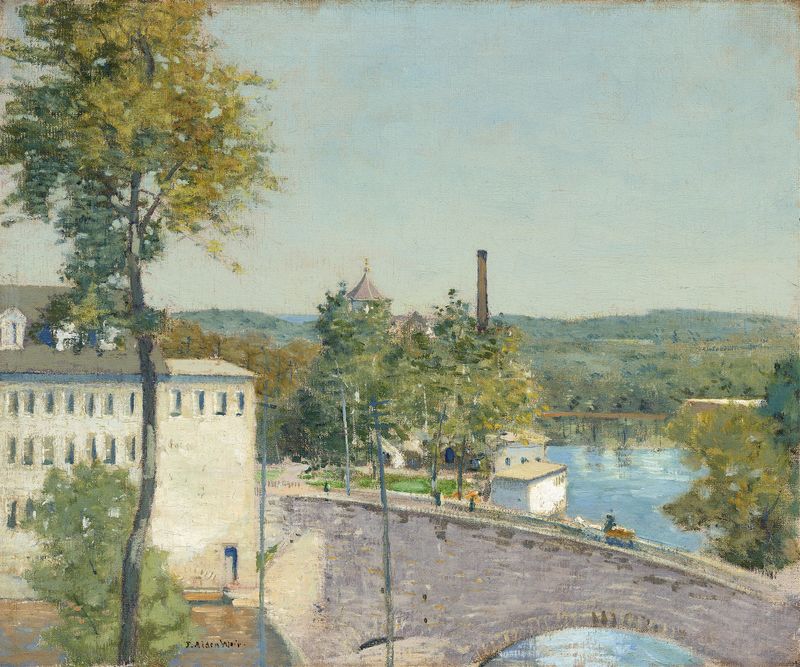
U.S. Thread Company Mills,Willimantic,Connecticut
Julian Alden Weir

Neighboring Farm
Julian Alden Weir

Coon Alley
Julian Alden Weir





