
The Island and Bridge of San Bartolomeo,Rome — History & Facts
Who listens when art speaks of silence? Within the gentle embrace of nature, a quiet narrative unfolds, inviting contemplation and reflection. Look to the center, where the serene waters of the Tiber cradle the island of San Bartolomeo. The bridge, with its soft arches, elegantly connects the two banks, guiding the viewer's gaze toward the tranquil landscape. Notice how muted hues of green and blue mingle, while dappled sunlight dances upon the surface, creating a shimmering effect that evokes a sense of harmony.
This careful attention to light and shadow draws you deeper into the scene, as if time itself has paused, inviting you to linger in a moment suspended. Hidden beneath this tranquil exterior lies a tension between nature and civilization. The island stands as a testament to life and memory, while the gentle flow of the river suggests the passage of time—both serene and unavoidable. The composition, with its careful balance of elements, speaks to the coexistence of stillness and movement, echoing the silence that envelops the viewer, urging them to listen to what remains unspoken. In the years 1825-1828, Corot was immersed in the beauty of the Roman landscape, reflecting a pivotal moment in his artistic journey.
During this period, he sought to merge realism with poetic expression, capturing the essence of nature and its profound tranquility. The artist was also part of a burgeoning movement that valued direct observation and the emotional resonance of landscapes, paving the way for future generations in the world of art.
More Artworks by Jean-Baptiste-Camille Corot
Browse all →
View of Genoa
Jean-Baptiste-Camille Corot
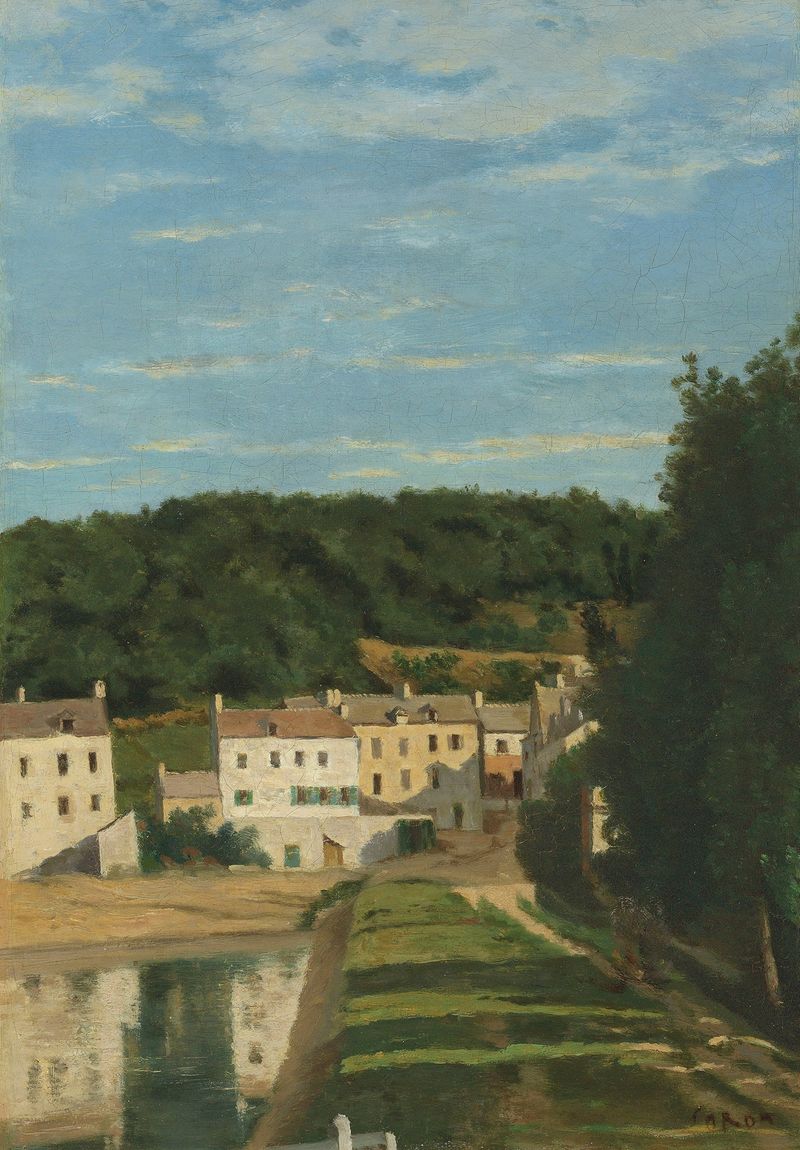
Les Maisons Cabassud À Ville D’avray
Jean-Baptiste-Camille Corot

La solitude. Souvenir de Vigen (Limousin)
Jean-Baptiste-Camille Corot
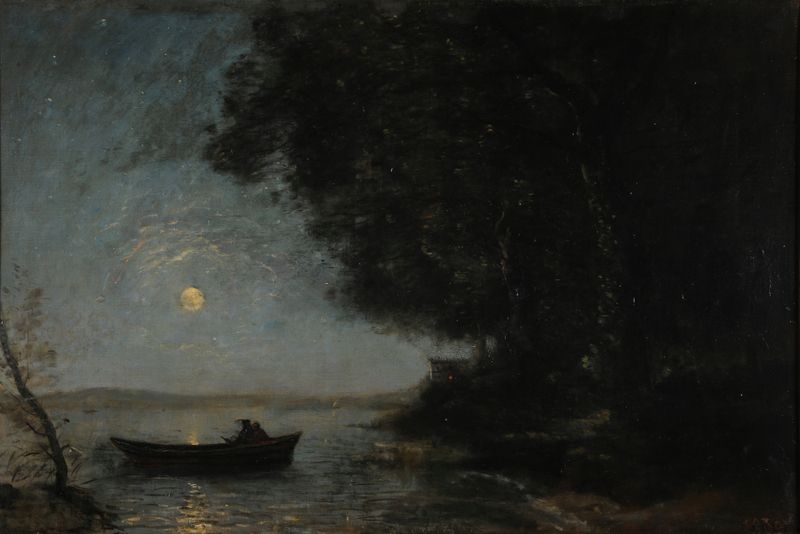
Le lac ; effet de nuit
Jean-Baptiste-Camille Corot
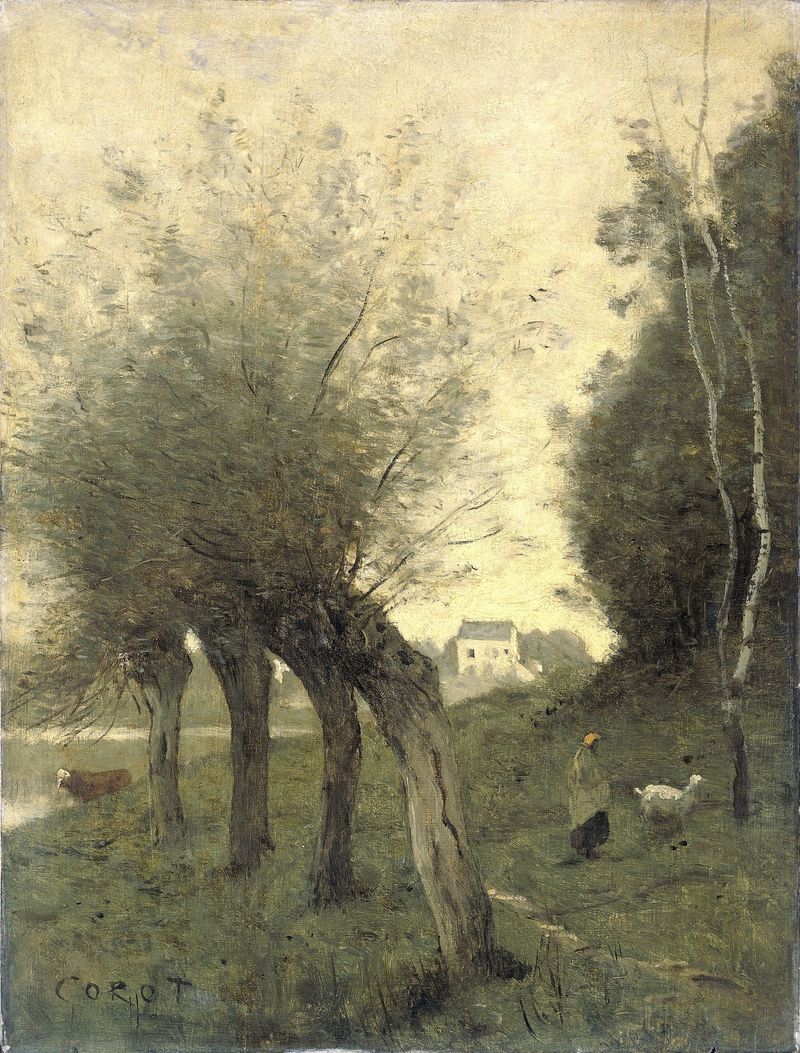
Landscape with Pollard Willows
Jean-Baptiste-Camille Corot
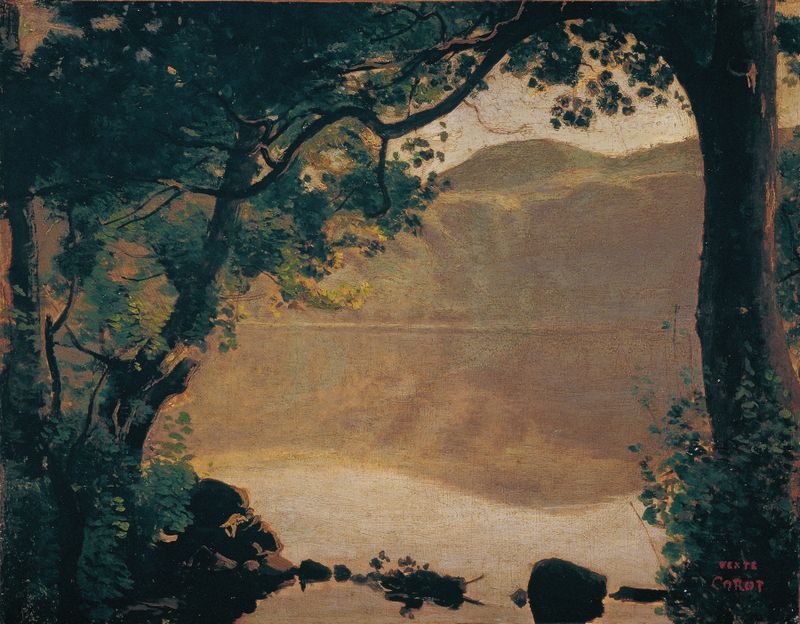
Der Nemisee
Jean-Baptiste-Camille Corot
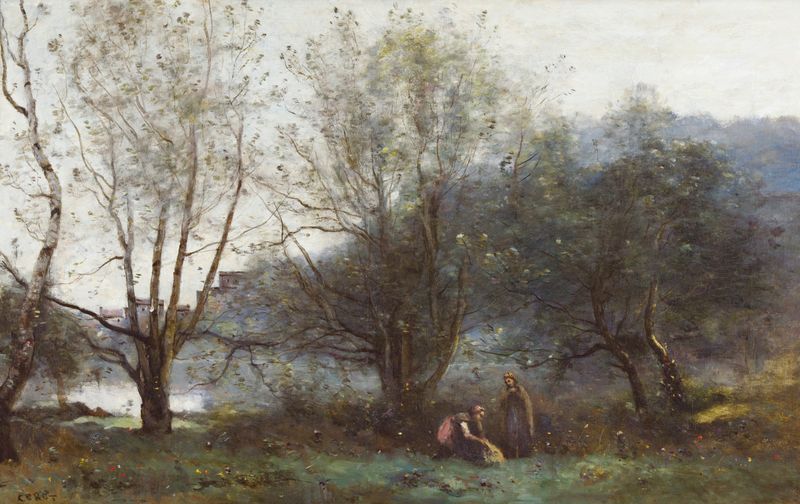
Les Étangs De Ville D’avray
Jean-Baptiste-Camille Corot
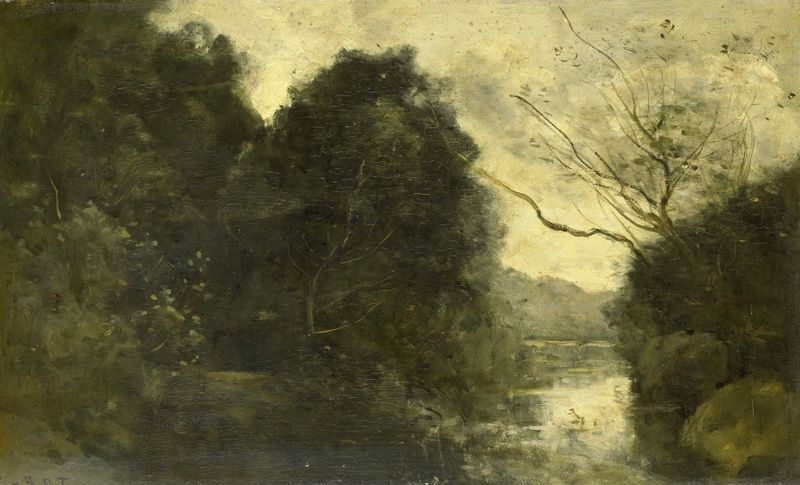
Pond in the Woods
Jean-Baptiste-Camille Corot
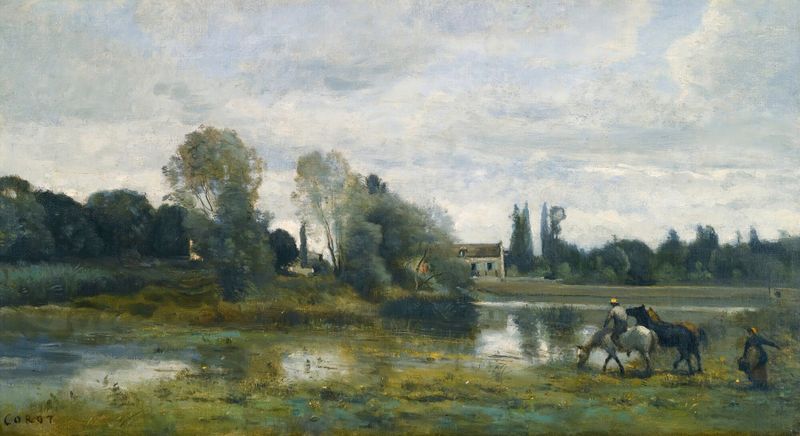
Ville D’avray; L’abreuvoir Des Chevaux
Jean-Baptiste-Camille Corot
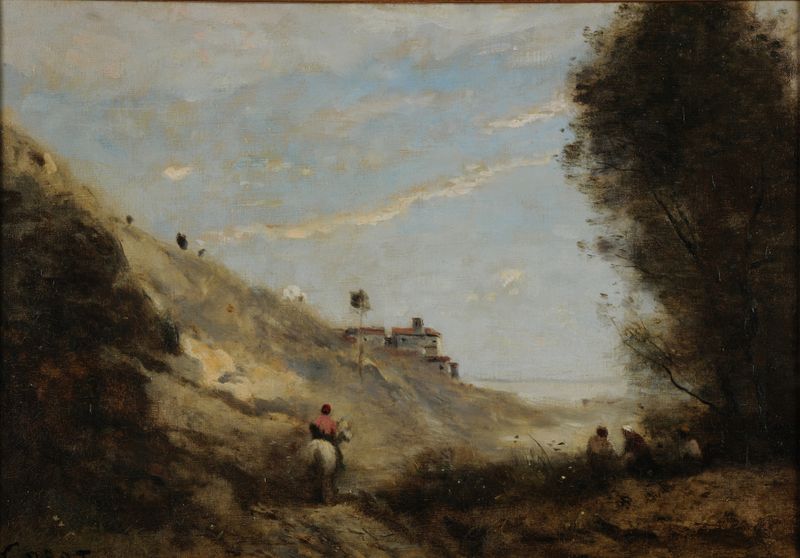
Le vallon au cavalier
Jean-Baptiste-Camille Corot





