
The Judgement Of Paris — History & Facts
In The Judgement Of Paris, Angelica Kauffmann presents a vibrant scene filled with rich colors. The painting depicts the moment when Paris, a Trojan prince, must choose the fairest goddess among Juno, Minerva, and Venus. Each figure is elegantly draped in flowing garments, showcasing their beauty and divine attributes.
The lush background enhances the mythological setting, drawing the viewer into this ancient tale. The painting is executed in oil on canvas, a popular medium during the Neoclassical period. Kauffmann's technique highlights the delicate details of the figures and the harmonious color palette. The composition is carefully balanced, with the three goddesses arranged in a triangular formation around Paris.
This arrangement not only emphasizes their rivalry but also creates a dynamic flow within the artwork. Angelica Kauffmann was a prominent figure in the Neoclassical movement and one of the few female artists of her time to gain recognition. 'The Judgement Of Paris' reflects her interest in classical themes and her ability to portray strong female characters. Interestingly, Kauffmann was also known for her role in the founding of the Royal Academy in London, which was a significant achievement for women in the arts.
This painting exemplifies her skill in merging narrative with aesthetic beauty.
More Artworks by Angelica Kauffmann
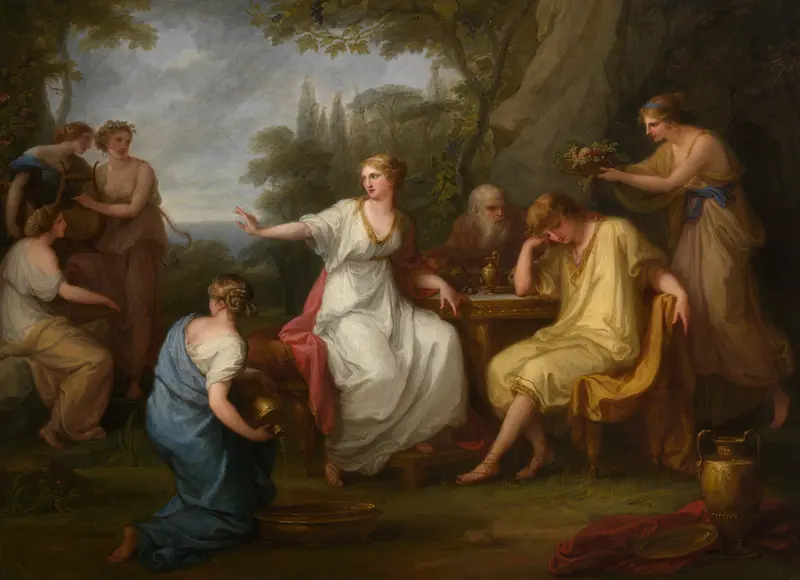
The Sorrow of Telemachus
Angelica Kauffmann

Portrait Of A Lady As A Vestal Virgin
Angelica Kauffmann
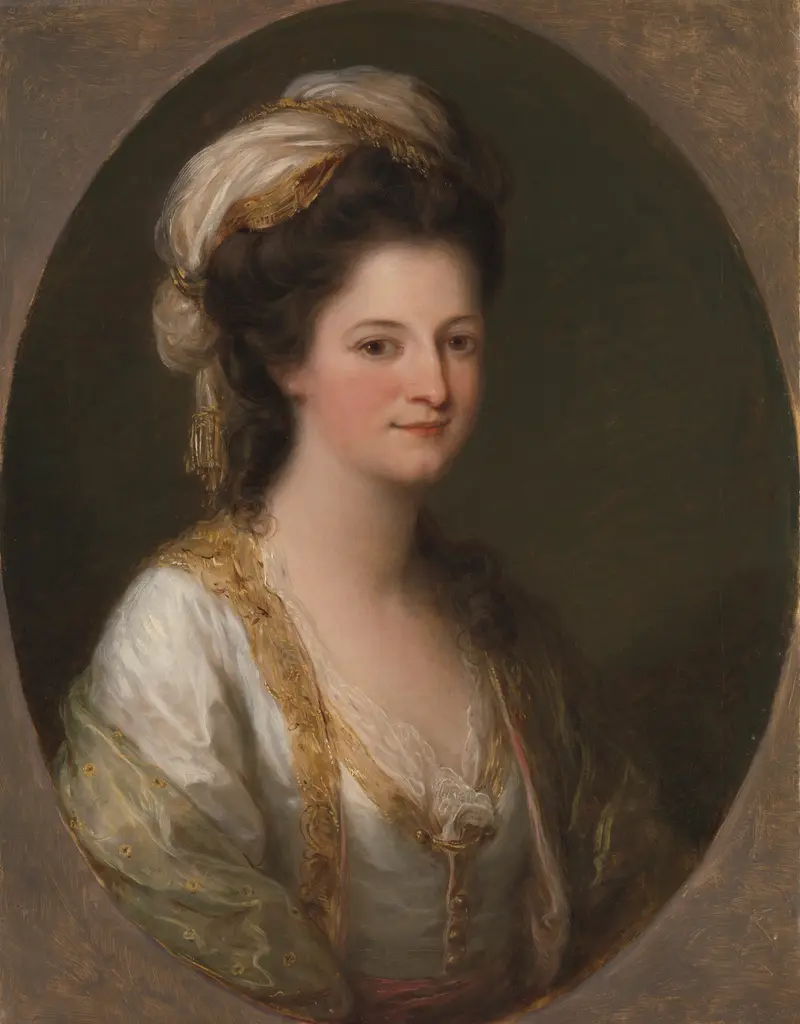
Portrait of a woman, traditionally identified as Lady Hervey
Angelica Kauffmann
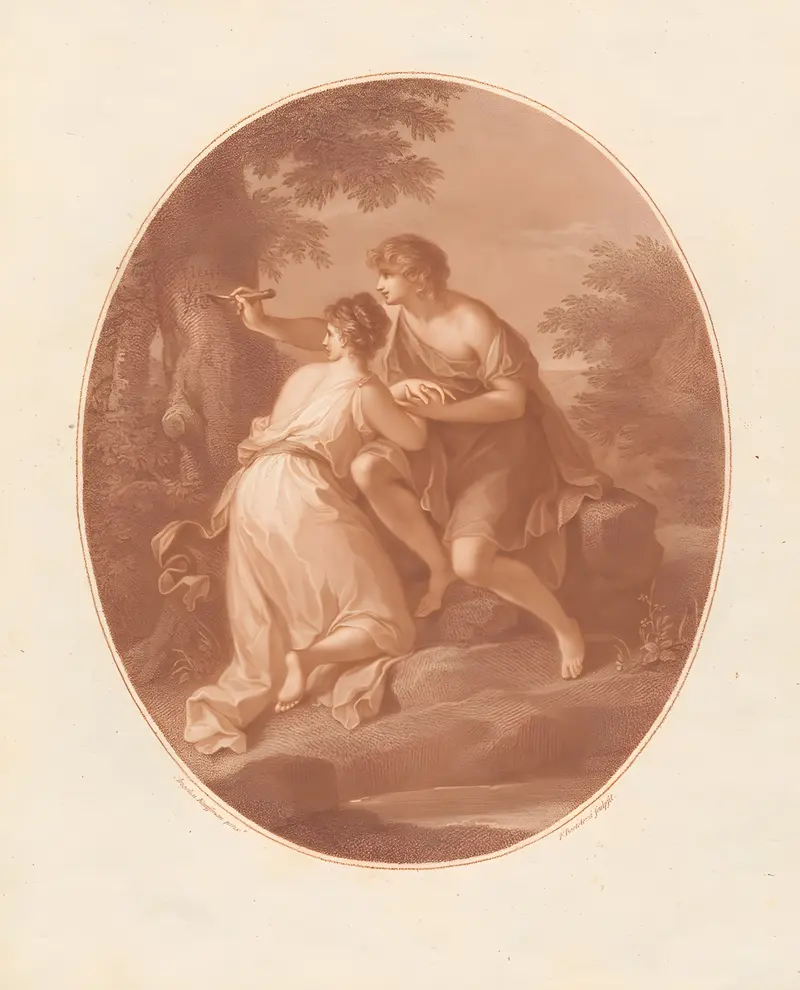
Paris and Oenone
Angelica Kauffmann
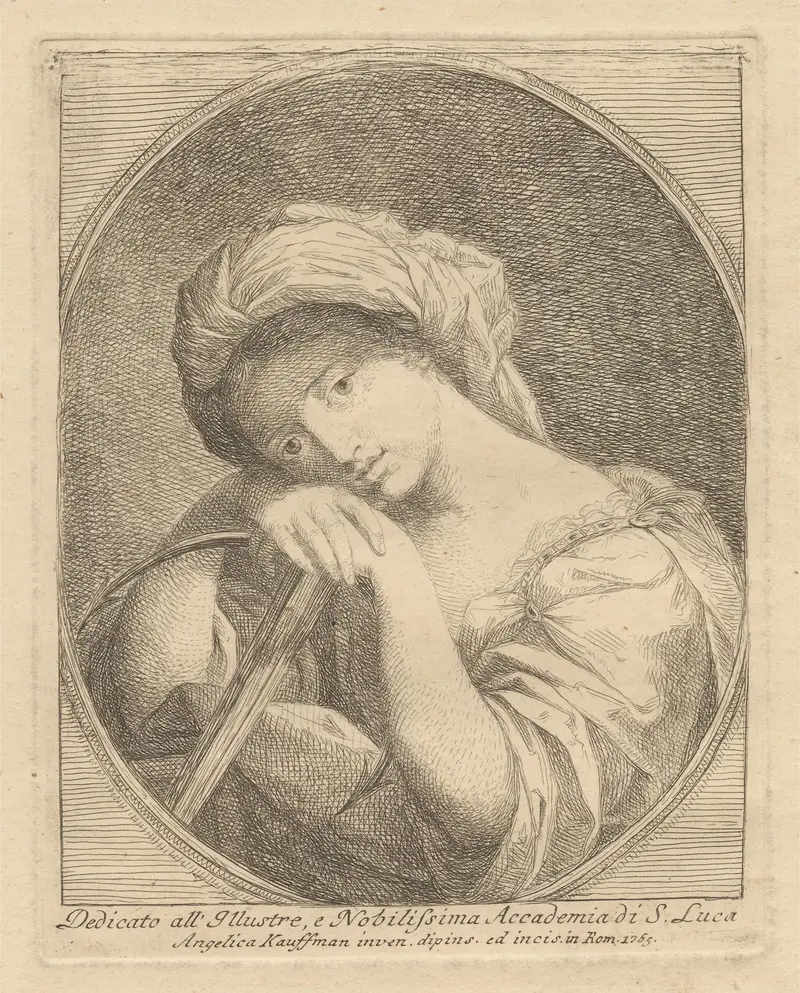
Bust of a Young Woman with Flowers in Her Hair
Angelica Kauffmann
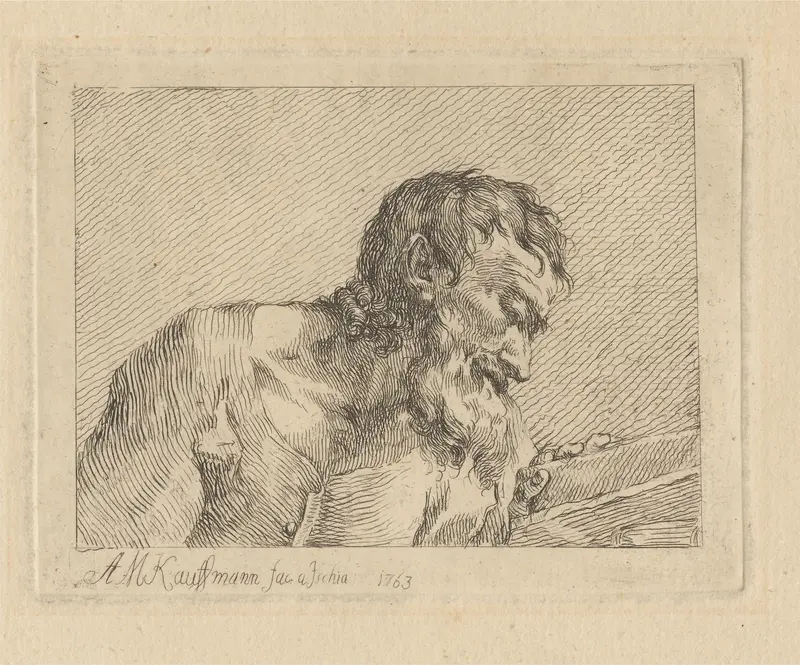
Bust of an Old Man.
Angelica Kauffmann
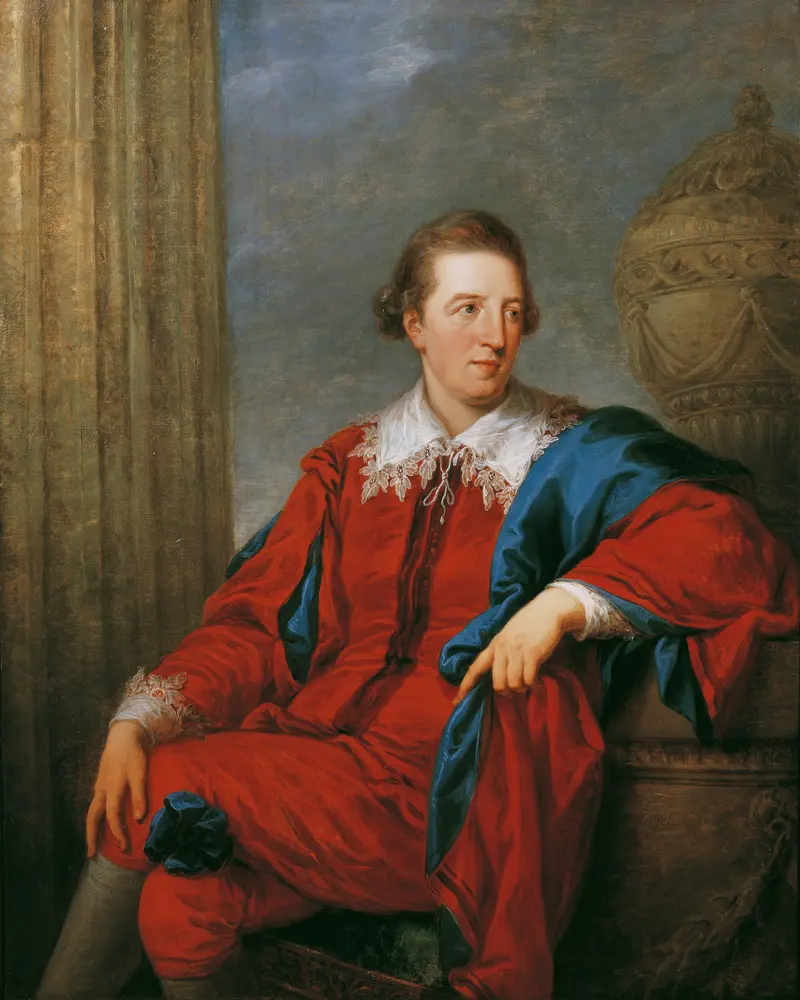
John Simpson, der Vater von Maria Susanna Lady Ravensworth
Angelica Kauffmann
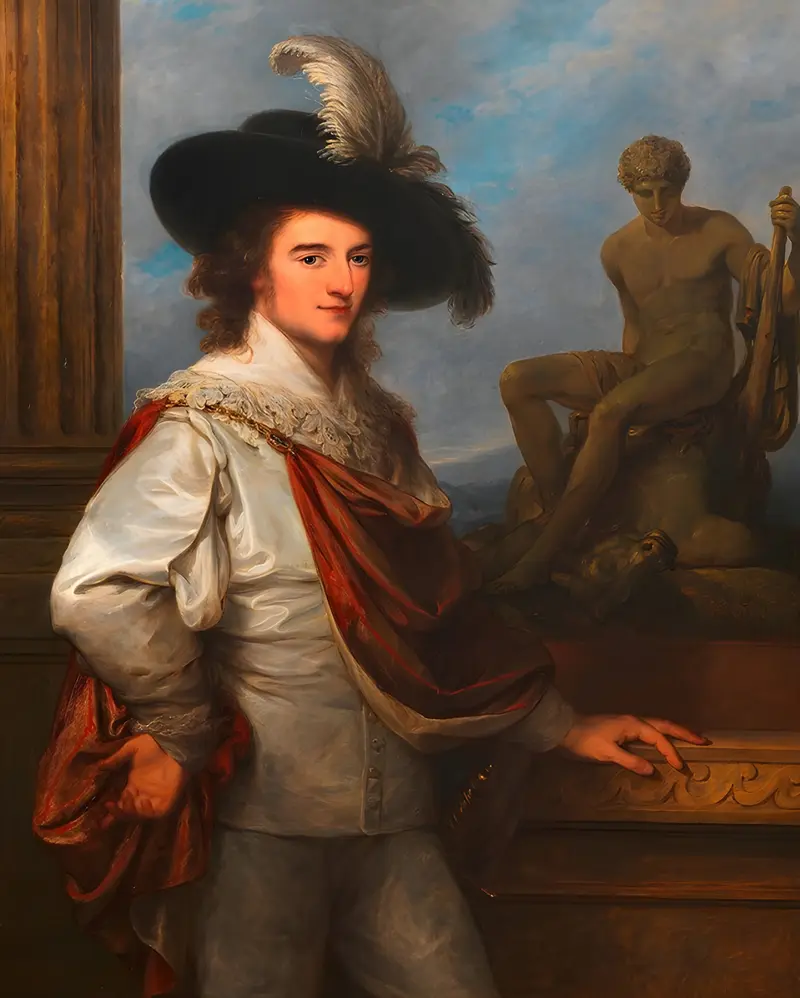
Josef Johann Graf Fries
Angelica Kauffmann
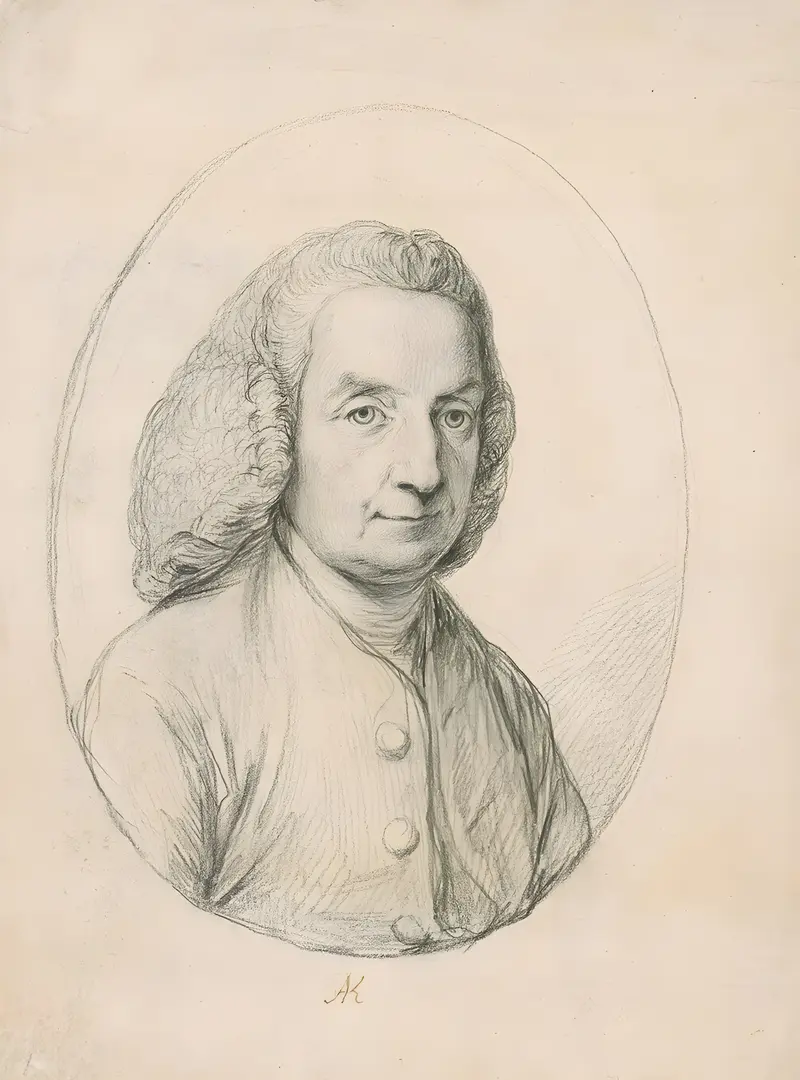
Judge George Robert Hellen (1725-1793)
Angelica Kauffmann
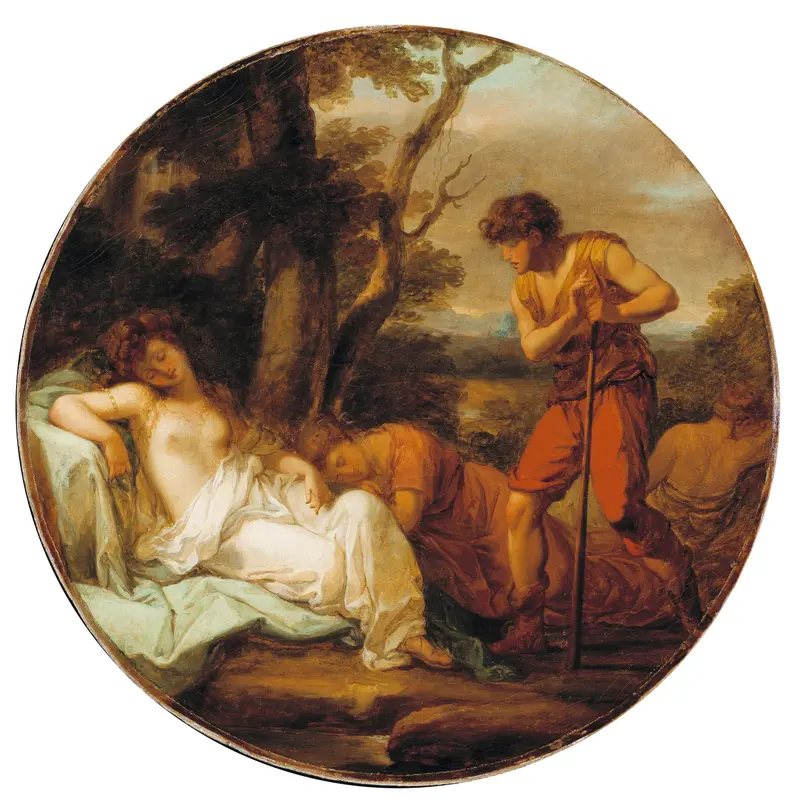
Cymon and Iphigenia
Angelica Kauffmann





