
The Junction of Lyon and Tay — History & Facts
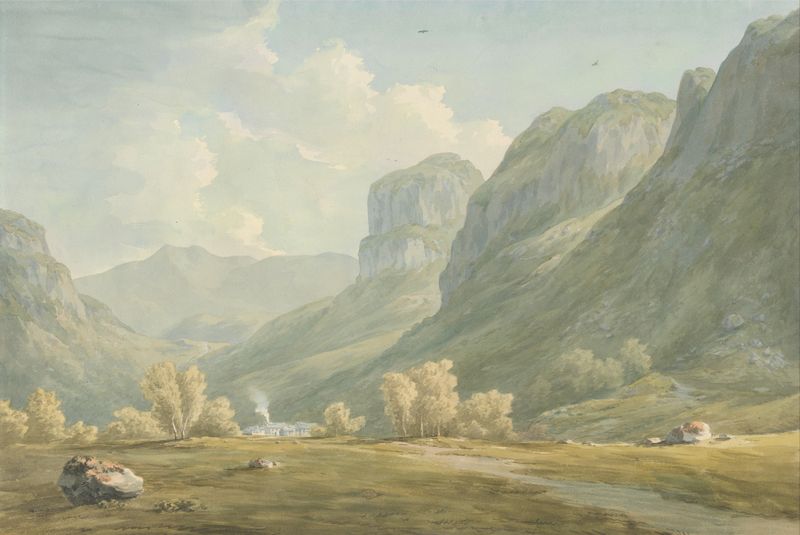
In the quiet corridors of our minds, memories form landscapes as vivid as the ones we traverse. They linger in the air like the morning mist, shaping the essence of our experiences. Look to the foreground, where the winding river gleams under the soft embrace of sunlight. Notice how the artist captures the shimmering reflections on the water, expertly blending hues of blue and gold.
The trees, painted with delicate strokes, frame the scene, their rich green leaves contrasting against the tranquil sky. This harmonious composition draws the viewer's eye to the gentle curve of the river, inviting a sense of peace and contemplation. Yet, beneath the serene beauty lies an undercurrent of nostalgia. The juxtaposition of the vibrant nature against the distant clustered buildings evokes a longing for connection, bridging the past and present.
As the water flows, it whispers stories of those who have come before, suggesting that every moment is fleeting, yet eternal in memory. The soft shadows cast by the trees hint at the passage of time, reminding us that every landscape carries with it echoes of human experience. In 1788, while residing in England, John Warwick Smith created this work during a period when the Romantic movement began to take shape, ushering in an appreciation for nature and emotion in art. With a growing interest in landscape painting, he found inspiration in the picturesque beauty of the British countryside, reflecting a time of artistic exploration and personal discovery.
More Artworks by John Warwick Smith
Browse all →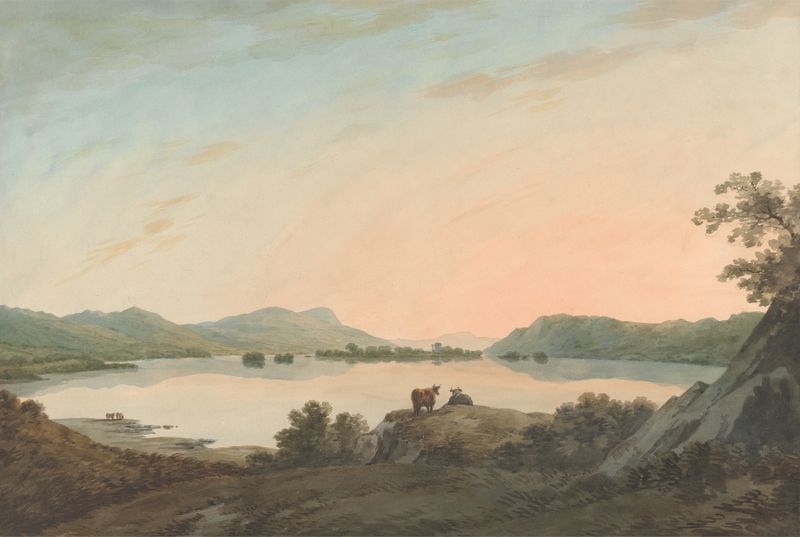
Lake Windermere from Calgarth with Belle Isle
John Warwick Smith
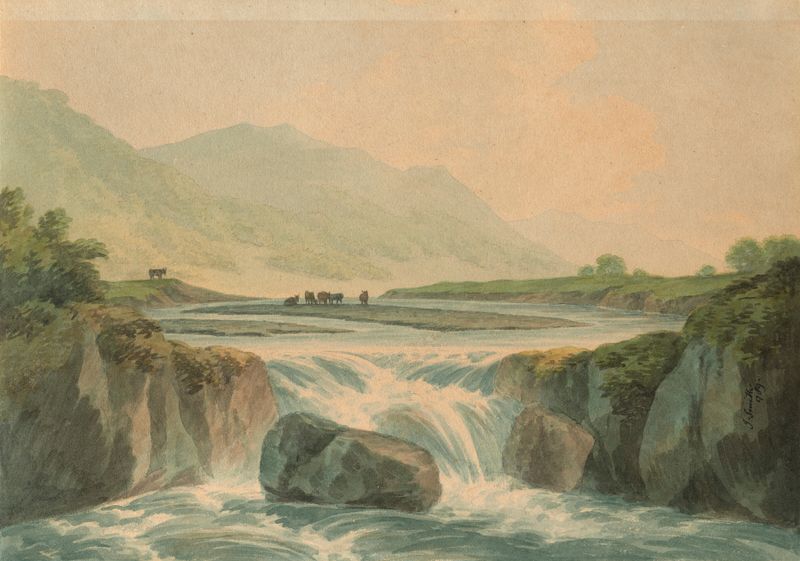
A waterfall on the River Rheidol, with cattle in the distance, North Wales
John Warwick Smith
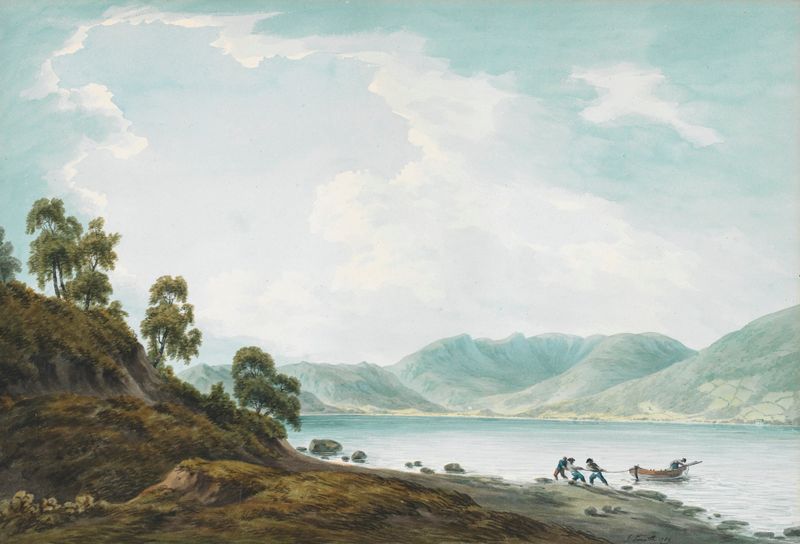
Head of Windermere from Belle Grange Farm
John Warwick Smith
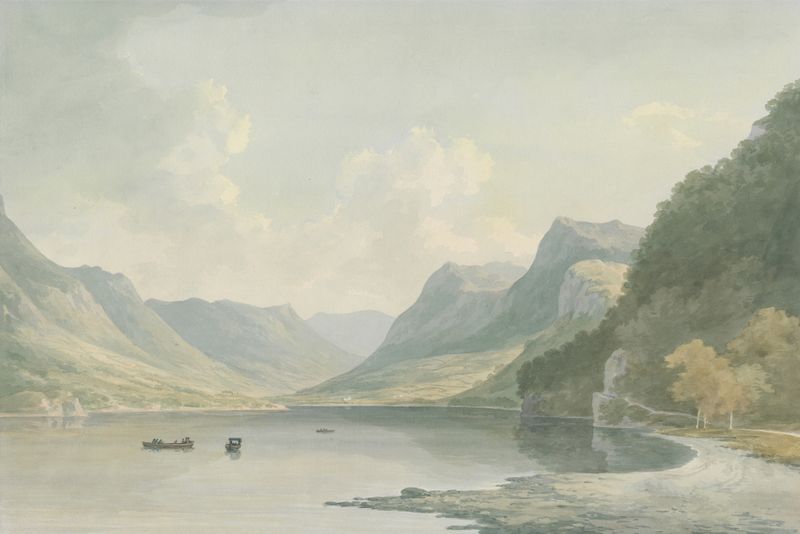
Ullswater, Looking toward Patterdale
John Warwick Smith
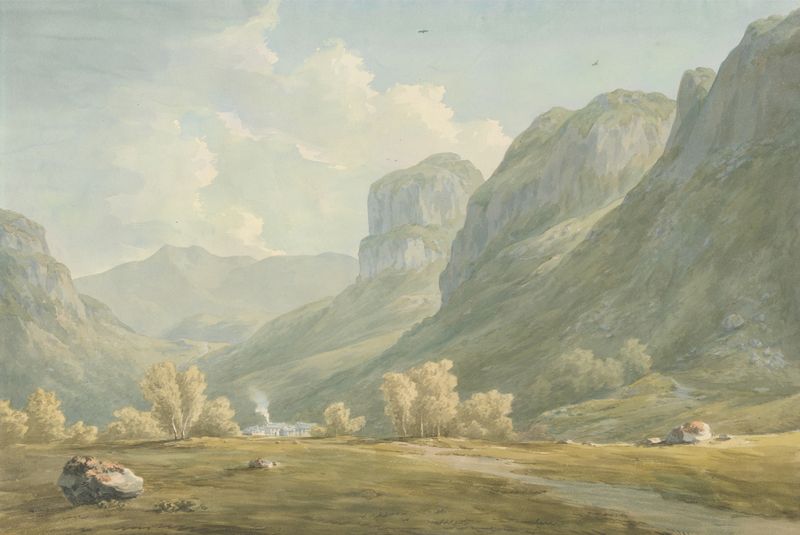
Village of Stonethwaite and Eagle Cragg, Borrowdale
John Warwick Smith
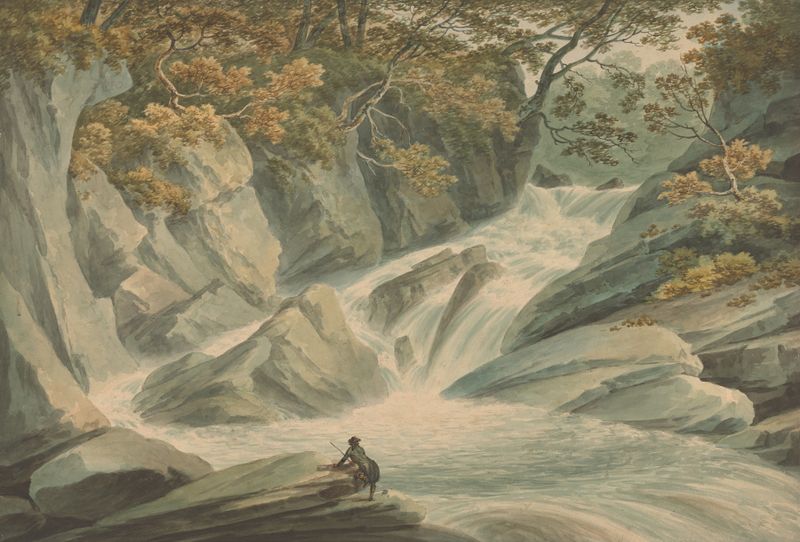
Hafod; Upper Part of Cascade
John Warwick Smith
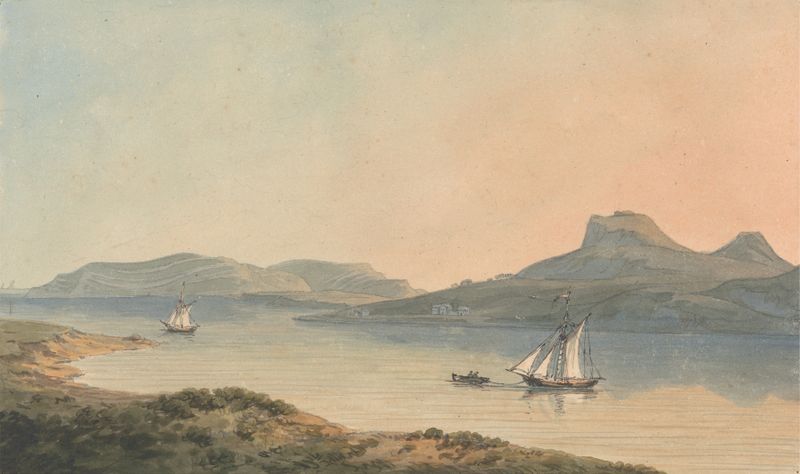
View of the Early Castle of Diganwy
John Warwick Smith
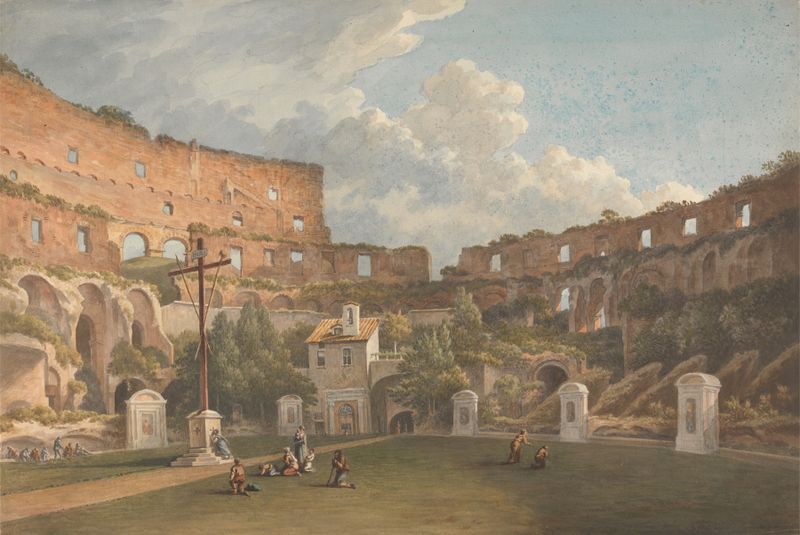
An Interior View of the Colosseum, Rome
John Warwick Smith
Village of Stonethwaite and Eagle Cragg, Borrowdale
John Warwick Smith
In the Bay of Salerno, near Vietri
John Warwick Smith





