
The Karkonosze Mountains — History & Facts
The Karkonosze Mountains invite contemplation, a landscape where the allure of nature intertwines with the shadows of struggle. In this serene yet powerful scene, movement is not merely an element; it’s the heartbeat of the painting. Focus first on the sweeping curves of the mountains that rise majestically in the background. The artist’s brushwork captures a dynamic interplay of light and shadow, guiding your gaze across the undulating terrain.
Notice the rich palette of greens and browns, punctuated by the occasional burst of delicate florals, breathing life into the composition. The way the light filters through the clouds hints at an ephemeral quality, rendering the landscape almost alive, as if the peaks themselves are whispering secrets of turmoil and beauty. Hidden within the grandeur lies a tension that speaks volumes. The jagged peaks contrast starkly with the gentler valleys below, symbolizing the dualities of existence—triumph and despair, stability and chaos.
The flowing streams that snake through the rocky landscape evoke a sense of movement, suggesting the passage of time and the relentless force of nature. Each brushstroke carries an emotional weight, as if the mountains are telling their own story of resilience amidst the ravages of erosion and weather. Created between 1859 and 1879, this work emerged during a pivotal moment in European art, when Romanticism was giving way to the Realism movement. Arthur Blaschnik painted this piece in a period of personal and artistic exploration, rooted in his deep appreciation for the landscapes of his homeland.
In a world increasingly fascinated by industrialization, he sought refuge in the untouched beauty of nature, capturing its raw essence and eternal spirit through his vivid portrayal of the Karkonosze range.
More Artworks by Arthur Blaschnik
Browse all →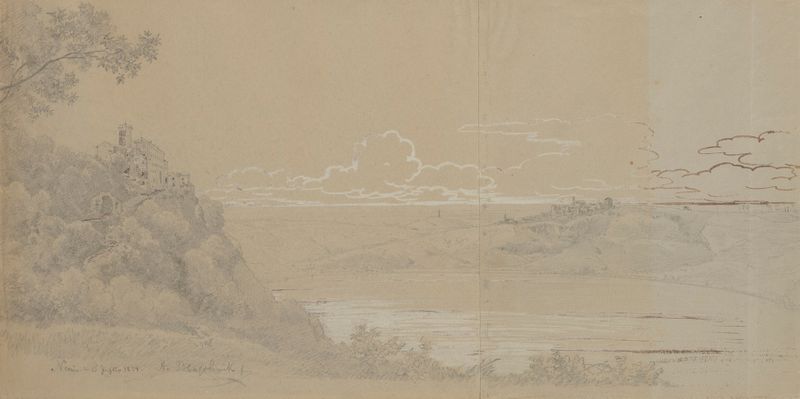
Palazzo Ruspoli by Lake Nemi, in the Distance the Town of Genzano di Roma
Arthur Blaschnik
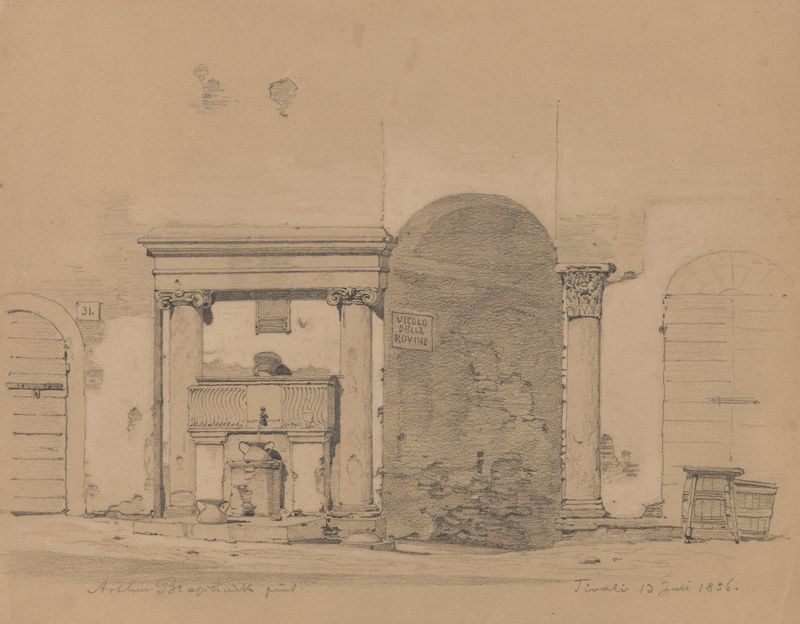
Gate Leading to Vicoli dei Grana near Piazza Palatina in Tivoli
Arthur Blaschnik
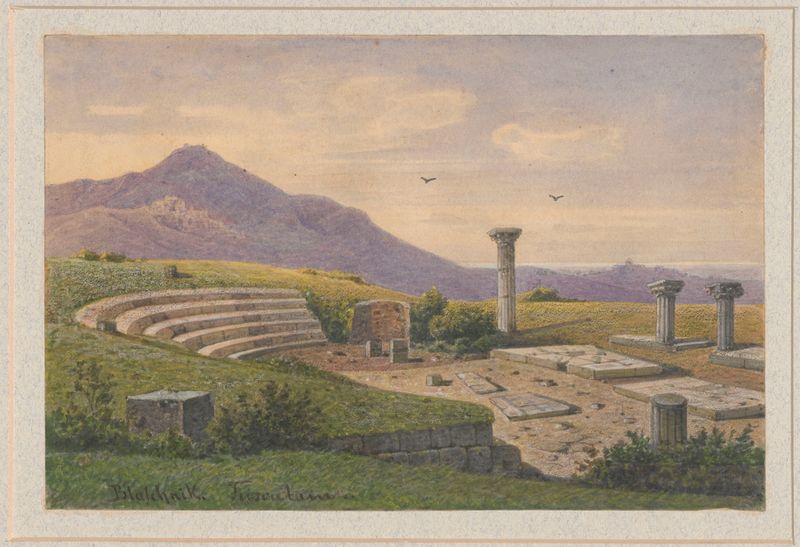
Amphitheatre in Tusculum
Arthur Blaschnik
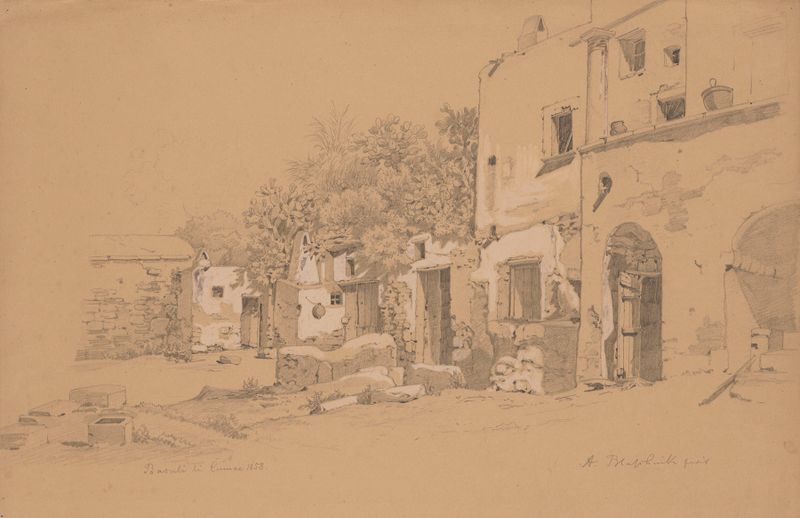
House and Outbuildings in Bacoli
Arthur Blaschnik
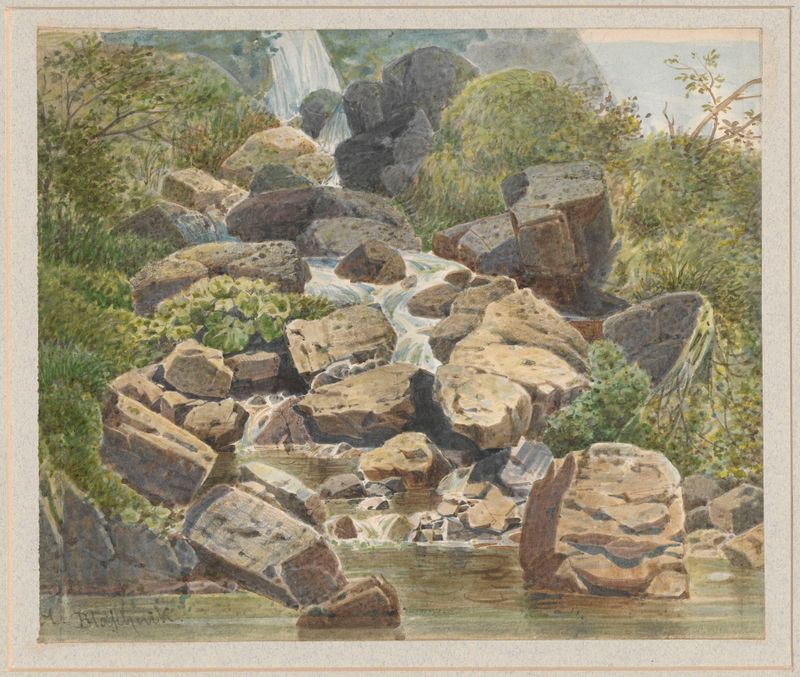
View of a small waterfall near Covigliaio, Tuscany
Arthur Blaschnik
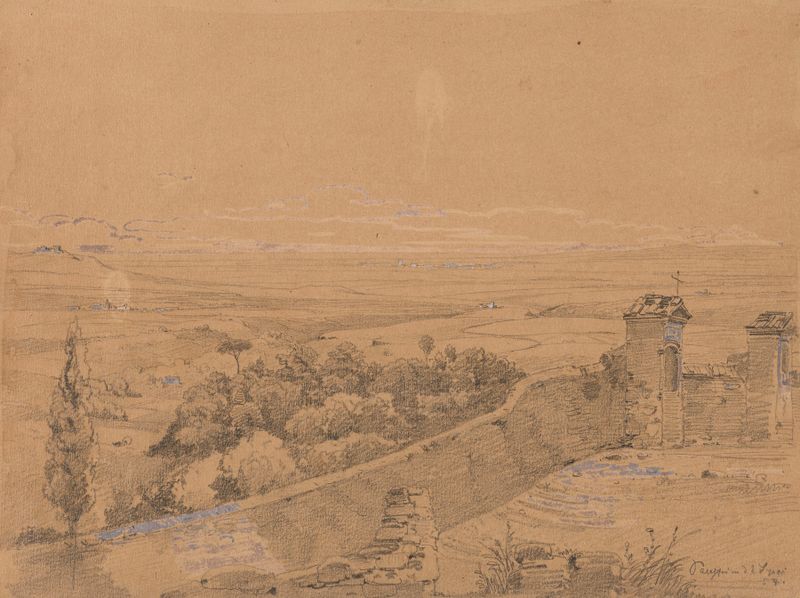
Landscape from the Vicinity of Palestrina
Arthur Blaschnik
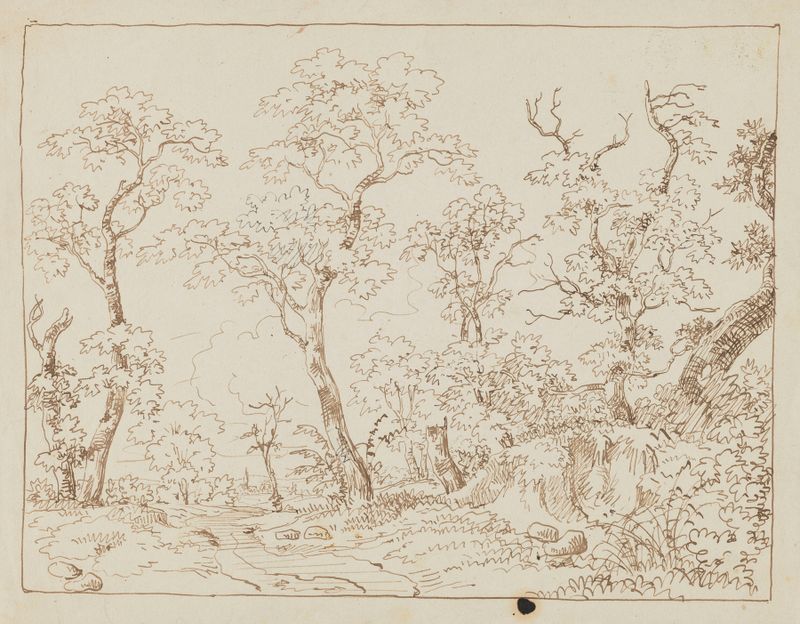
Studies of Trees, Landscape
Arthur Blaschnik
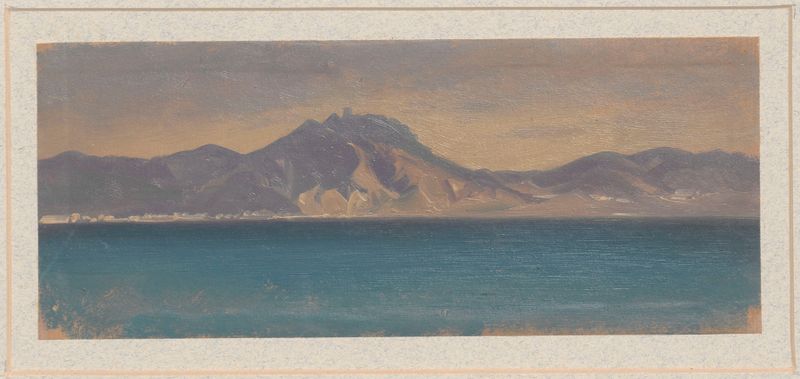
View of the Island of Capri
Arthur Blaschnik
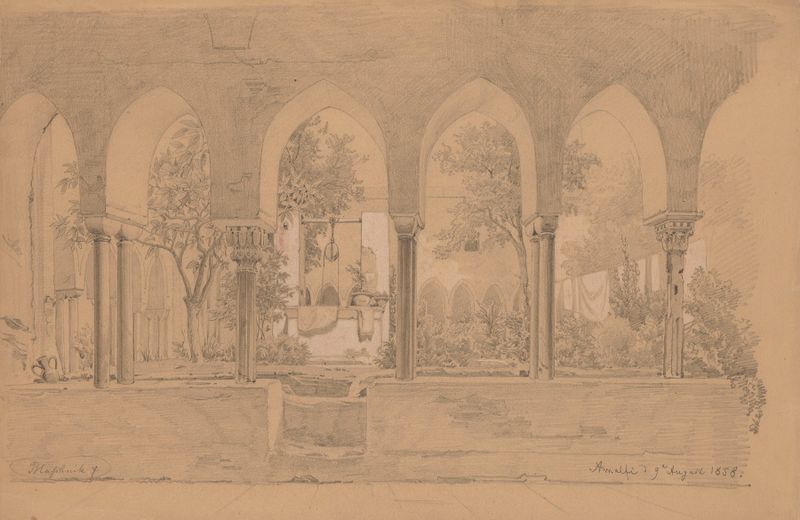
Cloister with Arcade Gallery in Amalfi
Arthur Blaschnik
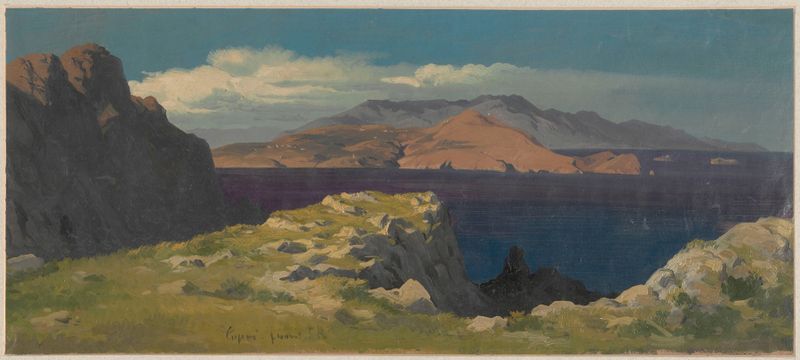
View of Capri
Arthur Blaschnik





