
The Karkonosze stream with rocks — History & Facts
In the stillness of nature, innocence finds its voice, whispering truths beneath the flowing current of life. Look to the left at the gentle cascade of the stream, where the water glistens under the soft touch of sunlight filtering through the trees. Notice how the artist captures the textures of the rocks, each one a testament to time, their surfaces rugged yet inviting. The palette, a symphony of greens and browns, underscores the vibrant life that flourishes in the shaded embrace of the surrounding flora.
It draws you into the serene scene, inviting contemplation. Yet, beneath its tranquil surface, the painting speaks of contrasts—the juxtaposition of rock and water, stability and fluidity, speaks to the innocence of nature, untouched by human interference. The careful placement of each element reflects a harmony that invites introspection; the viewer is reminded of the delicate balance between chaos and calm. The stillness within the stream becomes a metaphor for purity, while the rocks stand as eternal witnesses to the passage of time—a reminder of both fragility and resilience. Arthur Blaschnik created this piece between 1849 and 1851, during a time when Romanticism was flourishing in Europe.
Living in Germany, he was deeply influenced by the natural landscapes around him, which shaped his understanding of art as a means of expressing profound emotional truths. This period was marked by a growing appreciation for nature and the sublime, reflected in the artist's commitment to capturing the pristine beauty of the Karkonosze Mountains as a sanctuary of innocence.
More Artworks by Arthur Blaschnik
Browse all →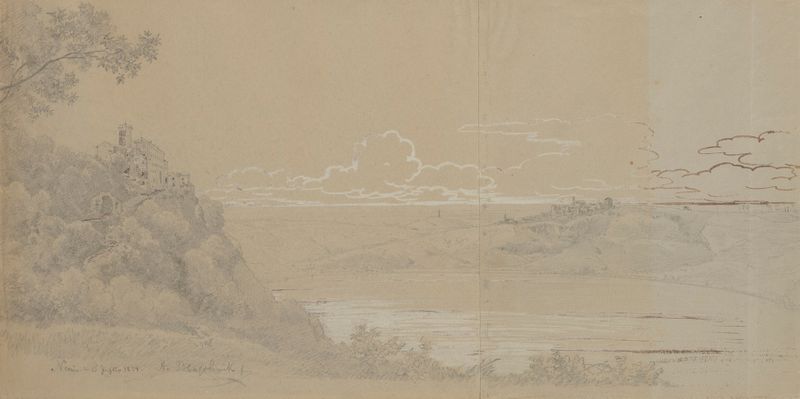
Palazzo Ruspoli by Lake Nemi, in the Distance the Town of Genzano di Roma
Arthur Blaschnik
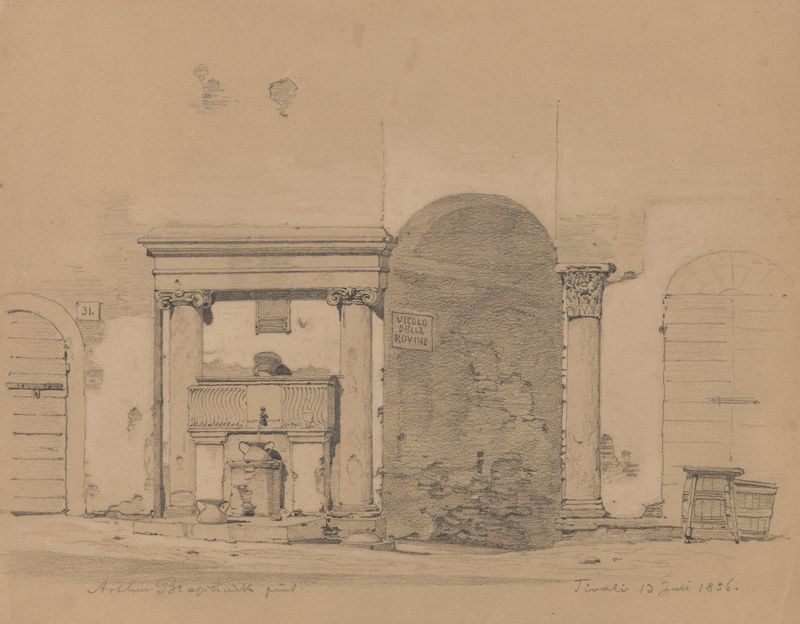
Gate Leading to Vicoli dei Grana near Piazza Palatina in Tivoli
Arthur Blaschnik
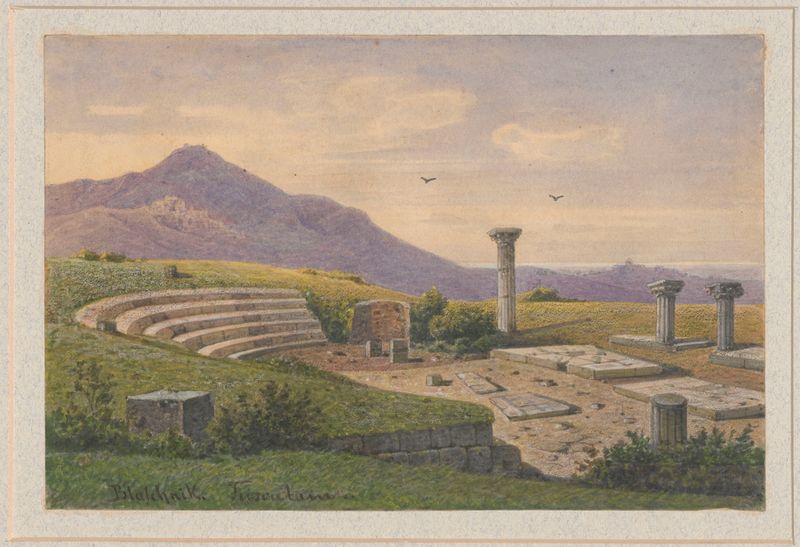
Amphitheatre in Tusculum
Arthur Blaschnik
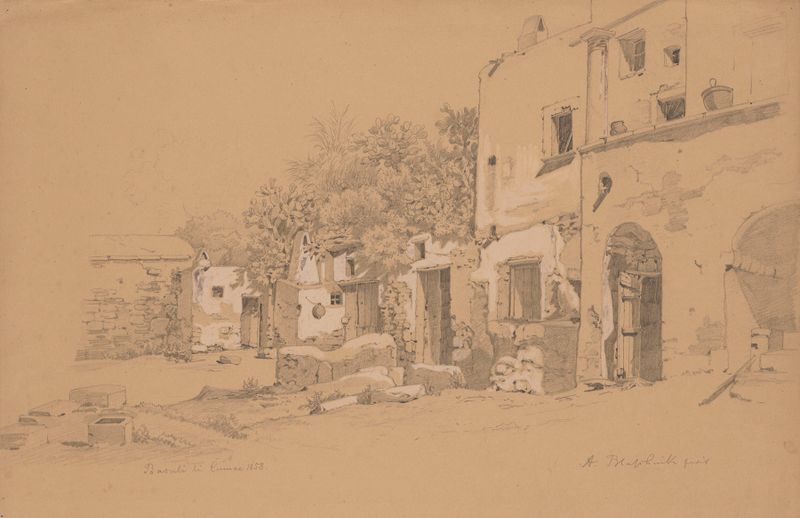
House and Outbuildings in Bacoli
Arthur Blaschnik
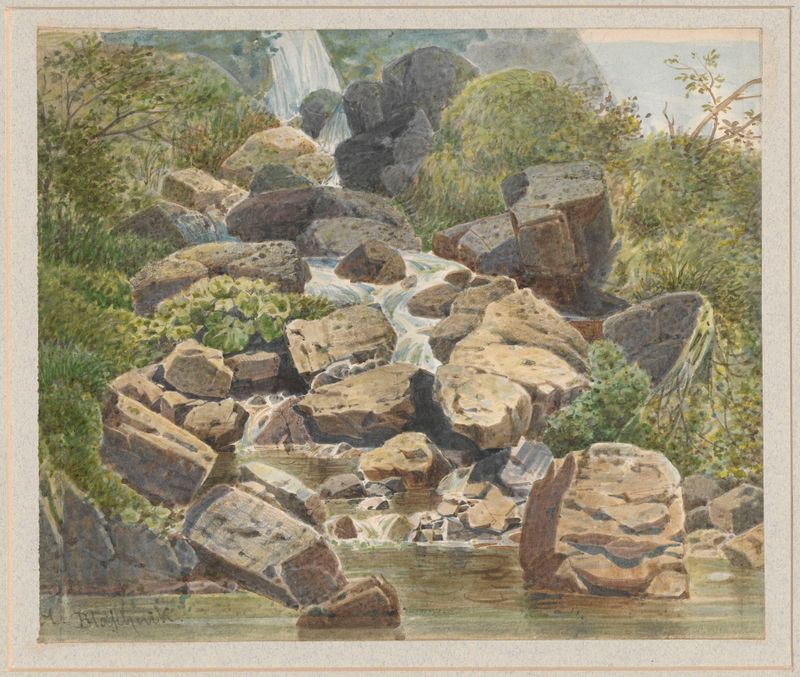
View of a small waterfall near Covigliaio, Tuscany
Arthur Blaschnik
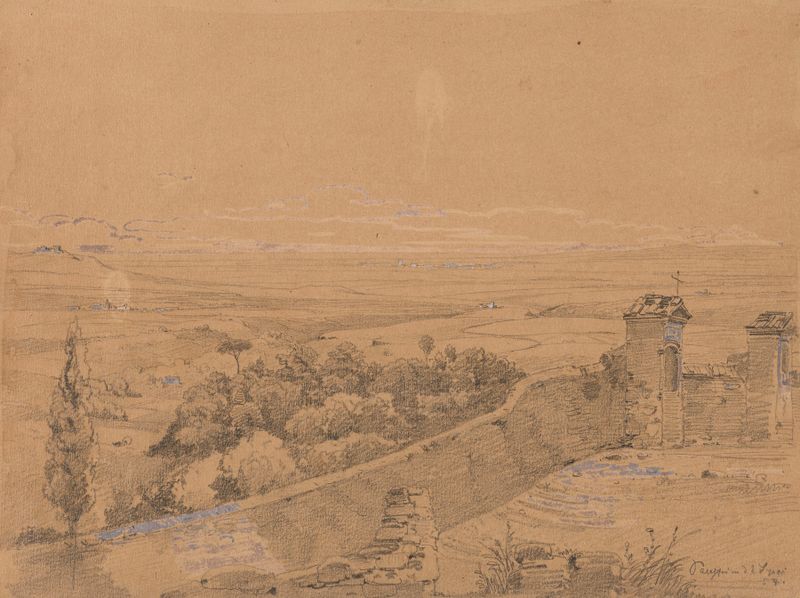
Landscape from the Vicinity of Palestrina
Arthur Blaschnik
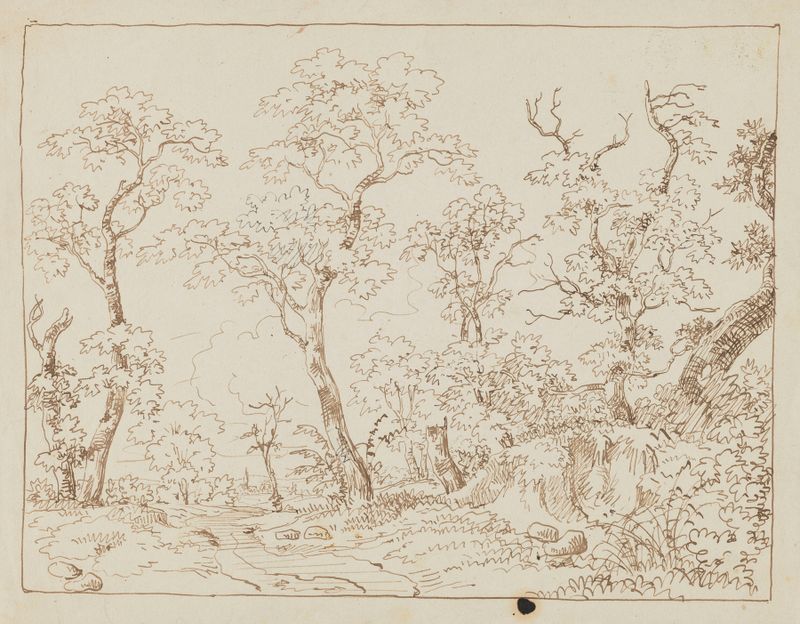
Studies of Trees, Landscape
Arthur Blaschnik
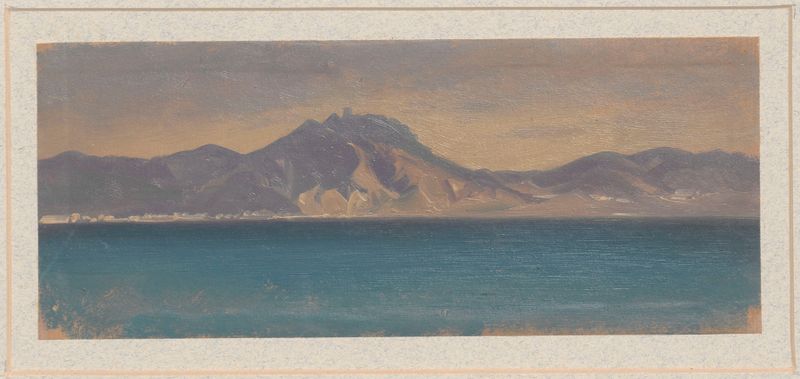
View of the Island of Capri
Arthur Blaschnik
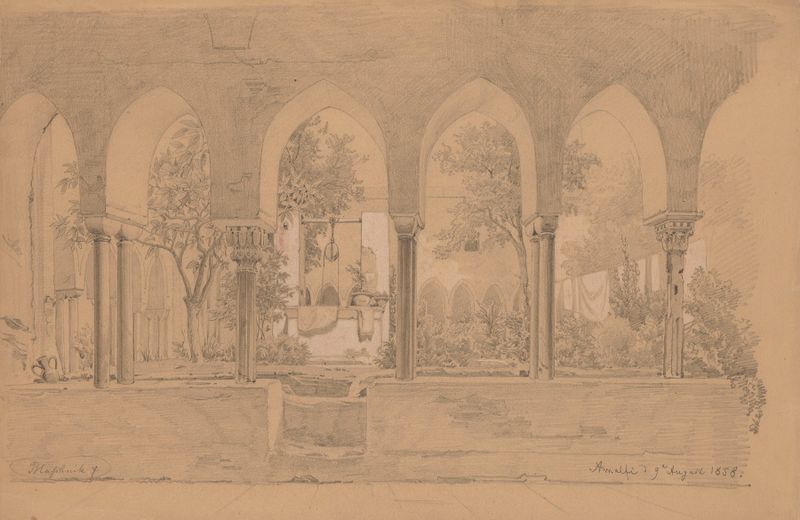
Cloister with Arcade Gallery in Amalfi
Arthur Blaschnik
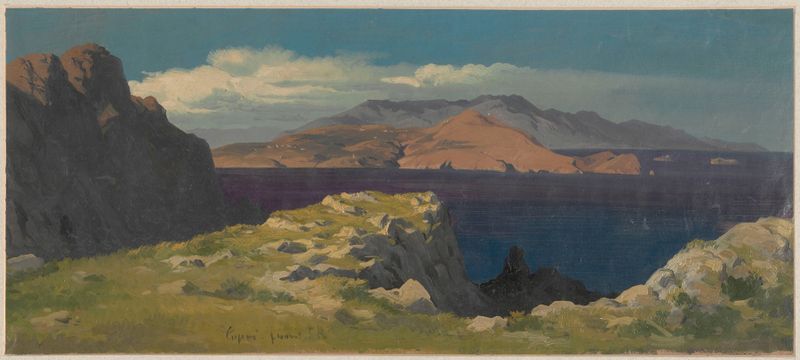
View of Capri
Arthur Blaschnik





