
The Labro Falls — History & Facts
When did color learn to lie? The vibrant hues of nature mask a deeper tumult, suggesting a world where beauty often conceals madness. Look to the center where cascading water plunges dramatically into the depths below, a masterful depiction of movement that draws the eye with a sense of urgency. The interplay of greens and blues creates a lush landscape that envelops the viewer, while dappled sunlight dances on the surface, illuminating the wild beauty. Notice how the rocky outcrops jut out, their jagged edges contrasting with the smooth flow of the falls, embodying a tension between chaos and serenity. In the foreground, a solitary figure gazes contemplatively at the water, their presence evoking feelings of solitude amid nature’s fury.
This juxtaposition of the human spirit against the relentless force of the falls speaks to the fragility of existence, where moments of clarity can be clouded by overwhelming emotion. The wildness of the landscape, though picturesque, hints at an underlying madness—nature's beauty intertwined with the chaos of life. Created in 1838, this piece emerged during a period when the artist was exploring his own emotional depths, grappling with the sublime in nature. Living in Norway, Fearnley was part of a Romantic movement that celebrated both beauty and tumult, mirroring the societal shifts and internal conflicts of the time.
The painting reflects not just a physical landscape, but a psychological one, capturing the essence of an era steeped in both natural wonder and existential inquiry.
More Artworks by Thomas Fearnley
Browse all →
Norwegian Landscape, Marumfoss
Thomas Fearnley

View of the Oslofjord
Thomas Fearnley

Gudvangen
Thomas Fearnley

Stormy Landscape with a Rider
Thomas Fearnley
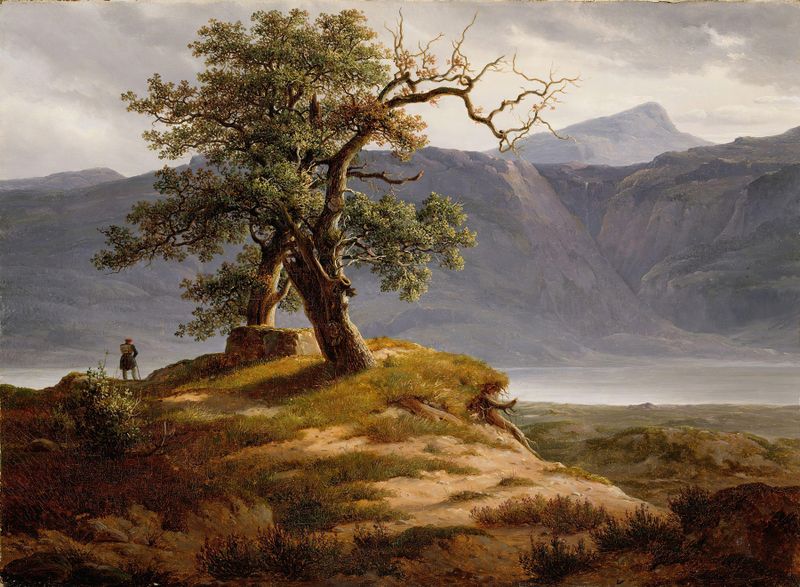
Landscape with a Wanderer
Thomas Fearnley
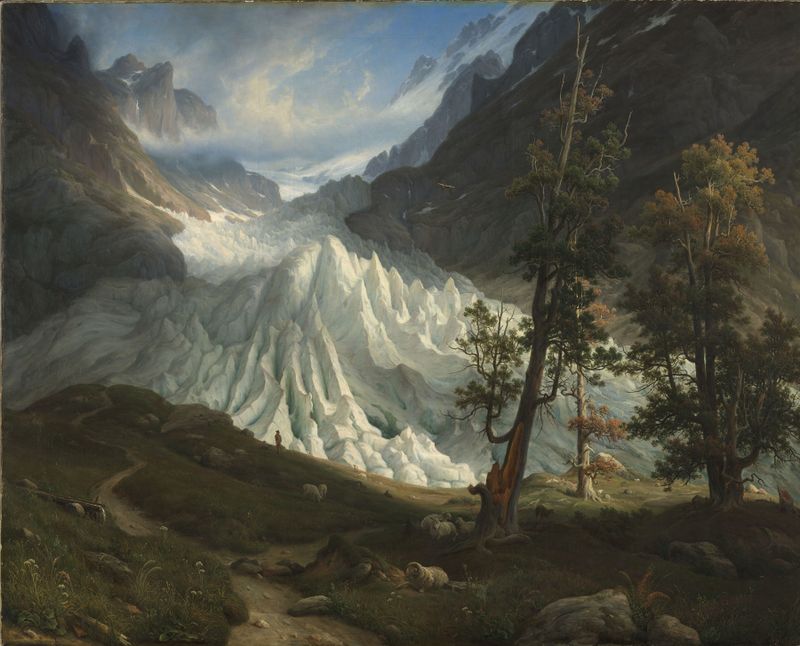
The Grindelwaldgletscher
Thomas Fearnley

Clouds over the Fjord
Thomas Fearnley
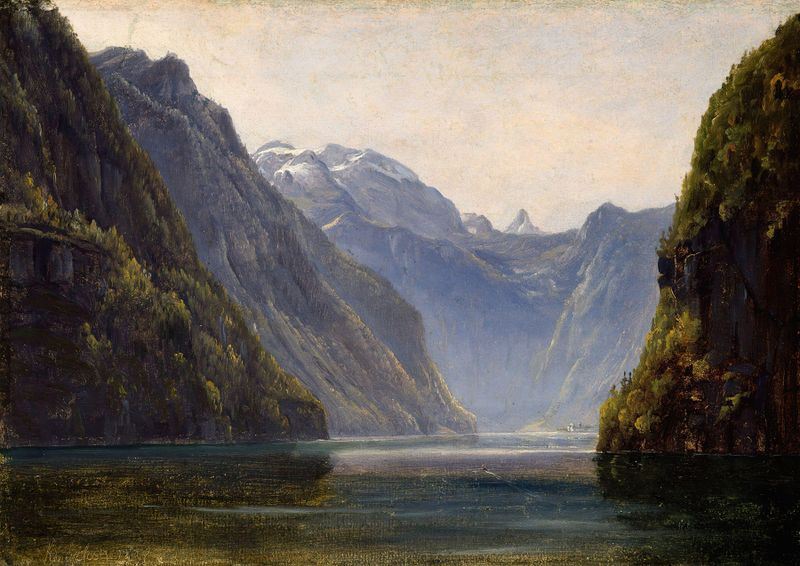
From Königssee
Thomas Fearnley

The Bridge of Hauge outside Arendal
Thomas Fearnley

King Vilhelm II’s ceremonial Processsion in Amsterdam in 1840
Thomas Fearnley





