
The Labro Falls — History & Facts
Can beauty exist without sorrow? In The Labro Falls, the juxtaposition of cascading water and the rugged landscape invites contemplation of hope amidst nature's raw power. Look to the left at the vibrant greens and the churning falls where water tumbles with a forceful grace. From there, your gaze can drift right to the distant mountains, their majestic peaks caught in a brooding haze. The artist employs a rich palette of earthy tones contrasting with the luminous whites of the falls, which seem to pulse with life.
Strokes of light dance across the surface, highlighting the tumultuous energy of the scene while framing the serenity of the quieter valleys beyond. Hidden within this canvas are emotional tensions that explore the dichotomy of strength and vulnerability. The relentless rush of water symbolizes the unstoppable passage of time, while the stillness of the surrounding trees offers a moment of respite, emphasizing the balance between chaos and tranquility. Together, they invite viewers to reflect on life’s ebbs and flows, revealing that hope can emerge even from tumultuous circumstances. Thomas Fearnley created this work in 1836 while living in Norway, a period marked by his growing interest in capturing dramatic landscapes.
The Romantic movement was in full swing, with artists seeking to evoke emotion through nature. During this time, Fearnley was developing his unique style, influenced by the sublime beauty of his surroundings, while simultaneously striving to convey deep emotional truths in his art.
More Artworks by Thomas Fearnley
Browse all →
Norwegian Landscape, Marumfoss
Thomas Fearnley

View of the Oslofjord
Thomas Fearnley

Gudvangen
Thomas Fearnley

Stormy Landscape with a Rider
Thomas Fearnley
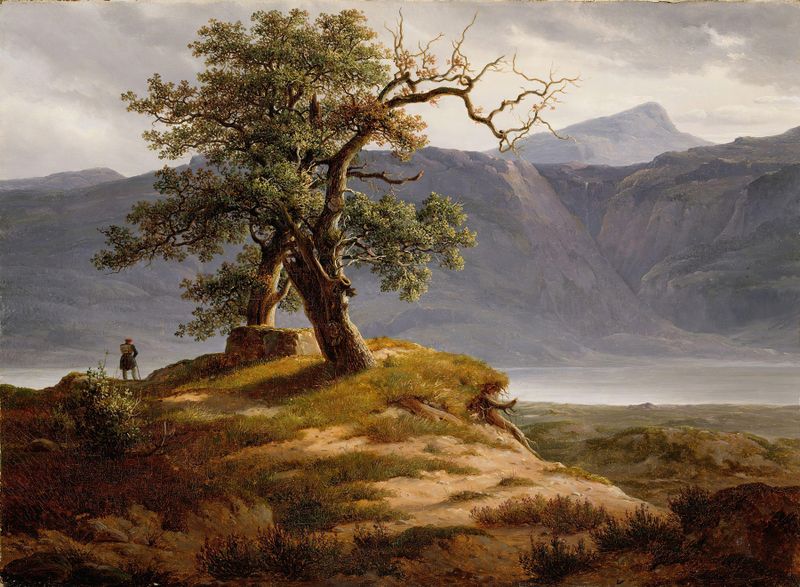
Landscape with a Wanderer
Thomas Fearnley
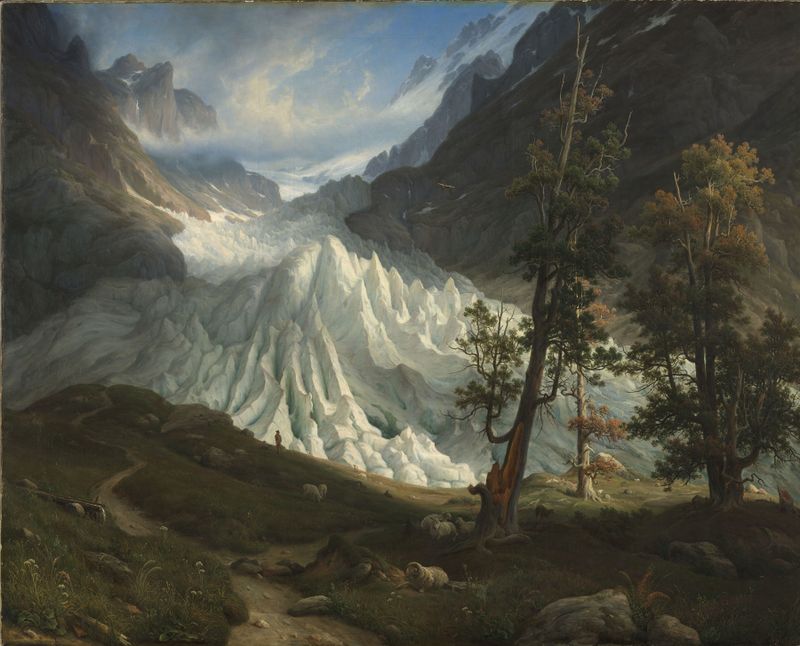
The Grindelwaldgletscher
Thomas Fearnley

Clouds over the Fjord
Thomas Fearnley
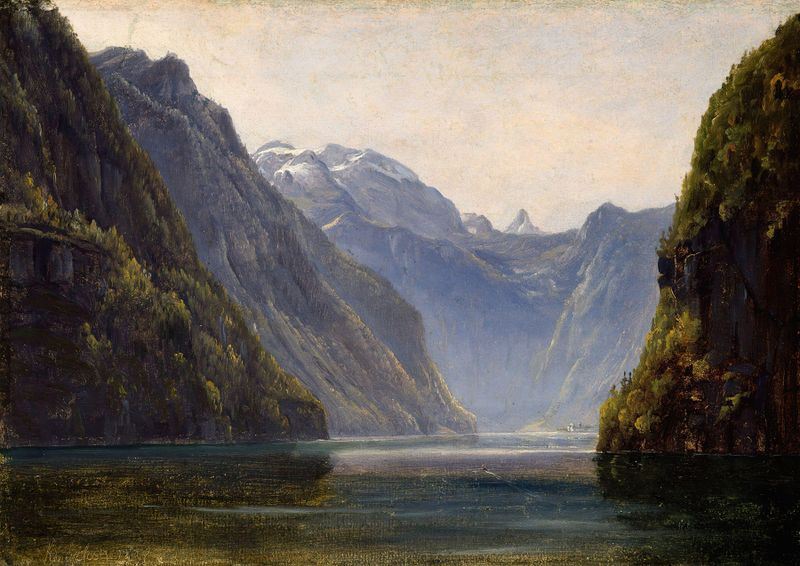
From Königssee
Thomas Fearnley

The Bridge of Hauge outside Arendal
Thomas Fearnley

King Vilhelm II’s ceremonial Processsion in Amsterdam in 1840
Thomas Fearnley





