
The Labro Falls at Kongsberg — History & Facts
What if beauty was never meant to be finished? In Thomas Fearnley’s The Labro Falls at Kongsberg, the shadows play a vital role, whispering secrets of nature’s unfinished symphony. Look to the left where the cascading water tumbles with vigor, its foamy surface catching the light and contrasting sharply against the darker hues of the rock face. Notice how Fearnley skillfully employs a palette of greens and browns to ground the scene, creating a lush vibrancy that draws your eye into the heart of the landscape. The light breaks through the surrounding trees, illuminating the mist that dances above the water, while the shadows linger, suggesting depth and mystery. The interplay of light and shadow reveals an emotional tension: the purity of the falls juxtaposed with the dark, rugged terrain around it.
Each shadow seems to hint at untold stories, inviting contemplation about the passage of time and the impermanence of beauty. The painter’s choice to capture not just the scenery but its transient qualities speaks to the fragility of nature and existence, allowing viewers to reflect on their own fleeting experiences. In 1837, while creating this piece in Norway, Fearnley was deeply influenced by the Romantic movement, which celebrated nature’s magnificence and unpredictability. This period was marked by a growing appreciation for emotional expression in art, and Fearnley was at the forefront, merging his love for the Norwegian landscape with the broader themes of human experience.
His work stood as a testament to the sublime, capturing both the grandeur and the subtlety of the natural world during a time of artistic exploration and upheaval.
More Artworks by Thomas Fearnley
Browse all →
Norwegian Landscape, Marumfoss
Thomas Fearnley

View of the Oslofjord
Thomas Fearnley

Gudvangen
Thomas Fearnley

Stormy Landscape with a Rider
Thomas Fearnley
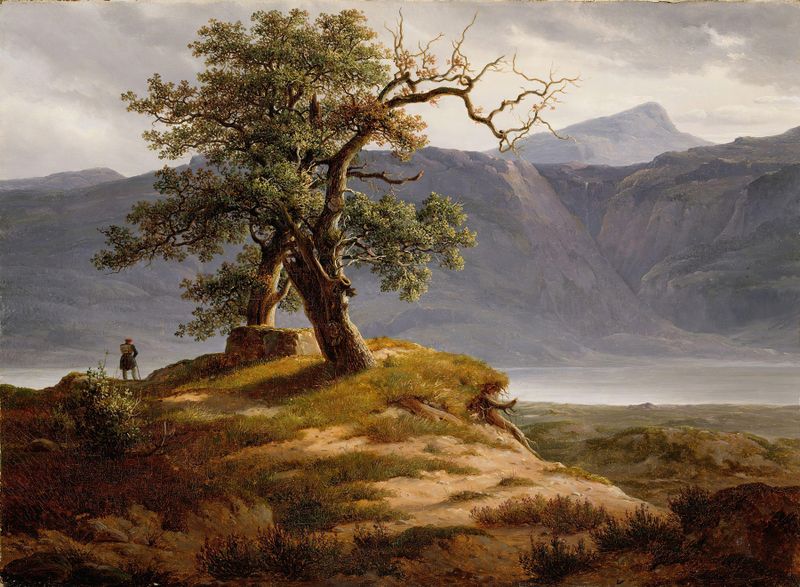
Landscape with a Wanderer
Thomas Fearnley
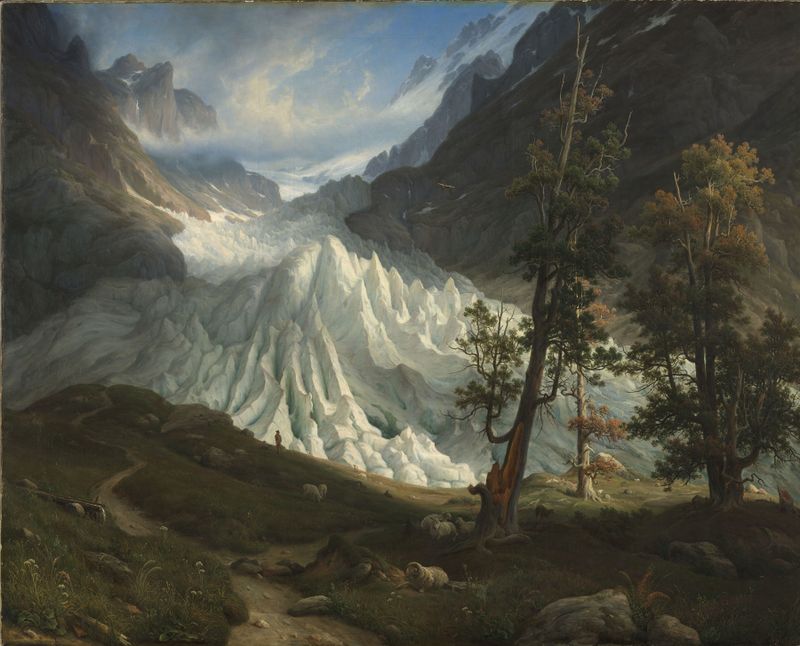
The Grindelwaldgletscher
Thomas Fearnley

Clouds over the Fjord
Thomas Fearnley
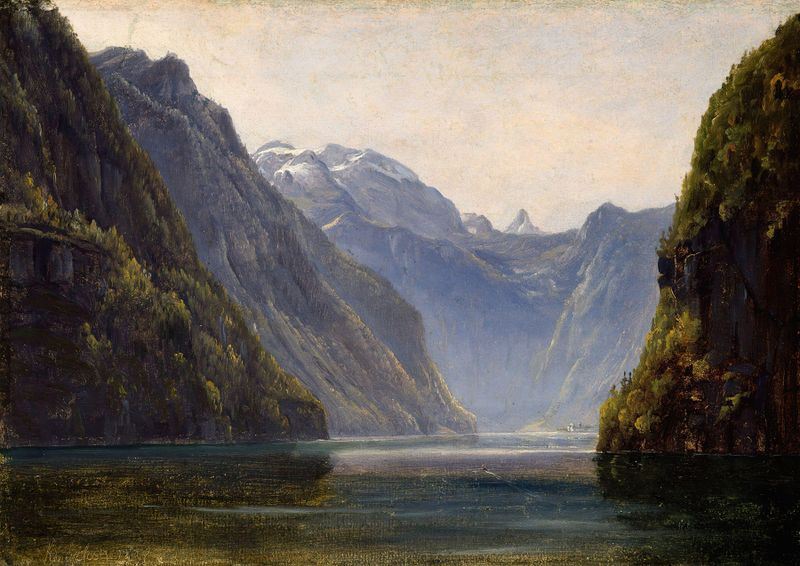
From Königssee
Thomas Fearnley

The Bridge of Hauge outside Arendal
Thomas Fearnley

King Vilhelm II’s ceremonial Processsion in Amsterdam in 1840
Thomas Fearnley





