
The Lake of Zug — History & Facts
When did color learn to lie? In a world where hues evoke both memory and illusion, Turner beckons us to explore the thin veil between reality and the dreamlike. To appreciate this work, look to the luminous waters stretching across the canvas, reflecting a symphony of blues and greens that seem to pulsate with life. Notice how the soft brushstrokes create a delicate interplay between light and shadow, inviting you to get lost in the serene yet enigmatic landscape. The horizon, kissed by a tender glow, draws the eye toward the gentle rise of the distant hills, while wisps of clouds float effortlessly above, as if caught in a moment of quiet contemplation. Yet beneath this picturesque serenity lies a deeper dichotomy, a tension between peace and the unknown.
The almost ethereal quality of the colors suggests a rebirth of the landscape—a transition between the familiar and the otherworldly. Here, nature is both a refuge and a mystery, hinting at the restorative power of water while simultaneously inviting contemplation of its depths. The juxtaposition of vibrant color with subdued forms evokes an emotional resonance that speaks to our longing for connection and understanding. In 1843, Turner painted this piece during a period of profound personal and artistic exploration.
Living in London, he was experimenting with light and color in ways that challenged traditional boundaries, reflecting his quest to capture the sublime in nature. This exploration mirrored the broader Romantic movement, as artists began to embrace emotion and individual perception, paving the way for future artistic revolutions.
More Artworks by Joseph Mallord William Turner
Browse all →
Dort or Dordrecht- The Dort Packet-Boat from Rotterdam Becalmed
Joseph Mallord William Turner
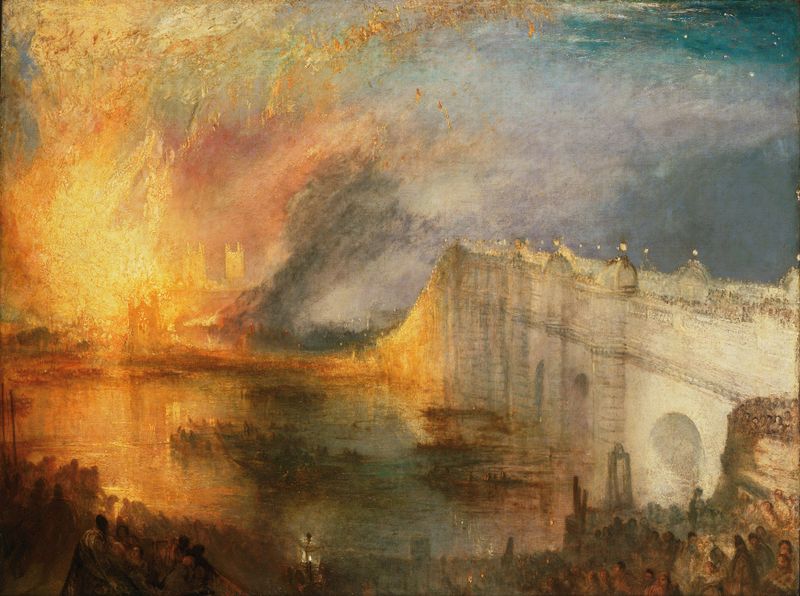
The Burning of the Houses of Lords and Commons, October 16, 1834
Joseph Mallord William Turner
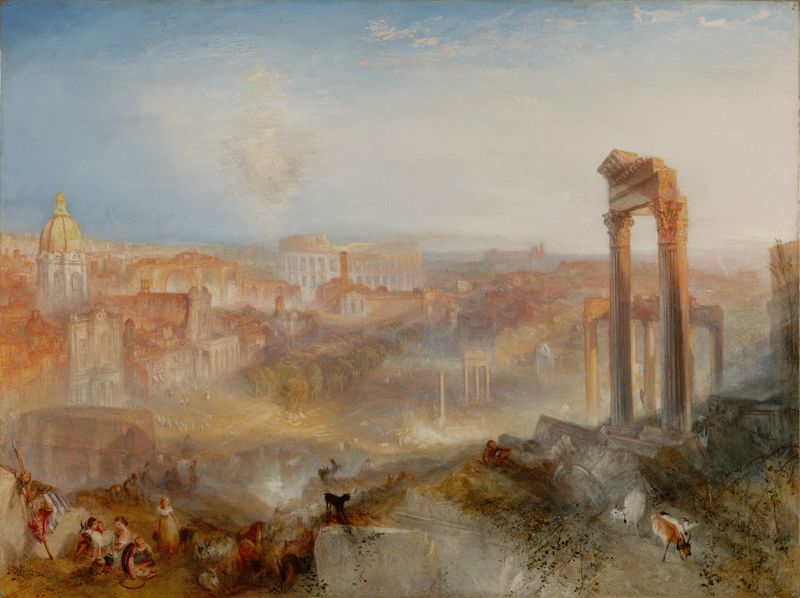
Modern Rome – Campo Vaccino
Joseph Mallord William Turner
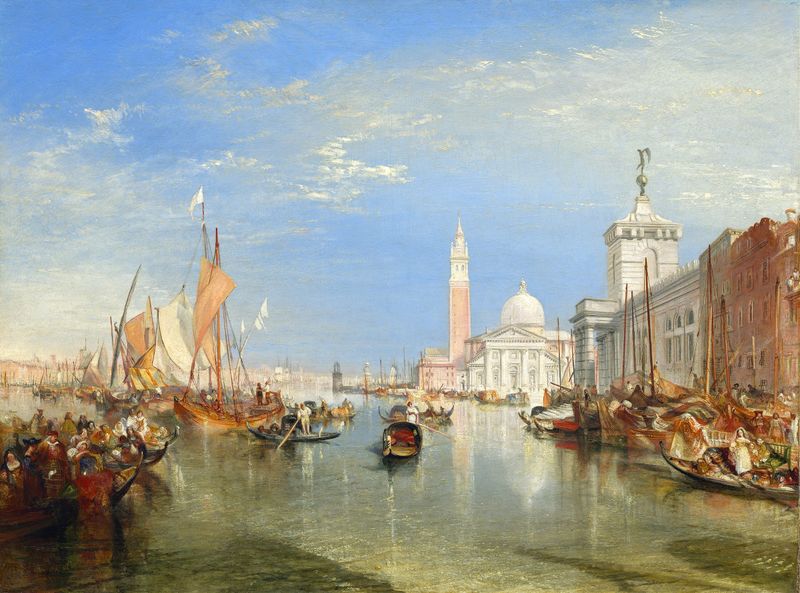
Venice – The Dogana and San Giorgio Maggiore
Joseph Mallord William Turner

The Burning of the Houses of Lords and Commons, 16 October 1834
Joseph Mallord William Turner
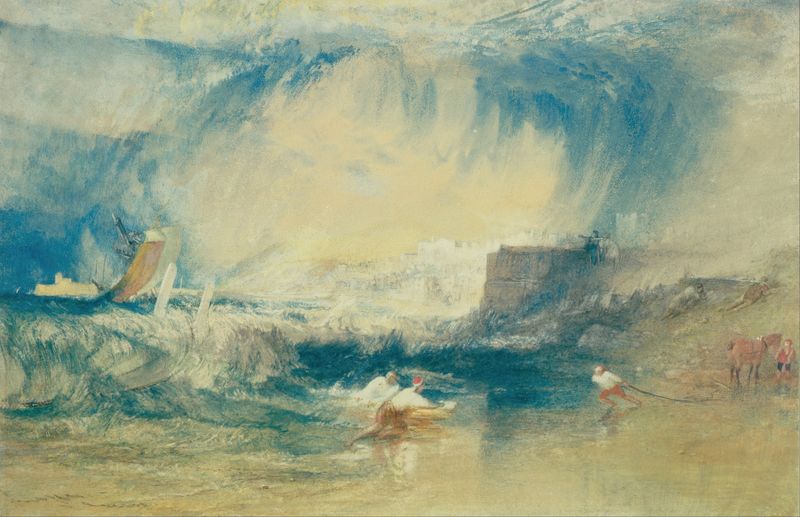
Lyme Regis, Dorsetshire, England
Joseph Mallord William Turner
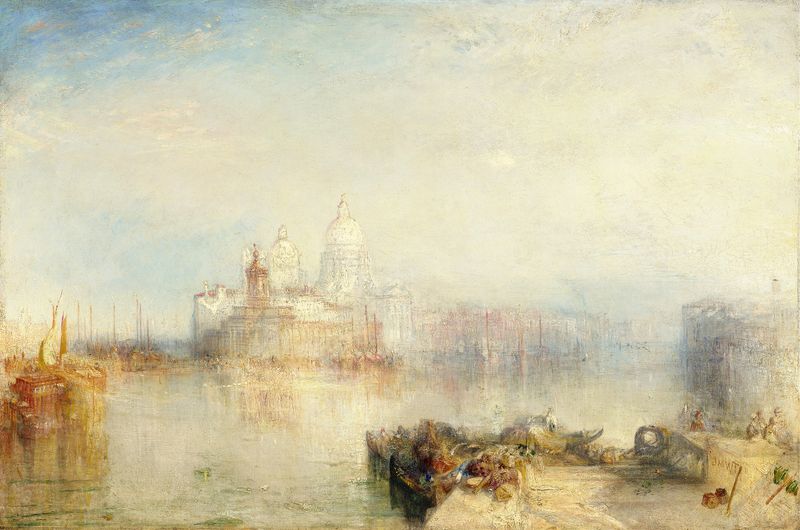
The Dogana and Santa Maria della Salute, Venice
Joseph Mallord William Turner
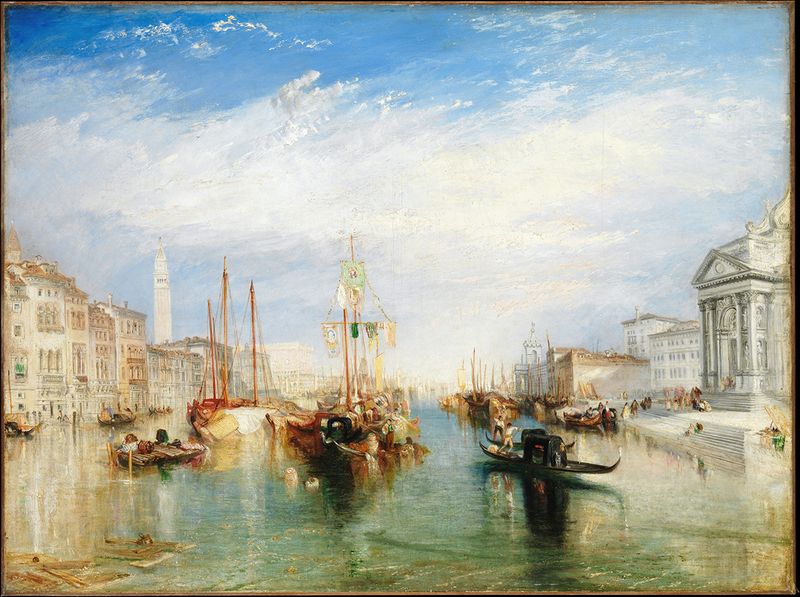
Venice, from the Porch of Madonna della Salute
Joseph Mallord William Turner
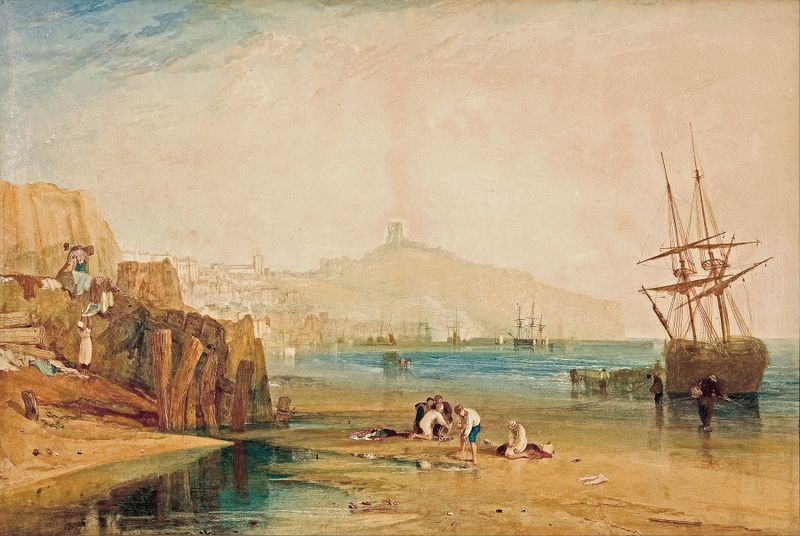
Scarborough town and castle; morning; boys catching crabs
Joseph Mallord William Turner
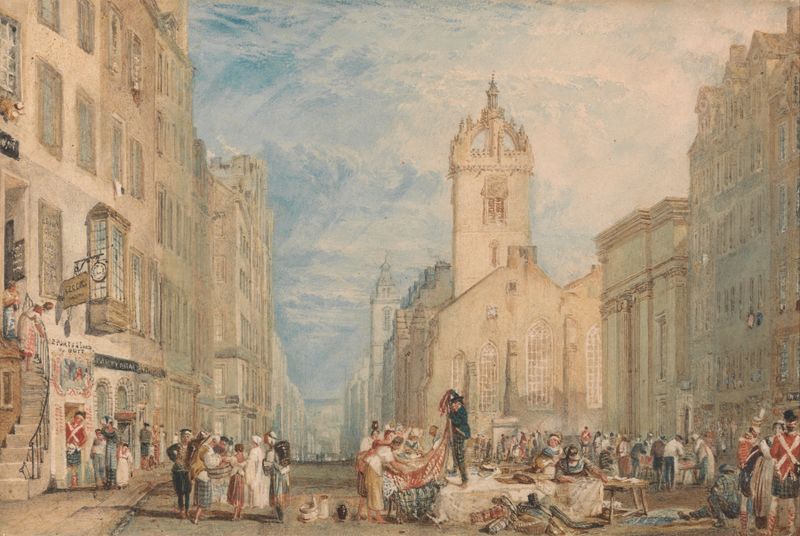
High Street, Edinburgh
Joseph Mallord William Turner





