
The Land of Nodd — History & Facts
In a time when reality often overshadows the imagination, The Land of Nodd invites viewers to a sanctuary where truth and whimsy intertwine, urging us to delve deeper into our own dreams. Look to the center of the canvas, where a tranquil figure reclines amid a soft, ethereal landscape. Surrounded by gentle hues of pastel greens and lilacs, the scene unfolds with a painterly brushstroke that dances between impressionism and fantasy. The delicate interplay of light and shadow creates a serene atmosphere, drawing the eye to the dreamer, who embodies the essence of tranquility.
Each stroke conveys a sense of fluidity, as if the very essence of slumber flows from the canvas. The juxtaposition of the dreamer and the lush backdrop reveals the tension between the conscious and the subconscious. Subtle elements, like the wispy clouds that seem to embrace the figure and the playful, almost sentient flora, suggest that this land is not merely a place of respite but a portal to introspection. The dreamer's peaceful demeanor contrasts sharply with the chaos of the waking world, prompting reflections on the necessity of escape and the exploration of one's inner landscape. Painted between 1887 and 1893, the work emerged during a significant period for its creator.
Weir was actively engaging with impressionism while establishing his own unique style, influenced by the American avant-garde. At this time, the art world was buzzing with experimentation and a longing for authenticity—an echo of the broader societal shifts that sought to embrace the complexities of human emotion and the realms beyond reality.
More Artworks by Julian Alden Weir
Browse all →
My Back Yard no. 1
Julian Alden Weir
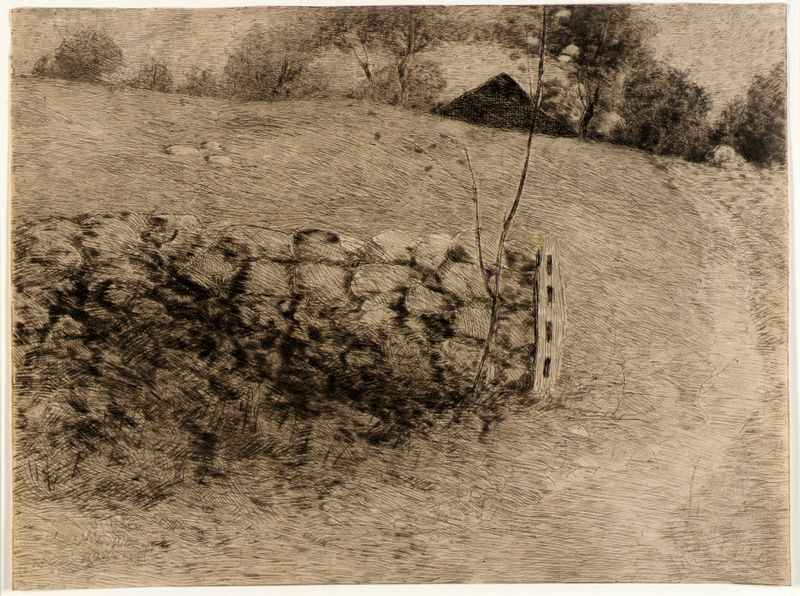
The Barn Lot
Julian Alden Weir

The Webb Farm
Julian Alden Weir
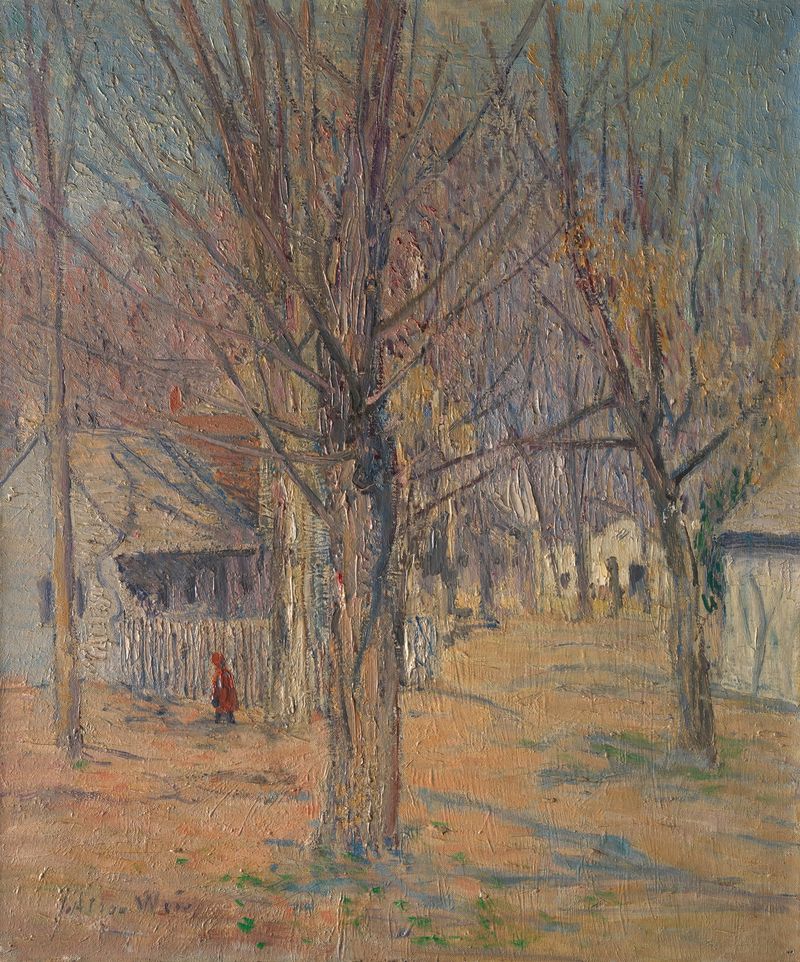
Connecticut Village (Going to School)
Julian Alden Weir

The Stone Bridge
Julian Alden Weir

The Webb Farm 2
Julian Alden Weir
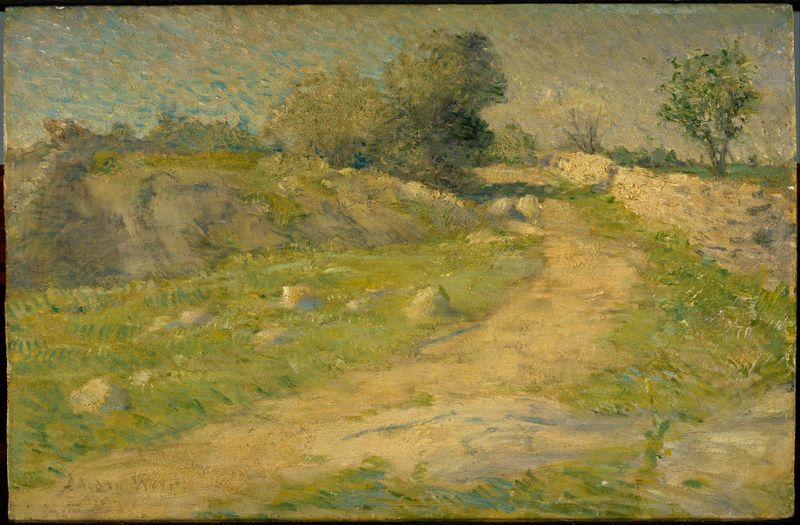
The Lane
Julian Alden Weir
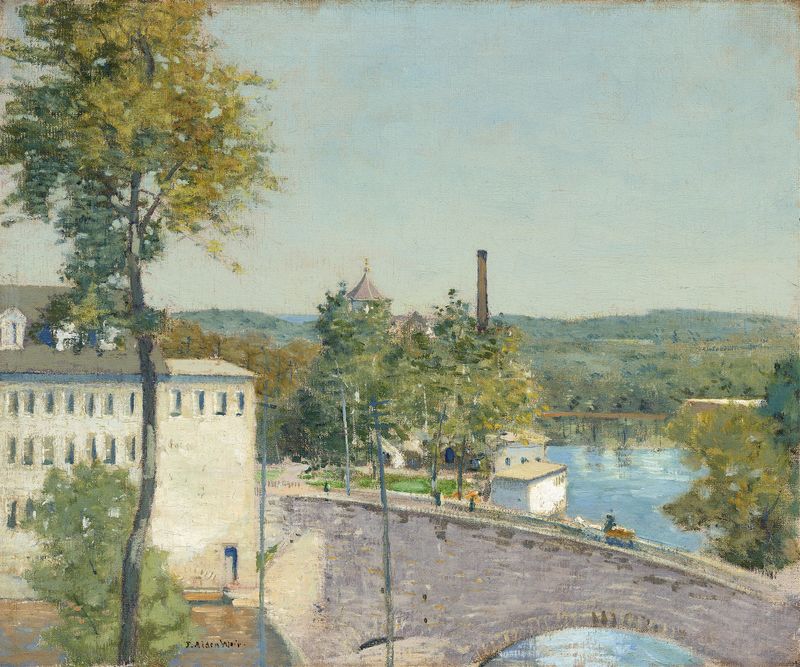
U.S. Thread Company Mills,Willimantic,Connecticut
Julian Alden Weir

Neighboring Farm
Julian Alden Weir

Coon Alley
Julian Alden Weir





