The large lion hunt — History & Facts
Art reveals the soul when the world turns away. It captures the tumult of emotions that often remains unspoken, resonating deeply like a hidden sorrow. Focus on the raw power of the lion in The Large Lion Hunt, where fierce brushstrokes convey both the magnificence and tragedy of the hunt. Look closely at the figures surrounding the beast, their expressions etched in a blend of determination and dread.
Notice how the warm hues of ochre and deep browns contrast sharply with the cold, stark whites of the lion's fur, illuminating the tension between man and nature. Delve into the hunt's implications, where the triumphant pursuit masks an underlying grief for the loss of wildness. The chaotic movement of hunters, bared blades in hand, hints at the fragile balance between humanity's ambition and the primal instincts of the animal kingdom. Here, the lion embodies more than mere prey; it symbolizes nature's majesty, coiled tightly in the grip of destruction. In 1641, Rembrandt was firmly established in Amsterdam, navigating a world rife with both artistic revolution and personal turmoil.
The Baroque era was unfolding, celebrating dynamic compositions and emotional depth. Yet, the artist faced loss in his own life, which may have shaped the poignant layers of meaning that reverberate within this dramatic scene. It reflects not only his technical prowess but also a profound engagement with the themes of mortality and the human condition.
More Artworks by Rembrandt van Rijn
Browse all →
The Night Watch Militia Company of District II under the Command of Captain Frans Banninck Cocq
Rembrandt van Rijn

The Return of the Prodigal Son
Rembrandt van Rijn

The Hundred Guilder Print: the figures leaning on the wall in the centre left
Rembrandt van Rijn

The Hundred Guilder Print: the central piece with Christ preaching, the plate arched
Rembrandt van Rijn

Isaac and Rebecca, Known as ‘The Jewish Bride’
Rembrandt van Rijn
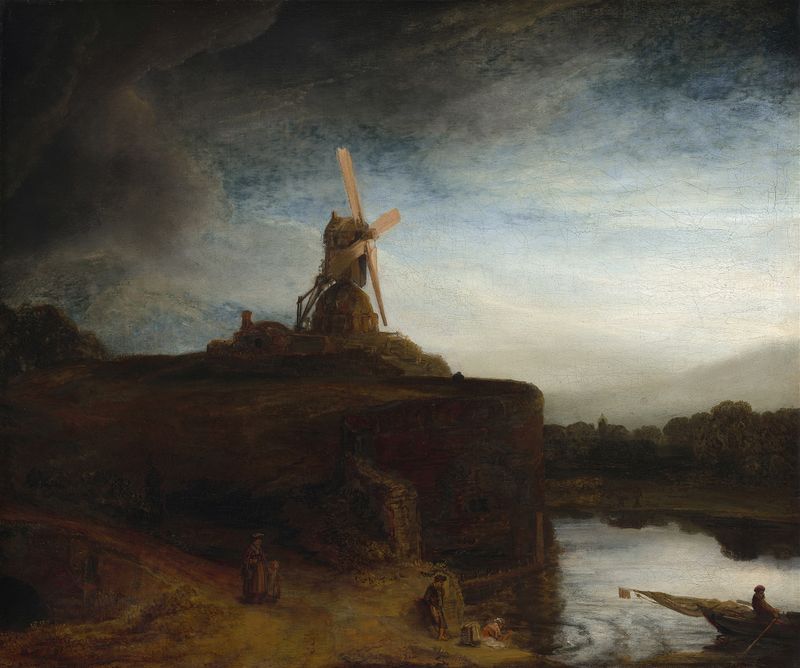
The Mill
Rembrandt van Rijn

The Sampling Officials of the Amsterdam Drapers’ Guild, Known as ‘The Syndics’
Rembrandt van Rijn

The return of the prodigal son
Rembrandt van Rijn
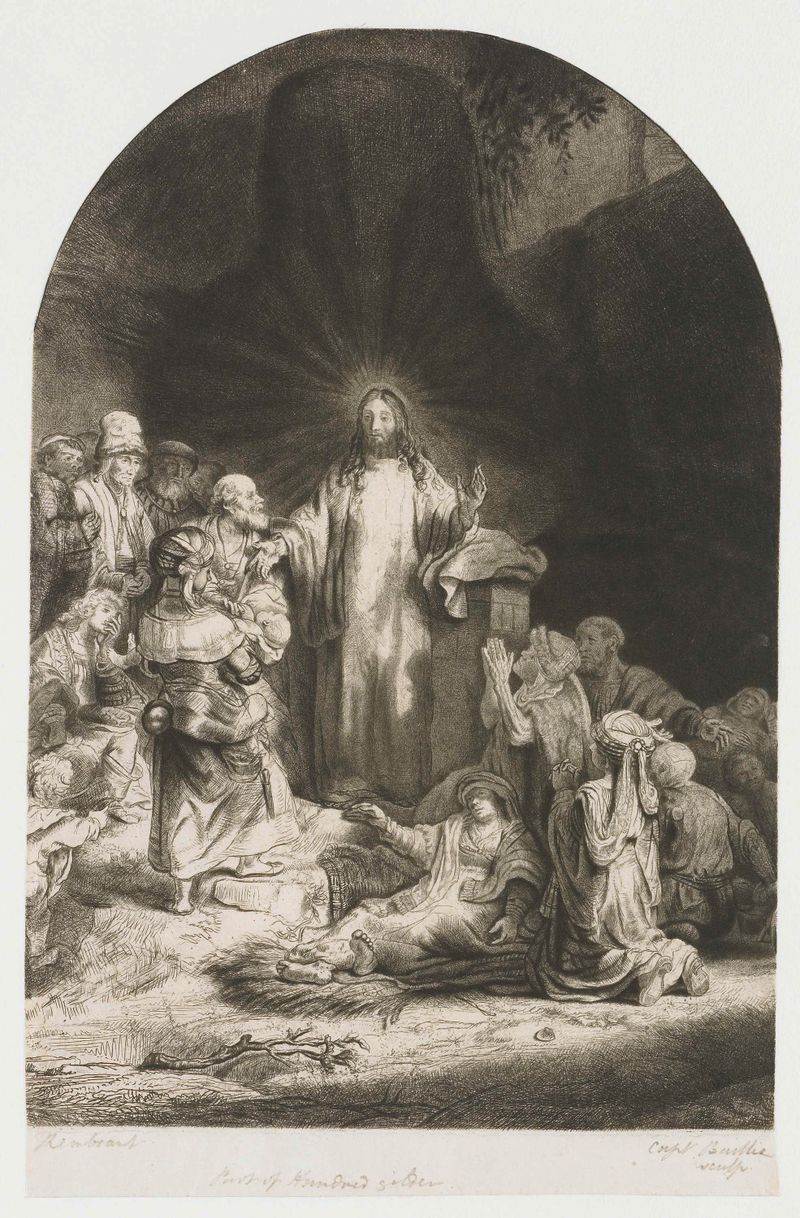
The Hundred Guilder Print: the central piece with Christ preaching, the plate arched
Rembrandt van Rijn

The Hundred Guilder Print: the man seen on the back in the lower left corner
Rembrandt van Rijn