
The Last Supper — History & Facts
In a dimly lit room filled with solemnity, a long table is set, adorned with an array of bread and wine. The figures, adorned in draped robes, gather around, their expressions a mix of anticipation and revelation. Light streams in from an unseen source, casting soft shadows that dance upon the walls, as a moment of profound significance unfolds — the air heavy with unspoken emotions and the weight of destiny. Look to the center of the painting, where the figure of Christ is positioned, exuding calm amidst the turmoil.
The meticulous detailing of the bread and wine draws the eye immediately, inviting contemplation of their symbolic meanings. Notice how the rich hues of deep reds and golds contrast sharply with the muted earth tones of the surrounding figures, illustrating the divine amidst the mundane. Each gesture, from the reaching hands to the downcast gazes, tells a story of connection and separation, hope and despair. In the delicate interplay of light, color, and form, deeper themes emerge.
The expressions of the disciples reveal a range of emotions — confusion, sorrow, and reverence — emphasizing the gravity of the moment. The juxtaposition between the heavenly quality of Christ and the earthly dilemmas of his followers invites the viewer to ponder the intersection of the divine and human experience, showcasing the tension of faith in the face of impending betrayal. Gerard de Lairesse created this masterpiece during the mid-17th century in the Netherlands, a time marked by the Baroque movement's embrace of dramatic lighting and emotional depth. As the art world was evolving, Lairesse was influenced by the grand compositions of his predecessors while striving to convey personal interpretations of spiritual themes.
This piece reflects his profound engagement with religious subject matter during a period filled with both artistic innovation and spiritual introspection.
More Artworks by Gerard de Lairesse
Browse all →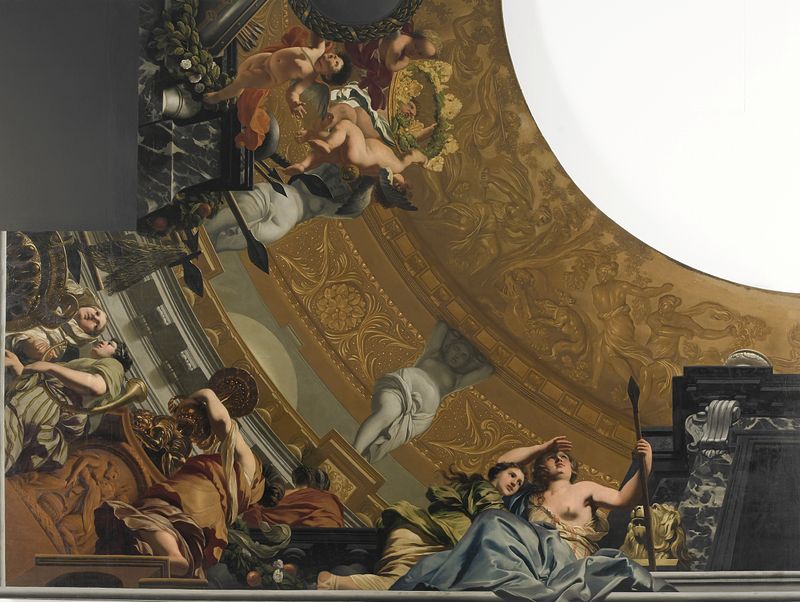
Ceiling painting with Diana and her companions
Gerard de Lairesse

Allegory of Fame
Gerard de Lairesse
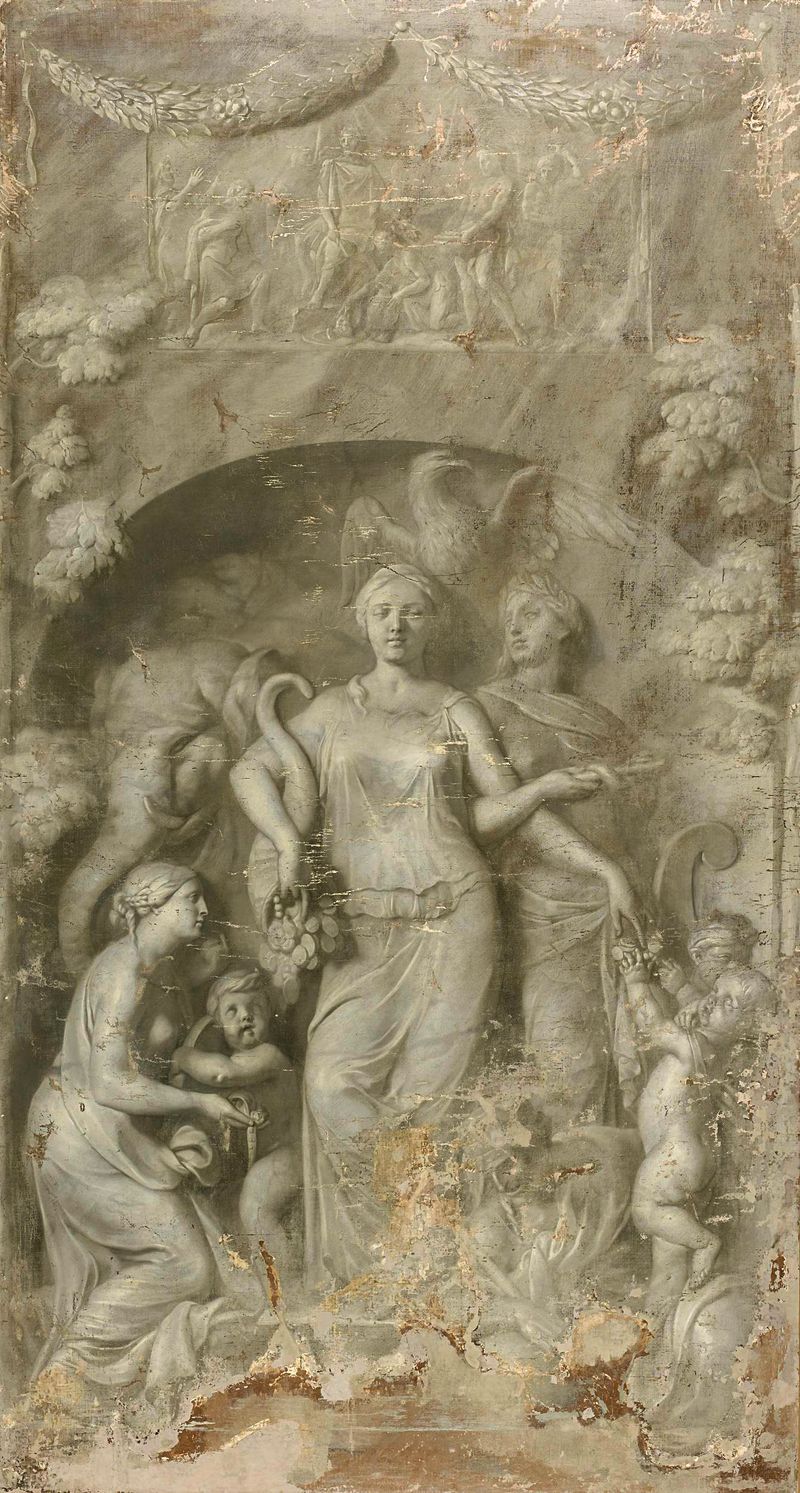
Allegory of Charity
Gerard de Lairesse

Allegory of Dawn
Gerard de Lairesse
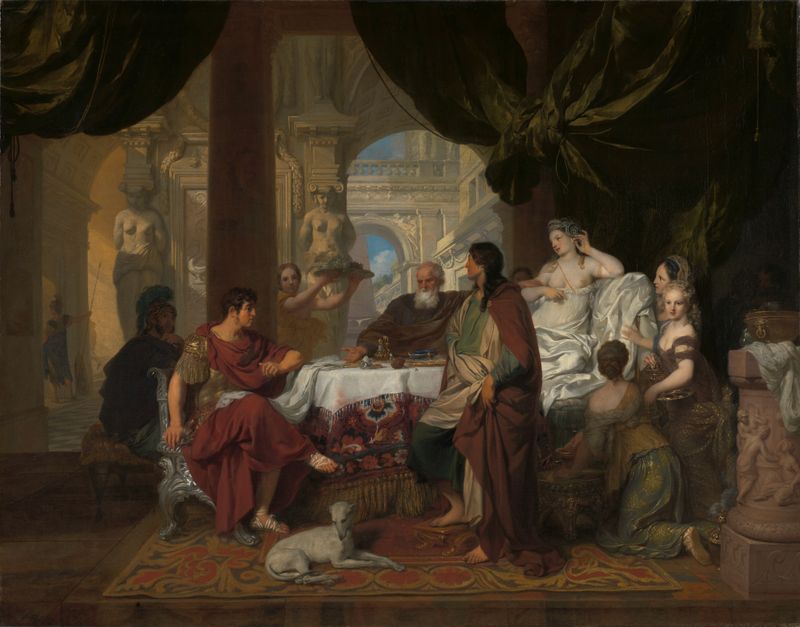
Cleopatra’s Banquet
Gerard de Lairesse
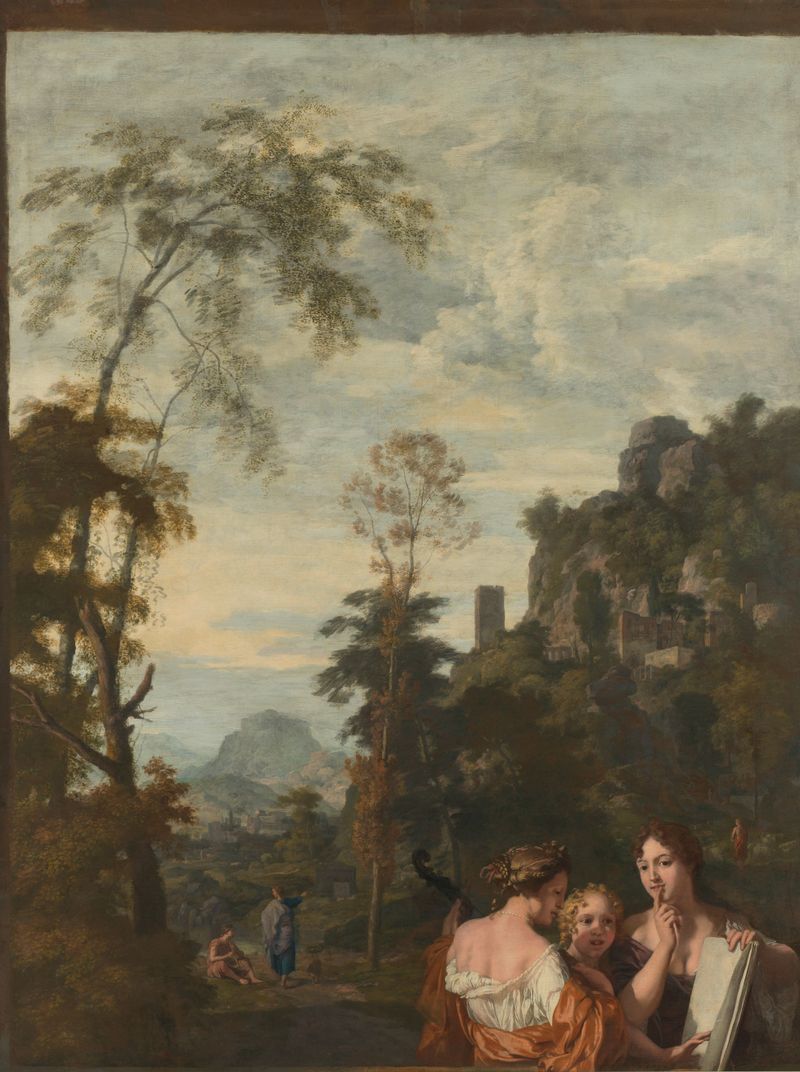
Italian Landscape with three Women Making Music
Gerard de Lairesse
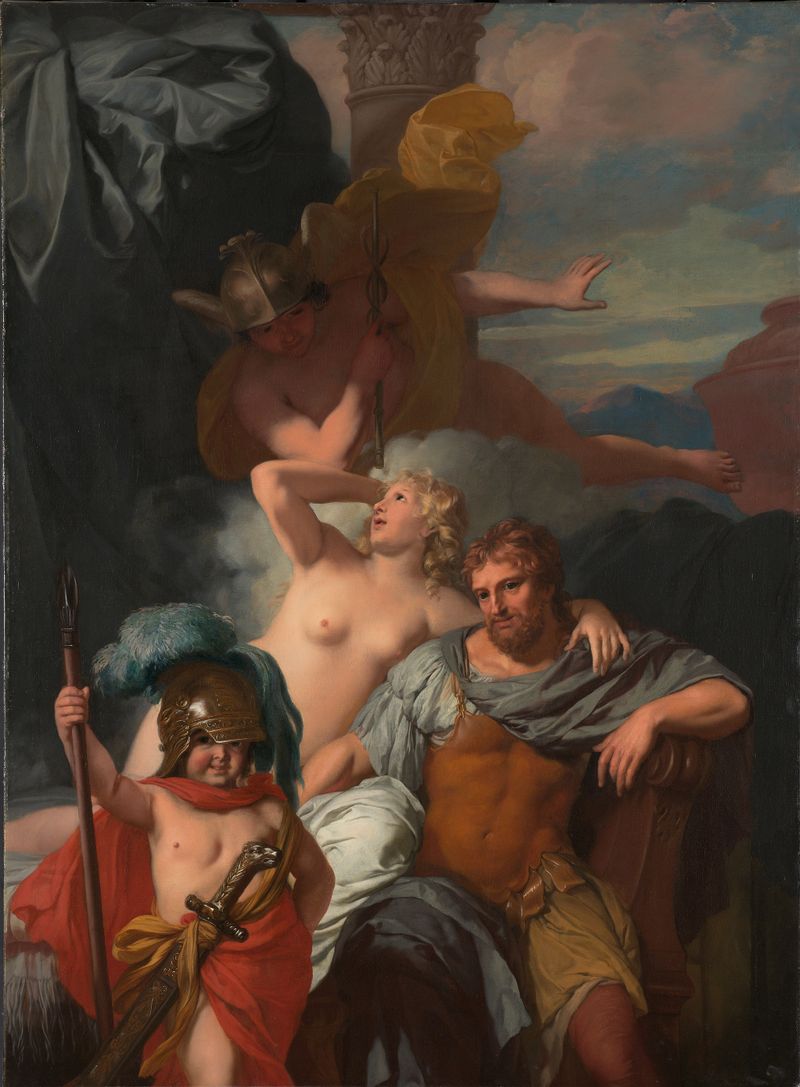
Mercury Ordering Calypso to Release Odysseus
Gerard de Lairesse
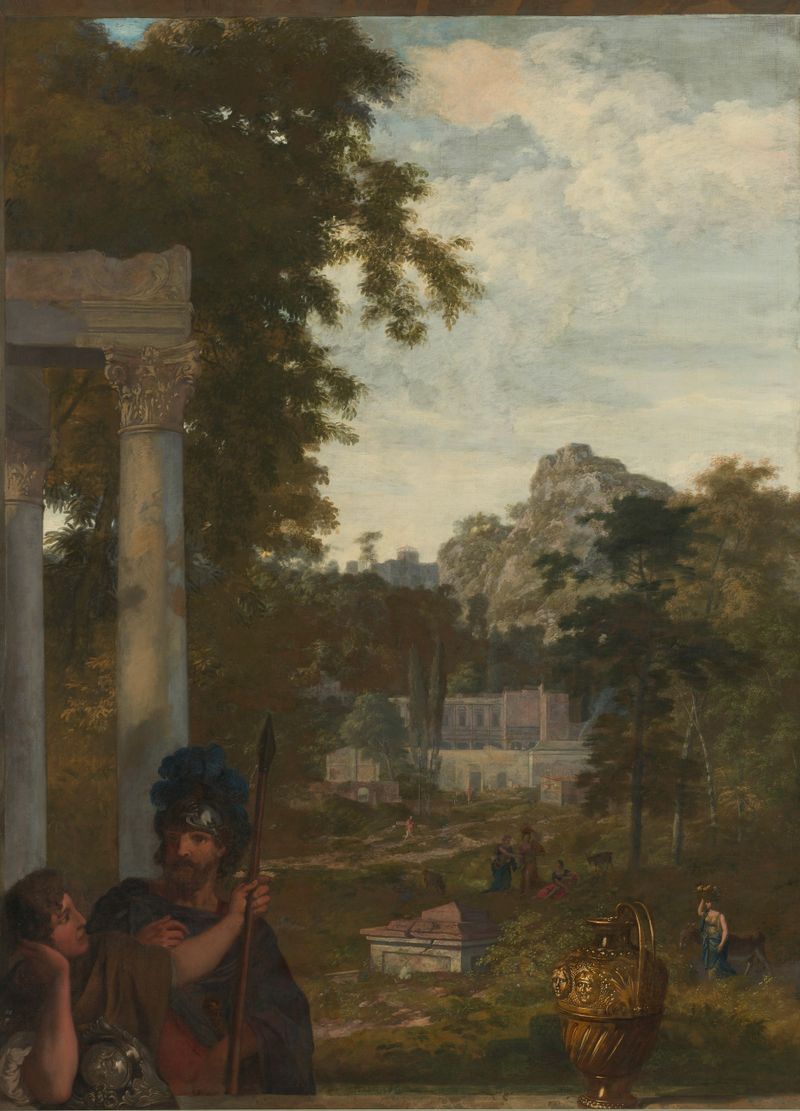
Italian Landscape with two Roman Soldiers
Gerard de Lairesse
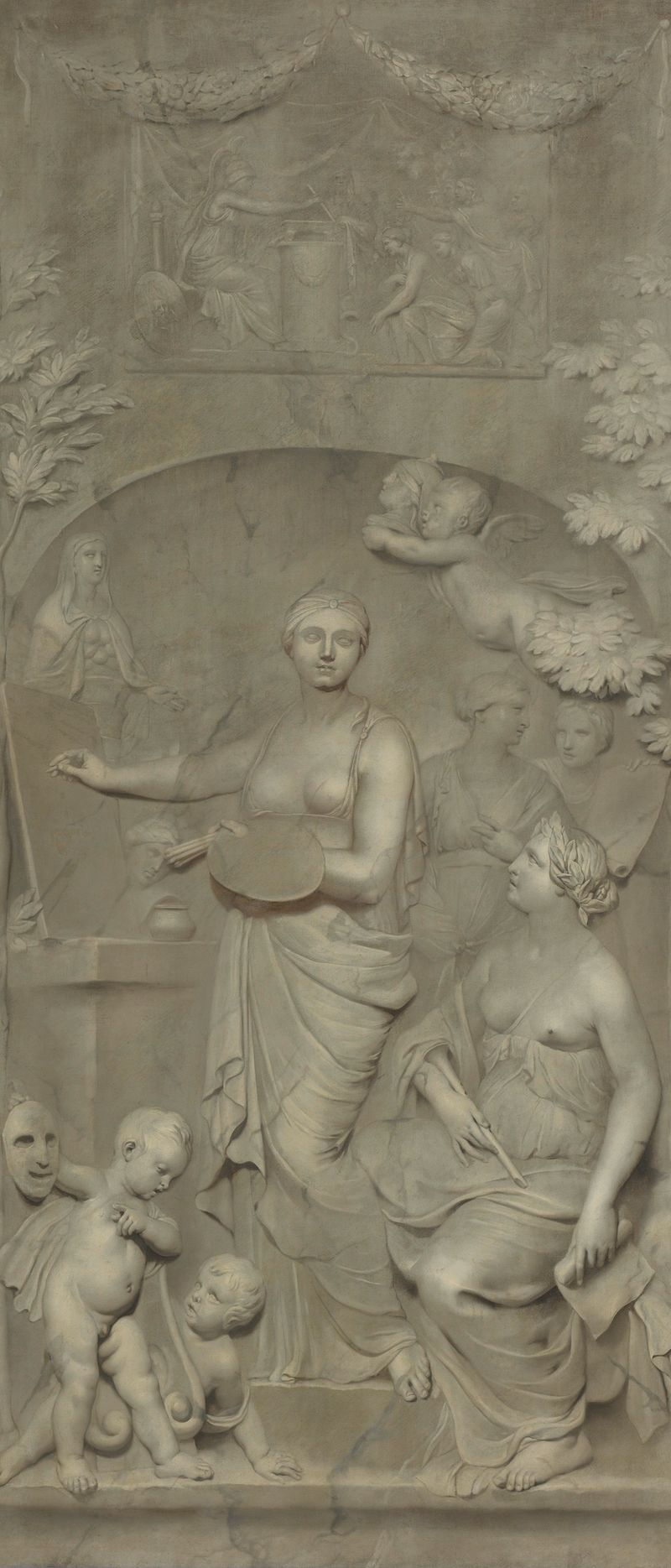
Allegory of the Arts
Gerard de Lairesse

Selene and Endymion
Gerard de Lairesse
More Religious Art
Browse all →
The Return of the Prodigal Son
Rembrandt van Rijn

The Garden of Earthly Delights
El Bosco

Count Orgaz’ funeral
El Greco

The Hundred Guilder Print: the central piece with Christ preaching, the plate arched
Rembrandt van Rijn

The Descent from the Cross
Rogier van der Weyden

The return of the prodigal son
Rembrandt van Rijn