
The Last Token: A Christian Martyr — History & Facts
What grips the viewer first in The Last Token: A Christian Martyr by Gabriel von Max is the charged stillness between danger and deliverance. A young woman stands pressed against a stone wall, her white robe luminous against the shadowed enclosure, her hand splayed as if to steady herself or to trace a message left behind. Two great leopards, their bodies coiled with latent power, flank her—one curled at her feet, the other poised on a ledge, both attentive yet uncannily calm.
The woman’s gaze lifts not to her captors, but beyond them, as if seeking a sign from above, while a single white rose lies at her feet, its petals scattered, a silent emblem of innocence or farewell. This painting belongs to a world obsessed with the drama of faith under trial, a favorite subject of late nineteenth-century European art. Between 1860 and 1915, academic painters like Gabriel von Max found audiences eager for scenes of martyrdom, where the spectacle of suffering was balanced by the dignity or serenity of the victim. Such works were often destined for salons or private collections, serving as meditations on virtue and sacrifice in an age increasingly fascinated by both science and spirituality.
The presence of this piece in the Metropolitan Museum of Art’s open-access collection today is a testament to the era’s fascination with the intersection of history, religion, and psychological intensity. The painting invites us to linger on the tension in the girl’s posture, the softness of the rose, and the inscrutable calm of the beasts—each detail a thread in the story of faith confronted by fate.
More Artworks by Gabriel von Max

The Sisters
Gabriel von Max
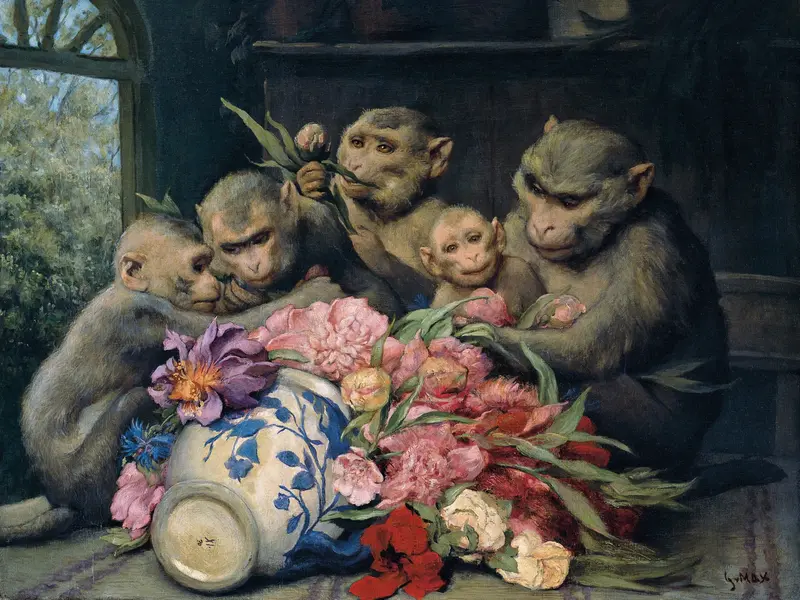
The Botanists
Gabriel von Max
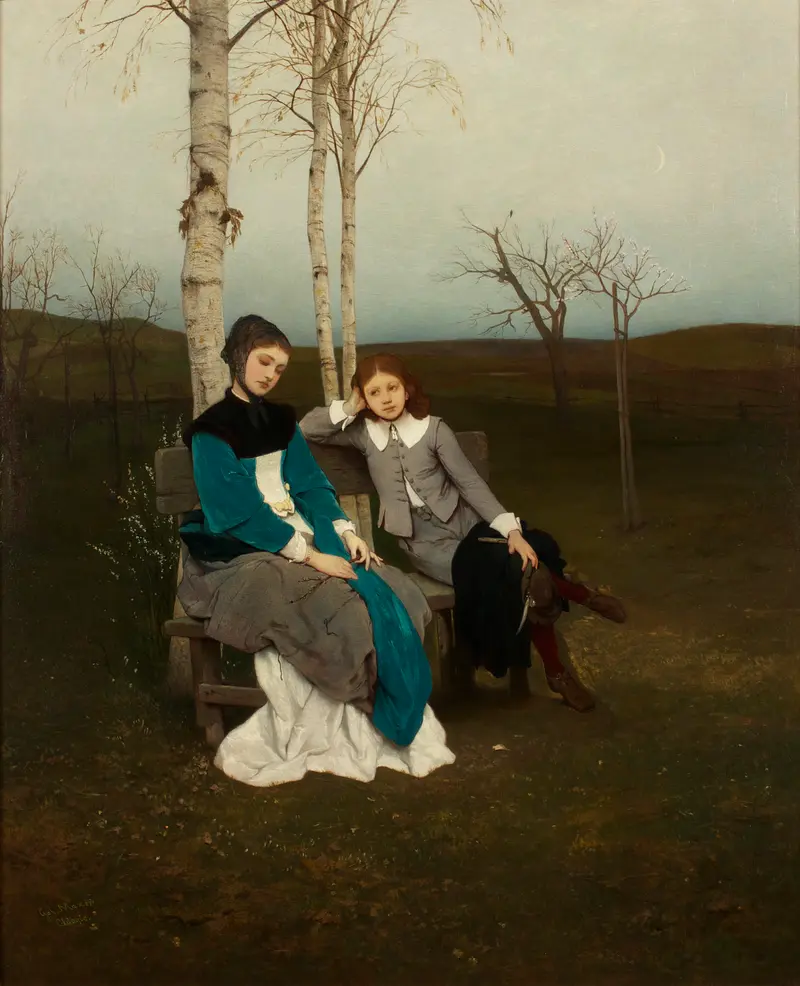
Adagio 4653 Österreichische Galerie Belvedere
Gabriel von Max
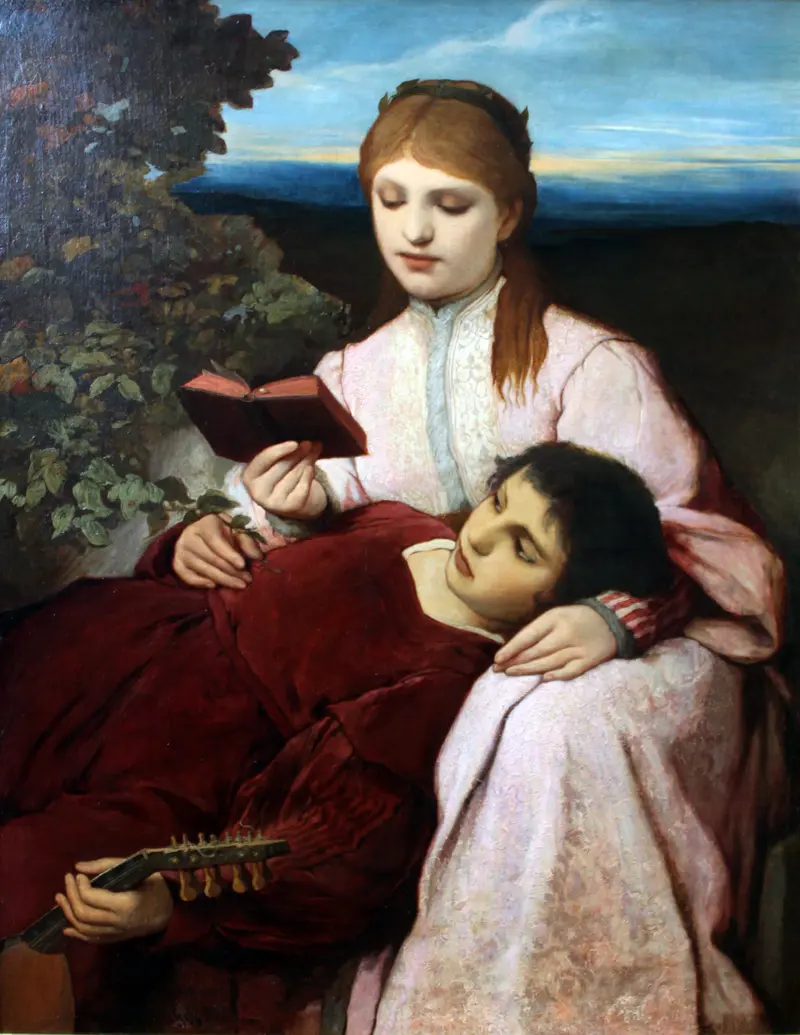
Leisure Hour (Scene from "Tannhäuser")
Gabriel von Max
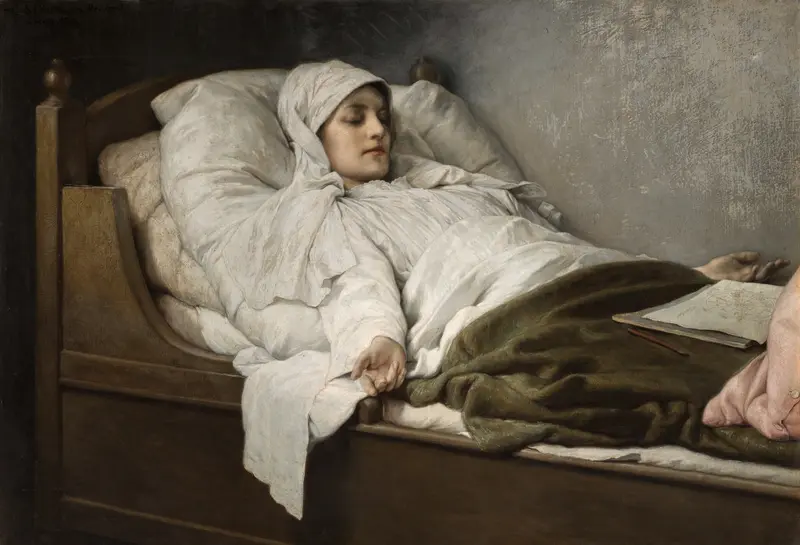
The Seeress of Prevorst
Gabriel von Max
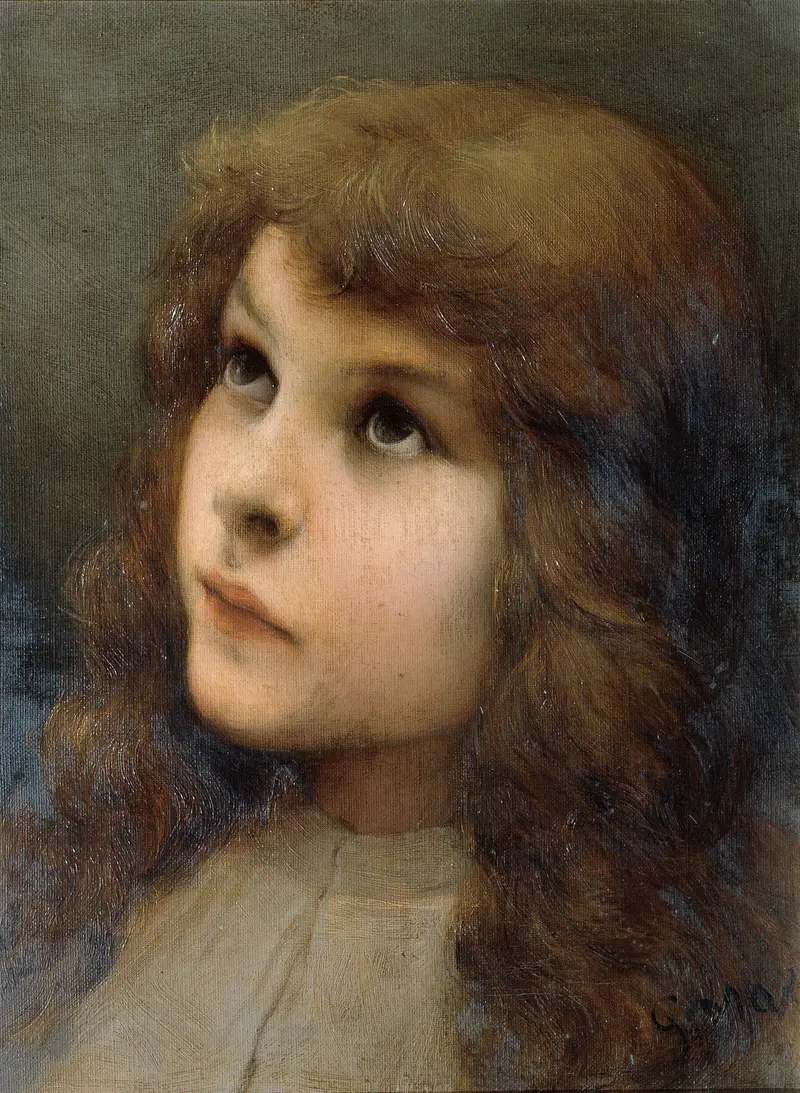
Studienkopf 3866 Österreichische Galerie Belvedere
Gabriel von Max
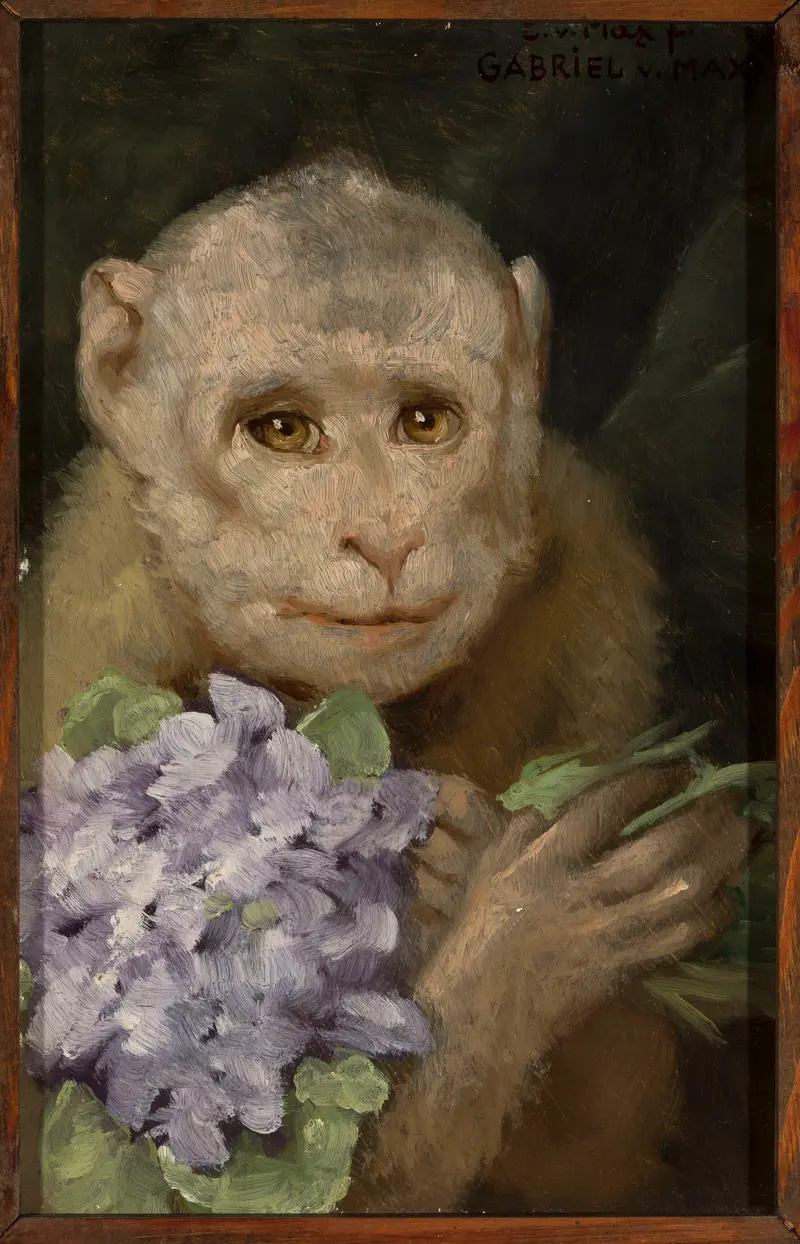
Monkey with violets.
Gabriel von Max
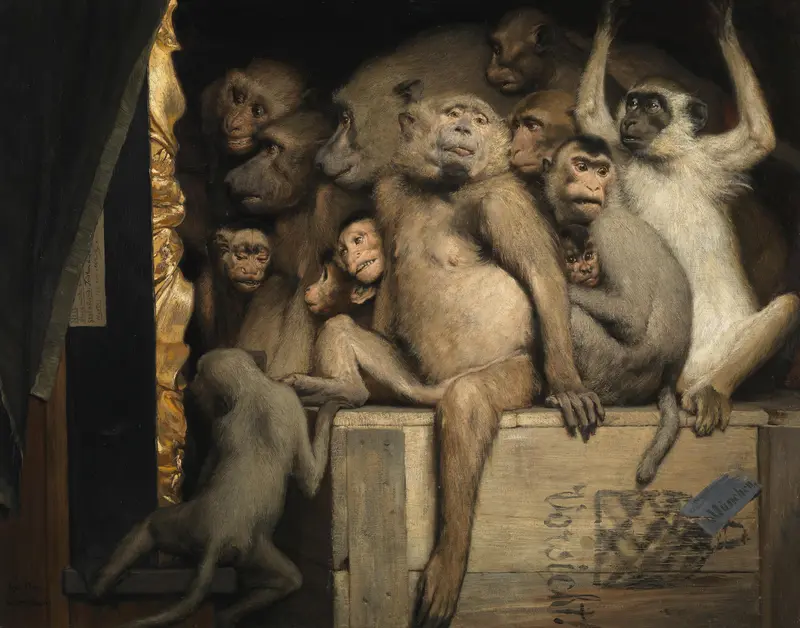
Monkeys as Judges of Art
Gabriel von Max
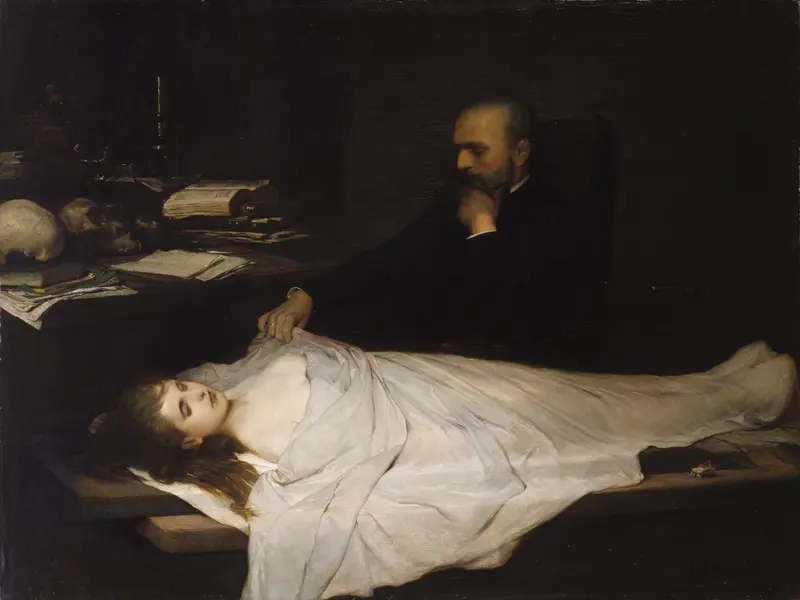
The Anatomist
Gabriel von Max
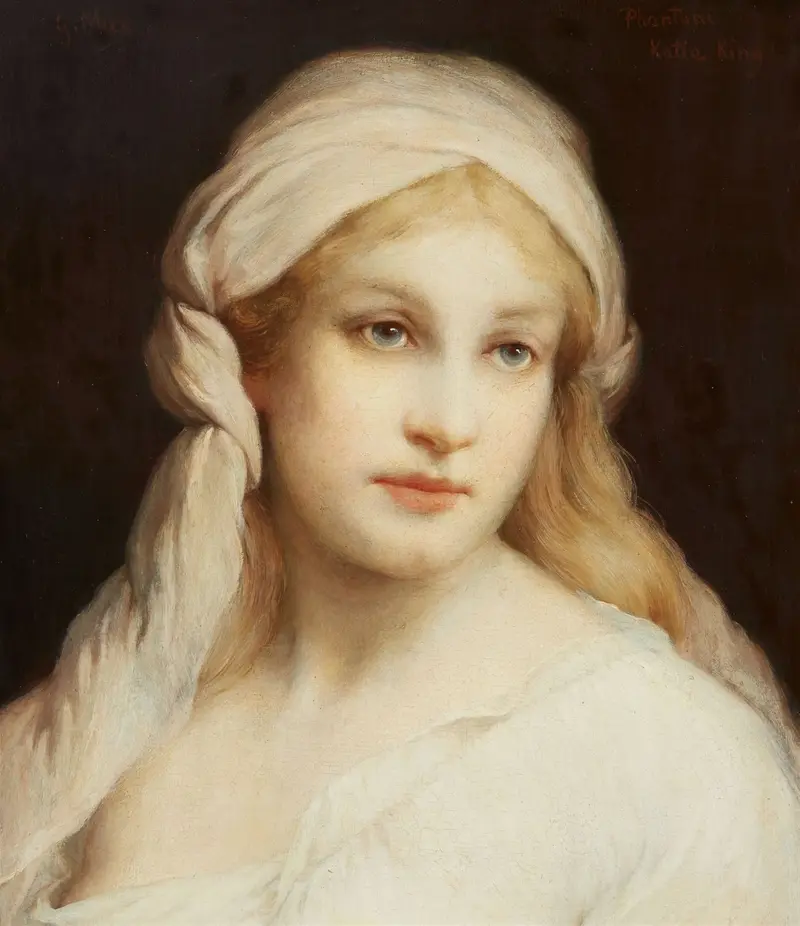
The Ghost of Katie King aka Phantom Katie King
Gabriel von Max





