
The Botanists — History & Facts
A toppled vase spills a riot of peonies and poppies across the table, but it is the cluster of monkeys, gathered with almost human intentness, that draws the eye and refuses to let go. Each animal is absorbed in its own quiet investigation: one sniffs a blossom, another cradles a stem, while a third seems to ponder the petals with the gravity of a scholar. The light, soft and indirect, falls from the left, illuminating fur and flower alike, and lending the scene a hush of afternoon contemplation.
The artist’s brush lingers on the textures—downy faces, crumpled leaves, the glazed blue-and-white of the vase—inviting us to linger too, and to wonder at the strange kinship between curiosity and chaos. Painted between circa 1900 and circa 1915, The Botanists by Gabriel von Max belongs to a world fascinated by both science and spectacle. The late nineteenth and early twentieth centuries saw artists and collectors alike drawn to images that blurred the line between human and animal, intellect and instinct. Von Max, known for his interest in anthropology and the natural sciences, often used monkeys as stand-ins for human folly and wonder.
History has kept few traces of this particular work’s journey, but its presence in modern collections—documented from sources such as Gemäldescan Christian Mantey and wired.com—reminds us that the questions it poses about observation, play, and the boundaries of knowledge are still very much alive. Look again at the monkeys’ hands, and ask yourself: who, here, is truly studying whom?
More Artworks by Gabriel von Max

The Sisters
Gabriel von Max
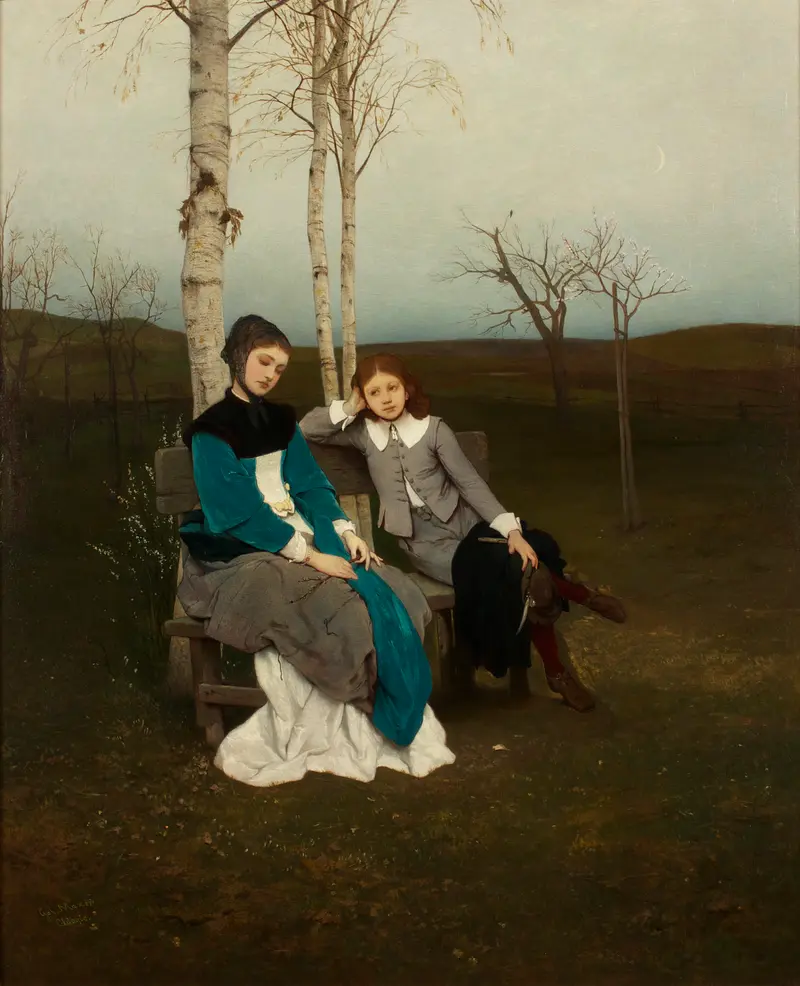
Adagio 4653 Österreichische Galerie Belvedere
Gabriel von Max
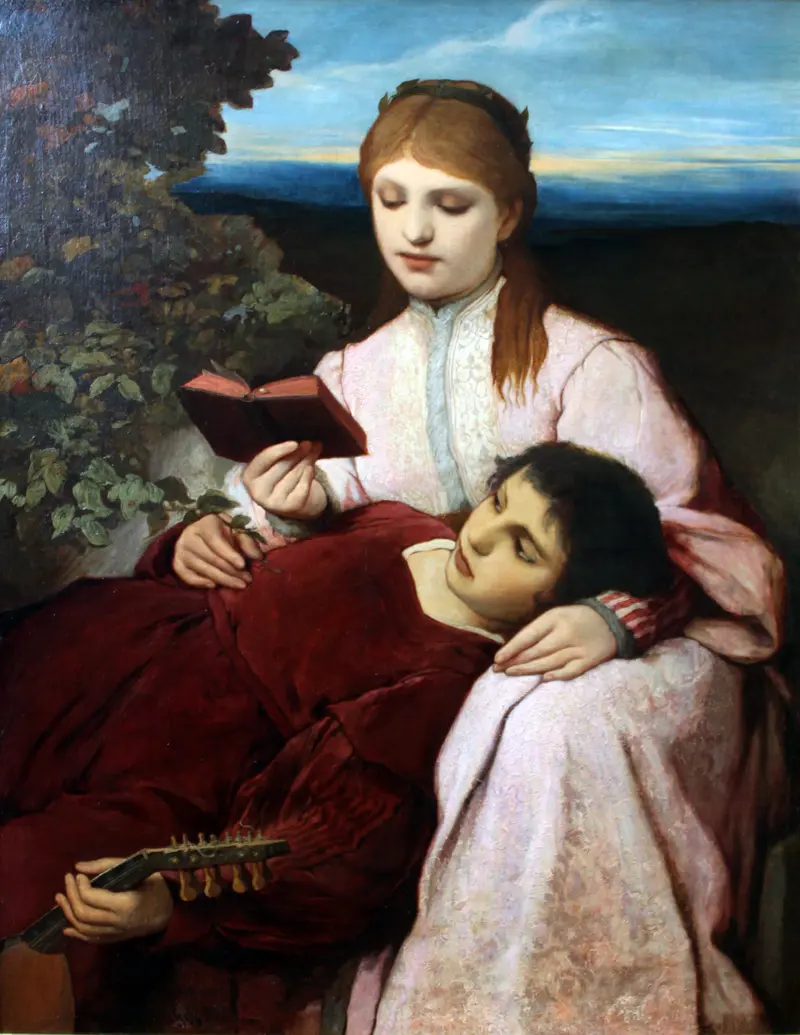
Leisure Hour (Scene from "Tannhäuser")
Gabriel von Max
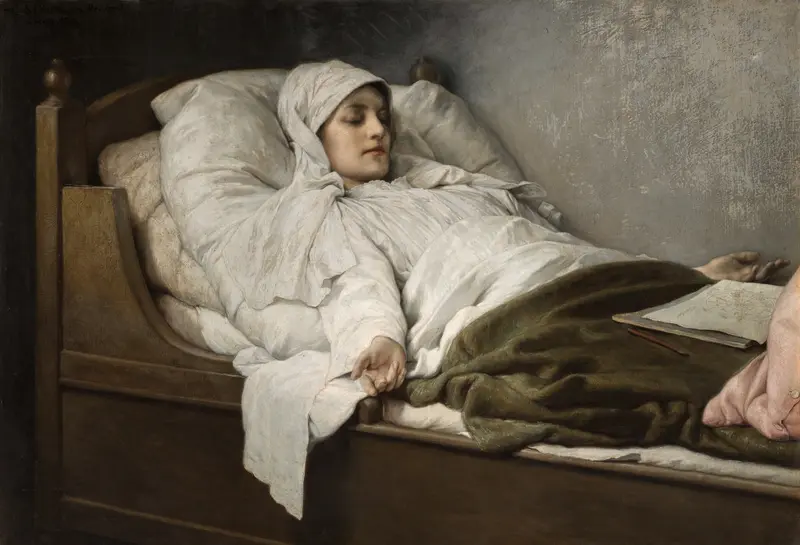
The Seeress of Prevorst
Gabriel von Max
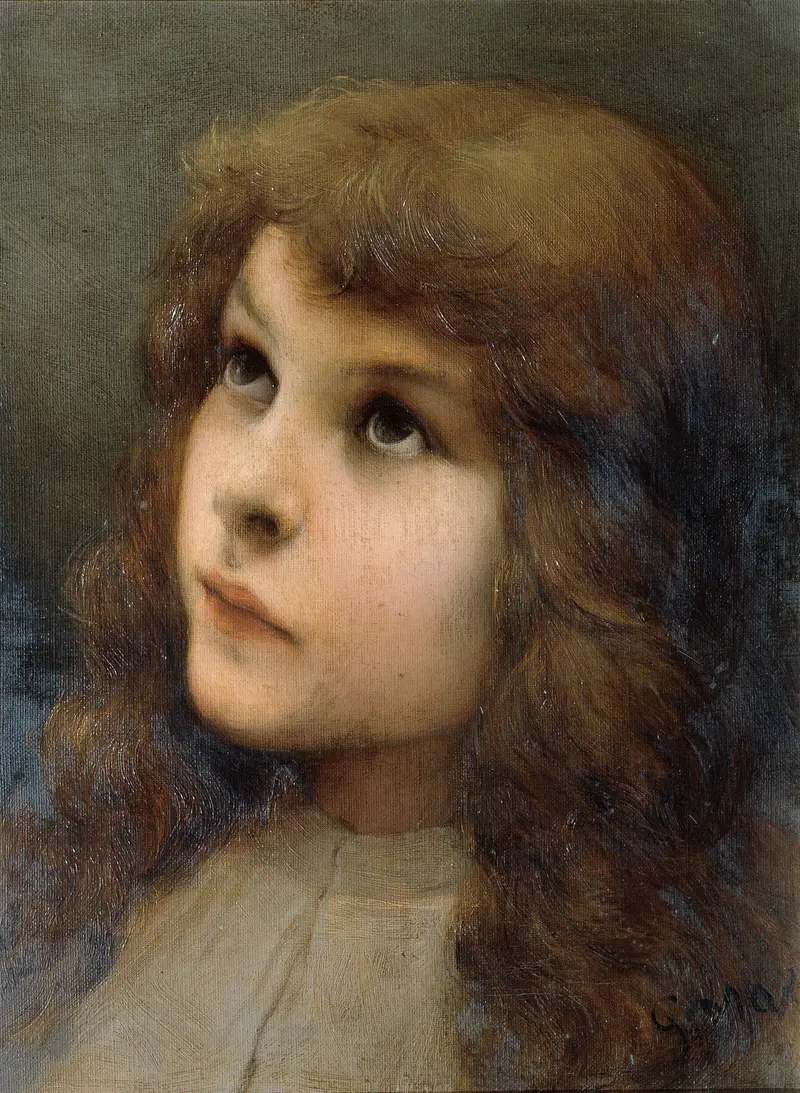
Studienkopf 3866 Österreichische Galerie Belvedere
Gabriel von Max
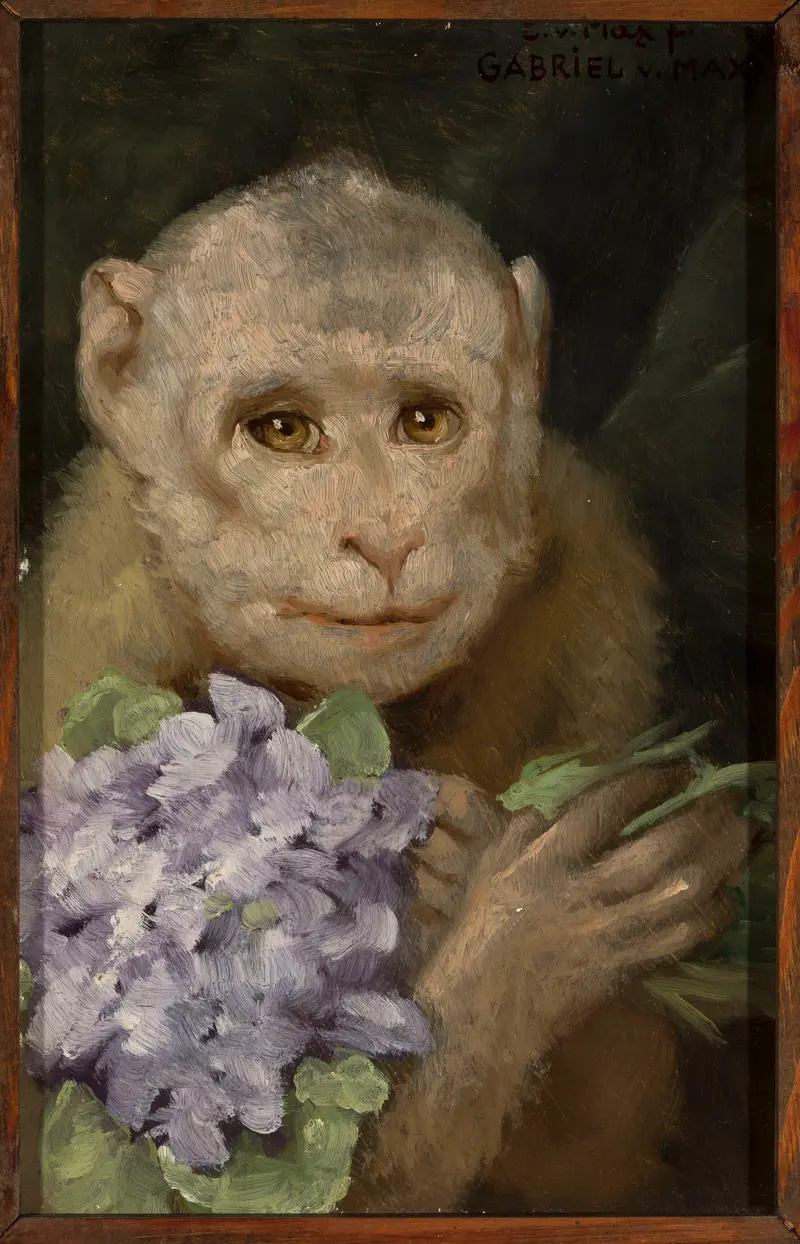
Monkey with violets.
Gabriel von Max
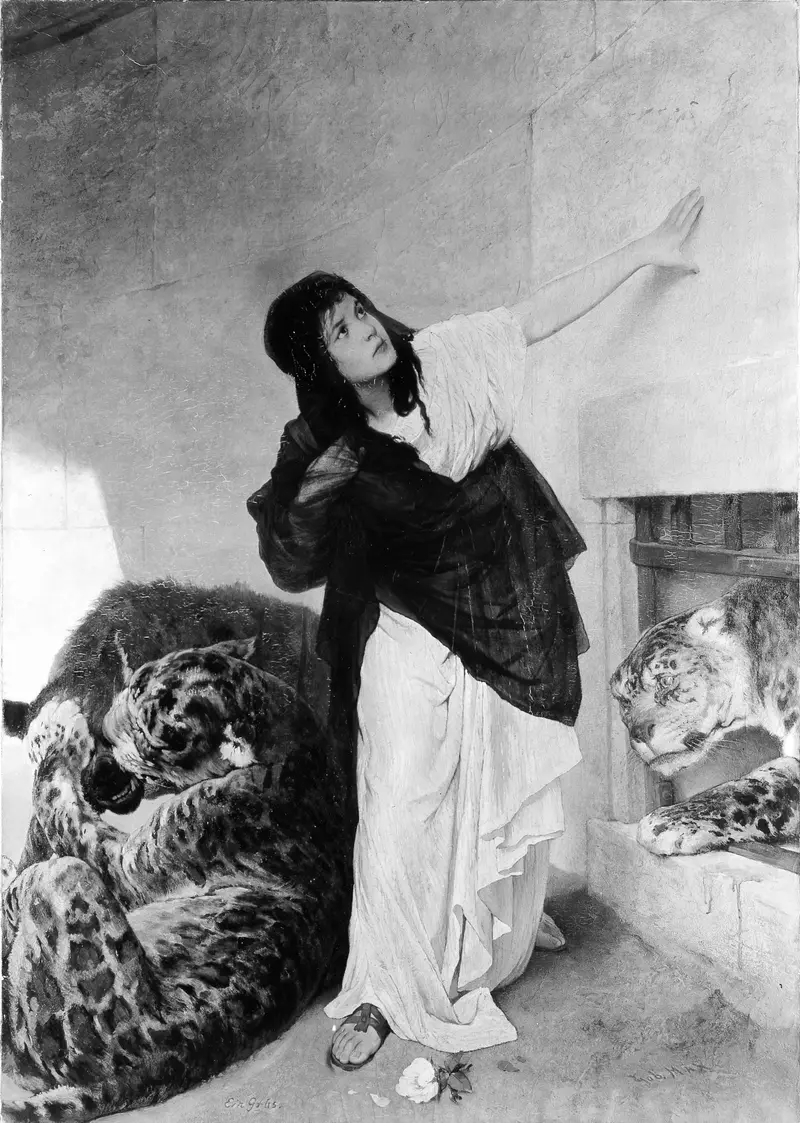
The Last Token: A Christian Martyr
Gabriel von Max
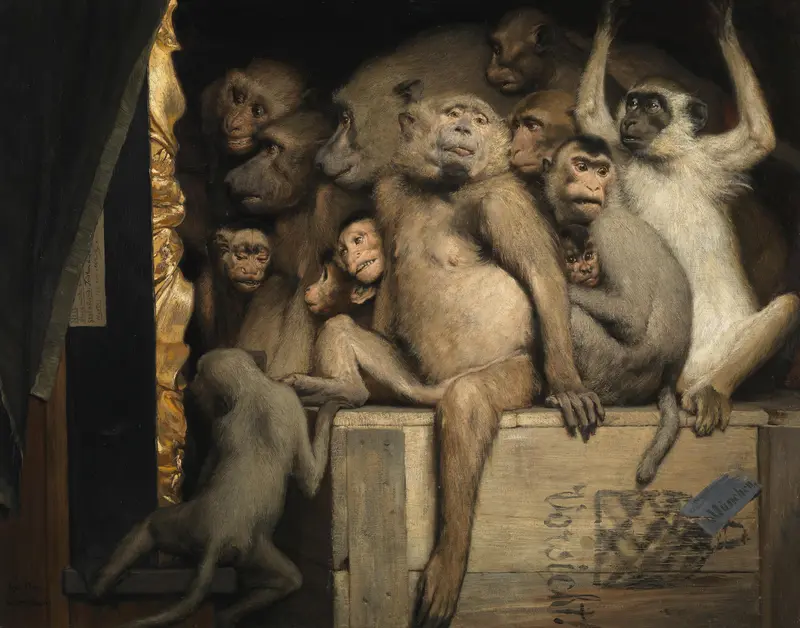
Monkeys as Judges of Art
Gabriel von Max
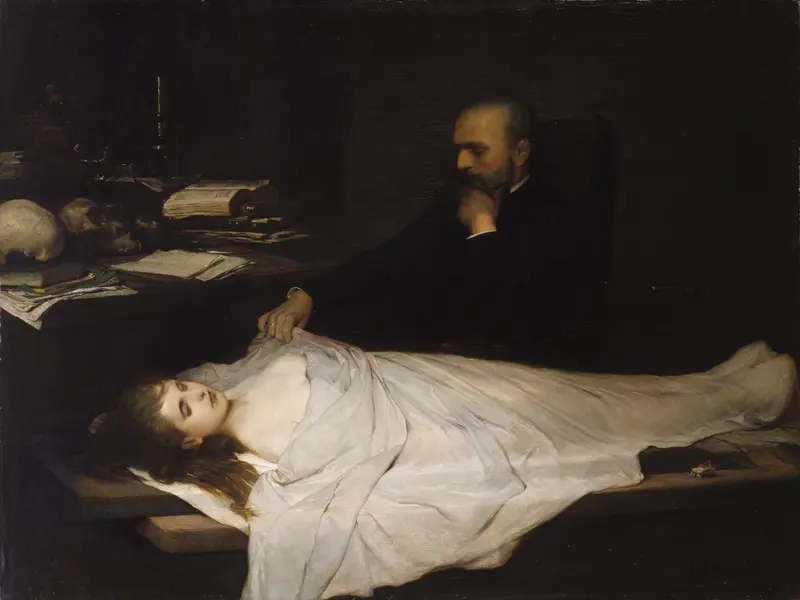
The Anatomist
Gabriel von Max
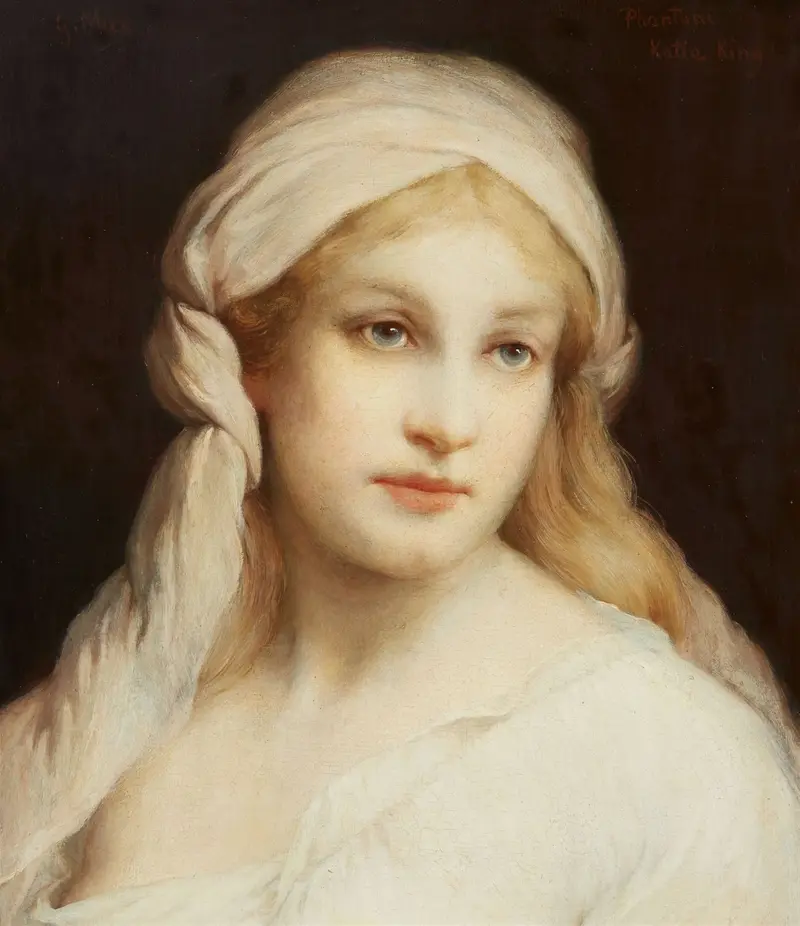
The Ghost of Katie King aka Phantom Katie King
Gabriel von Max
More Genre Scene Art

Banquet of the Officers of the St George Civic Guard
Frans Hals

Rembrandt and Saskia in the Scene of the Prodigal Son
Rembrandt van Rijn

Bal du moulin de la Galette
Pierre-Auguste Renoir

Quadrille at the Moulin Rouge
Henri de Toulouse-Lautrec

A Burial at Ornans
Gustave Courbet

When Will You Marry?
Paul Gauguin