
The Seeress of Prevorst — History & Facts
What first grips the viewer in The Seeress of Prevorst is the profound stillness that hovers over the scene, as if time itself has paused at the edge of the bed. The woman lies swathed in white, her face serene and eyes closed, suspended between sleep and waking, life and vision. Every fold of fabric is rendered with care, the crisp white linen almost luminous against the muted wall and the heavy green blanket.
A hand rests limply over the edge of the bed, while the other disappears beneath the covers; on the blanket, a sheet of paper marked with mysterious diagrams hints at inner worlds and secret knowledge. Light falls softly across her face, drawing attention to her calm expression and the suggestion of a life lived inwardly. Painted in 1892, this work by Gabriel von Max belongs to a world fascinated by the borderlands of science, mysticism, and psychology. The late nineteenth century saw a surge of interest in spiritualism, séances, and the study of altered states, often depicted in art with a mixture of skepticism and awe.
Artists like von Max, working in a time when the boundaries between rational inquiry and the supernatural were hotly debated, found fertile ground in such subjects. Though little is recorded about the specific history of this painting, its presence in the collection of the National Gallery in Prague today invites us to linger on the tension between the visible and the invisible, and to wonder what visions might flicker behind closed eyes.
More Artworks by Gabriel von Max

The Sisters
Gabriel von Max
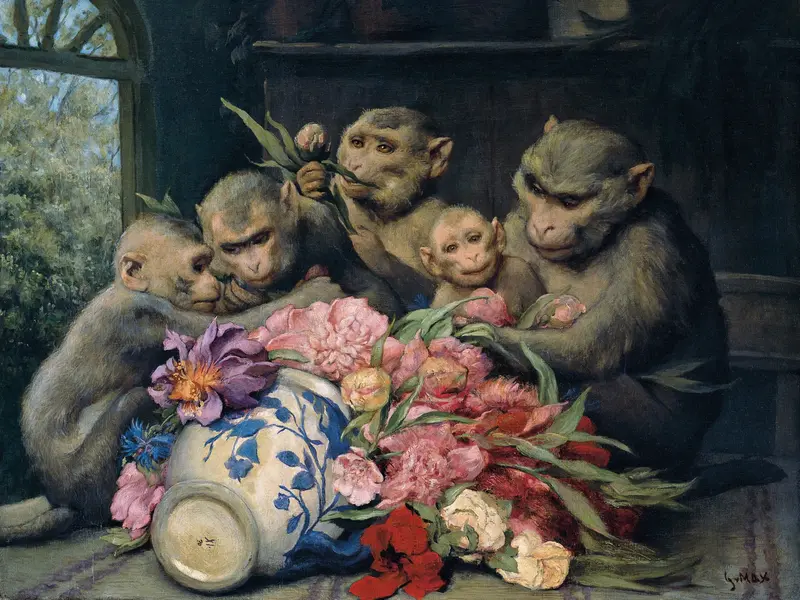
The Botanists
Gabriel von Max
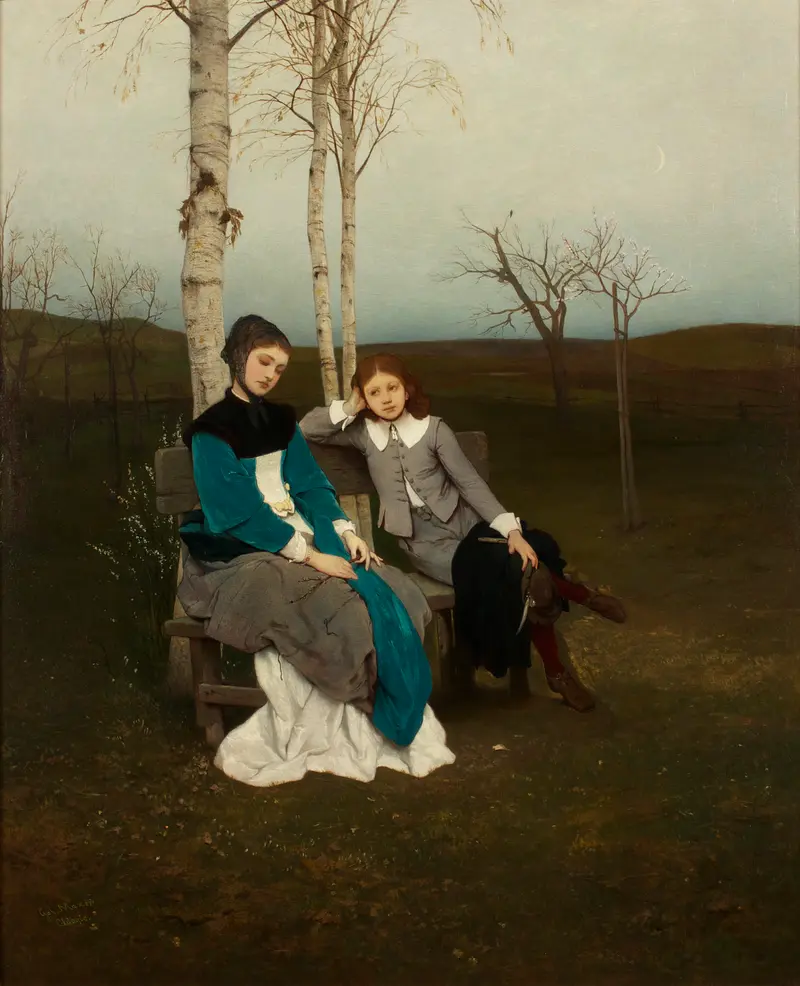
Adagio 4653 Österreichische Galerie Belvedere
Gabriel von Max
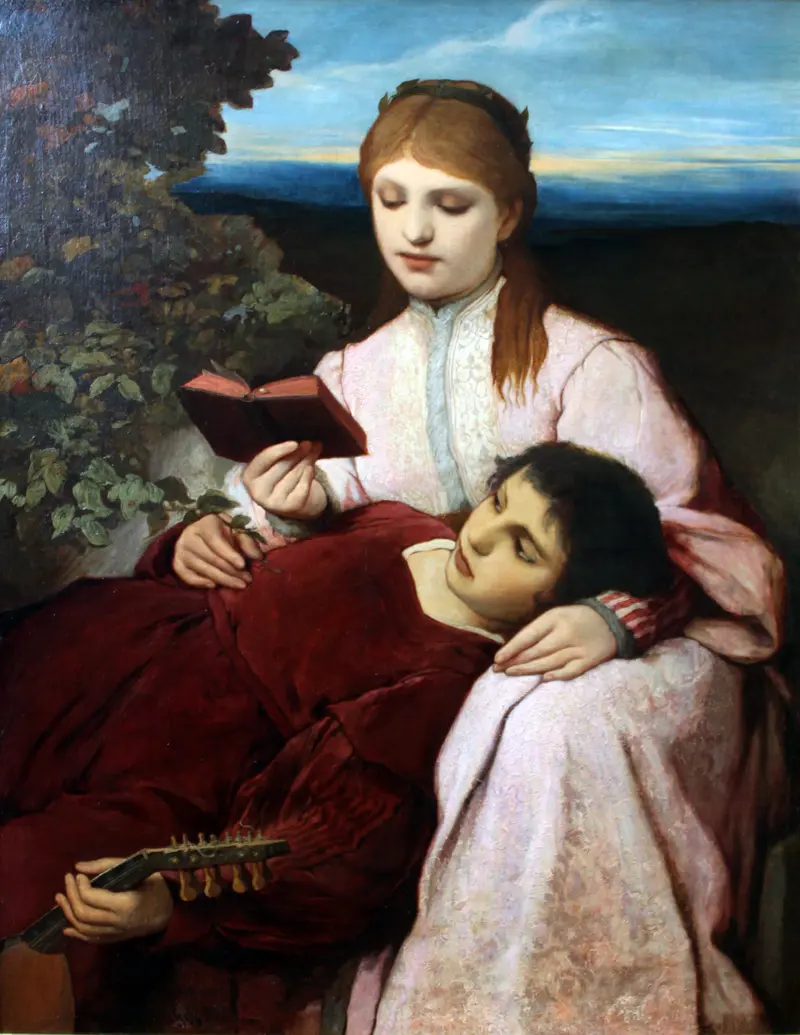
Leisure Hour (Scene from "Tannhäuser")
Gabriel von Max
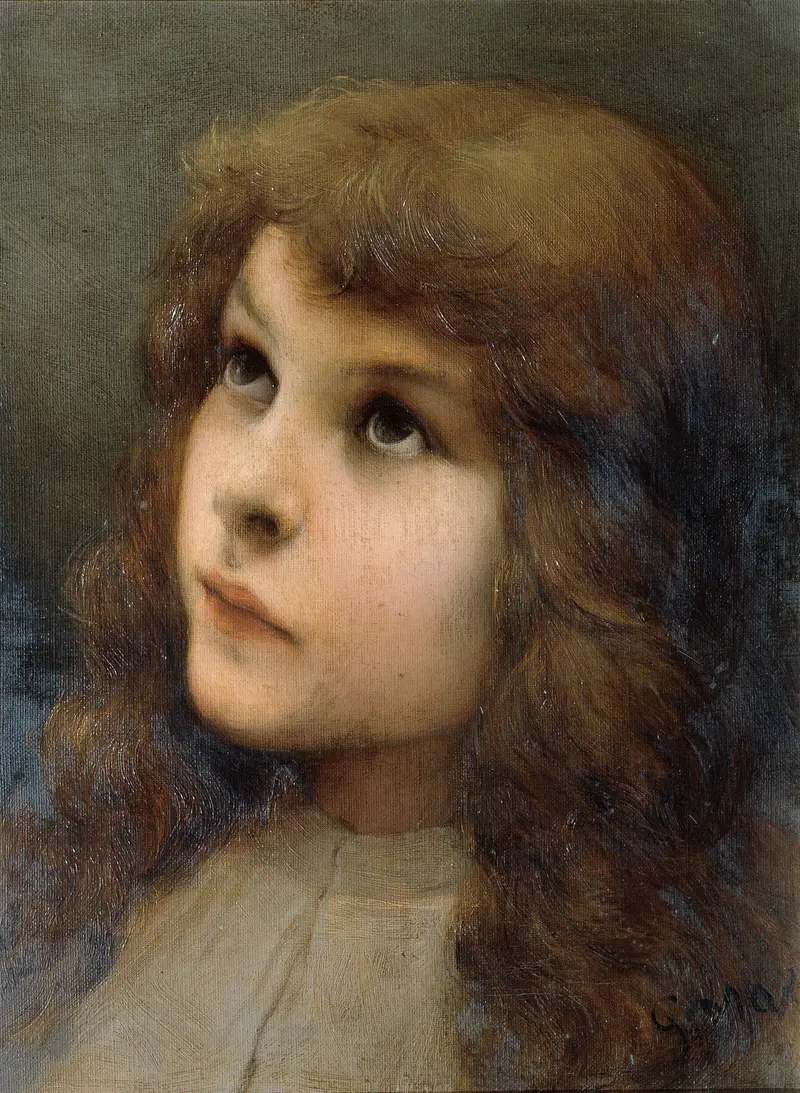
Studienkopf 3866 Österreichische Galerie Belvedere
Gabriel von Max
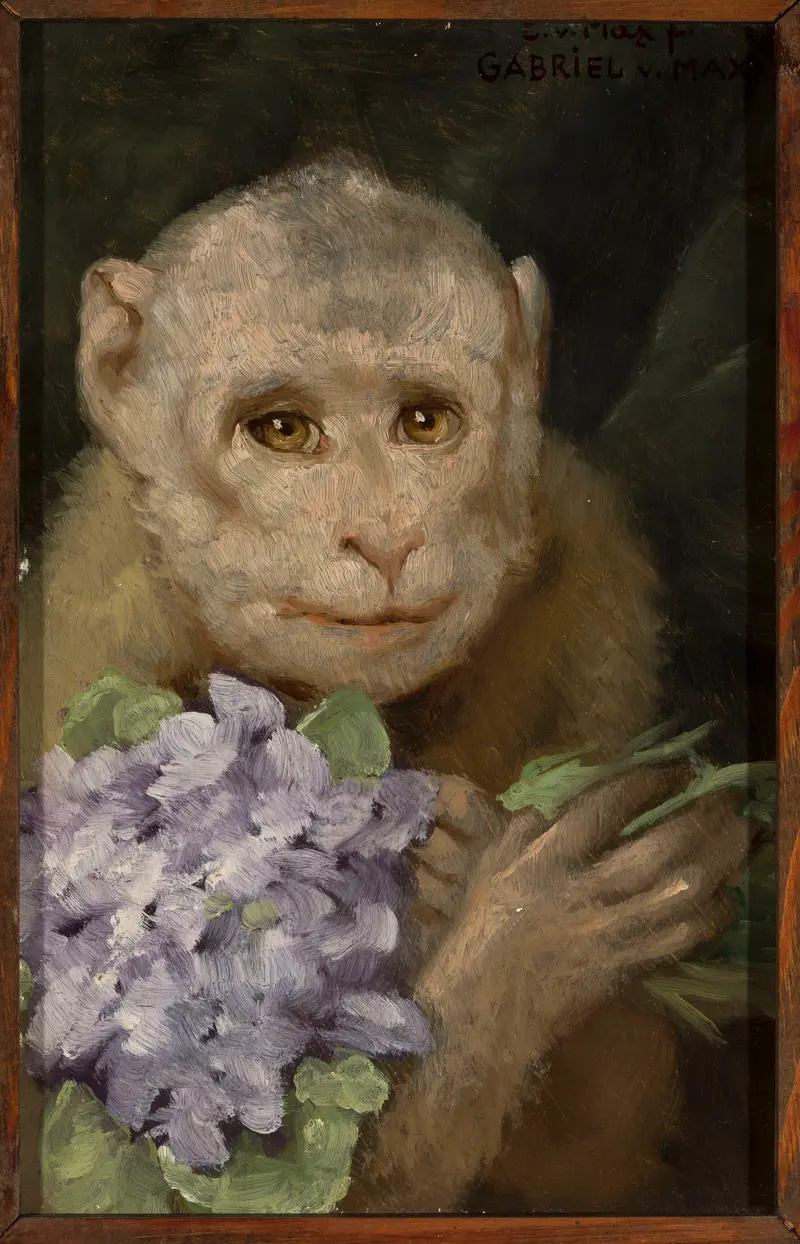
Monkey with violets.
Gabriel von Max
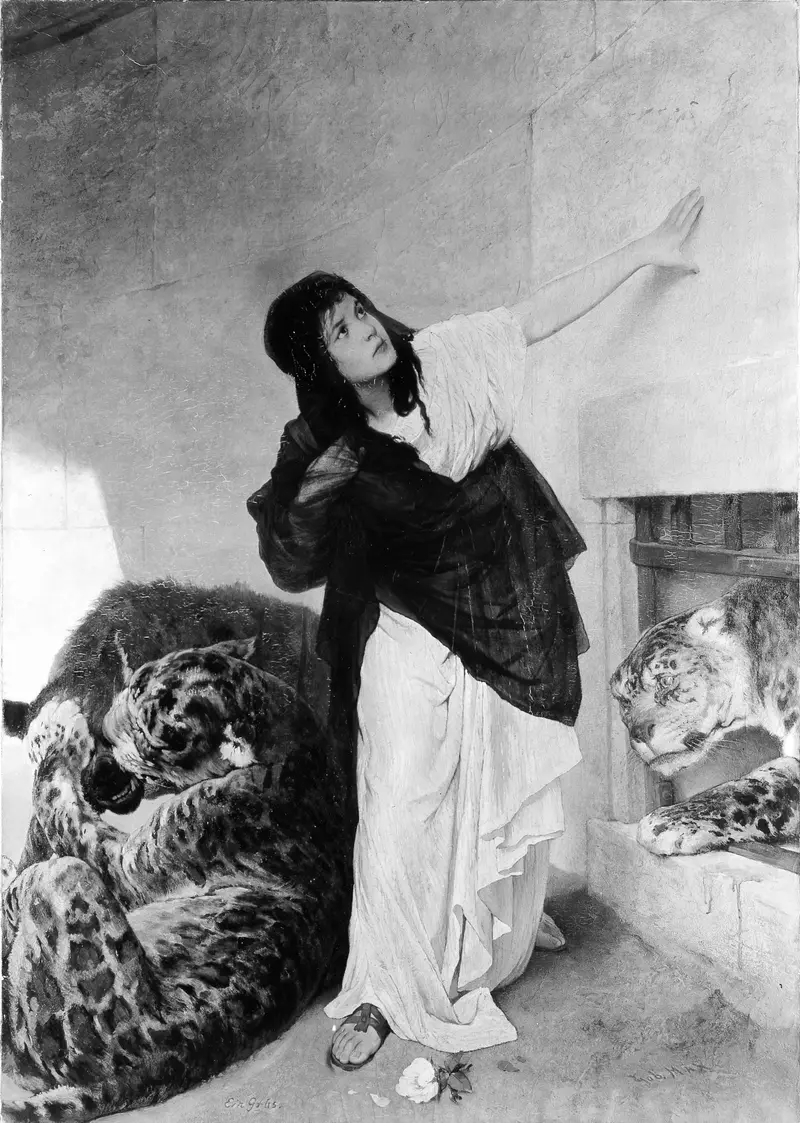
The Last Token: A Christian Martyr
Gabriel von Max
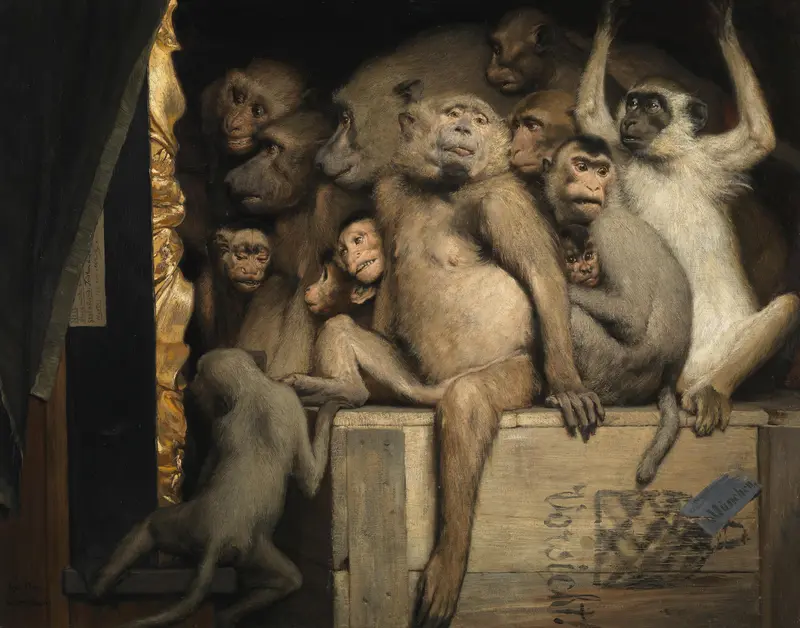
Monkeys as Judges of Art
Gabriel von Max
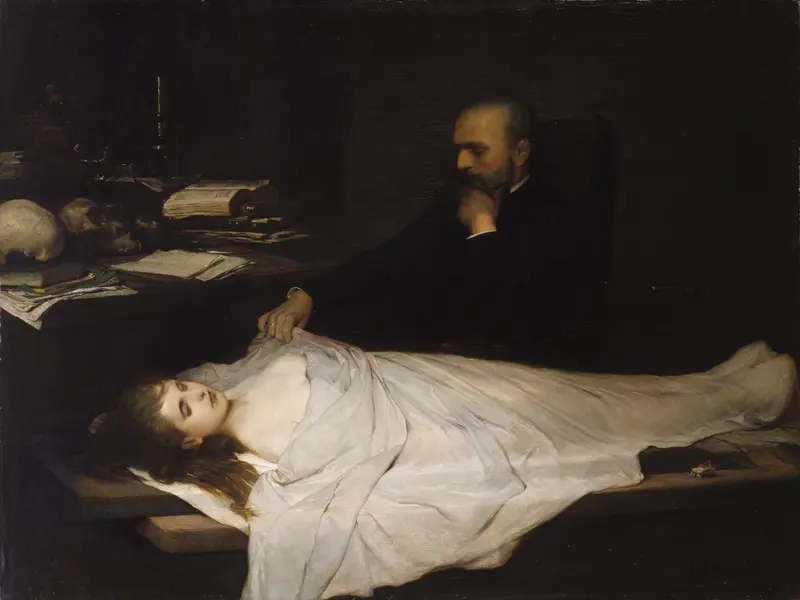
The Anatomist
Gabriel von Max
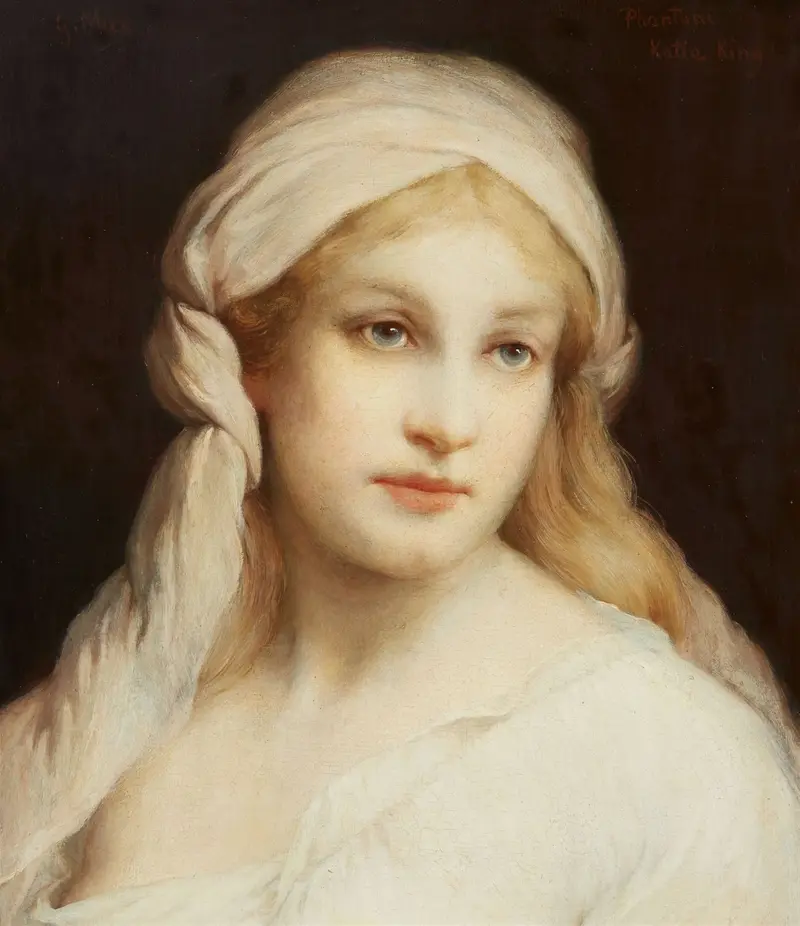
The Ghost of Katie King aka Phantom Katie King
Gabriel von Max



