
The Lock of the St. Martin Canal — History & Facts
As the sun begins to set, casting a golden hue over the tranquil waters, the scene captures the fleeting moment where nature and human endeavor meet. In this delicate balance lies the essence of rebirth, suggesting that from the depths of struggle, beauty emerges anew. Look to the right at the sturdy lock gate, its wooden beams worn yet resilient against the backdrop of a softly rippling canal. Notice the gentle play of light reflecting off the water, where various shades of blue and gold intertwine, highlighting the subtle brushwork of the artist.
The composition draws the eye inward, inviting you to explore the textures of the landscape, which are both tender and rugged, embodying the duality of life itself. As you delve deeper, observe the contrast between the robust structure of the lock and the serene waterway. This interplay speaks to the tension of progress versus nature, suggesting a narrative of transformation—a reminder that the man-made can coexist harmoniously with the natural world. The delicate strokes of the trees lining the canal convey a sense of vitality, while their slight bending in the wind evokes the inevitability of change. In 1890, Lepère created this work during a period of significant experimentation in the art world, particularly with impressionism and the exploration of landscapes.
Living in Paris amidst a vibrant artistic community, he sought to capture the essence of his surroundings. The city was undergoing rapid modernization, and this painting serves as a reflection of both the beauty and the complexities of that era, encapsulating a moment where rebirth is not only possible but inevitable.
More Artworks by Auguste Louis Lepère
Browse all →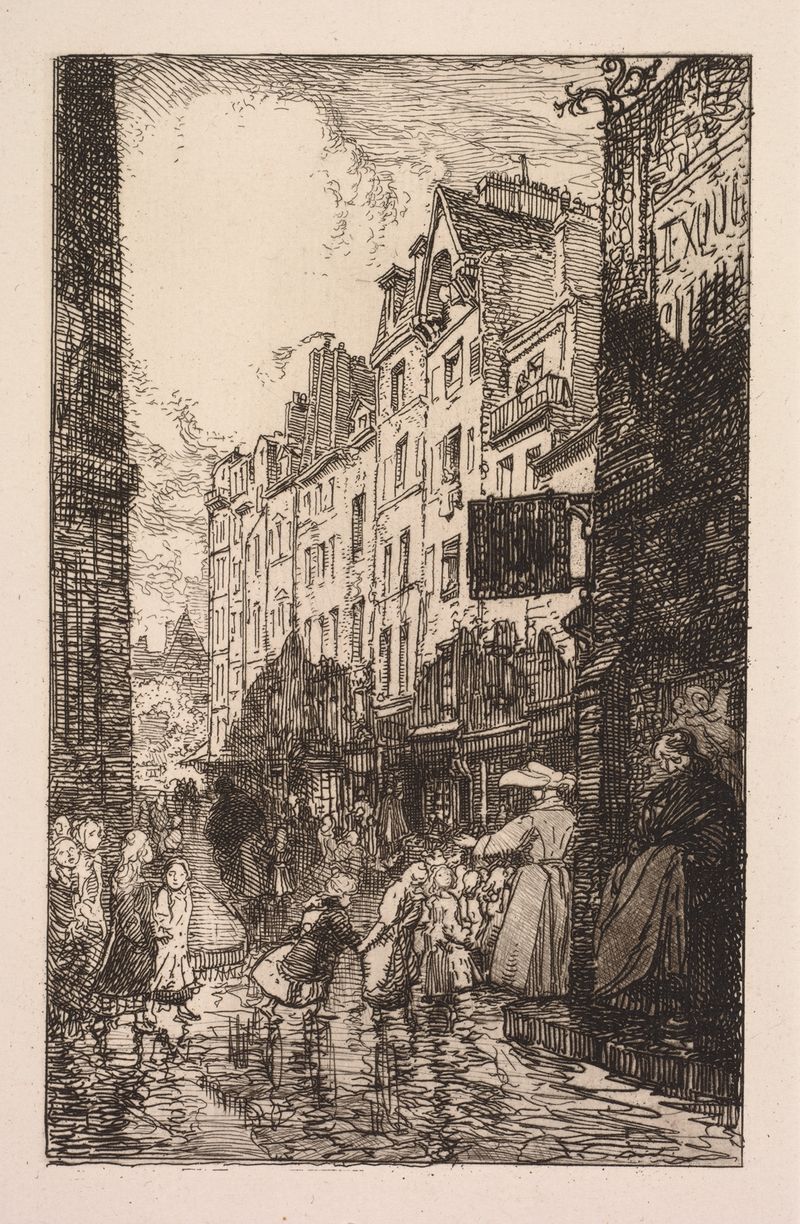
La Rue des Prêtres Saint-Séverin
Auguste Louis Lepère
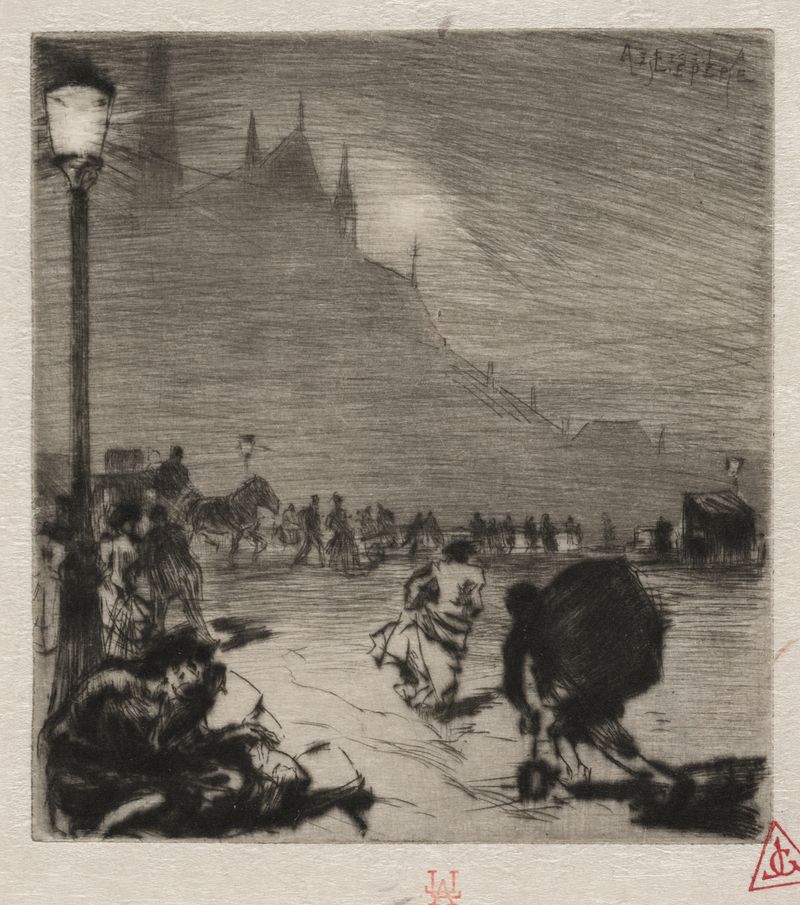
Au Coin du Pont-aux-Doubles
Auguste Louis Lepère
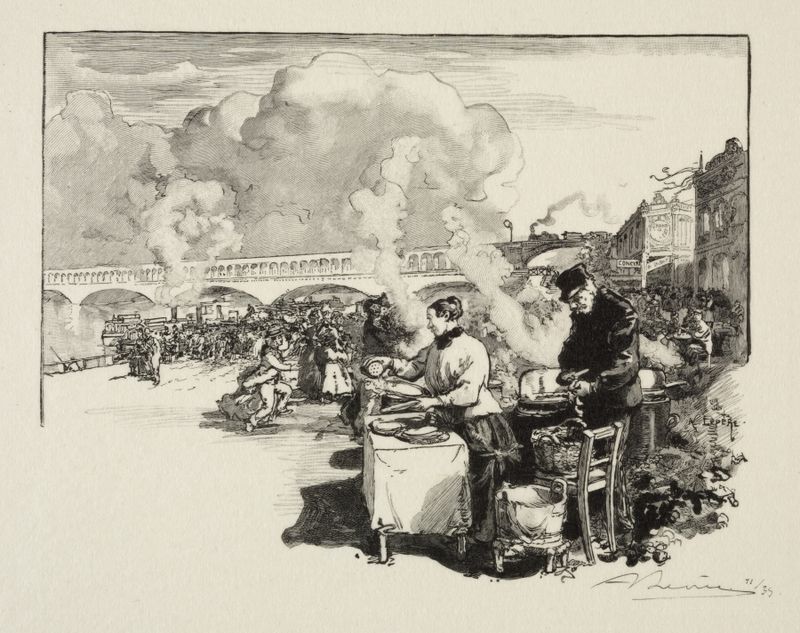
Debarcadère des bateaux-omnibus
Auguste Louis Lepère

La Seine, au quai de la Rapée
Auguste Louis Lepère
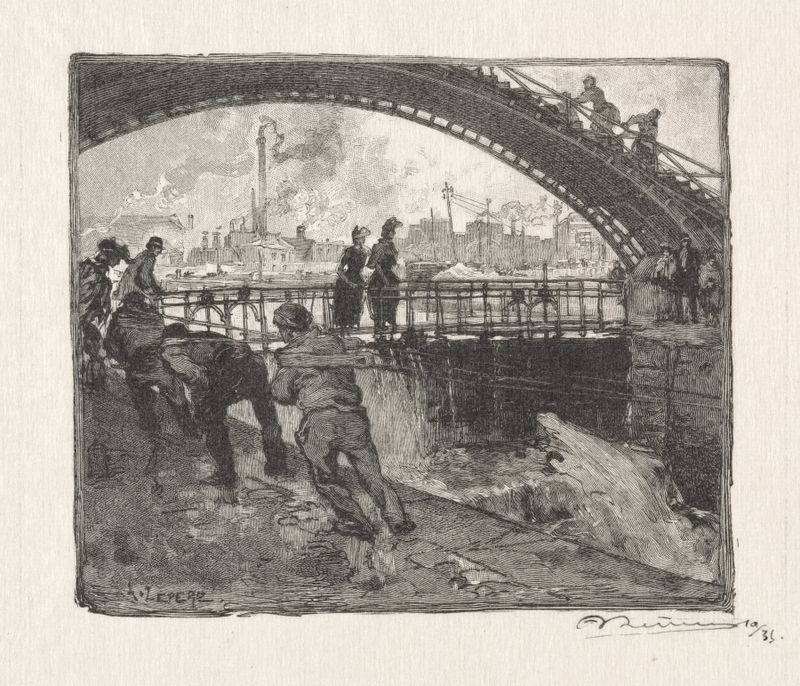
L’Ecluse du Canal St. Martin
Auguste Louis Lepère

Le Boulevard Montmartre, le Soir
Auguste Louis Lepère

Une Chasse au Mont Gérard
Auguste Louis Lepère
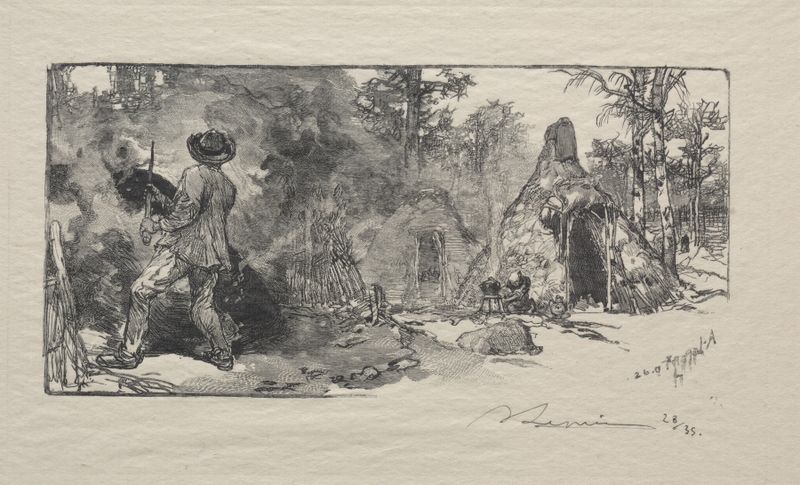
Les Charbonniere
Auguste Louis Lepère
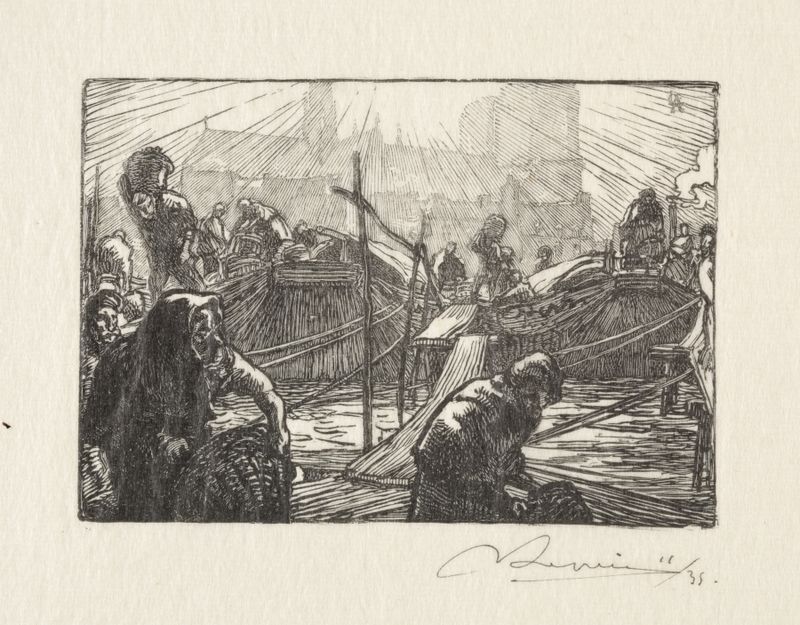
Notre Dame vue du Marché aux pommes
Auguste Louis Lepère

Le Palais des Arts Liberaux, Intèrieur
Auguste Louis Lepère





