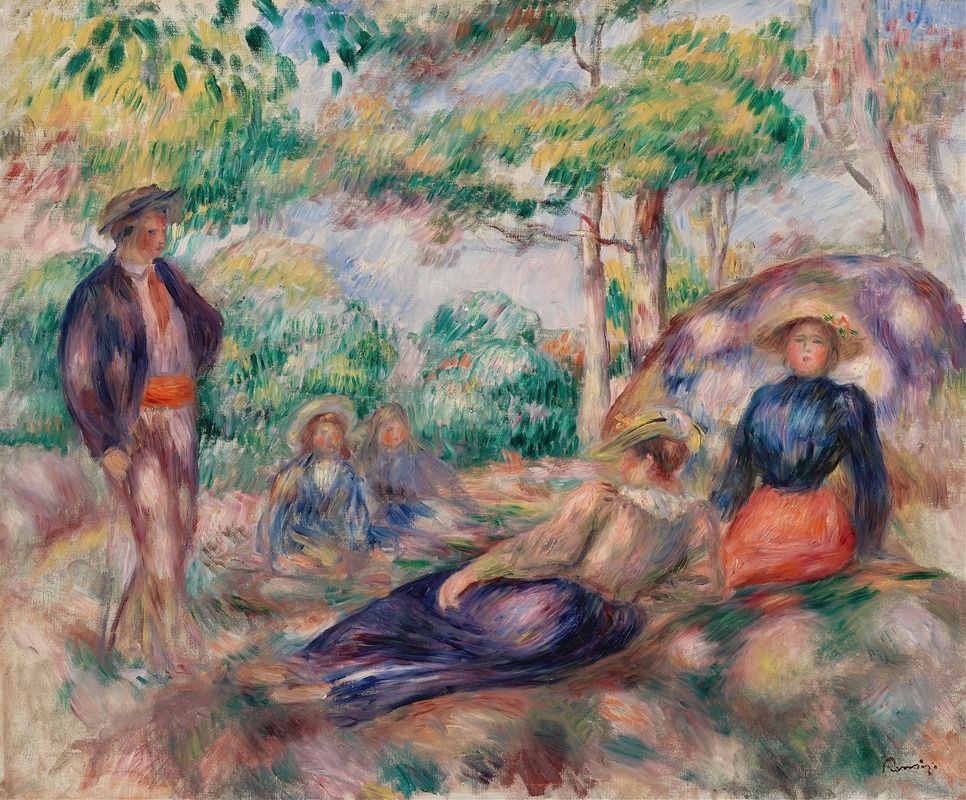
Discover insights about this artwork
The Love Lesson — History & Facts
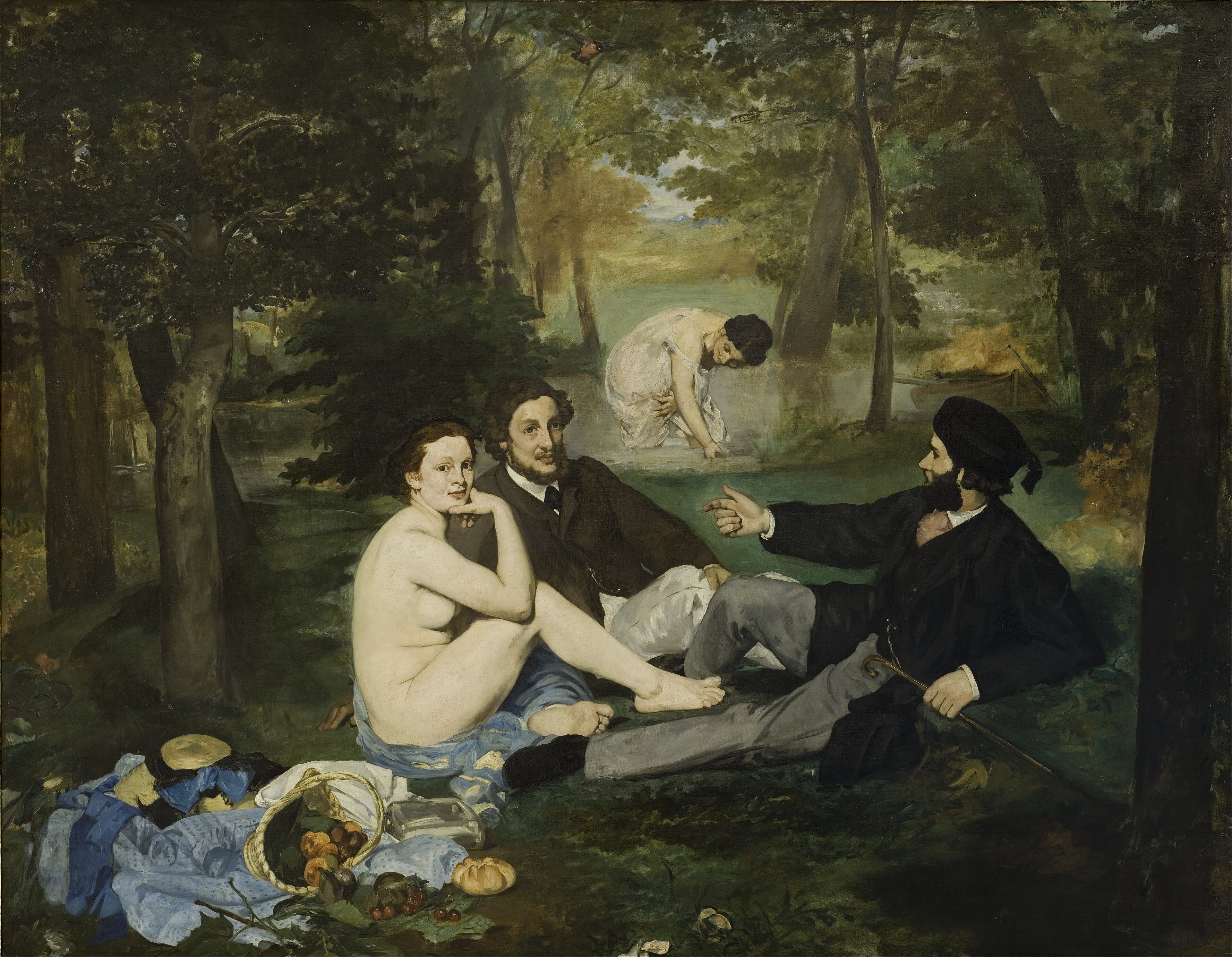
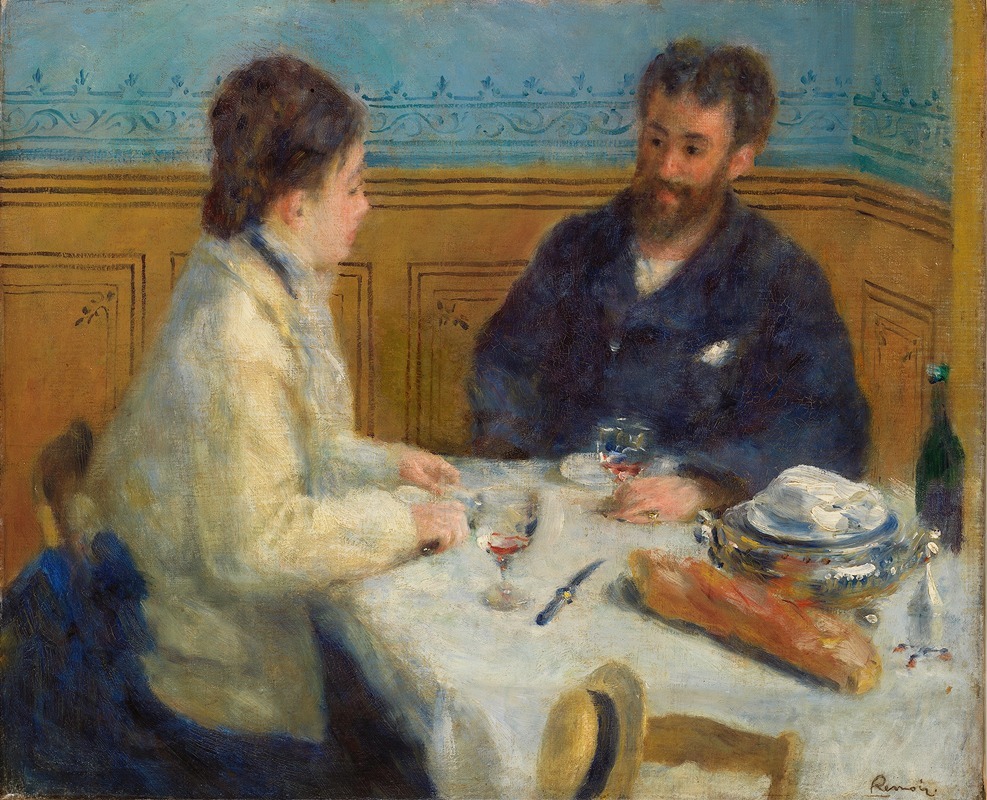
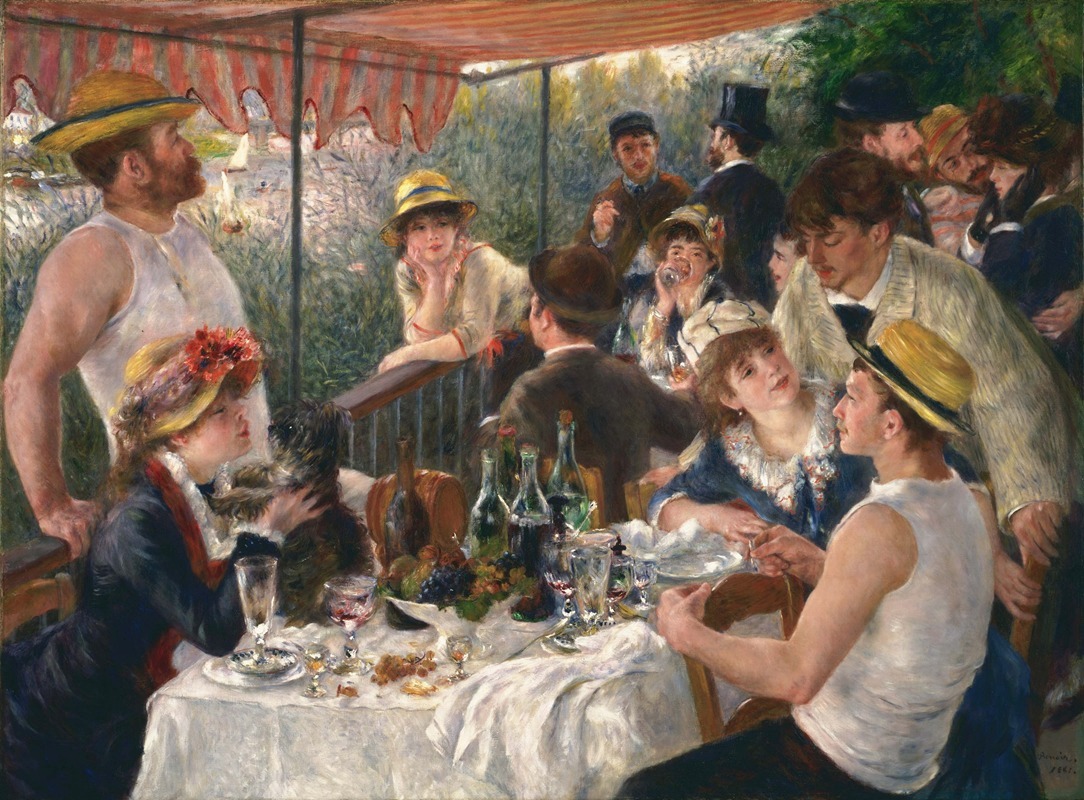
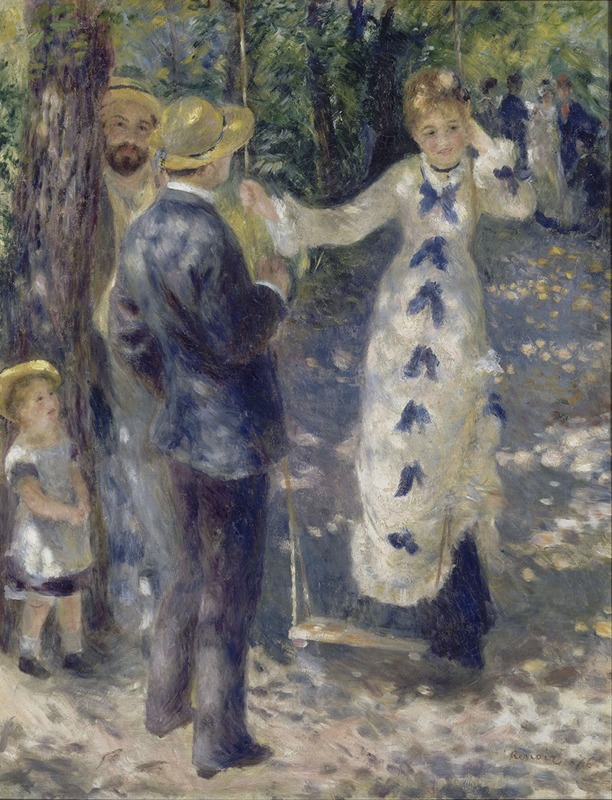
In The Love Lesson, Jean-Antoine Watteau presents a lively scene filled with soft colors and delicate figures. The painting features a couple engaged in a romantic lesson, surrounded by lush greenery and a serene landscape. The use of pastel tones creates a gentle atmosphere, enhancing the intimacy of the moment.
The figures are elegantly dressed, typical of the Rococo style, which emphasizes grace and charm. The painting is executed in oil on canvas, a popular medium during Watteau's time, allowing for rich color and texture. The dimensions are approximately 80 x 100 cm, making it a medium-sized work that draws viewers in. Watteau's brushwork is fluid and expressive, capturing the playful nature of the scene.
The composition is balanced, with the couple positioned centrally against a backdrop of nature. Jean-Antoine Watteau was a key figure in the Rococo movement, known for his depictions of love and leisure. The Love Lesson is a prime example of his ability to blend reality with fantasy, creating a world that feels both intimate and inviting. Interestingly, this work reflects the social customs of the early 18th century, where courtship and romance were often celebrated in art.
Watteau's influence can be seen in many later artists who embraced similar themes of love and beauty.
More Artworks by Jean-Antoine Watteau
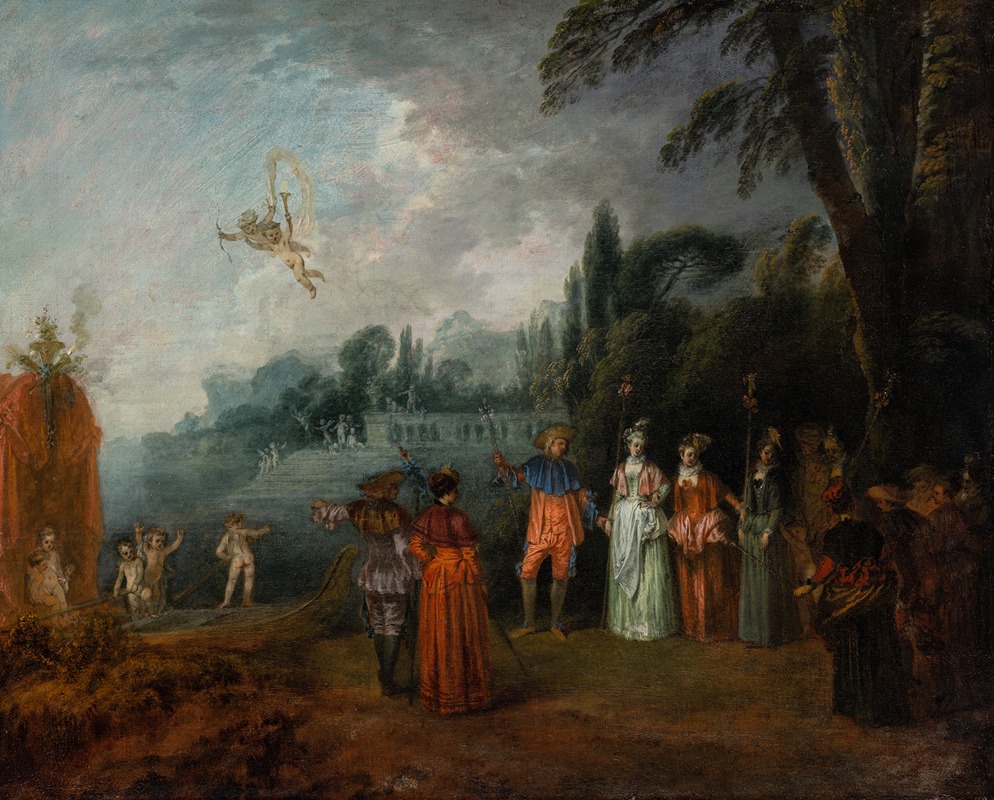
The Embarkation for Cythera
Jean-Antoine Watteau
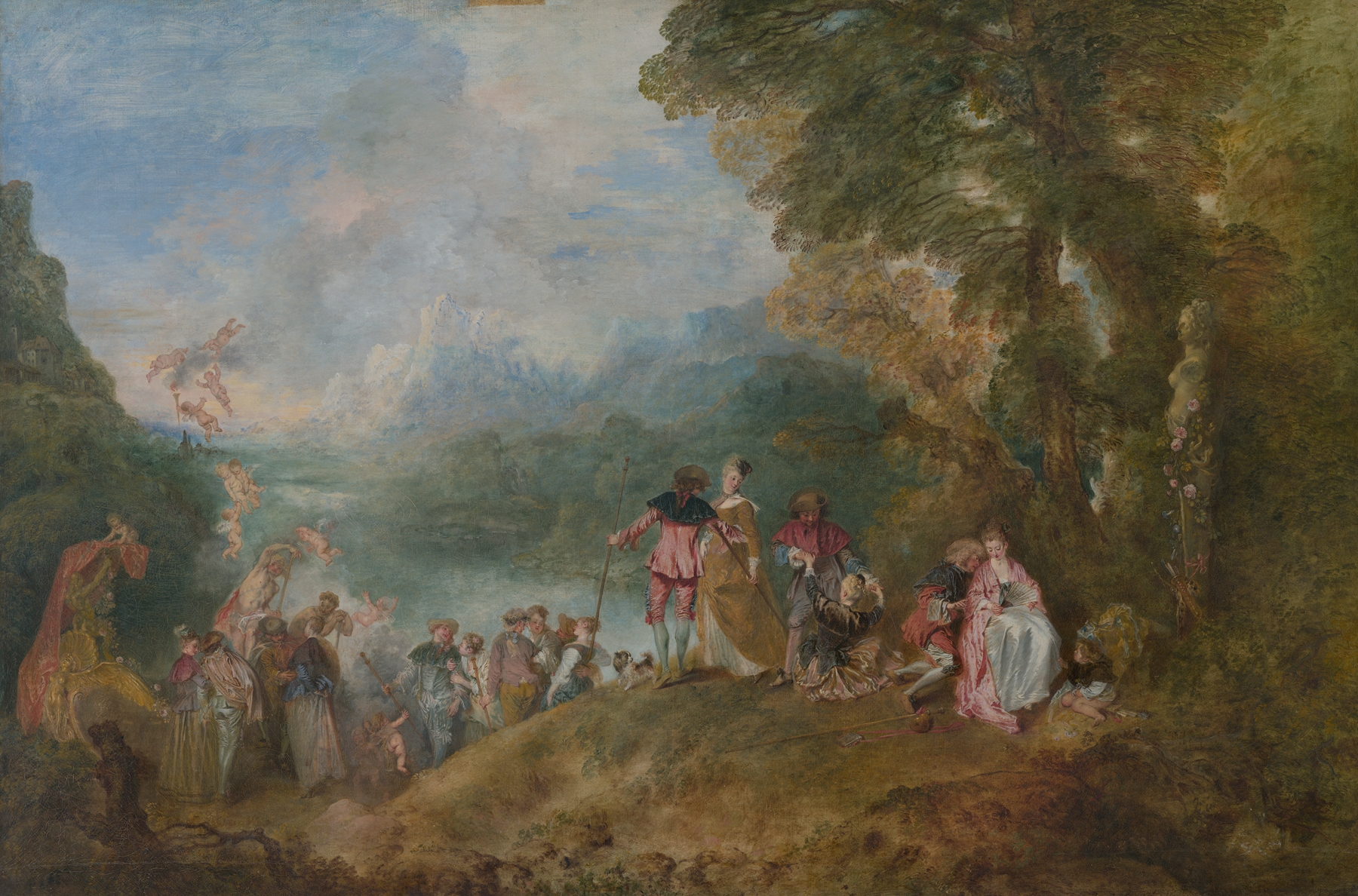
L’Embarquement pour Cythere
Jean-Antoine Watteau
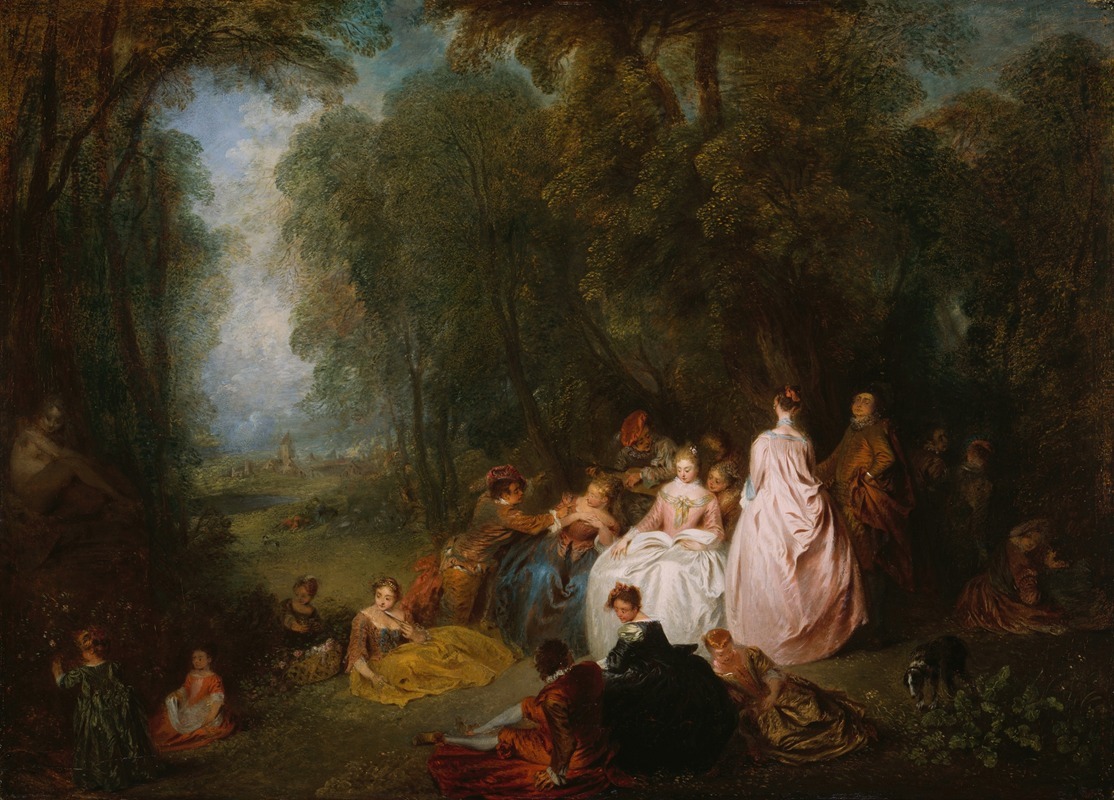
Fête champêtre (Pastoral Gathering)
Jean-Antoine Watteau

The Clothes are Italian
Jean-Antoine Watteau
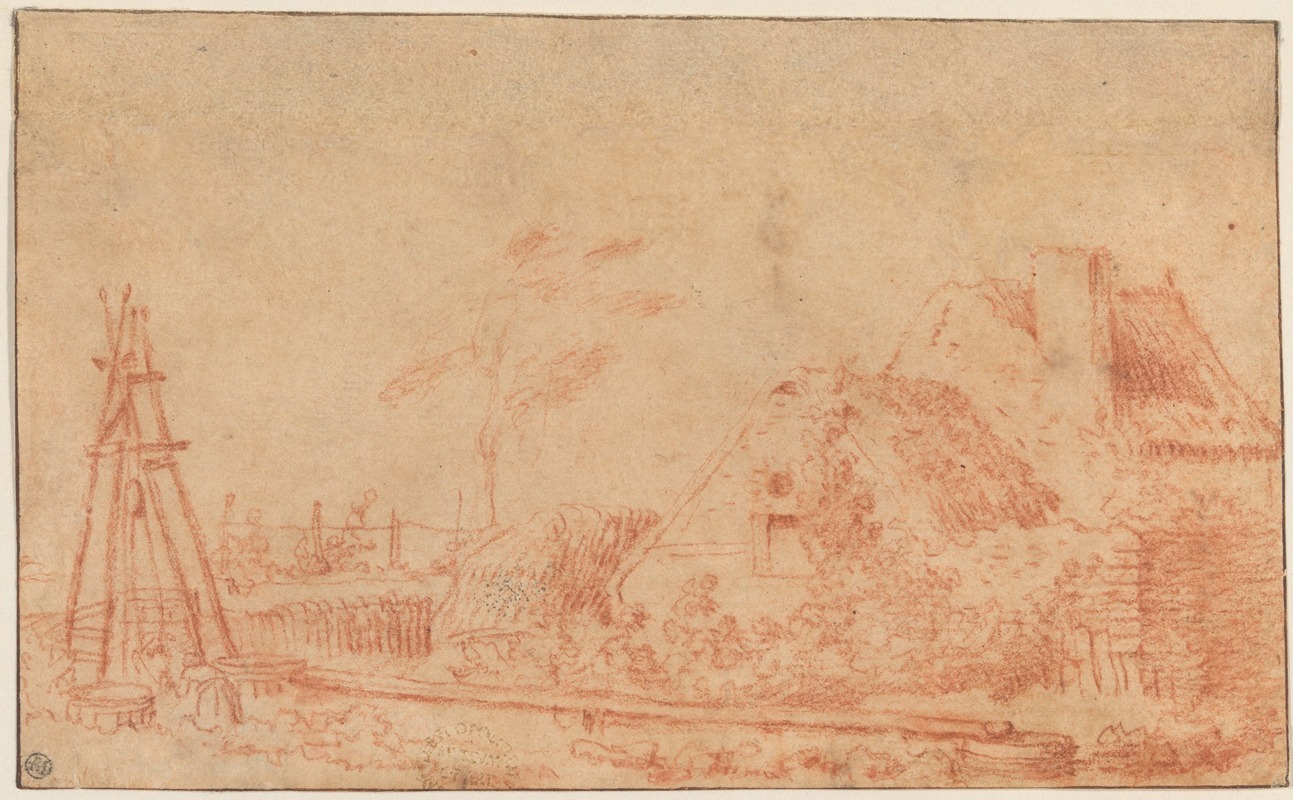
Landscape with a Cottage and Well
Jean-Antoine Watteau
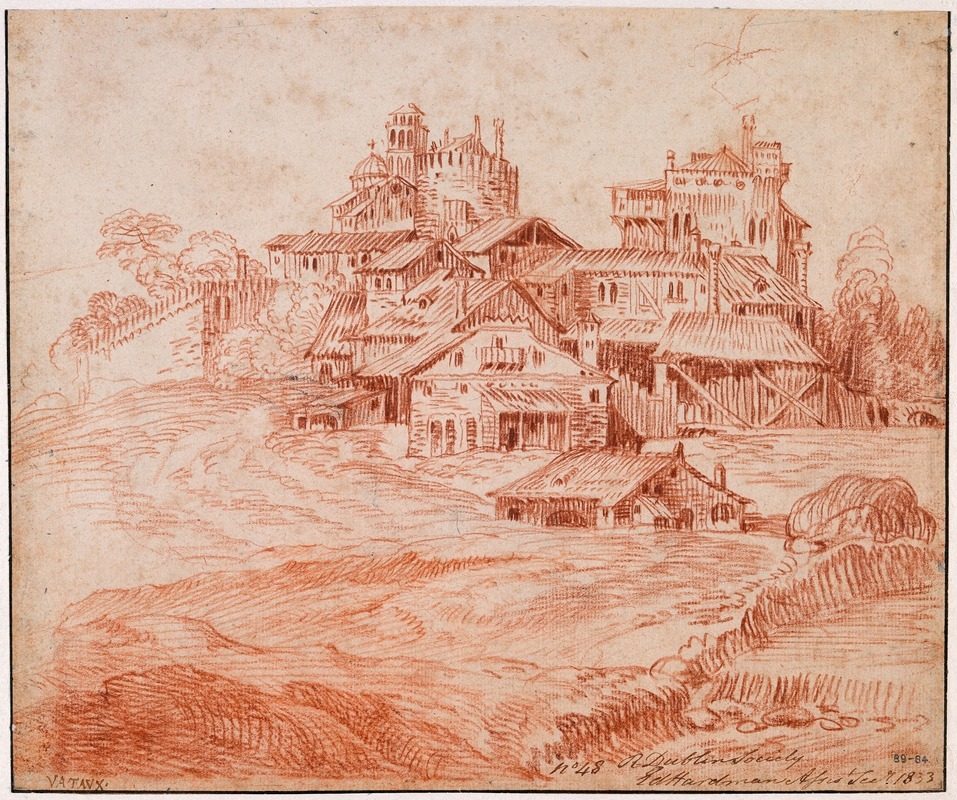
Fortified Village with a Castle, Keep and a Church
Jean-Antoine Watteau

Gentilhomme debout tenant avec sa canne
Jean-Antoine Watteau

Fêtes Venitiennes
Jean-Antoine Watteau

Standing Girl; barefoot, lifting her skirt
Jean-Antoine Watteau
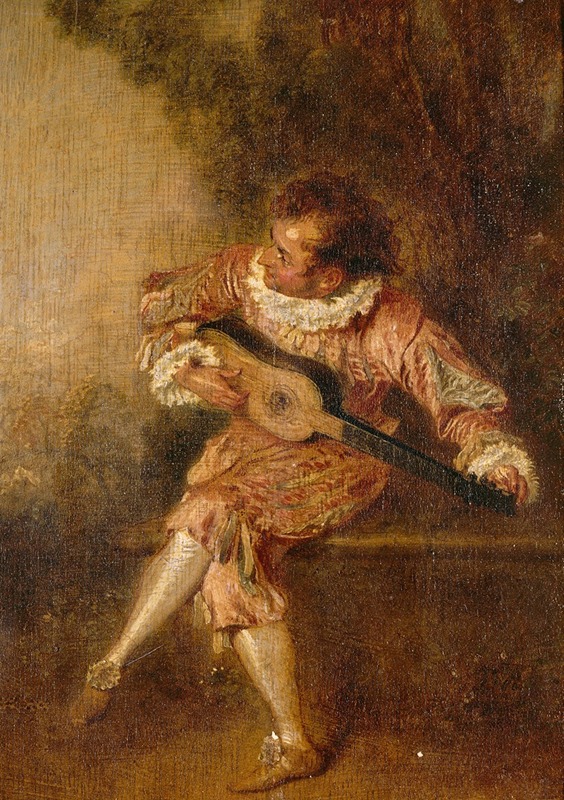
Le donneur de sérénades (Mezetin)
Jean-Antoine Watteau