
The Luxembourg Garden in Paris — History & Facts
The sun filters through the lush canopy of trees, dappling the ground with warm light. A young woman sits serenely on a bench, her gaze lost in thoughts as the vibrant colors of blooming flowers surround her. The gentle rustle of leaves whispers secrets of beauty, while a distant sound of laughter carries on the breeze, hinting at the joys of life in this Parisian sanctuary. Look to the left at the vibrant bursts of color emanating from the flower beds, their hues rendered with an almost palpable vibrancy.
Notice how the artist expertly employs soft brush strokes to create a sense of movement in the foliage, inviting the viewer to feel the breeze that dances through the garden. The figures are interwoven with the lush flora, creating a harmonious blend that celebrates both human presence and nature’s splendor. Beneath the surface, the artwork reflects a delicate tension between solitude and the surrounding vibrancy. The young woman, though surrounded by life, appears absorbed in her own thoughts, suggesting a deeper yearning or introspection.
This contrast highlights the beauty of nature while revealing the complex emotions that can accompany solitary moments in a bustling world. Stanisław Wyspiański painted this work between 1891 and 1894, during a time when he was deeply engaged with the artistic community in Paris. Influenced by the Symbolist movement, he sought to blend emotion with landscape, capturing a moment of serene beauty that resonates with the longing for connection. The Luxembourg Garden, a cherished location in his life, served as a canvas for both personal reflection and artistic exploration amid a rapidly changing world.
More Artworks by Stanisław Wyspiański
Browse all →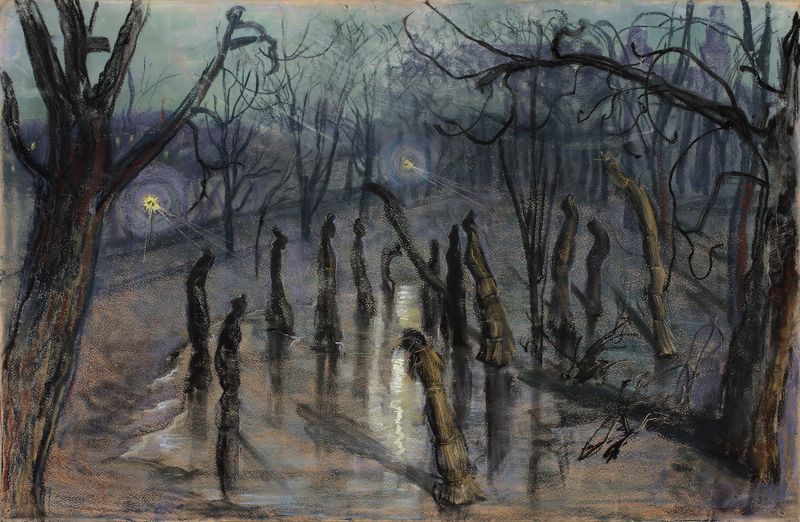
Chochoły (Straw Men Dancing in the Planty)
Stanisław Wyspiański
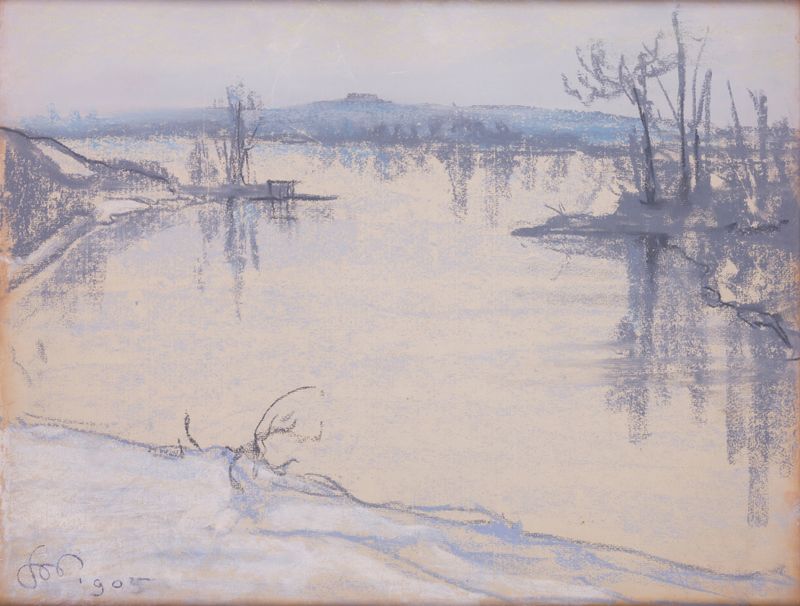
Wisła pod Krakowem
Stanisław Wyspiański
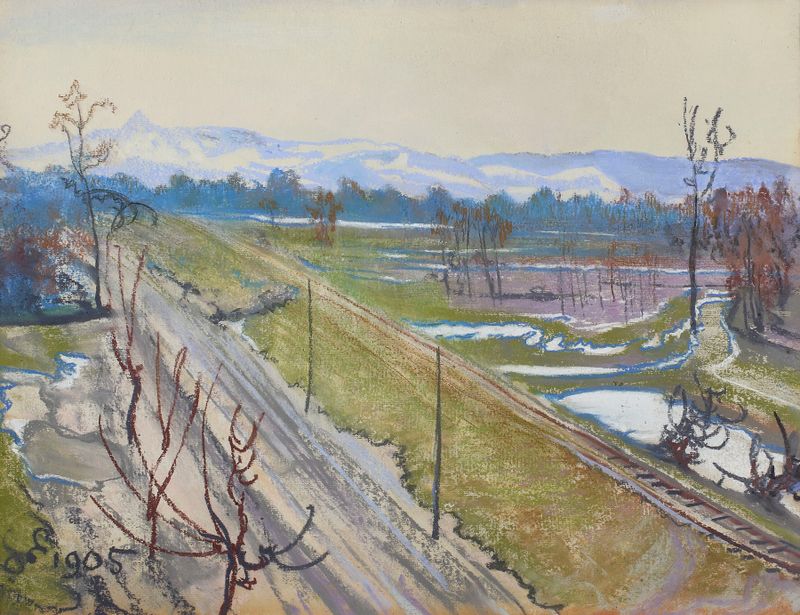
View from the window of the artist’s studio of Kościuszko Mound
Stanisław Wyspiański
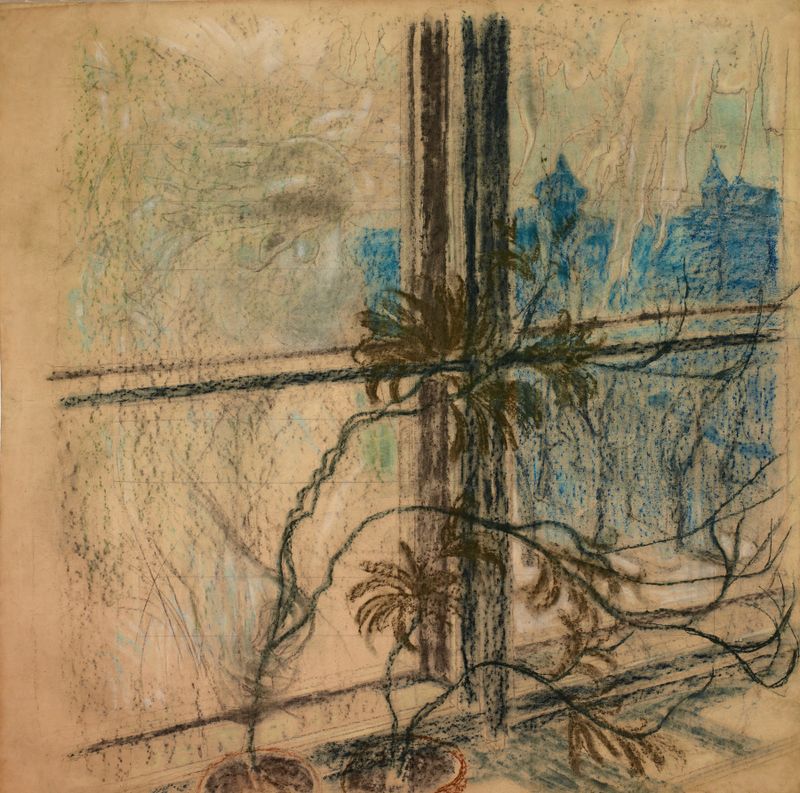
Widok z okna na mury miejskie Krakowa
Stanisław Wyspiański
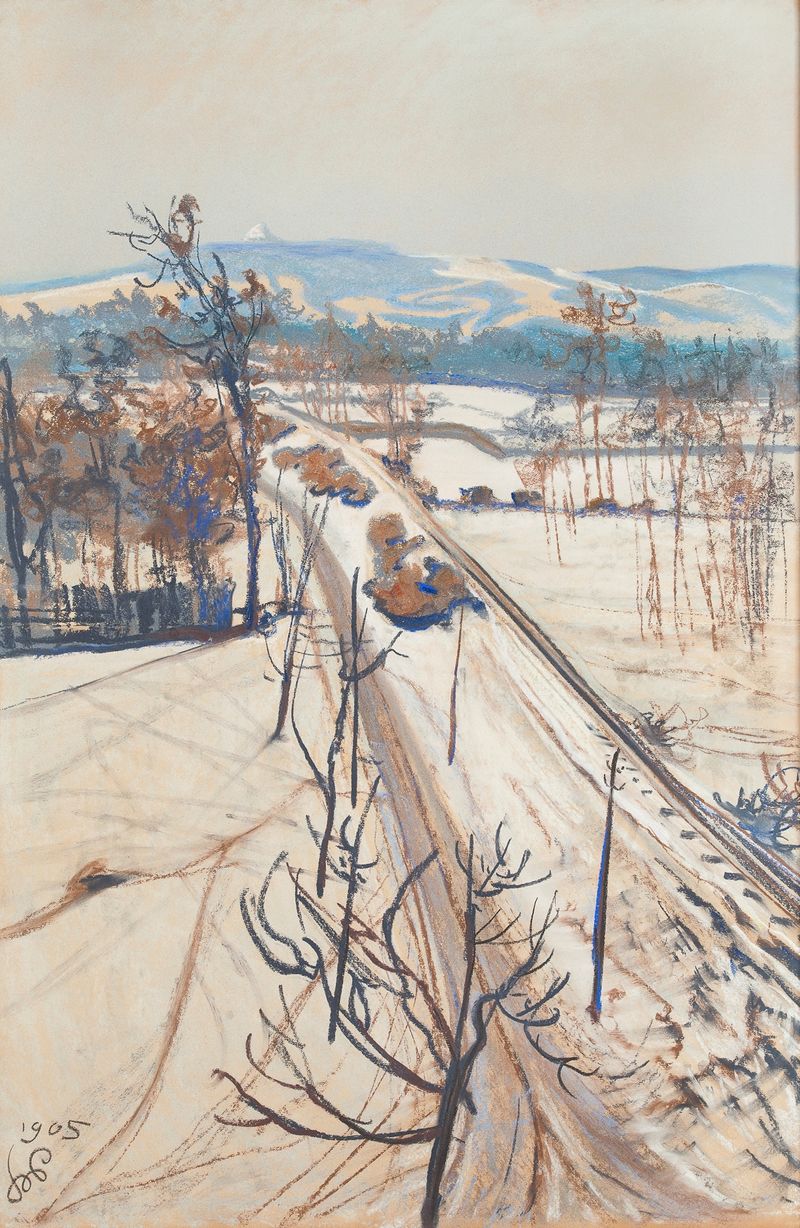
Widok na Kopiec Kościuszki. Szary dzień
Stanisław Wyspiański

View of the Wawel Castle
Stanisław Wyspiański

The Barbican and the Floriańska Street – View from Zacisze Street
Stanisław Wyspiański
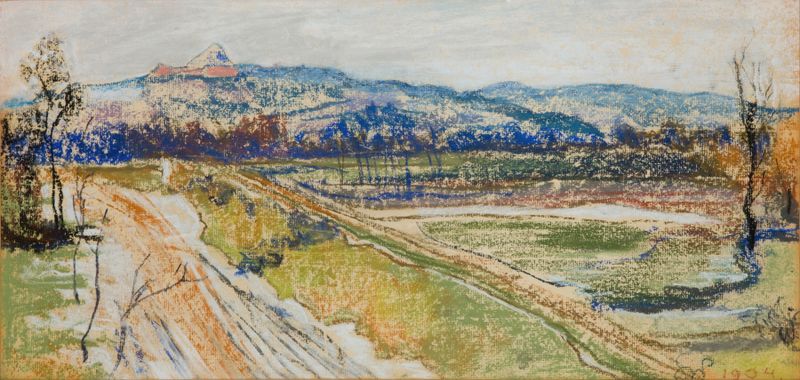
View of the Kościuszko Mound in Krakow from the Window in the Artist’s Studio
Stanisław Wyspiański
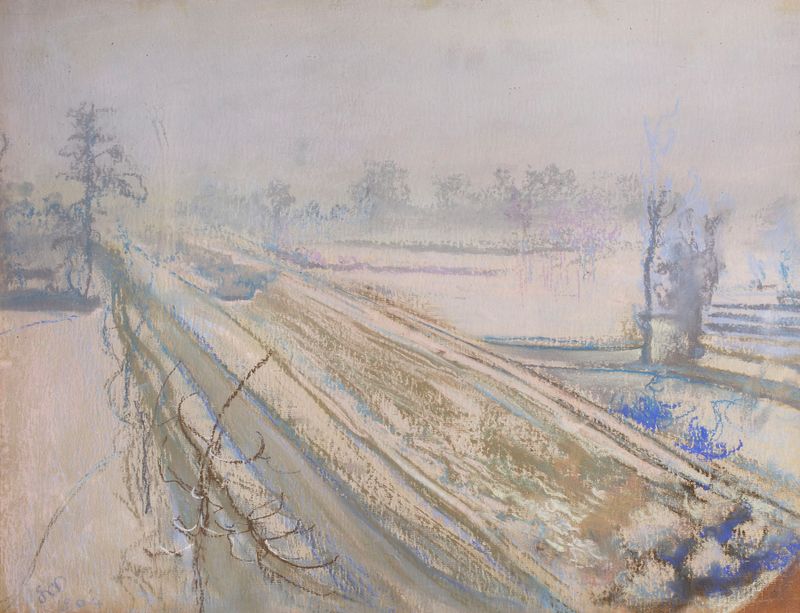
View from the window of the artist’s studio of Kościuszko Mound
Stanisław Wyspiański
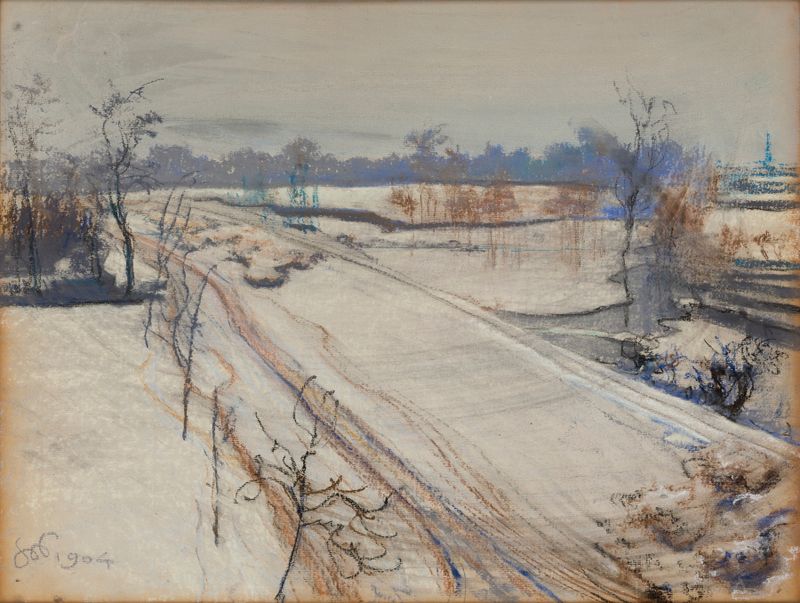
Widok z okna na Kopiec Kościuszki w Krakowie. Szary dzień
Stanisław Wyspiański





