
The Marble Arch — History & Facts
Could beauty survive in a century of chaos? Amidst the clamor of change and the relentless march of time, the answer lies in the testament of art. Look to the center of the canvas; the Marble Arch rises majestically, a symbol of grandeur and permanence. Its white stone gleams under a soft, diffused light, accentuating the intricate carvings that frame its towering structure. The archway, both an entrance and a passage, beckons viewers to step into a world where nature and architecture coexist harmoniously, marked by vibrant green trees that dance gently in the breeze against the backdrop of a tumultuous sky. Yet, the scene whispers of contrasts; the solid, enduring arch juxtaposed with the ephemeral nature of life represented by the billowing clouds above.
Here lies a commentary on mortality, where human creation strives to assert its place against the inevitable decay of time. The figures walking beneath the arch appear small and transient, emphasizing the grandeur of the monument and inviting contemplation on the legacy we leave behind amidst our fleeting existence. During the period when this work was created, Shepherd was immersed in the vibrant art scene of 19th-century England, a time marked by industrial advancement and urban transformation. This piece reflects a world yearning for stability amid societal upheaval, as artists sought to capture the essence of beauty in a rapidly changing landscape.
The Marble Arch stands not just as a structure, but as an enduring symbol of hope and resilience in the face of inevitable change.
More Artworks by Thomas Hosmer Shepherd
Browse all →
A View of the Bank of England
Thomas Hosmer Shepherd

East India House
Thomas Hosmer Shepherd
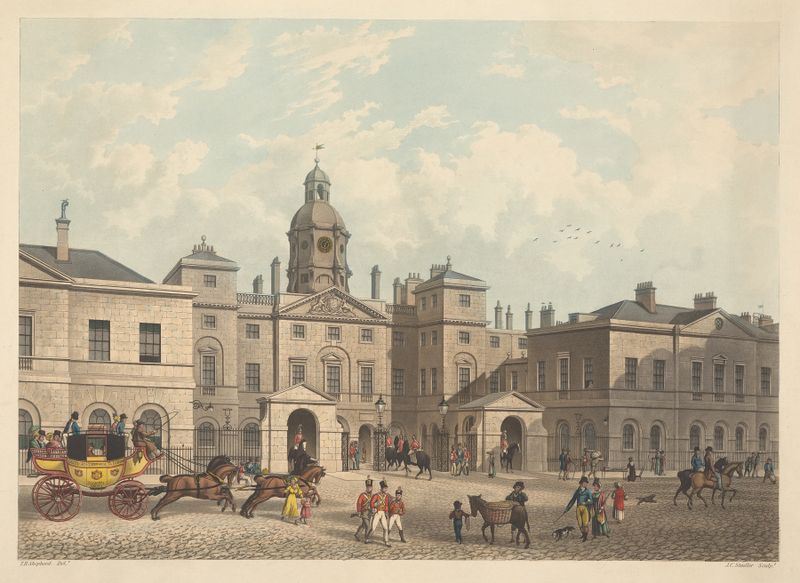
A View of Horse Guards from Whitehall
Thomas Hosmer Shepherd

St. Paul’s Cathedral
Thomas Hosmer Shepherd
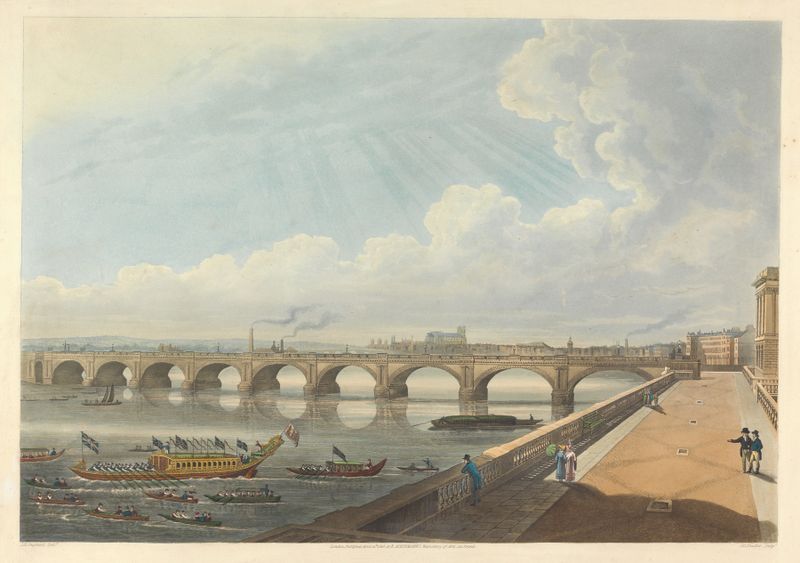
View of Waterloo Bridge from the East End of Somerset House Terrace
Thomas Hosmer Shepherd
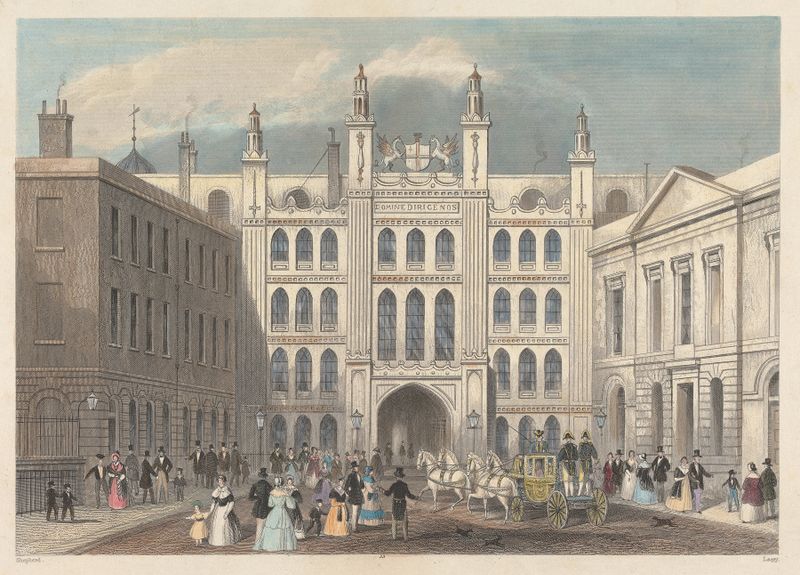
Guildhall, King Street
Thomas Hosmer Shepherd
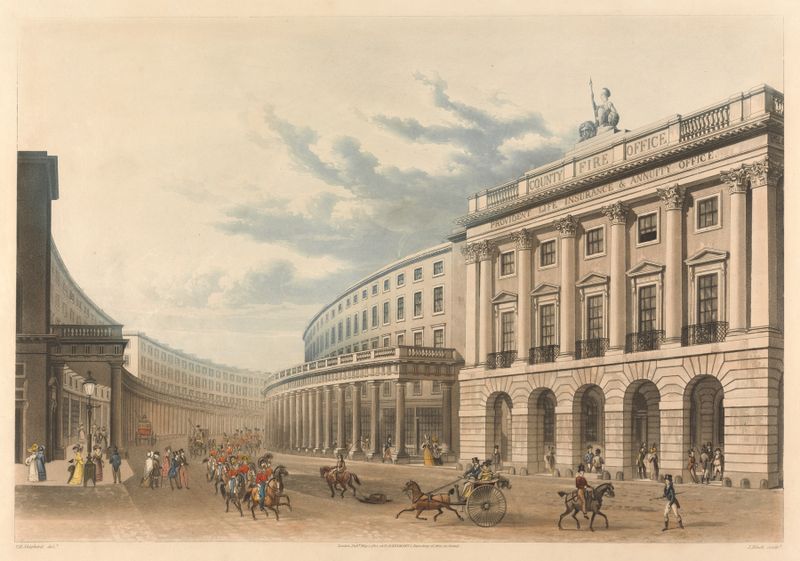
The Quadrant – Regent Street
Thomas Hosmer Shepherd

A View of the Bank of England
Thomas Hosmer Shepherd

A View of the Royal Exchange
Thomas Hosmer Shepherd
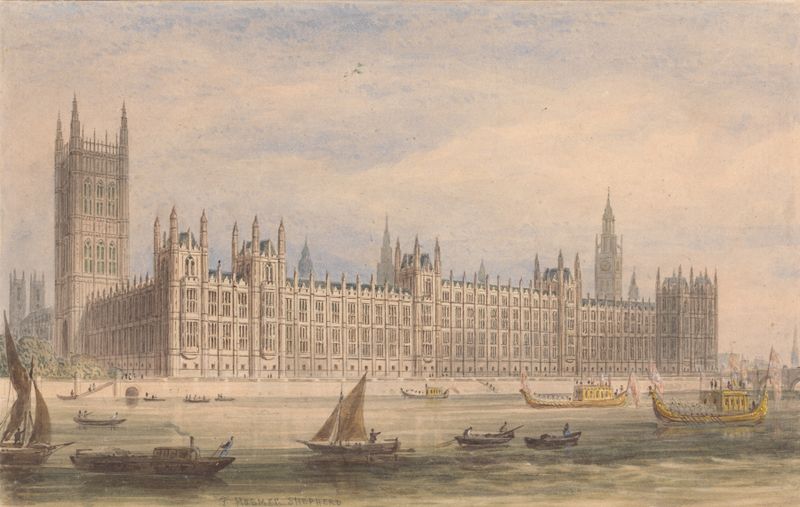
The Houses of Parliament
Thomas Hosmer Shepherd
More Architecture Art
Browse all →
The statue of Liberty
Frédéric Auguste Bartholdi

View of Houses in Delft, Known as ‘The Little Street’
Johannes Vermeer

View of Houses in Delft, Known as ‘The Little Street’
Johannes Vermeer

The Cathedral in Rouen. The portal, Grey Weather
Claude Monet

The yellow house
Vincent van Gogh

The Church in Auvers-sur-Oise, View from the Chevet
Vincent van Gogh