
The Marble Steps leading up to the Church of Santa Maria in Aracoeli in Rome — History & Facts
In the hands of a master, the ordinary becomes a landscape of obsession, a testament to the beauty hidden in everyday life. Look closely at the ascending marble steps, the focal point of the composition, elegantly guiding the viewer's gaze upward. Notice how light pours over the stone, creating a play of shadow that adds depth to the scene. The steps, adorned with subtle textures, exude a sense of history, while the warm hues contrast with the cool blues of the distant sky, illustrating the harmonious relationship between the manmade and the natural world. Every detail reveals intent: the slightly worn edges of the steps hint at the countless feet that have traversed this path, each step a silent witness to prayers and whispered secrets.
The vibrant architecture of the church looms above, symbolizing aspiration, while the surrounding landscape envelops it, suggesting a nurturing embrace. This tension—between the grounded stone and the soaring church—reflects a dynamic balance of faith and human endeavor, revealing how obsession can transform the mundane into the sacred. During the years between 1814 and 1816, Christoffer Wilhelm Eckersberg painted this work while residing in Rome, a city that captivated artists with its rich history and vibrant culture. It was a pivotal period in the art world, marked by a growing interest in realism and the interplay of light and shadow.
Eckersberg, often referred to as the father of Danish painting, was deepening his connection to the classical traditions that informed his approach, capturing the spirit of a city steeped in artistic legacy.
More Artworks by Christoffer Wilhelm Eckersberg
Browse all →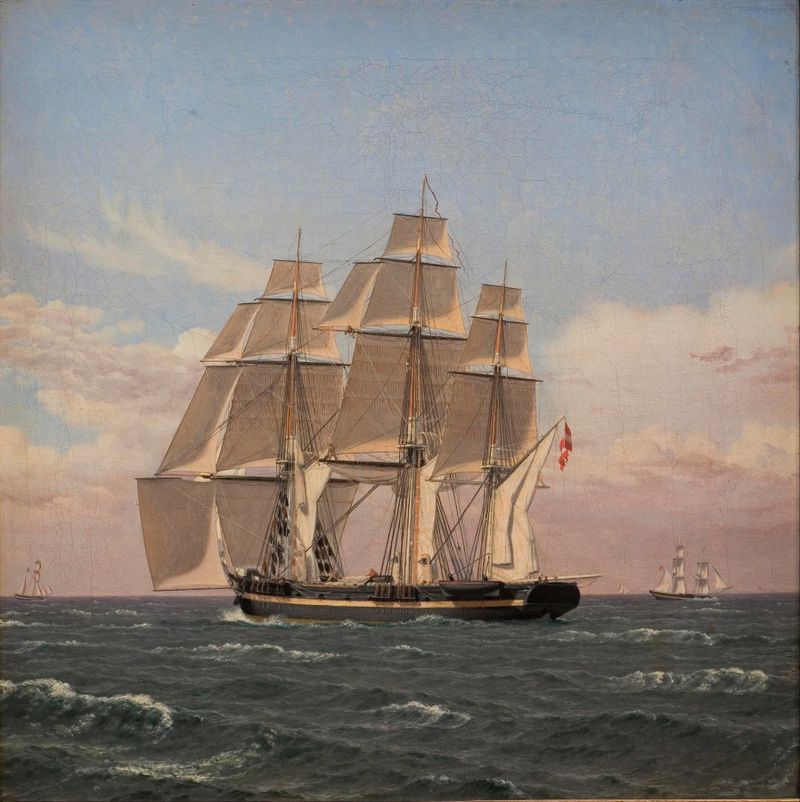
The corvette Najaden under sail
Christoffer Wilhelm Eckersberg

The Corvette Najaden under Sail
Christoffer Wilhelm Eckersberg
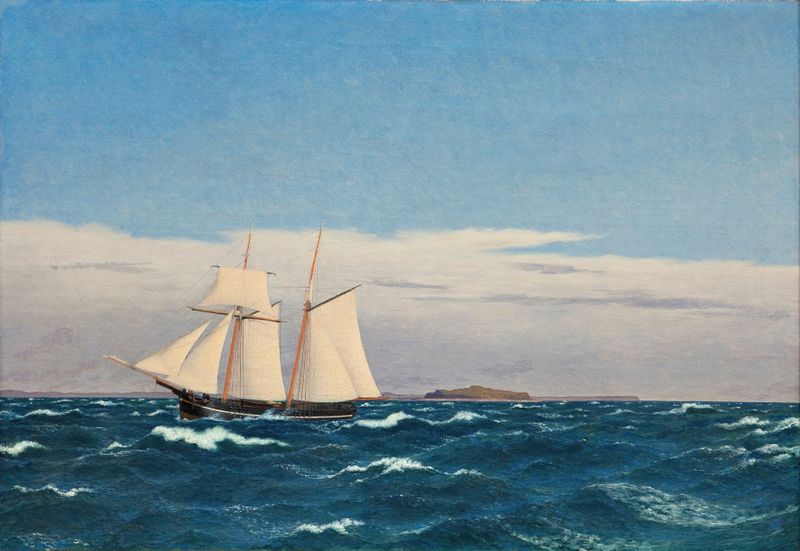
Seascape with the island of Hjelm and the coast of Jutland
Christoffer Wilhelm Eckersberg
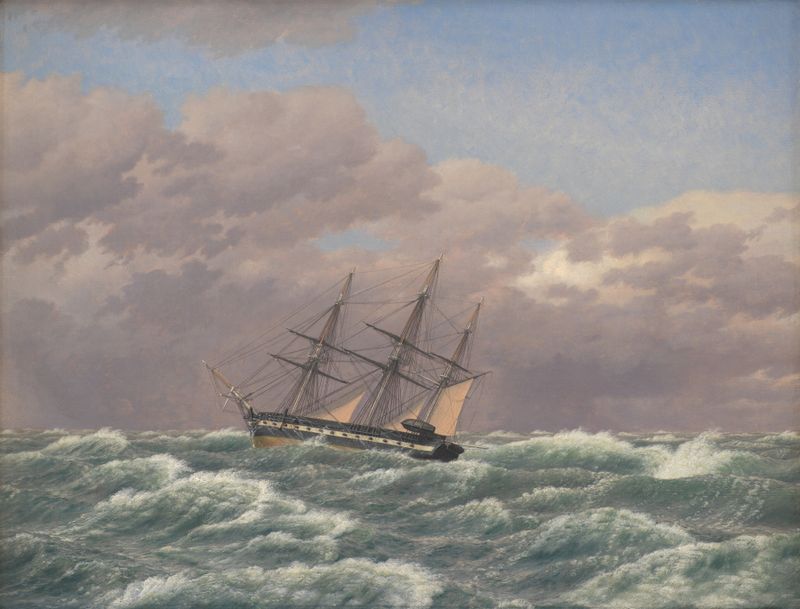
The Corvette ‘Galathea’ in a Storm in the North Sea
Christoffer Wilhelm Eckersberg
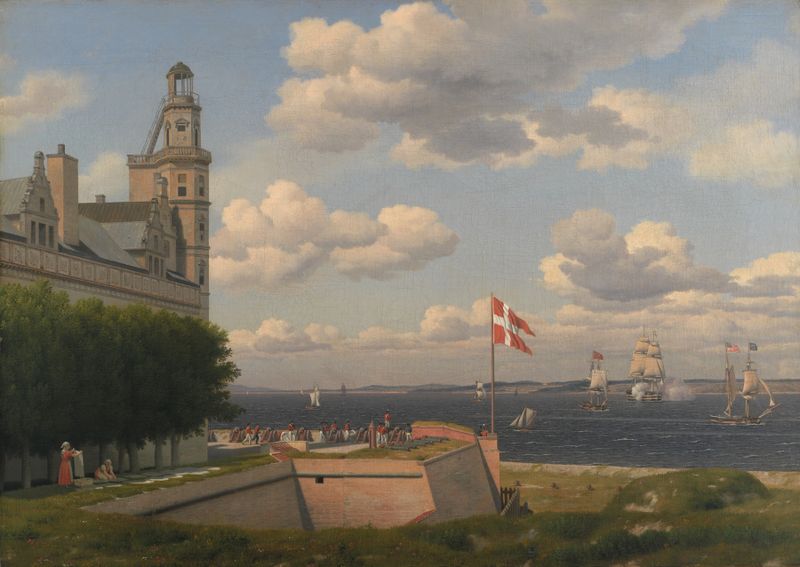
A View towards the Swedish Coast from the Ramparts of Kronborg Castle
Christoffer Wilhelm Eckersberg
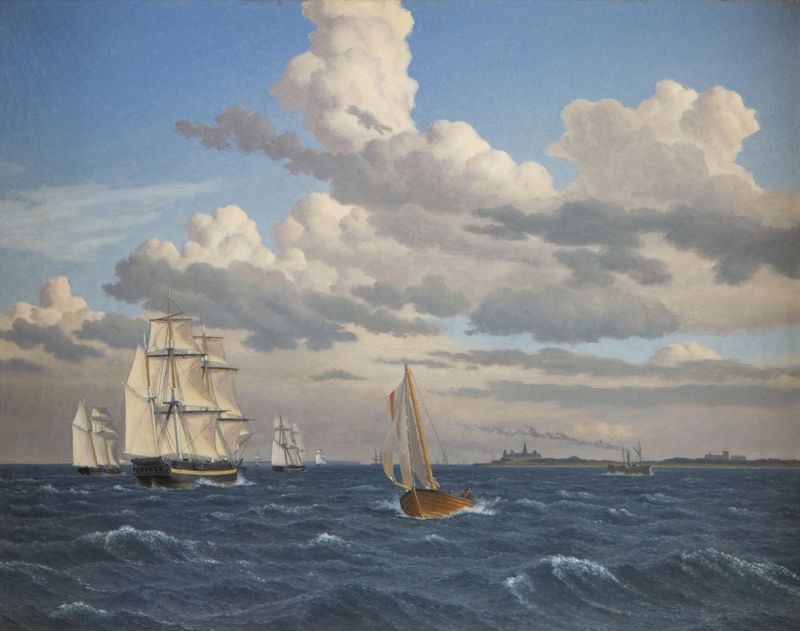
Ships in the Sound North of Kronborg Castle, Elsinore
Christoffer Wilhelm Eckersberg
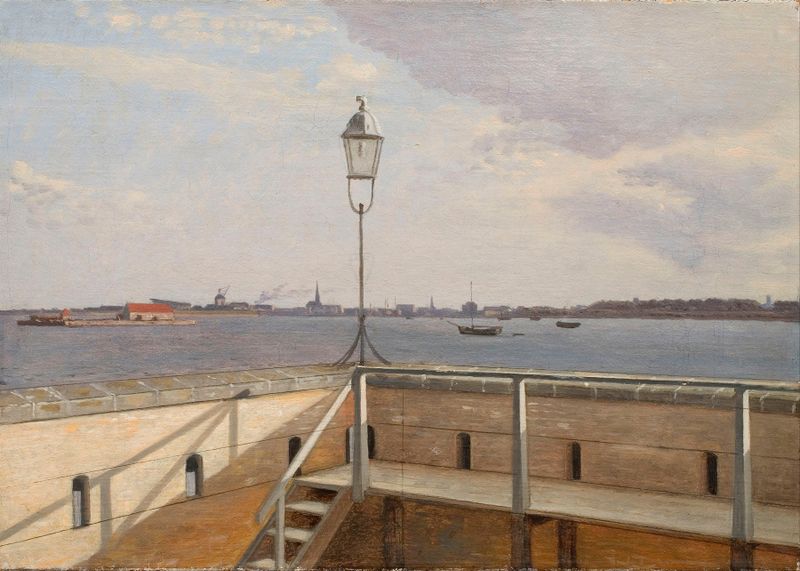
View from the Trekroner Battery with Copenhagen in the distance
Christoffer Wilhelm Eckersberg
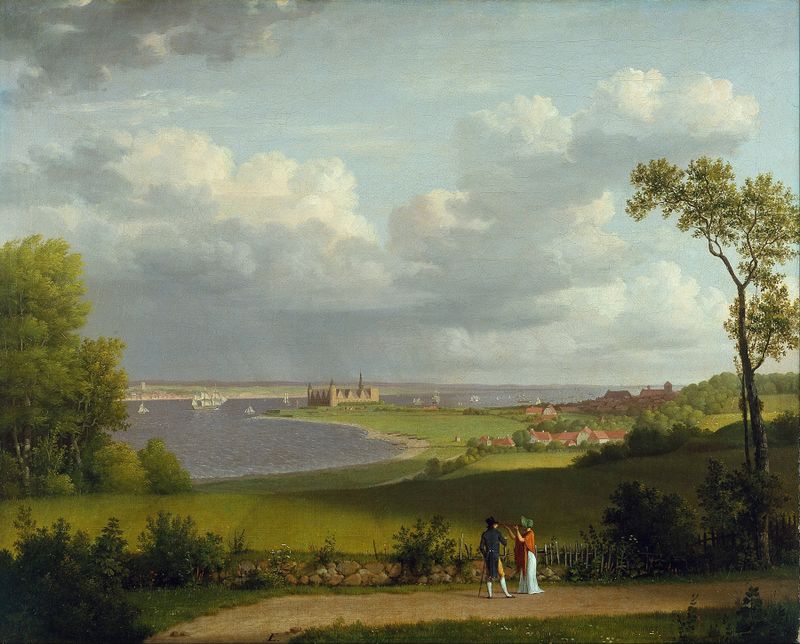
View north of Kronborg Castle
Christoffer Wilhelm Eckersberg

Vesta Temple in Rome
Christoffer Wilhelm Eckersberg
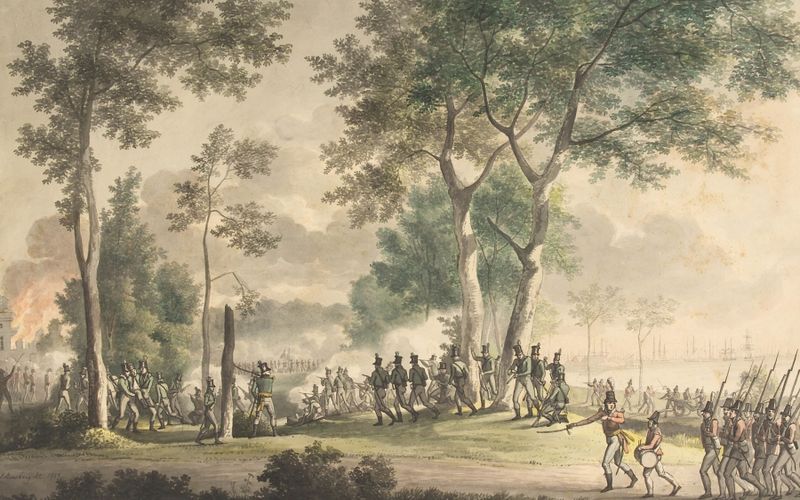
Livjægernes udfald i Classens have 31.august 1807.
Christoffer Wilhelm Eckersberg
More Architecture Art
Browse all →
The statue of Liberty
Frédéric Auguste Bartholdi

View of Houses in Delft, Known as ‘The Little Street’
Johannes Vermeer

View of Houses in Delft, Known as ‘The Little Street’
Johannes Vermeer

The Cathedral in Rouen. The portal, Grey Weather
Claude Monet

The yellow house
Vincent van Gogh

The Church in Auvers-sur-Oise, View from the Chevet
Vincent van Gogh