
The Milk Soup at Kappel — History & Facts
What first catches the eye in The Milk Soup at Kappel is the sheer exuberance of the gathering: soldiers in gleaming armor and slashed sleeves, their faces flushed with laughter and rivalry, crowd around a great bowl of milk soup, each brandishing a spoon or chunk of bread. The artist, Albert Anker, delights in the choreography of limbs and glances—see how the men lean in, jostling for position, their gestures as animated as a stage play. The bright, almost theatrical palette draws attention to the central contest, while the dappled sunlight and lush greenery soften the martial edge, turning a scene of potential conflict into one of communal farce.
The boundary stone at the center, with bread poised atop, hints at a story of division and uneasy truce, but here, appetite and humor win the day. Painted in 1869, this work belongs to a moment when historical genre painting flourished in Europe, especially in Switzerland, where artists like Anker mined local lore for scenes that blended the comic and the serious. The real-life episode behind the milk soup—if indeed it is referenced here—was often invoked as a symbol of Swiss compromise, but Anker’s approach is less didactic than playful. Such paintings were often commissioned for public spaces or civic collections, intended to celebrate national character or instruct through example, yet few records survive about the specific journey of this canvas.
Today, its energy and detail invite viewers to linger, searching each face and gesture for clues to the story, and to imagine what laughter sounded like on that sunlit afternoon.
More Artworks by Albert Anker

Portrait Of A Girl
Albert Anker
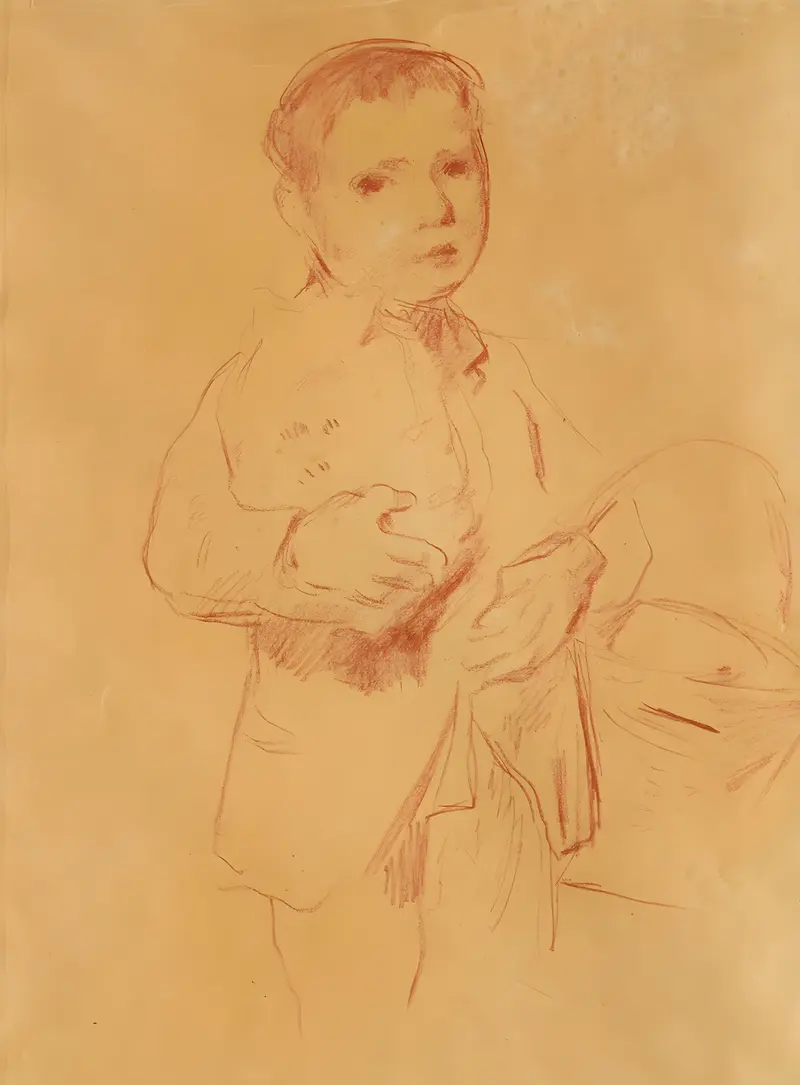
Boy with a basket
Albert Anker
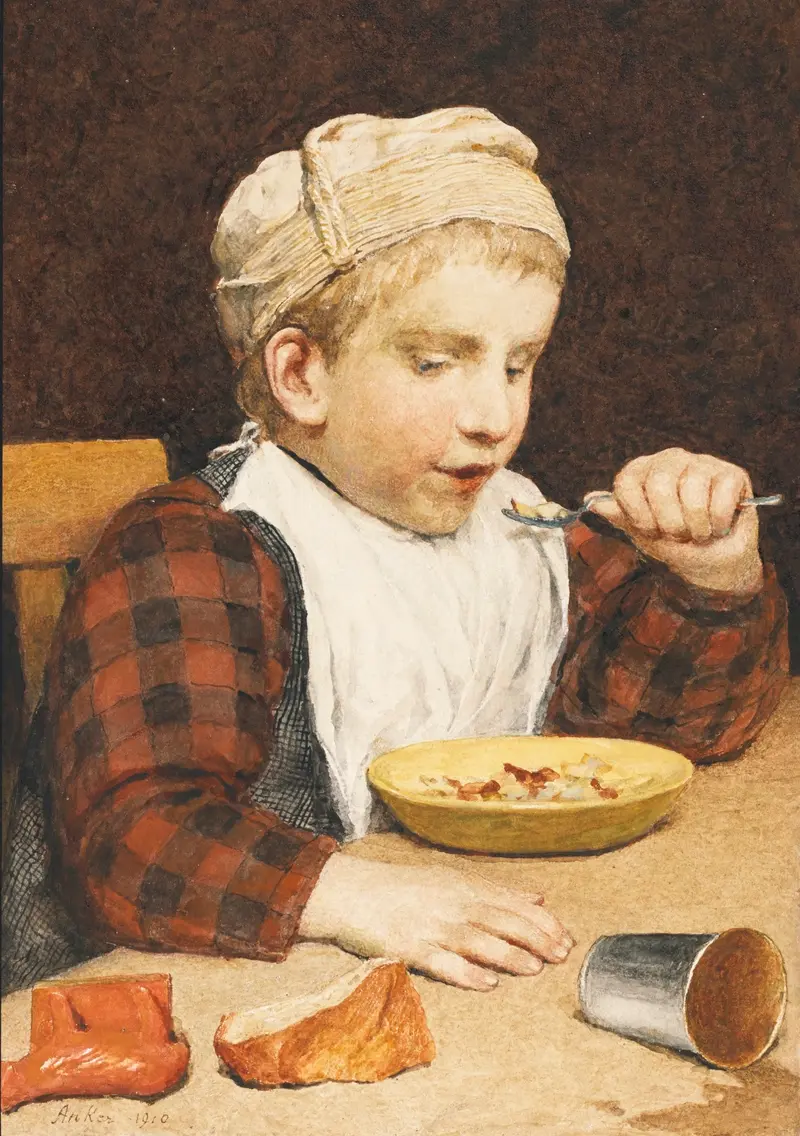
Knabe Mit Mütze Beim Essen
Albert Anker
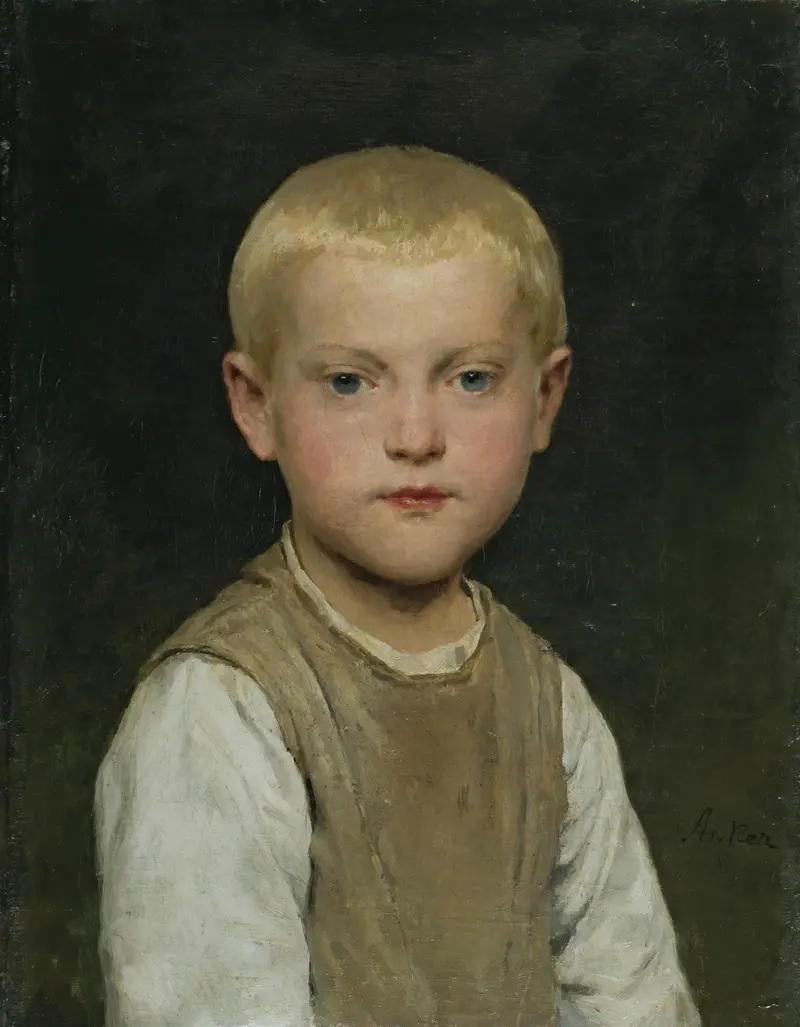
Knabenbildnis (Dr Heiri)
Albert Anker
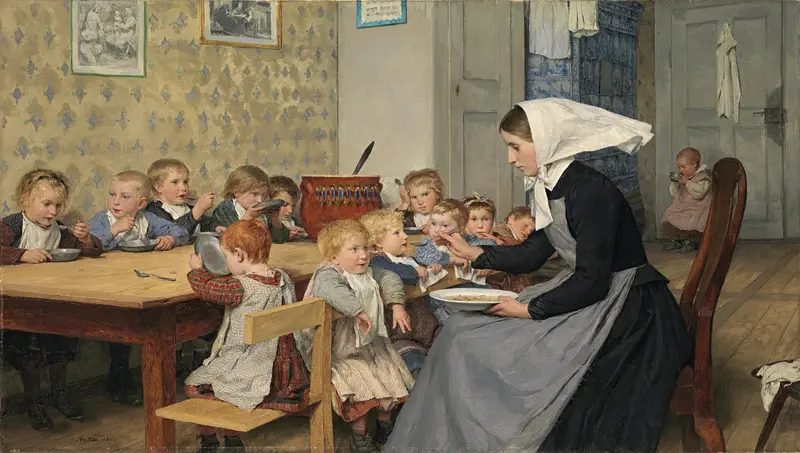
Die Kinderkrippe I
Albert Anker

L’instituteur et le pasteur
Albert Anker
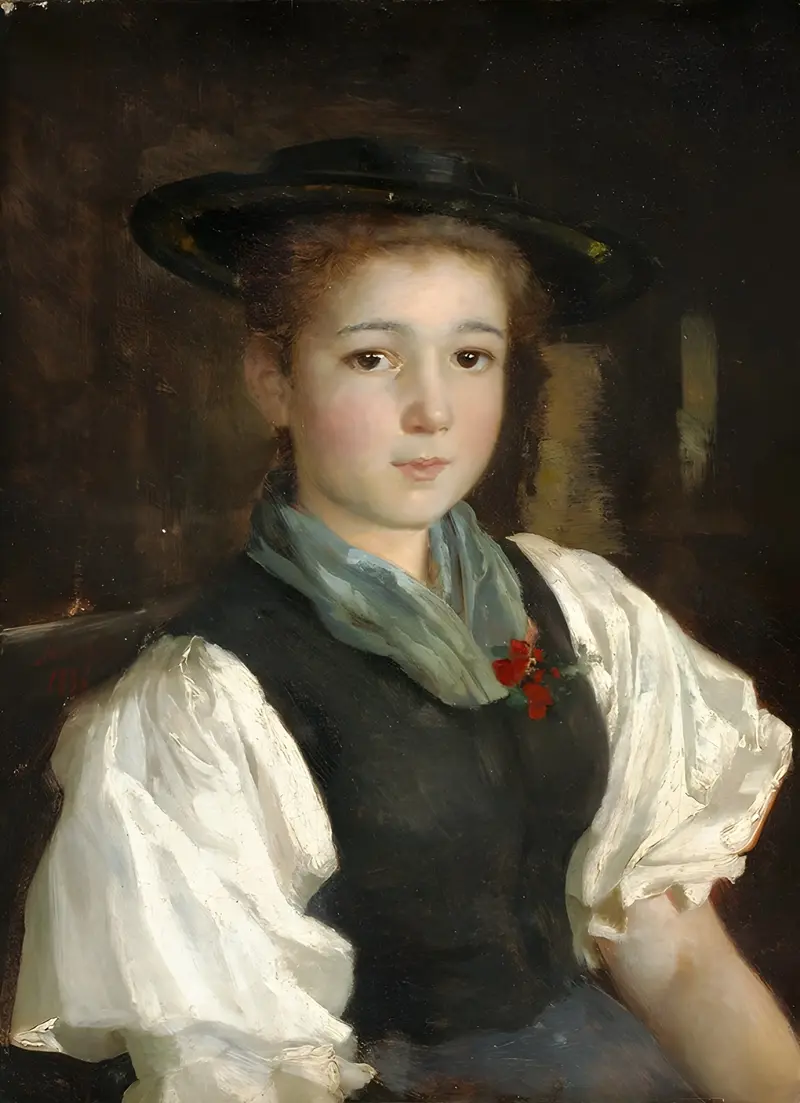
Bauernmädchen (Farm Girl)
Albert Anker
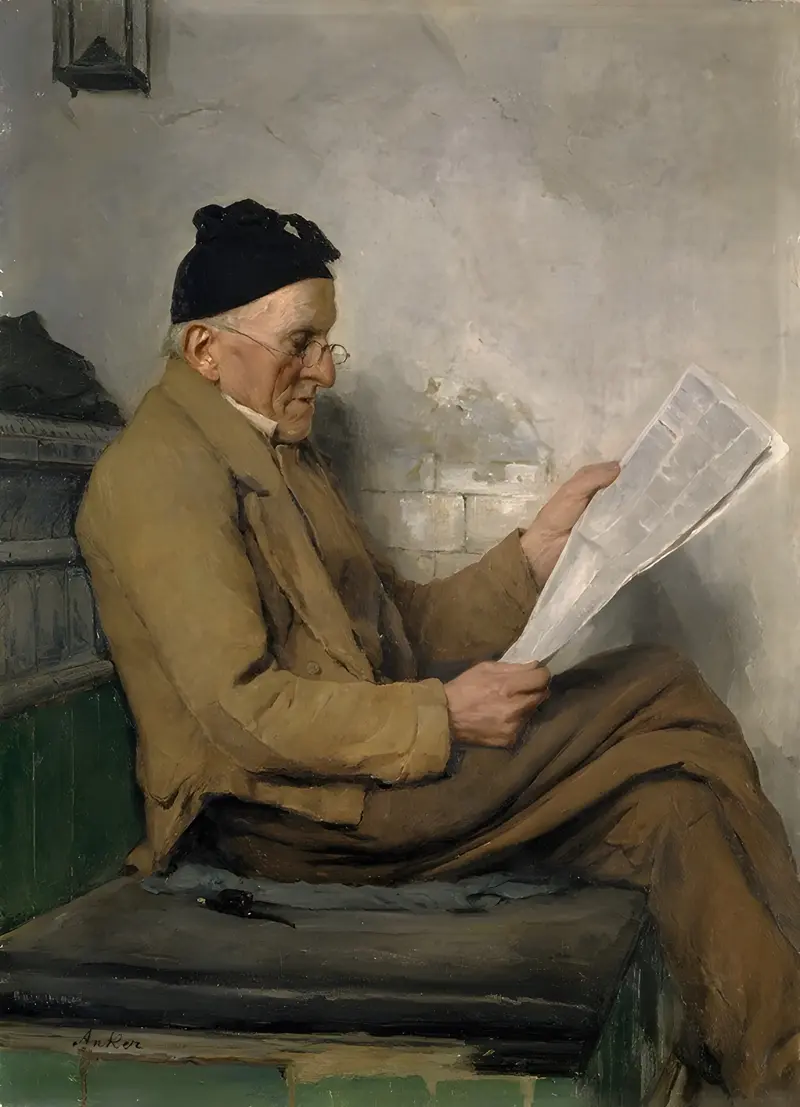
Farmer Reading on the Stove Bench
Albert Anker
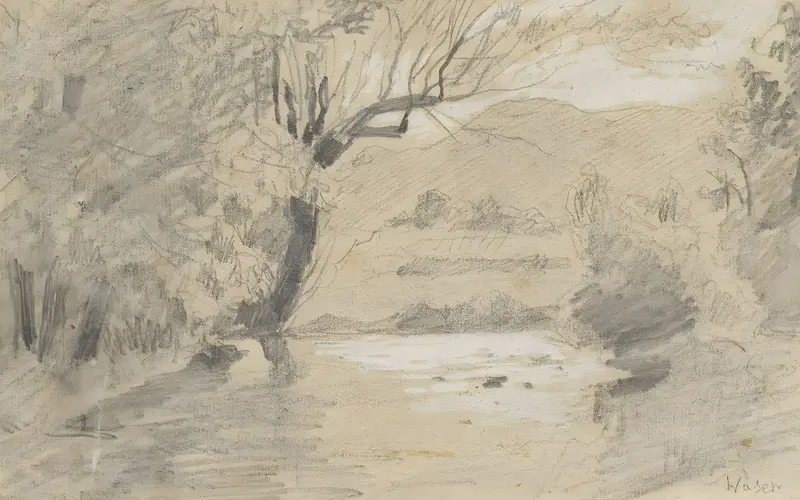
Flusslandschaft in Wasen (Emmental)
Albert Anker
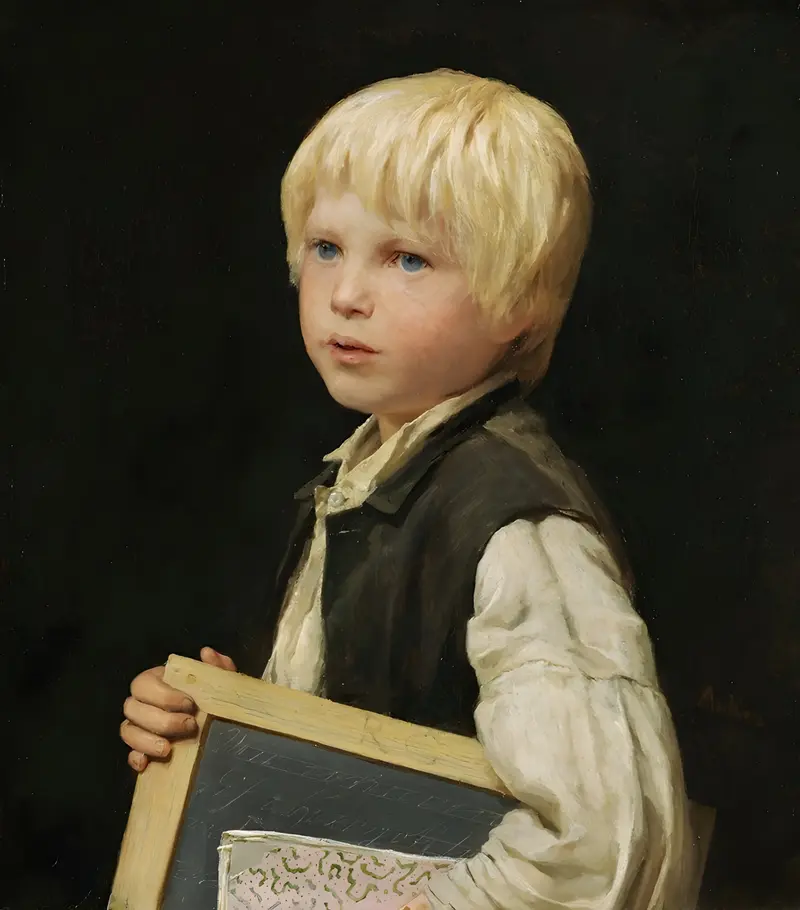
School Boy
Albert Anker
More Genre Scene Art

Banquet of the Officers of the St George Civic Guard
Frans Hals

Rembrandt and Saskia in the Scene of the Prodigal Son
Rembrandt van Rijn

Bal du moulin de la Galette
Pierre-Auguste Renoir

Quadrille at the Moulin Rouge
Henri de Toulouse-Lautrec

A Burial at Ornans
Gustave Courbet

When Will You Marry?
Paul Gauguin