Discover insights about this artwork
The Mill — History & Facts
In The Mill, Paul Cézanne presents a tranquil landscape dominated by lush greenery and a serene sky. The painting features a mill nestled among trees, with soft, swirling brushstrokes that create a sense of movement. The color palette includes rich greens, soft blues, and warm earth tones, which evoke a peaceful atmosphere.
The composition draws the viewer's eye towards the mill, inviting contemplation of the natural world. Cézanne's technique in The Mill showcases his signature brushwork, characterized by visible strokes that build texture and depth. The use of color is particularly striking, with a harmonious blend of hues that highlight the interplay of light and shadow. The painting measures approximately 73 x 92 cm, a size that allows for an intimate viewing experience.
This work exemplifies the Post-Impressionist style, focusing on the artist's perception of nature rather than strict realism. The Mill was created during a time when Cézanne was exploring the relationship between color and form. This painting reflects his interest in capturing the essence of a landscape rather than its literal representation. An interesting fact about this work is that it was painted in the 1890s, a period when Cézanne was gaining recognition among his peers, paving the way for future modernist movements.
Today, it is housed in the Musée d'Orsay, where it continues to inspire visitors.
More Artworks by Paul Cézanne
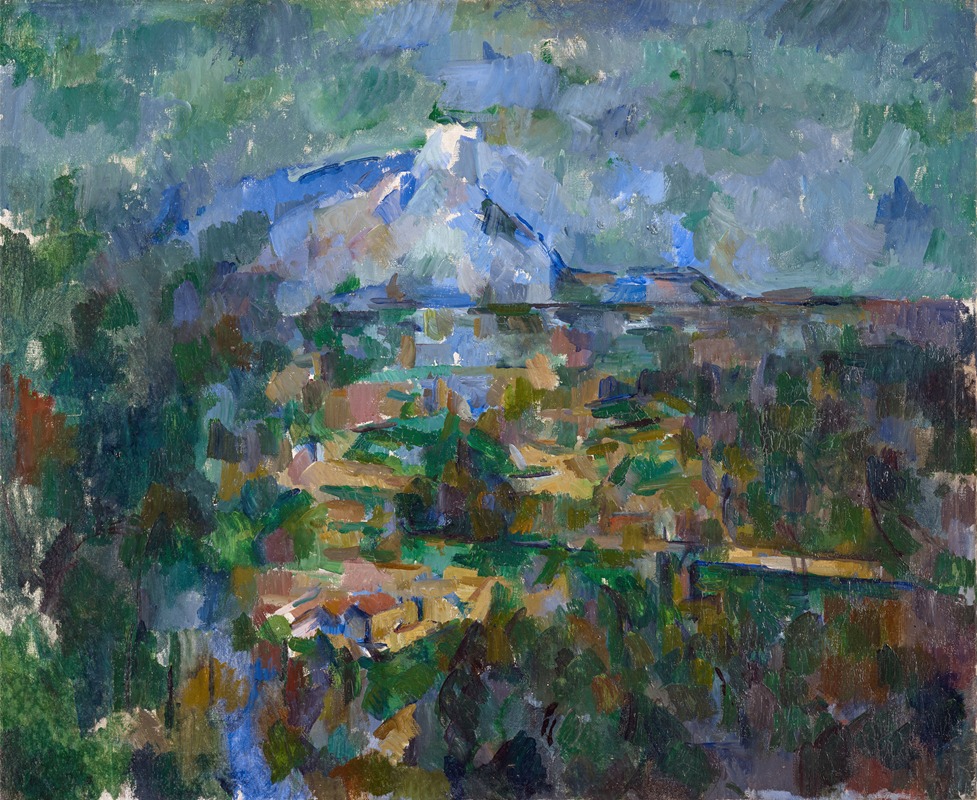
The Mont Sainte-Victoire Seen From Les Lauves
Paul Cézanne
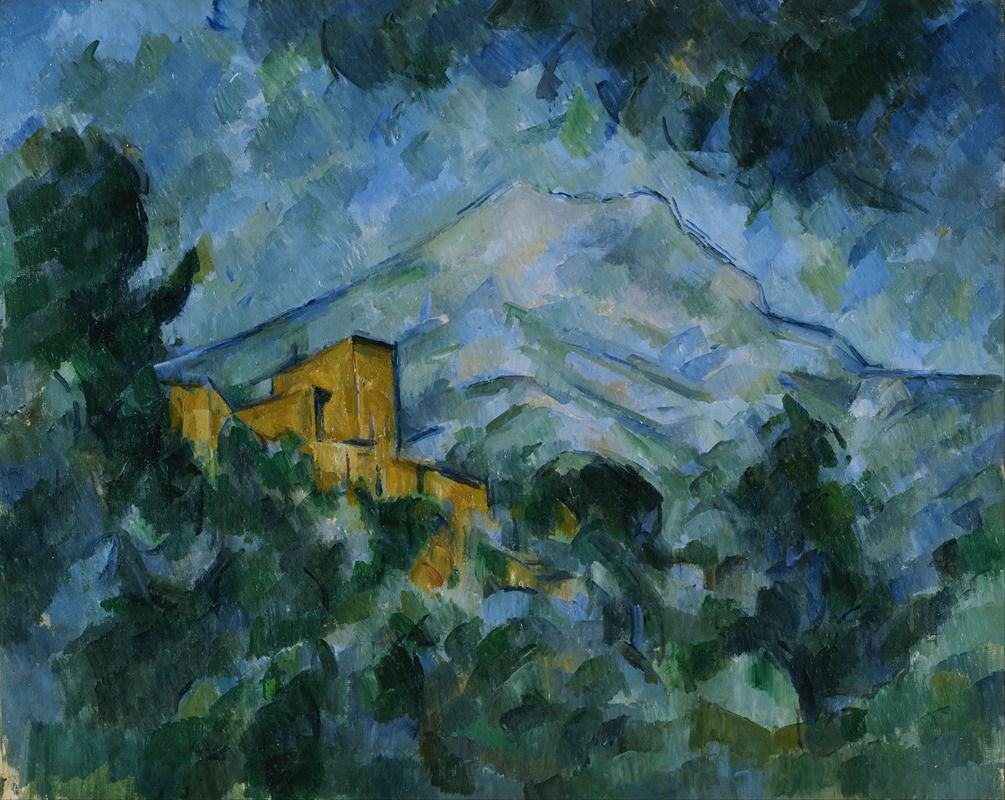
Mont Sainte-Victoire and Château Noir
Paul Cézanne
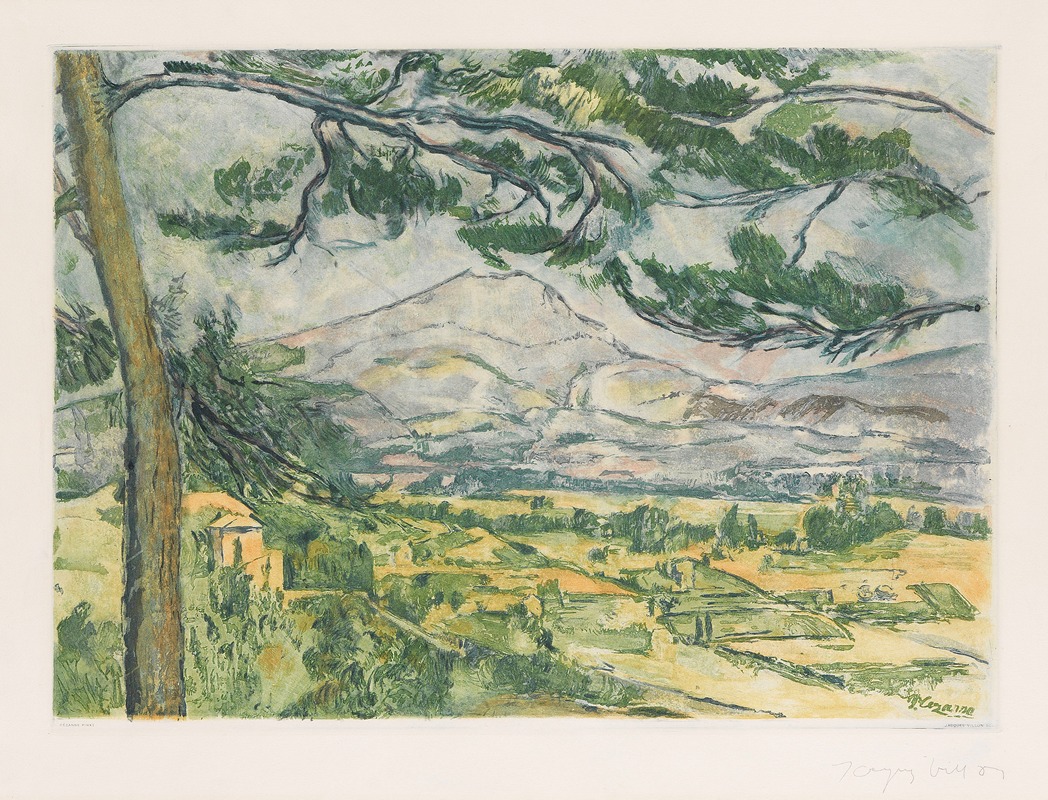
La Montagne Sainte-Victoire
Paul Cézanne
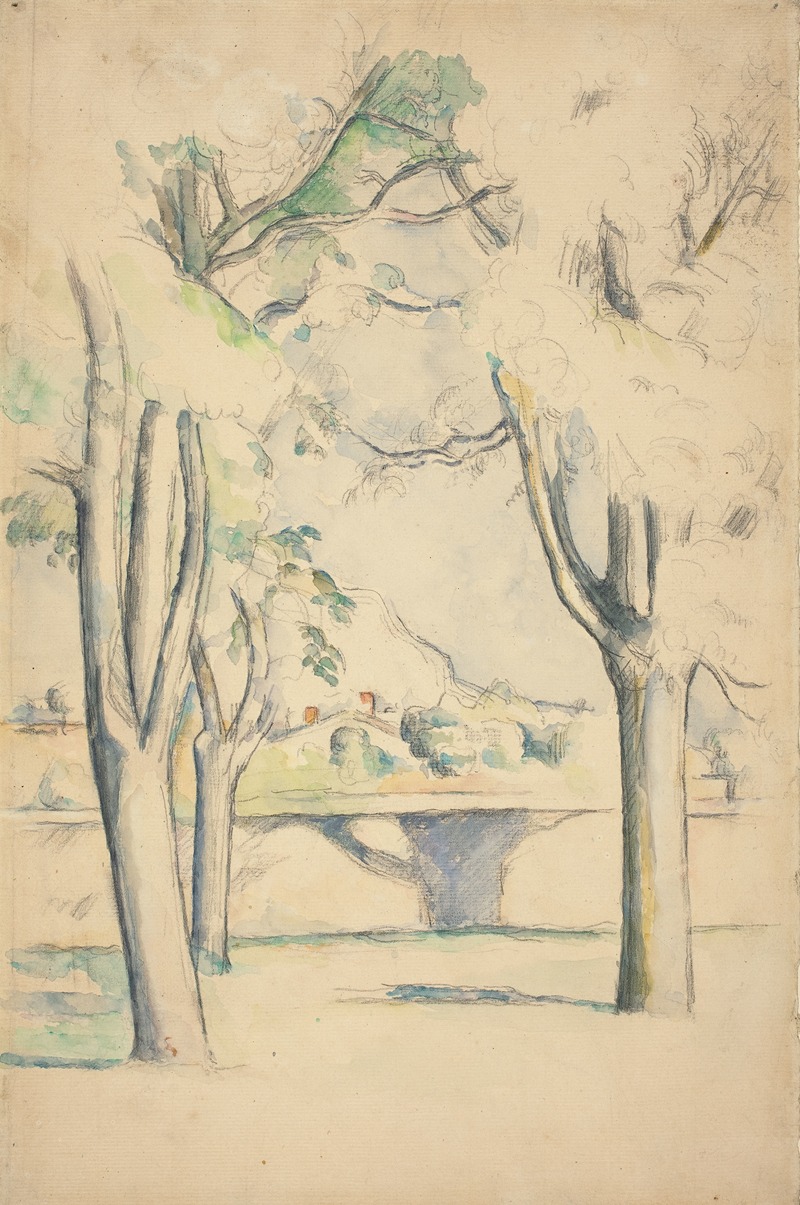
Mont Sainte-Victoire Seen beyond the Wall of the Jas de Bouffan
Paul Cézanne
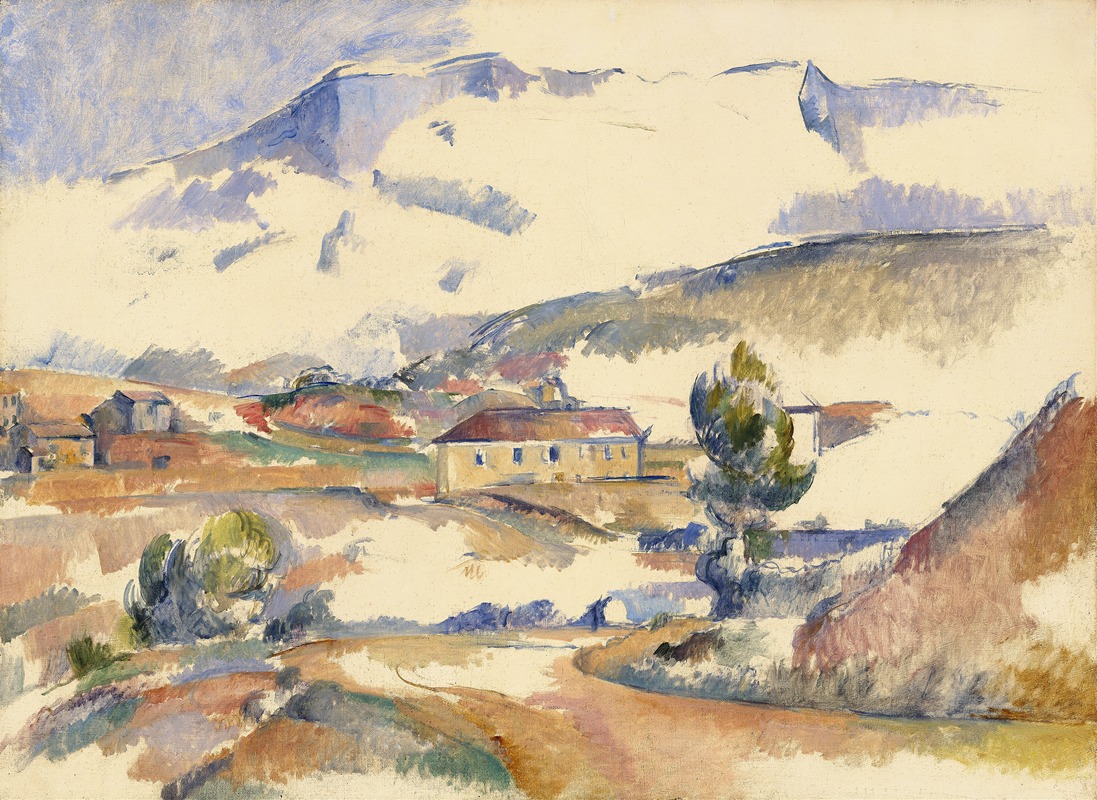
Montagne Sainte-Victoire,from near Gardanne
Paul Cézanne
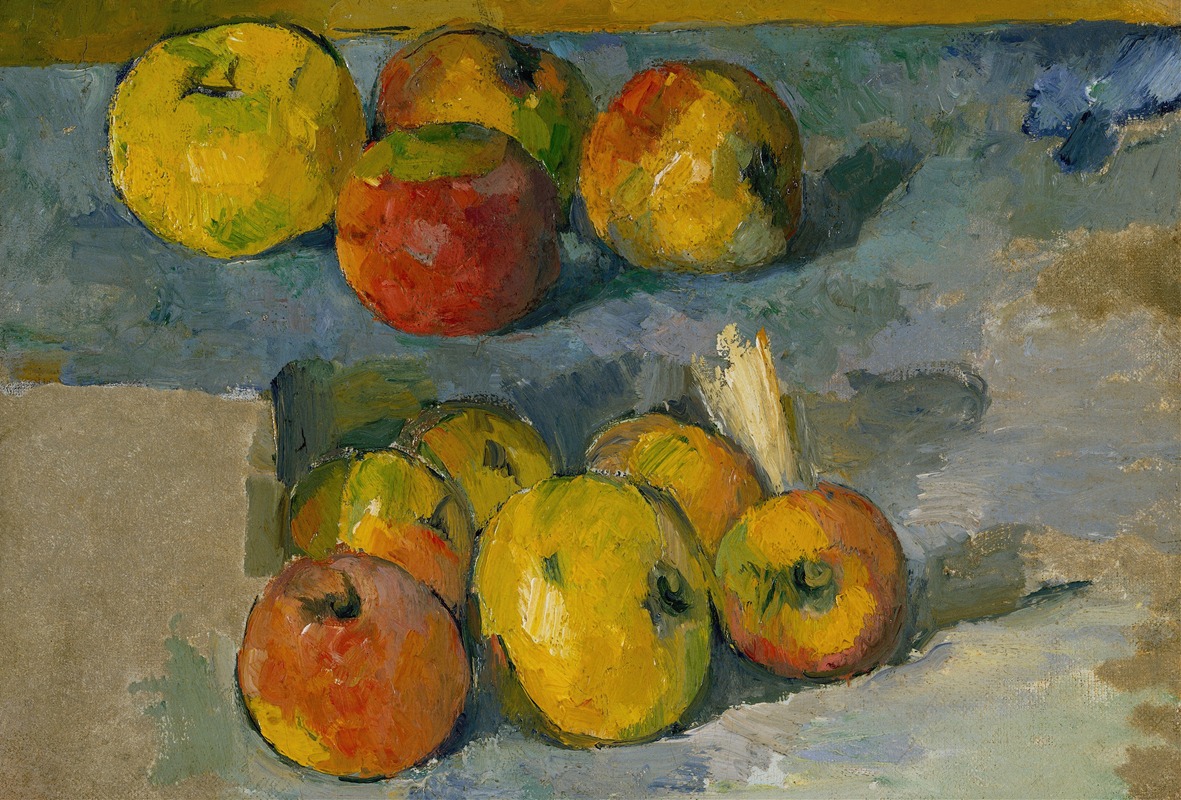
Apples
Paul Cézanne
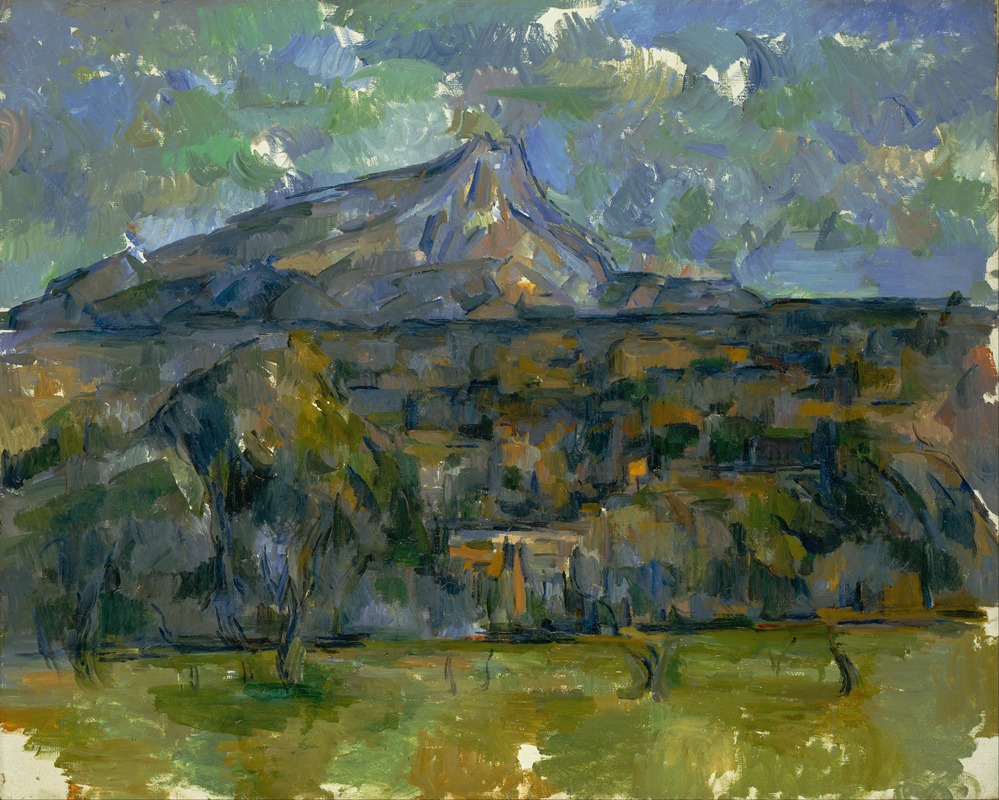
Mont Sainte-Victoire
Paul Cézanne
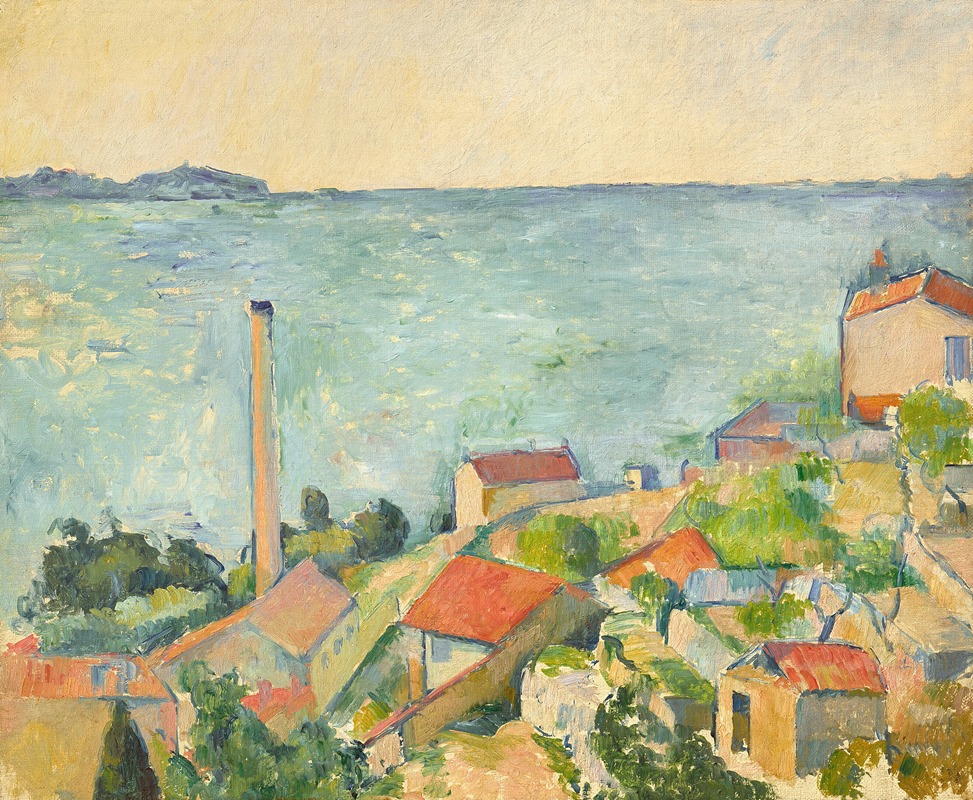
La mer à l’Estaque
Paul Cézanne
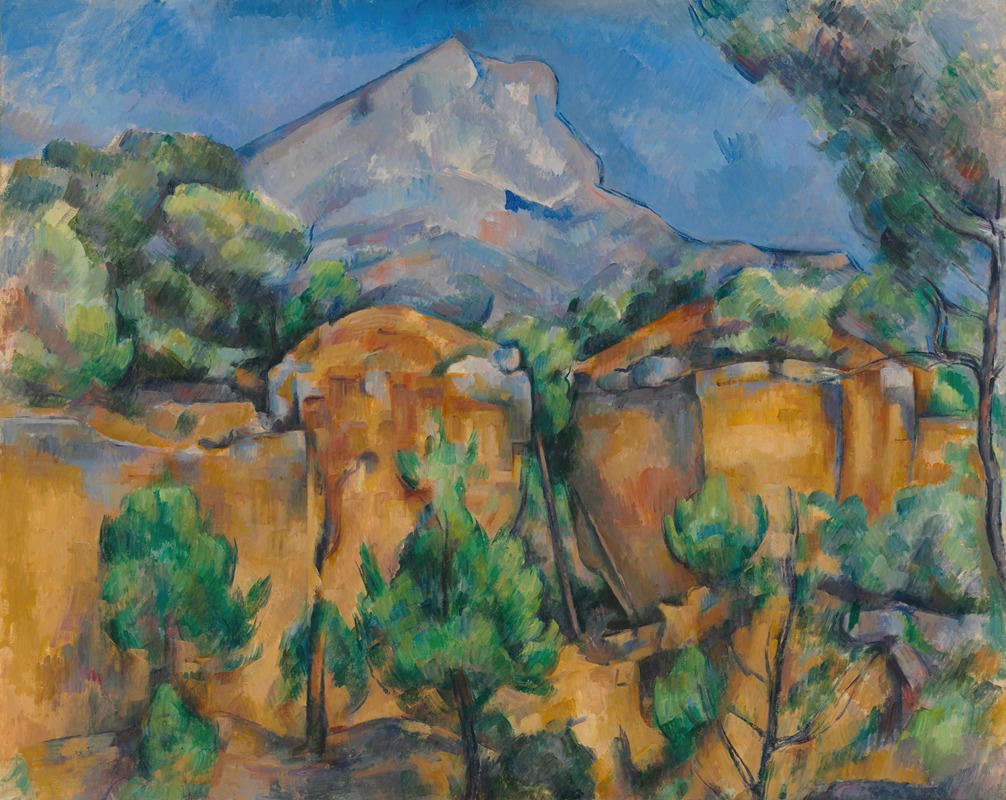
La Montagne Sainte-Victoire vue de la carrière Bibémus
Paul Cézanne
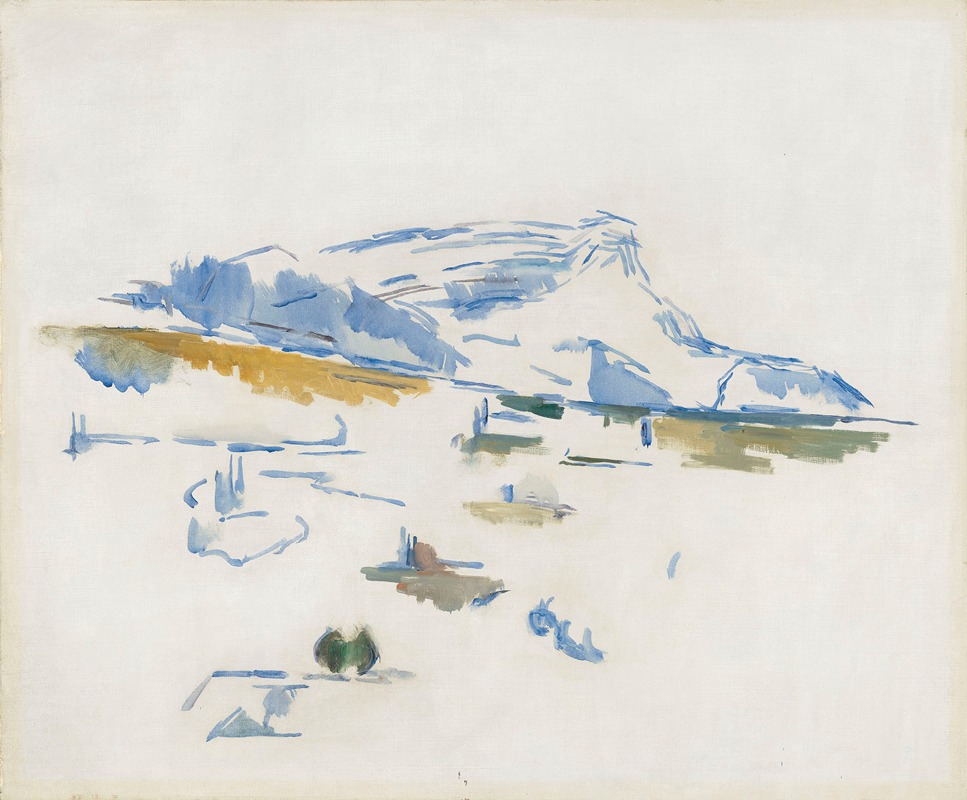
La Montagne Sainte-Victoire vue des Lauves
Paul Cézanne