
The Month of May — History & Facts
What first catches the eye in The Month of May is the way sunlight seems to pool and flutter across the scene, as if the painter had captured a fleeting hour of spring and pinned it, still breathing, to the canvas. Three figures—two young women and a companion in a vivid red blouse—gather around a small garden table, their white dresses diffusing the light into a soft haze. The central figure’s attention is fixed on a letter or card, while the others, with their hats adorned in ribbons and flowers, look outward, their expressions open yet reserved.
The table, set with delicate china and a blue vase, anchors the composition and hints at a moment of leisure, perhaps a pause in the afternoon for tea and conversation. The brushwork is loose and lively, especially in the foliage, drawing the viewer’s gaze in gentle circles through the garden’s dappled greens and the figures’ luminous attire. Painted in 1908, this work belongs to a world on the cusp of modernity, where the rituals of bourgeois life—afternoon tea, garden gatherings—were both a comfort and a performance. Artists of this era, especially in Belgium and France, often turned to scenes of domestic ease, using them to explore the play of light, color, and social roles.
Little is recorded about the specific commission or early history of this painting by Auguste Oleffe, but its presence today in the Museum of Fine Arts Ghent (MSK) speaks to the enduring appeal of such intimate, sunlit moments. As you look, notice how the painter’s quick, almost impressionistic touch invites you not just to observe, but to imagine the warmth of the day and the quiet exchanges between friends.
More Artworks by Auguste Oleffe
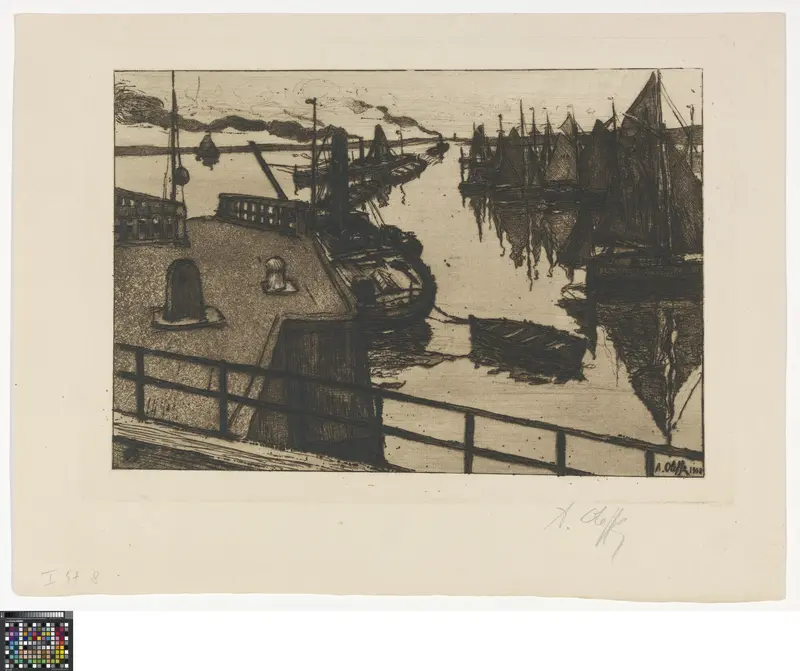
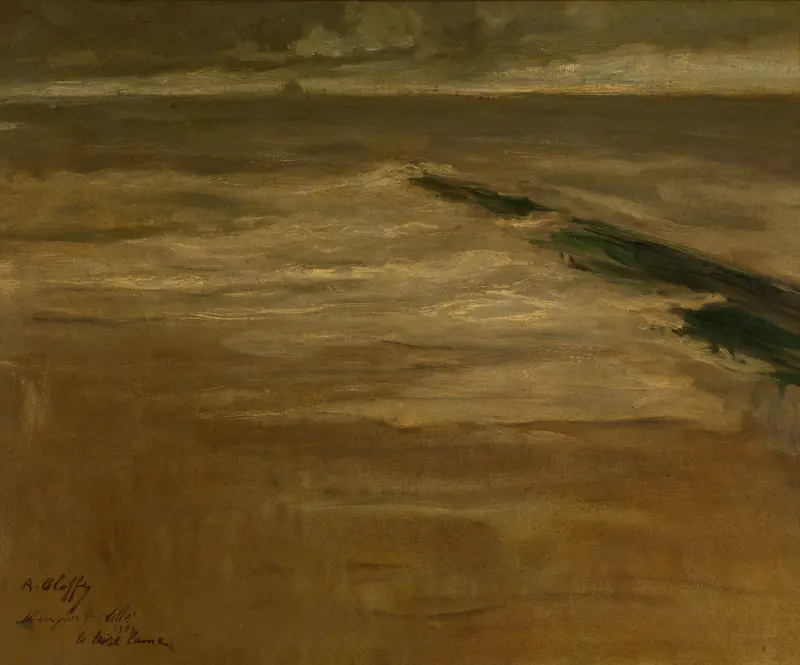
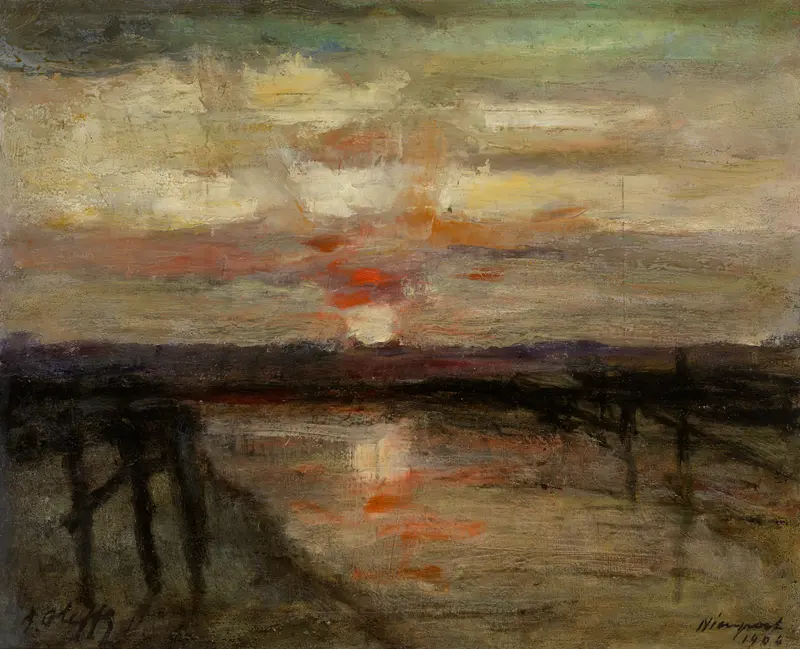
More Genre Scene Art

Banquet of the Officers of the St George Civic Guard
Frans Hals

Rembrandt and Saskia in the Scene of the Prodigal Son
Rembrandt van Rijn

Bal du moulin de la Galette
Pierre-Auguste Renoir

Quadrille at the Moulin Rouge
Henri de Toulouse-Lautrec

A Burial at Ornans
Gustave Courbet

When Will You Marry?
Paul Gauguin