
The Moselle Bridge, Coblenz — History & Facts
In silence, the canvas transforms tumultuous waters and swirling skies into a harmonious vision that invites reflection. Focus first on the sweeping curvature of the Moselle Bridge, elegantly arching across the canvas. Notice how the muted palette of blues and grays envelops the bridge, while delicate strokes of white and soft gold punctuate the scene, suggesting the play of light upon water. This ethereal quality is mirrored in the gentle ripples below, where the reflections dance and shimmer, blurring the lines between reality and illusion. Delve deeper into the contrasts that breathe life into the work.
The stillness of the bridge stands in stark juxtaposition to the swirling clouds above, hinting at the tempest of emotions often lurking beneath a tranquil surface. The positioning of the bridge creates a natural pathway through the chaos, whispering of hope and stability amidst nature’s unpredictability. Each brushstroke evokes a sense of quiet contemplation, urging the viewer to seek calm in the midst of turmoil. In 1842, the artist created this piece while residing in England, reflecting a period of profound experimentation and artistic evolution.
At this time, Turner was delving into the interplay of light and atmosphere, embracing the Romantic movement’s focus on emotion and nature. The world around him was rapidly changing, yet within this canvas, he preserved a moment of serene beauty, bridging the gap between chaos and grace.
More Artworks by Joseph Mallord William Turner
Browse all →
Dort or Dordrecht- The Dort Packet-Boat from Rotterdam Becalmed
Joseph Mallord William Turner
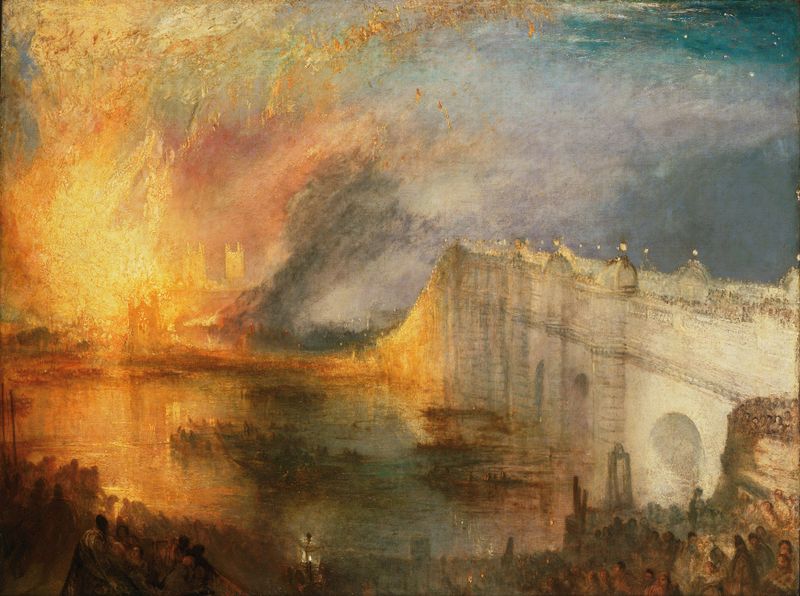
The Burning of the Houses of Lords and Commons, October 16, 1834
Joseph Mallord William Turner
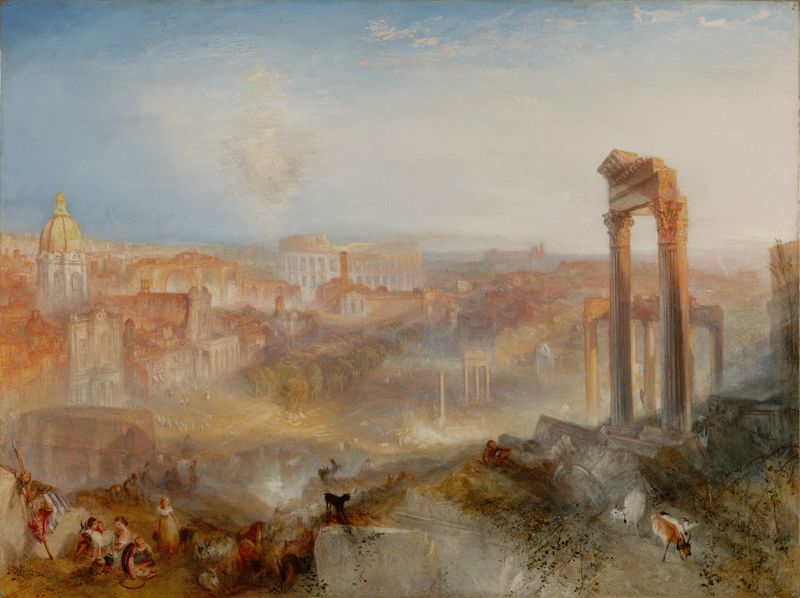
Modern Rome – Campo Vaccino
Joseph Mallord William Turner
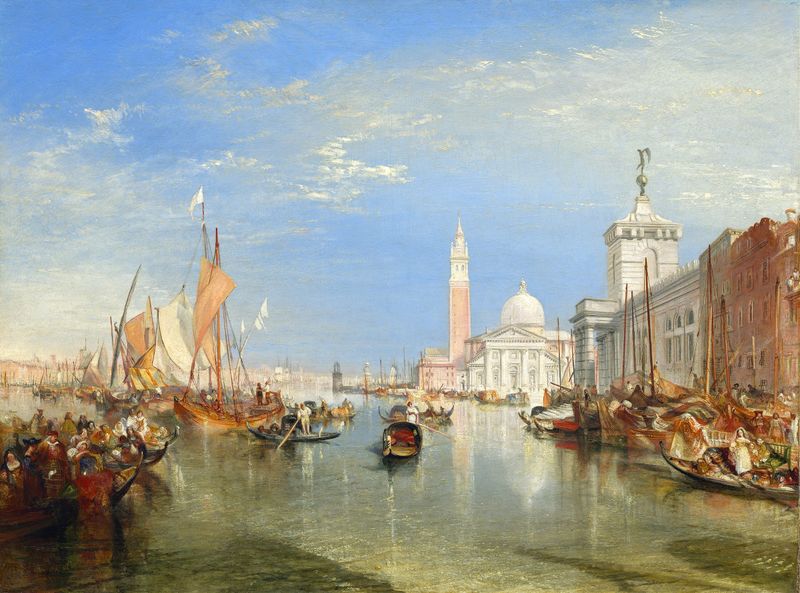
Venice – The Dogana and San Giorgio Maggiore
Joseph Mallord William Turner

The Burning of the Houses of Lords and Commons, 16 October 1834
Joseph Mallord William Turner
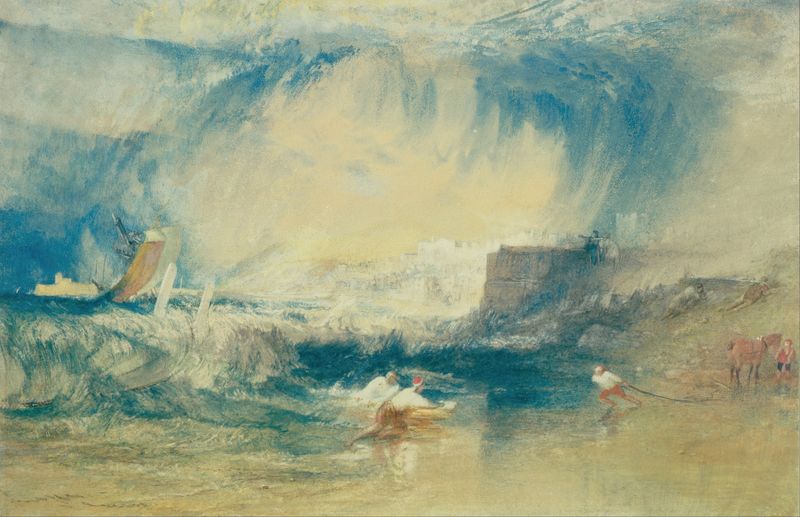
Lyme Regis, Dorsetshire, England
Joseph Mallord William Turner
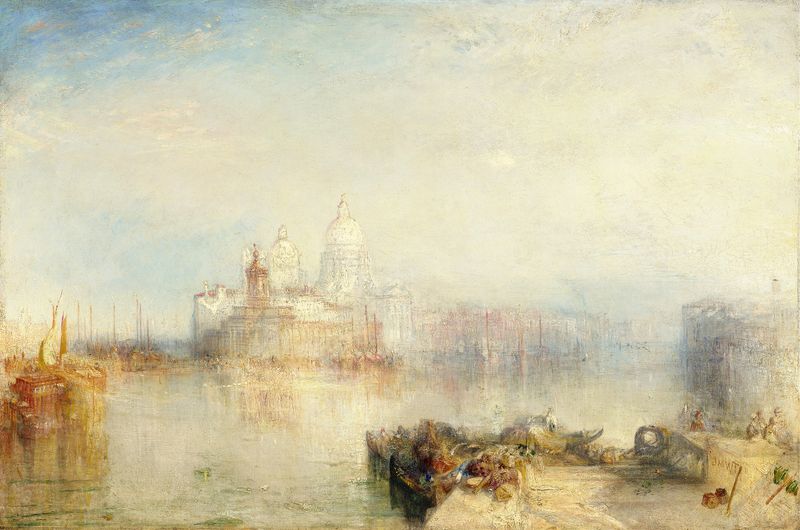
The Dogana and Santa Maria della Salute, Venice
Joseph Mallord William Turner
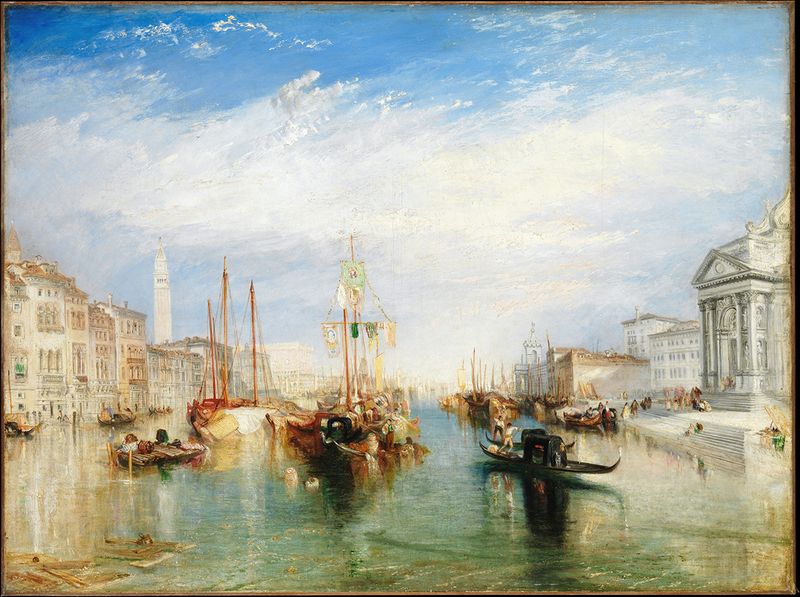
Venice, from the Porch of Madonna della Salute
Joseph Mallord William Turner
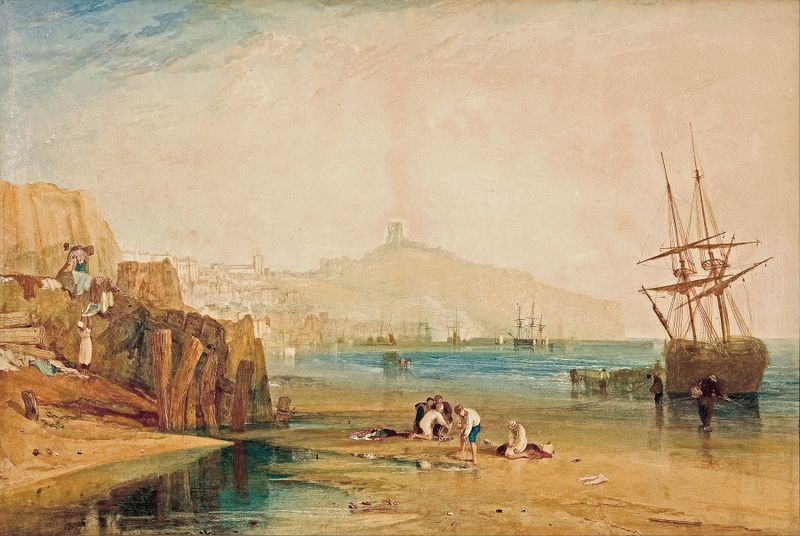
Scarborough town and castle; morning; boys catching crabs
Joseph Mallord William Turner
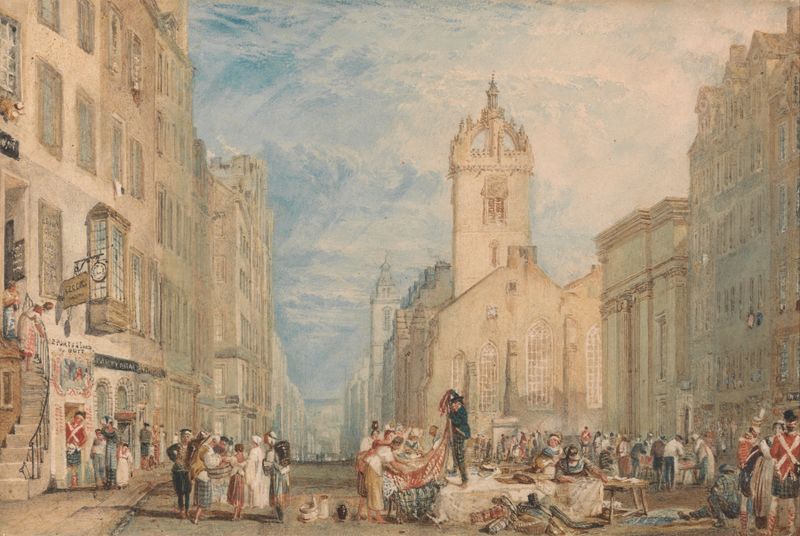
High Street, Edinburgh
Joseph Mallord William Turner





