
The Mosquito Trail, Rocky Mountains of Colorado, Elevation 12,000 Feet — History & Facts
Who listens when art speaks of silence? In the stillness of the Rocky Mountains, echoes of truth weave through the jagged peaks and serene valleys, inviting contemplation and discovery. Look to the foreground, where delicate strokes of green and ochre illustrate an expansive wilderness, inviting the eye to wander along the winding trail that snakes into the distance. Notice how the painter’s meticulous application of color creates depth, layering the mountains with rich blues and grays that contrast softly against the warm sunlight illuminating the valley below. The balance of light and shadow here is not merely decorative; it establishes a tranquil yet dynamic interplay, revealing the rugged beauty of nature. Underlying this pristine landscape is a deeper exploration of human insignificance in the face of nature’s grandeur.
The winding trail serves as a metaphor for life's journey, suggesting the smallness of individual struggles against the vast, untamed wilderness. Additionally, the subtle tension between the detailed foreground and the hazy, almost ethereal background reflects a duality of clarity and ambiguity—a reminder of the truths hidden beneath the surface of reality. In 1875, Thomas Moran painted this scene amidst the growing American fascination with the West, particularly during the time of westward expansion and the establishment of national parks. His work exemplified the sublime aspects of nature, aiming to evoke a profound emotional response and bolster the movement for conservation.
Working predominantly in the East before this trip, he was deeply influenced by the Romantic ideals that celebrated nature’s power and beauty, a vision he captured in The Mosquito Trail, Rocky Mountains of Colorado, Elevation 12,000 Feet.
More Artworks by Thomas Moran
Browse all →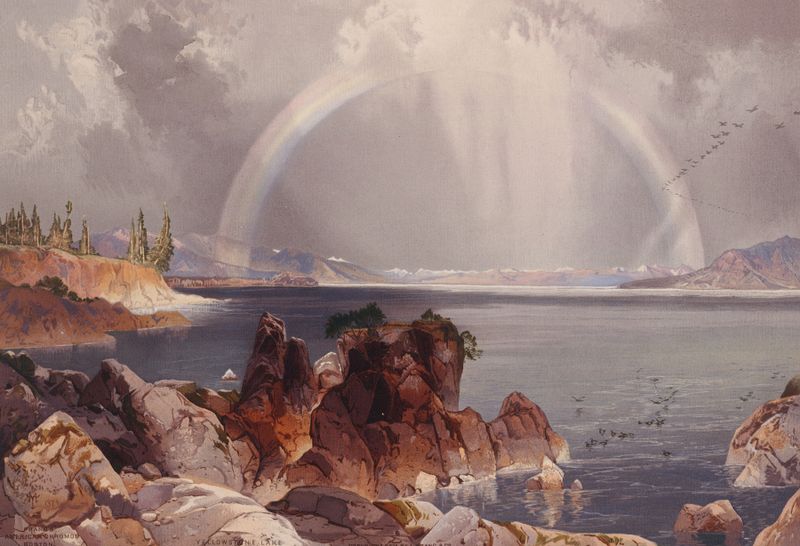
Yellowstone Lake
Thomas Moran

Grand Canyon of the Colorado River
Thomas Moran

Grand Canyon, Colorado River
Thomas Moran

The Towers of Tower Falls, Yellowstone
Thomas Moran
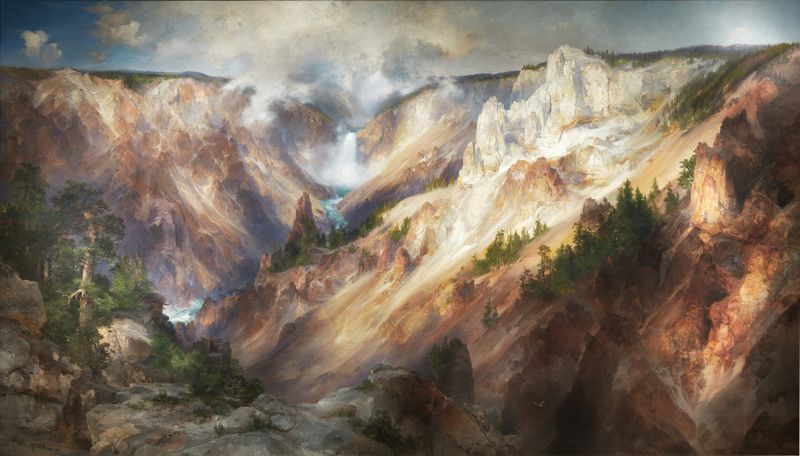
The Grand Canyon Of The Yellowstone
Thomas Moran

Mountain of the Holy Cross
Thomas Moran

Cliffs Of The Upper Colorado River, Wyoming Territory
Thomas Moran
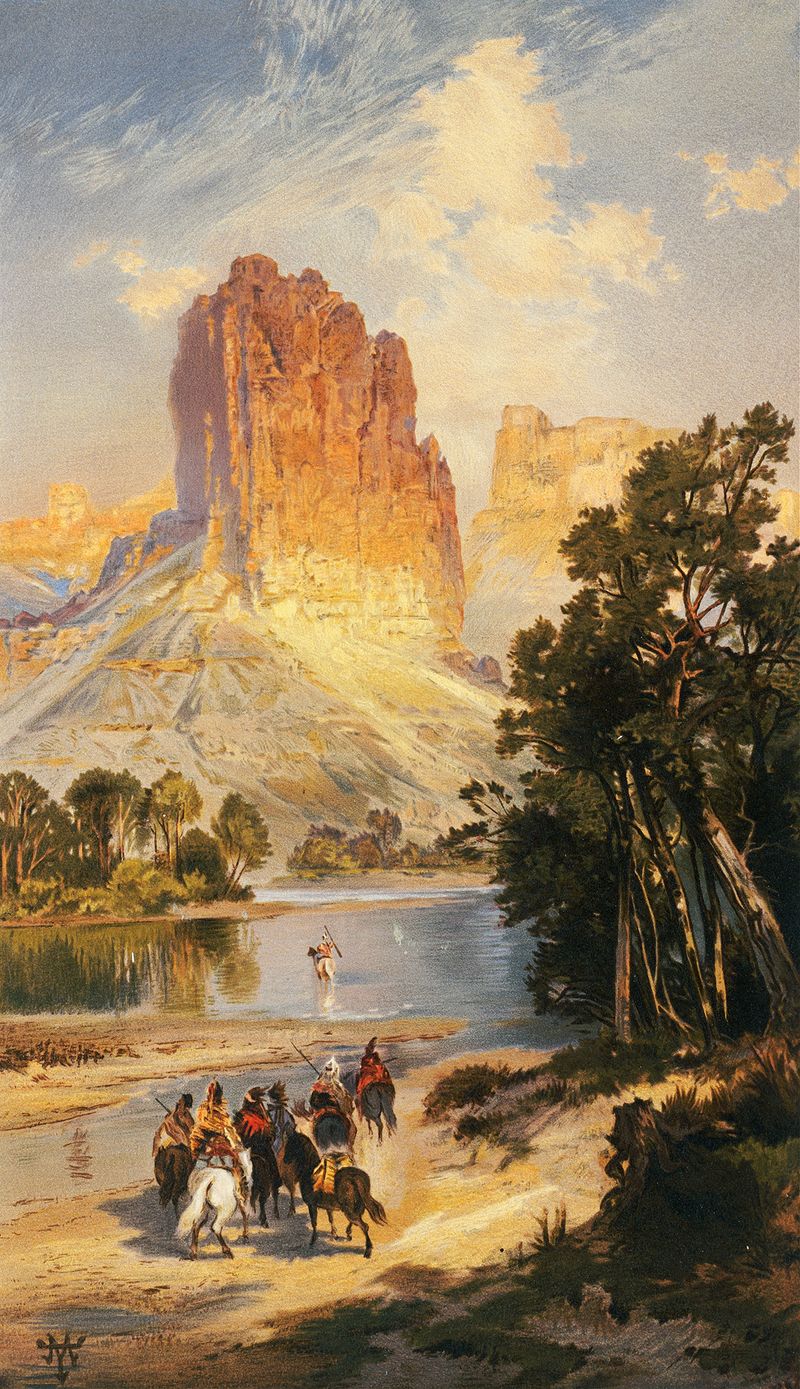
Cliffs of the Upper Colorado River, Wyoming Territory
Thomas Moran

Mammoth Hot Springs, Yellowstone
Thomas Moran
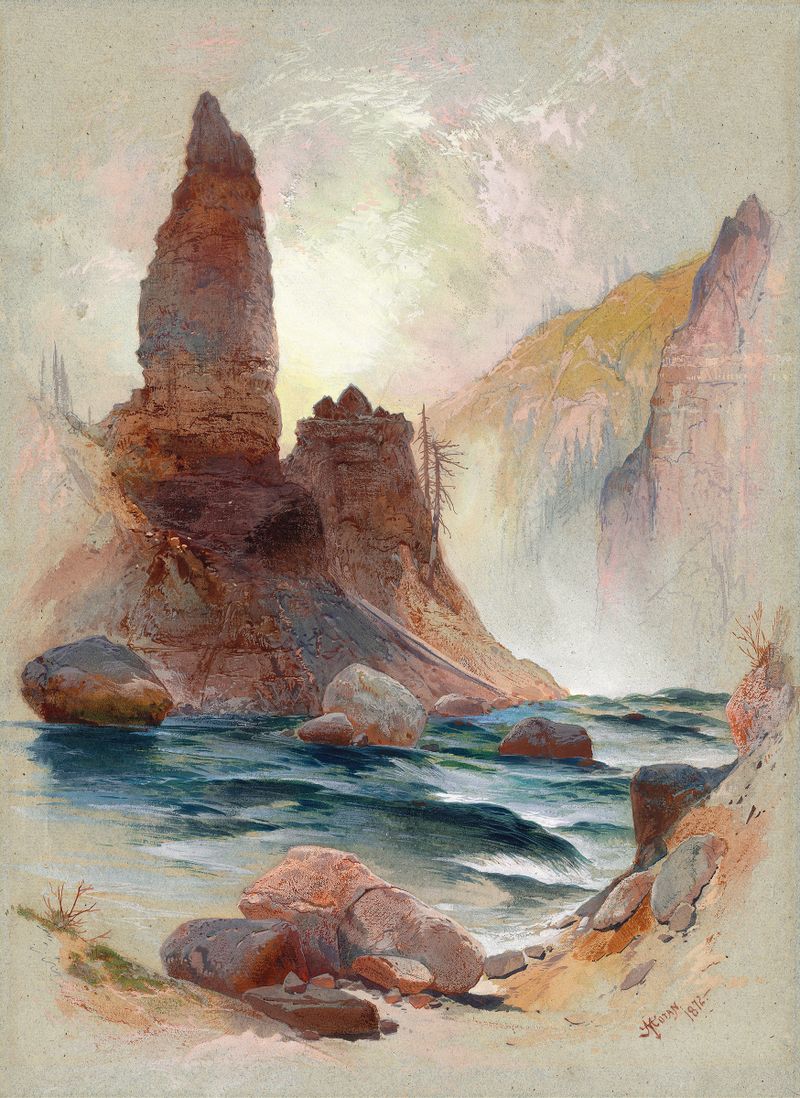
Tower at Tower Falls, Yellowstone
Thomas Moran





