
The Neighbouring Farm Houses — History & Facts
In the quiet pursuit of desire, we often find ourselves reflecting on the ephemeral nature of our surroundings. The longing for connection, beauty, and a sense of belonging is rendered through brushstrokes that whisper rather than shout. Focus on the gentle embrace of color as you look to the left, where soft pastel hues blend seamlessly into the expanse of the sky. Notice how the houses, nestled amidst lush greenery, stand in harmonious dialogue with the land.
The use of light captures the warmth of an afternoon sun, casting shadows that dance playfully across the fields, inviting the eye to wander from the foreground to the distant horizon. Beneath the serene surface lies a tension between solitude and community. The juxtaposition of the neighboring houses evokes a sense of yearning—the desire for connection amidst the isolation of rural life. The wisps of smoke curling from the chimneys hint at life within, while the open landscape speaks to the vastness of opportunity and the melancholy that often accompanies it.
Each detail, from the flowers swaying in the breeze to the distant silhouettes of trees, underscores an emotional landscape rich with unspoken stories. Created in 1894, during a time of significant change in Scandinavia, The Neighbouring Farm Houses reflects Karl Nordström's exploration of natural beauty and rural life. Living in Sweden, he was influenced by the burgeoning Impressionist movement, which encouraged artists to capture fleeting moments and the play of light. This painting marks a pivotal point in his career, where he began to embrace color and atmosphere, seeking deeper connections with the landscapes he cherished.
More Artworks by Karl Nordström
Browse all →
Kyrkesund
Karl Nordström
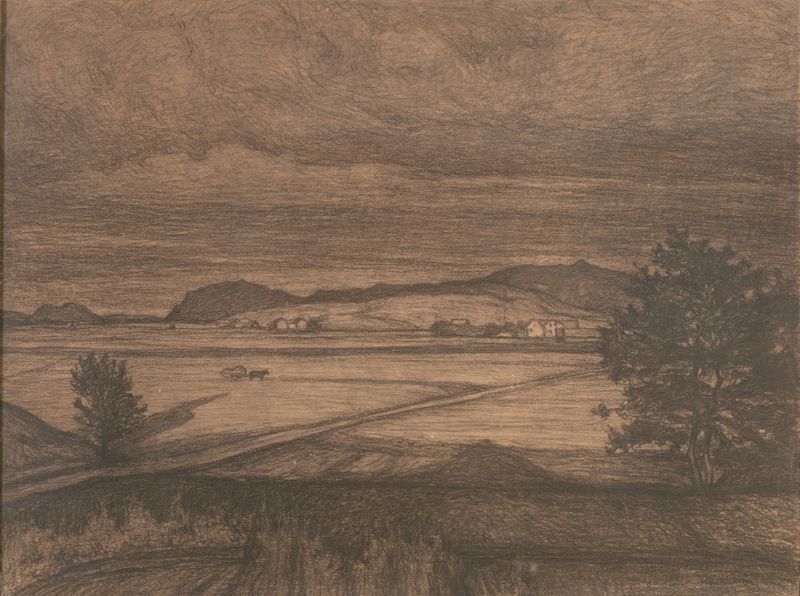
Högadal on Tjörn
Karl Nordström

Scene from Tjörn
Karl Nordström

The Surf
Karl Nordström
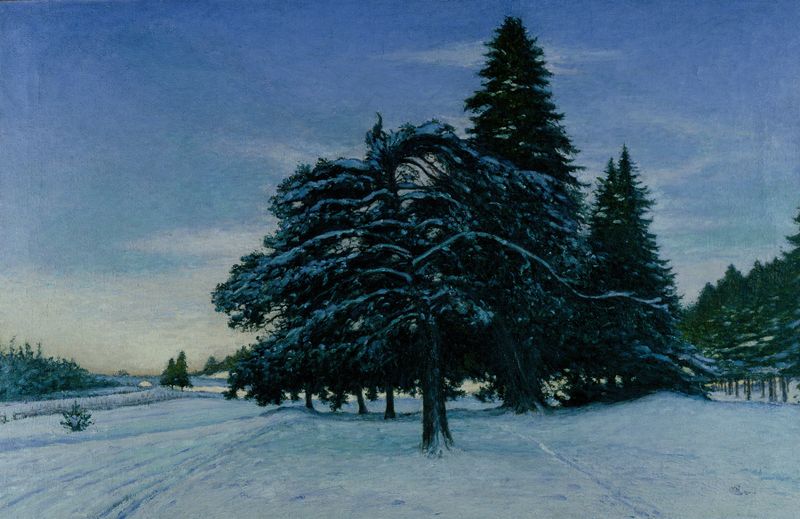
Winter’s Day at Uggleviken
Karl Nordström
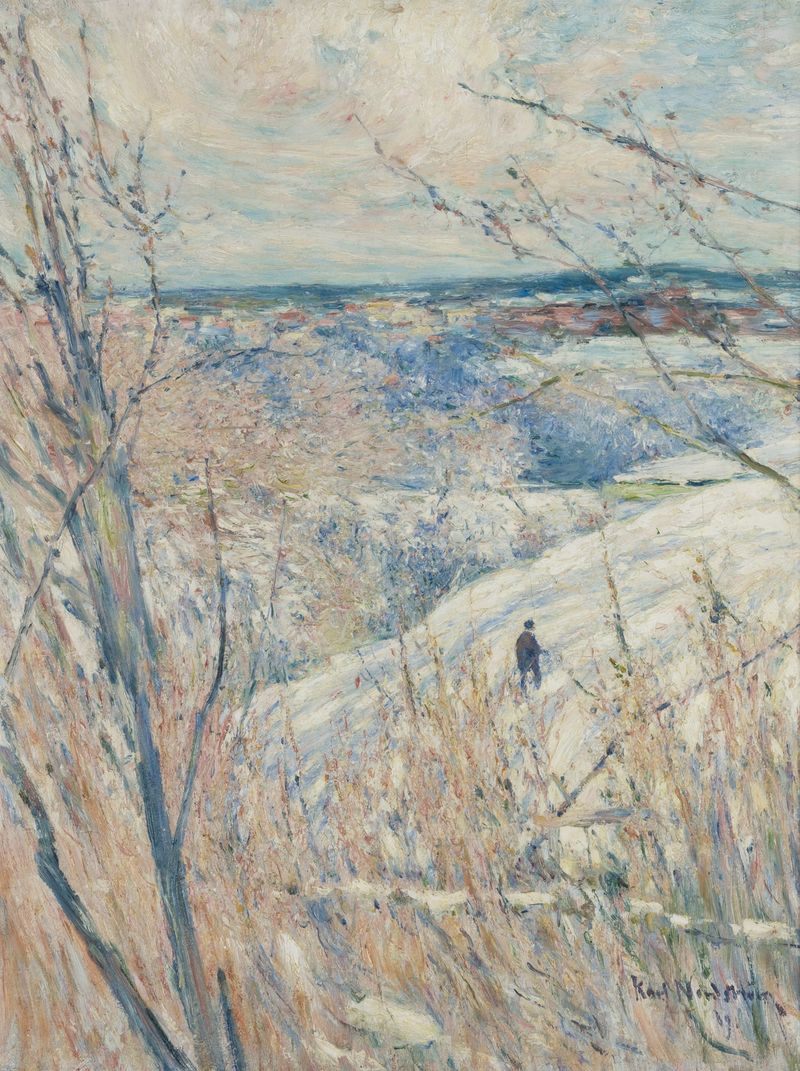
Winter
Karl Nordström

Fishing Boat
Karl Nordström

Hoga Valley, Tjörn
Karl Nordström

Roslag Street, Stockholm
Karl Nordström
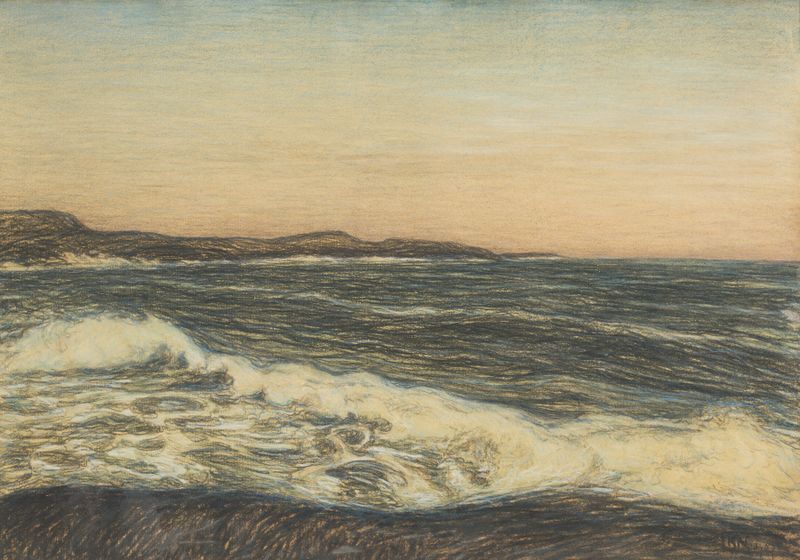
Seashore and Ground-Swell
Karl Nordström





