
The New Château at Saint-Germain-en-Laye — History & Facts
A stormy sky threatens above, but the eye is irresistibly drawn to the gleaming palace that dominates the horizon—a vision of order and grandeur rising from the lush, disciplined geometry of its gardens. In the foreground, a cavalcade advances, horses and carriages streaming toward the river, their progress watched by small knots of figures beneath the trees. The painter, Adam Frans van der Meulen, leads us through this pageant with a practiced hand: the broad sweep of the estate, the glint of water, the precise architecture, all orchestrated to showcase not just a building, but a world in which power and spectacle are inseparable.
The darkening clouds only heighten the sense of anticipation, as if the scene is poised between ceremony and the unknown. This is a landscape of the mid-seventeenth century, when rulers across Europe commissioned artists to immortalize their palaces and triumphs. Painted between 1664 and 1665, The New Château at Saint-Germain-en-Laye belongs to an age when such works were both celebration and statement: proof of dominion, taste, and the ability to command nature itself. The artist’s careful attention to the processional figures and the intricate terraces speaks to the era’s fascination with order and display, while the dramatic sky hints at the uncertainties that always hovered over even the most splendid courts.
Today, the painting resides in the collections of Paris Musées, a reminder that every palace, no matter how imposing, once stood at the mercy of time, weather, and the gaze of those who passed before it.
More Artworks by Adam Frans van der Meulen
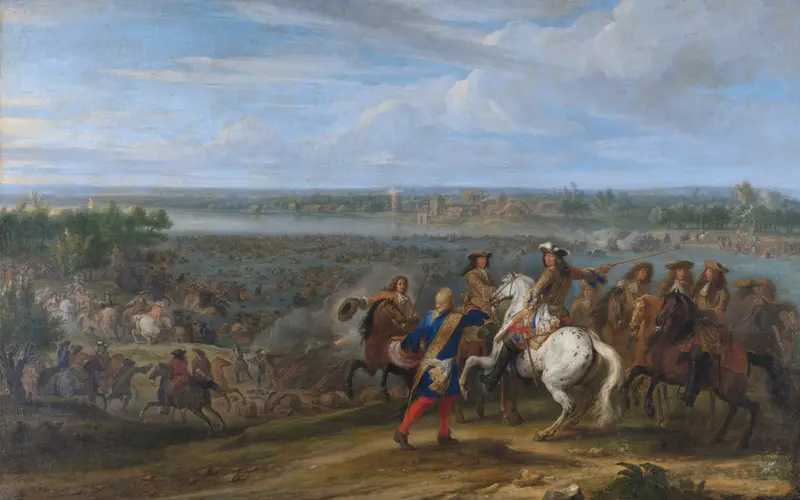
Louis XIV Crossing into the Netherlands at Lobith
Adam Frans van der Meulen
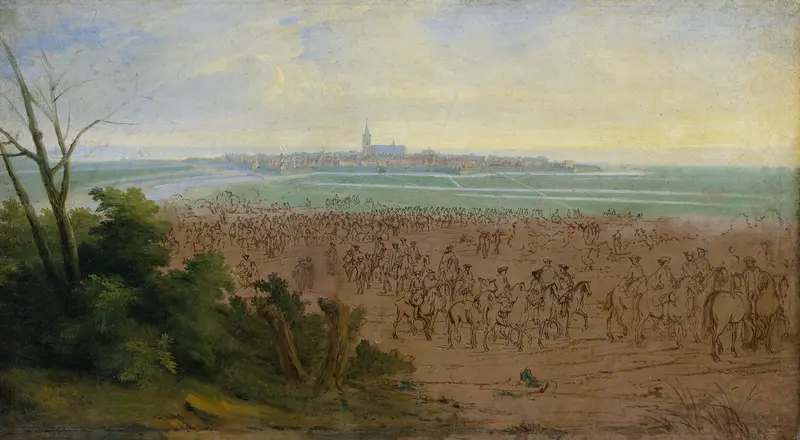
The Troops of Louis XIV before Naarden, 20 July 1672
Adam Frans van der Meulen
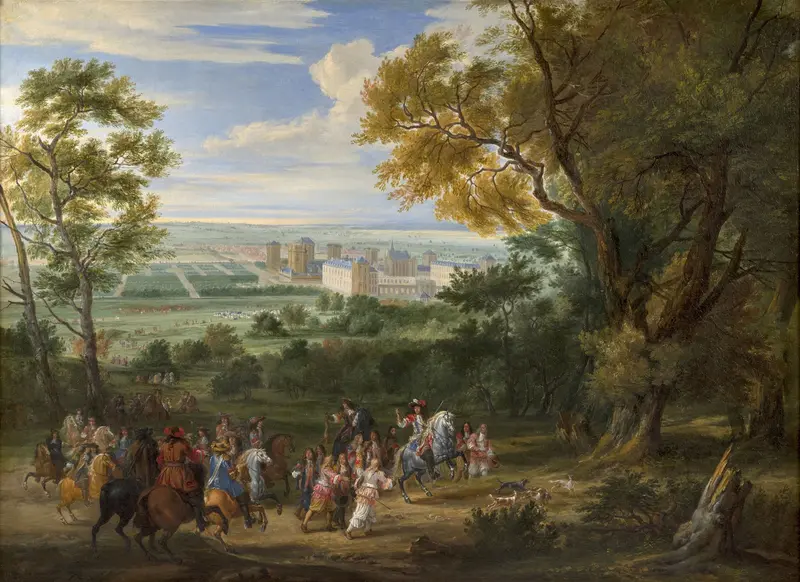
View of the château de Vincennes or The Departure of Louis XIV for the hunt
Adam Frans van der Meulen

A battle scene
Adam Frans van der Meulen
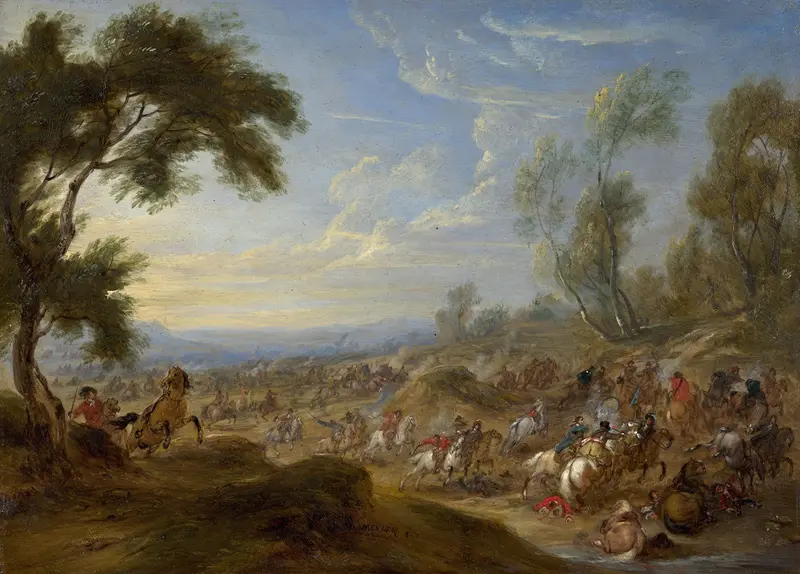
A cavalry charge
Adam Frans van der Meulen
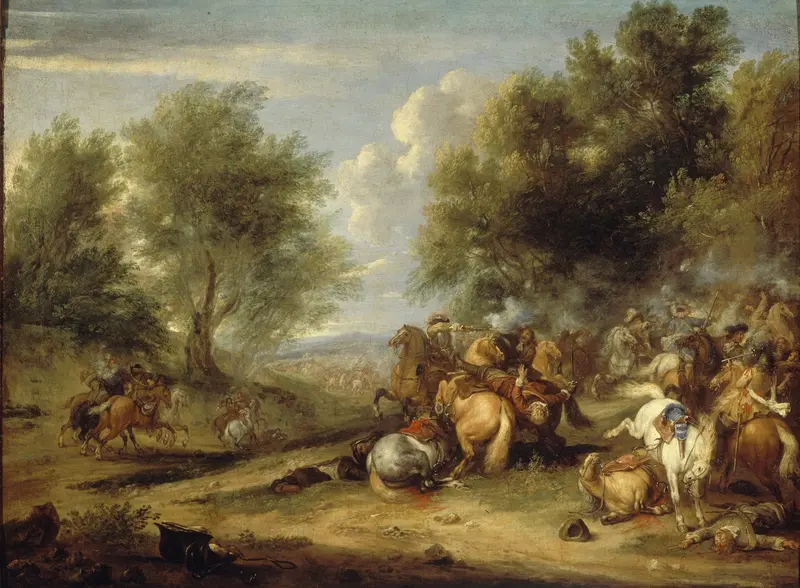
Choc de cavalerie ou Combat de cavalerie
Adam Frans van der Meulen
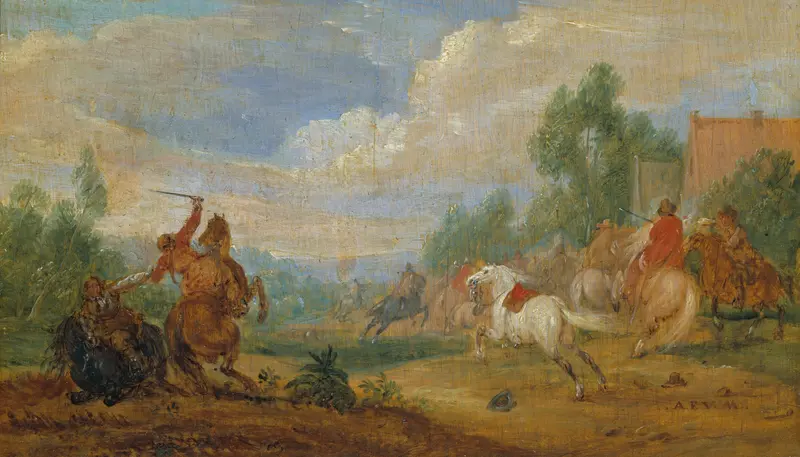
Cavalry Skirmish
Adam Frans van der Meulen
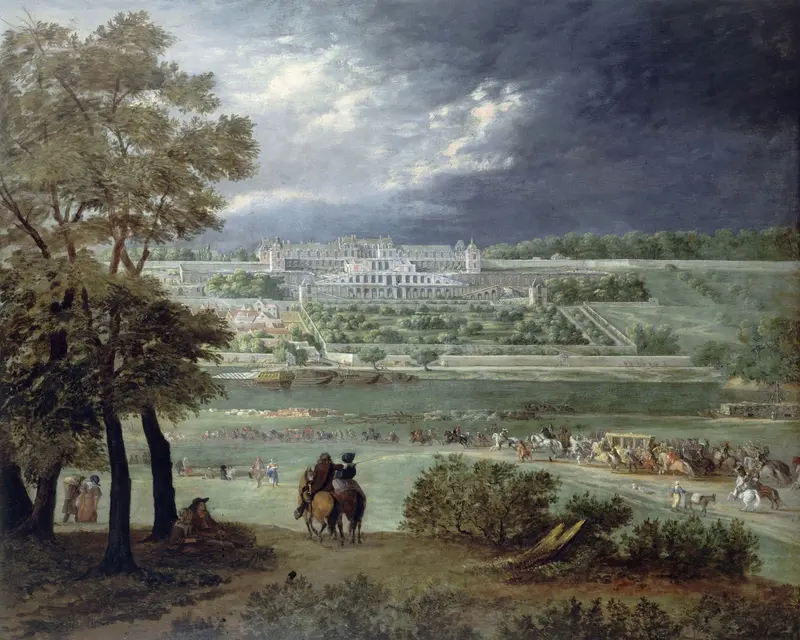
Le Château Neuf de Saint-Germain-en-Laye et les jardins, vus de la rive droite de la Seine
Adam Frans van der Meulen
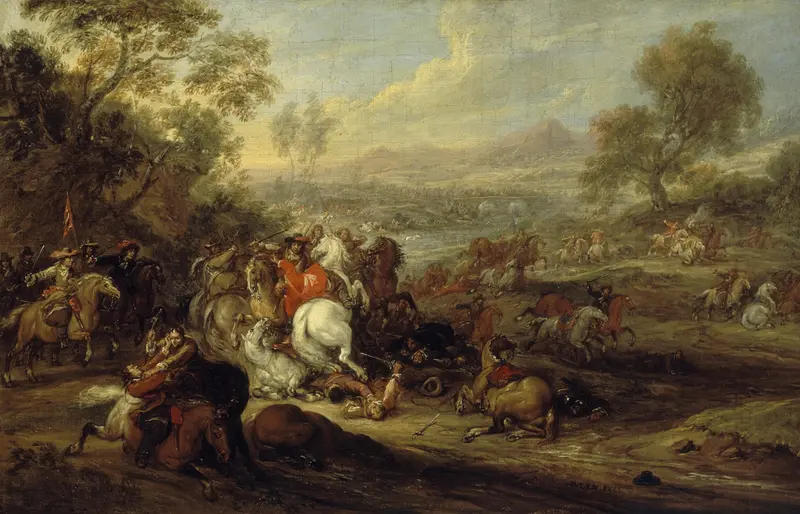
Choc de cavalerie ou Combat de cavalerie
Adam Frans van der Meulen
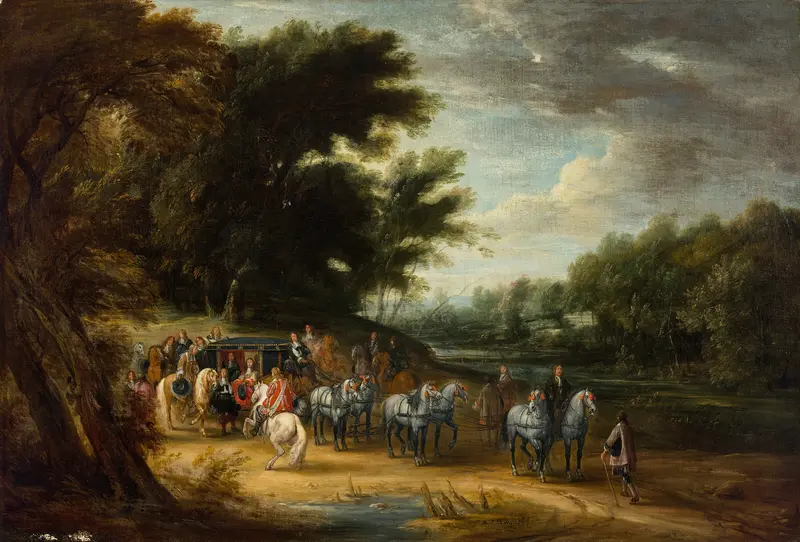
A nobleman in a state coach at rest escorted by his men and horses, with a gentleman on a white horse approaching and landscape beyond
Adam Frans van der Meulen
More Landscape Art

The Starry Night
Vincent van Gogh

View of Delft
Johannes Vermeer

Water Lilies
Claude Monet

The Grand Canal, Venice, looking north-west from the Ca' Corner to the Ca' Contarini degli Scrigni, with the campanile of Santa Maria della Carità
Canaletto

Windsor Castle
Canaletto

The Grand Canal looking North-East from the Palazzo Dolfin-Manin to the Rialto Bridge
Canaletto