
The North-West Porch of Salisbury Cathedral — History & Facts
Where does light end, and longing begin? In the quiet interplay of shadow and illumination, we find ourselves confronting deep emotional landscapes shaped by loss. Look closely at the luminous facade of the cathedral, where the intricate details of the stonework invite your gaze. Notice how the sunlight dapples through the trees, casting delicate patterns on the ground below. The cool tones of the sky contrast with the warm hues of the stone, creating a dialogue between the sacred architecture and the ephemeral beauty of the surrounding nature.
The artist employs meticulous brushwork, capturing the texture of the stone, while the gentle play of light draws the viewer into an immersive experience of reverence. Hidden within this serene composition lies a poignant tension: the juxtaposition of permanence and transience. The cathedral stands as a symbol of resilience against the passage of time, yet the shadows lurking at its edges evoke a sense of inevitable loss. The lush foliage framing the scene whispers of life, yet simultaneously hints at the fleeting nature of existence.
Each element works together to reflect a deep yearning for connection in the face of impermanence. Created in 1832, this work emerged during a period when Thomas Shotter Boys was gaining recognition for his landscape and architectural scenes. Living in London, Boys was influenced by the Romantic movement, which emphasized nature and emotion. At that time, the revival of Gothic architecture was in full bloom, and his detailed renderings of cathedrals captured a growing fascination with the sublime, bridging spirituality and the natural world in an era of industrial transformation.
More Artworks by Thomas Shotter Boys
Browse all →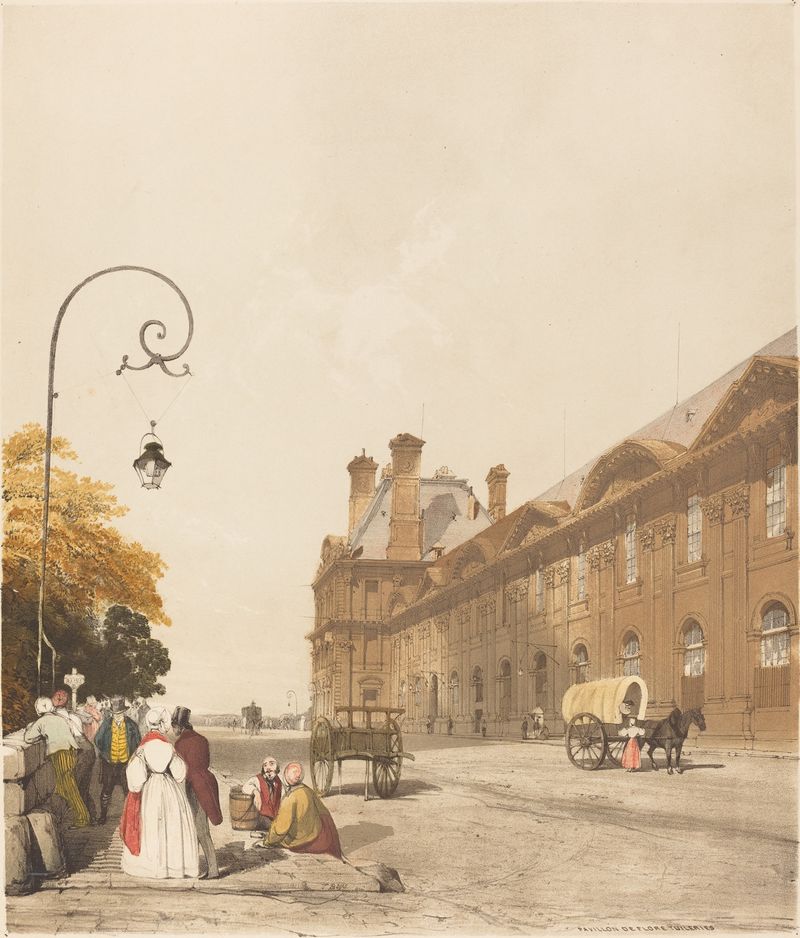
Pavillon de Flore, Tuileries
Thomas Shotter Boys
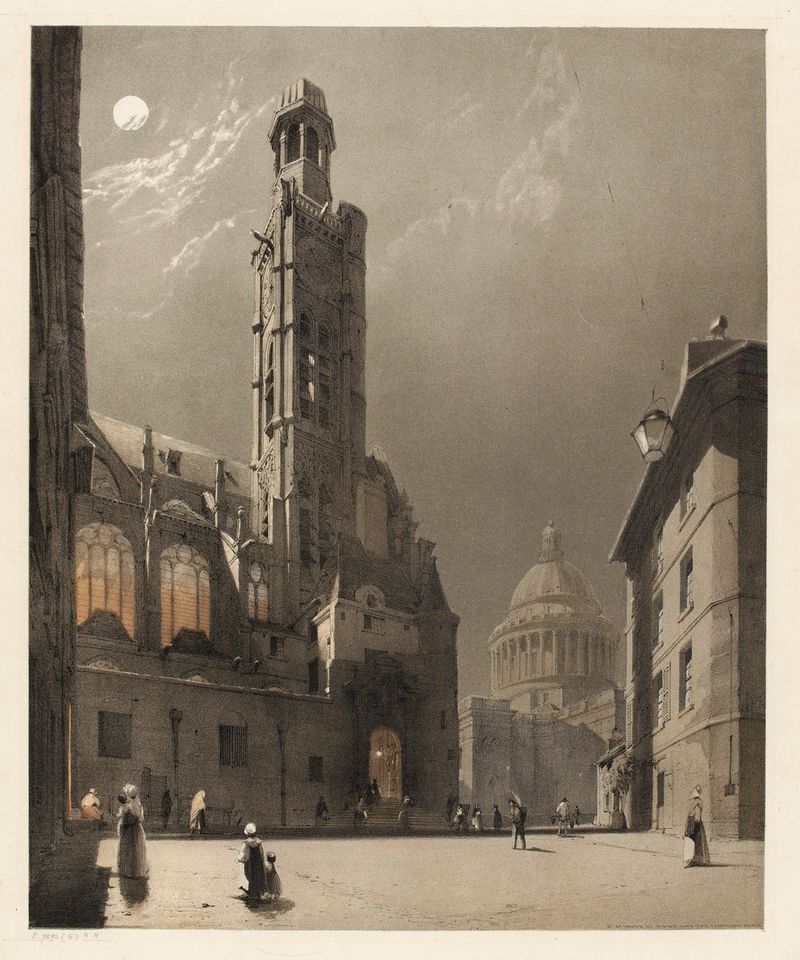
St Etienne du Mont and the Panthéon, Paris
Thomas Shotter Boys
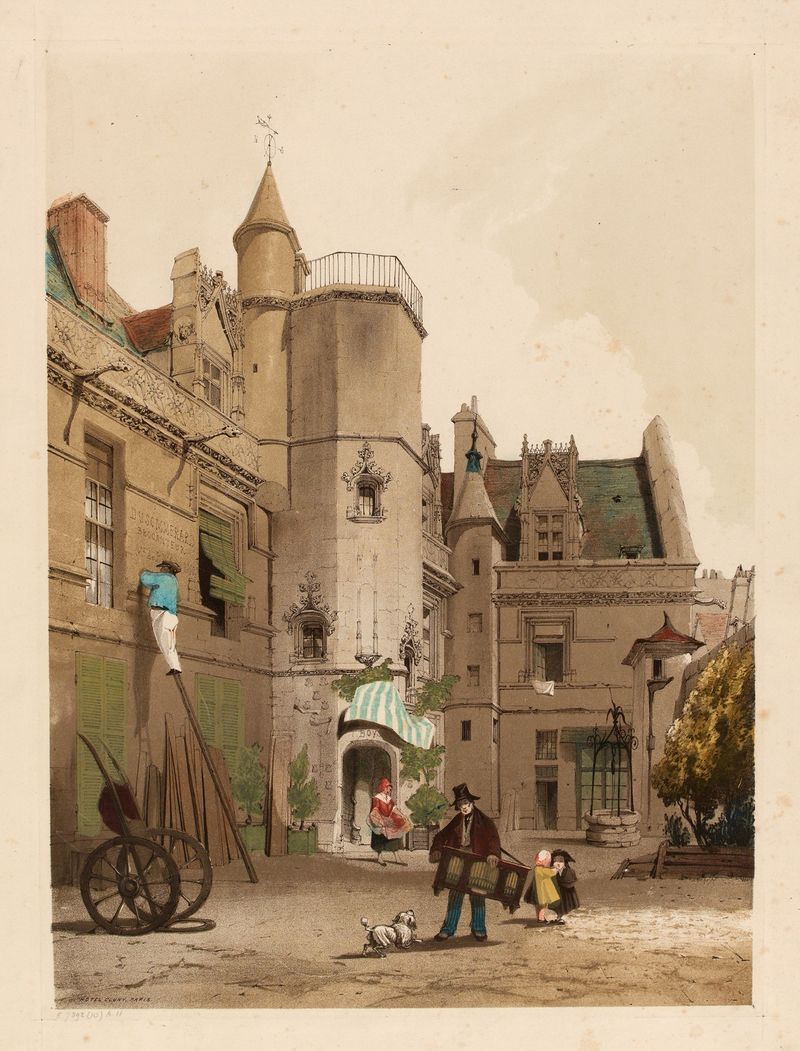
Hôtel Cluny, Paris.
Thomas Shotter Boys
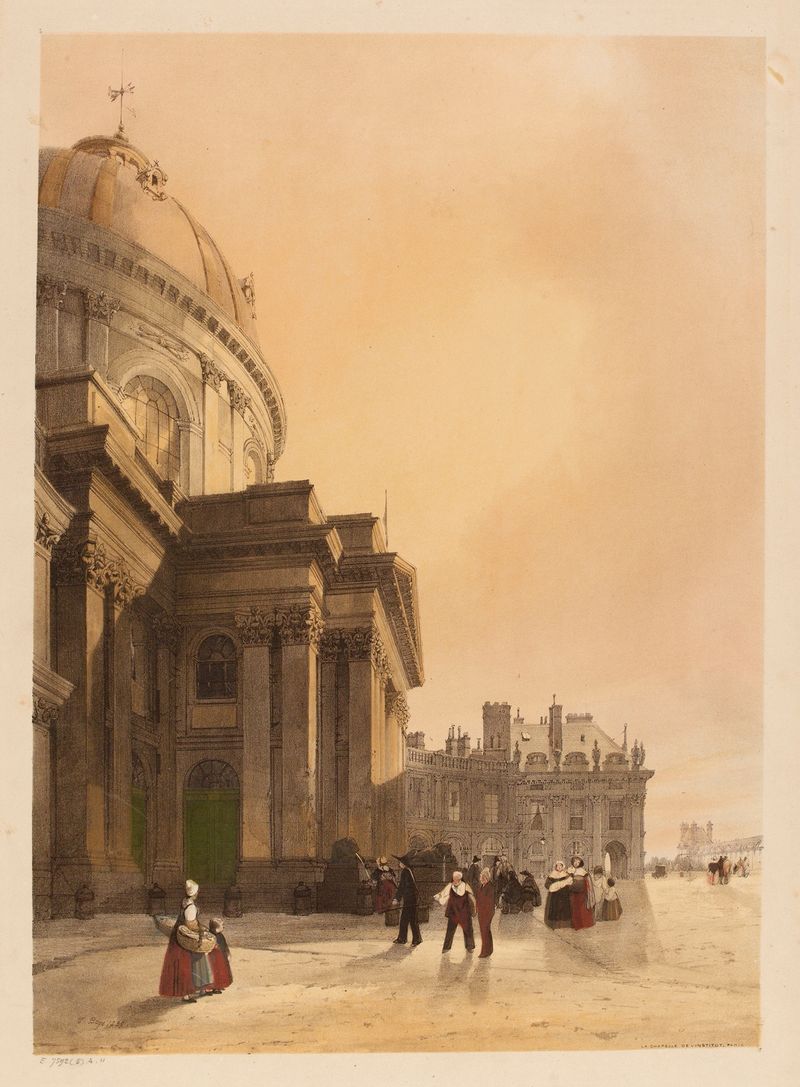
La chapelle de l’Institut, Paris
Thomas Shotter Boys
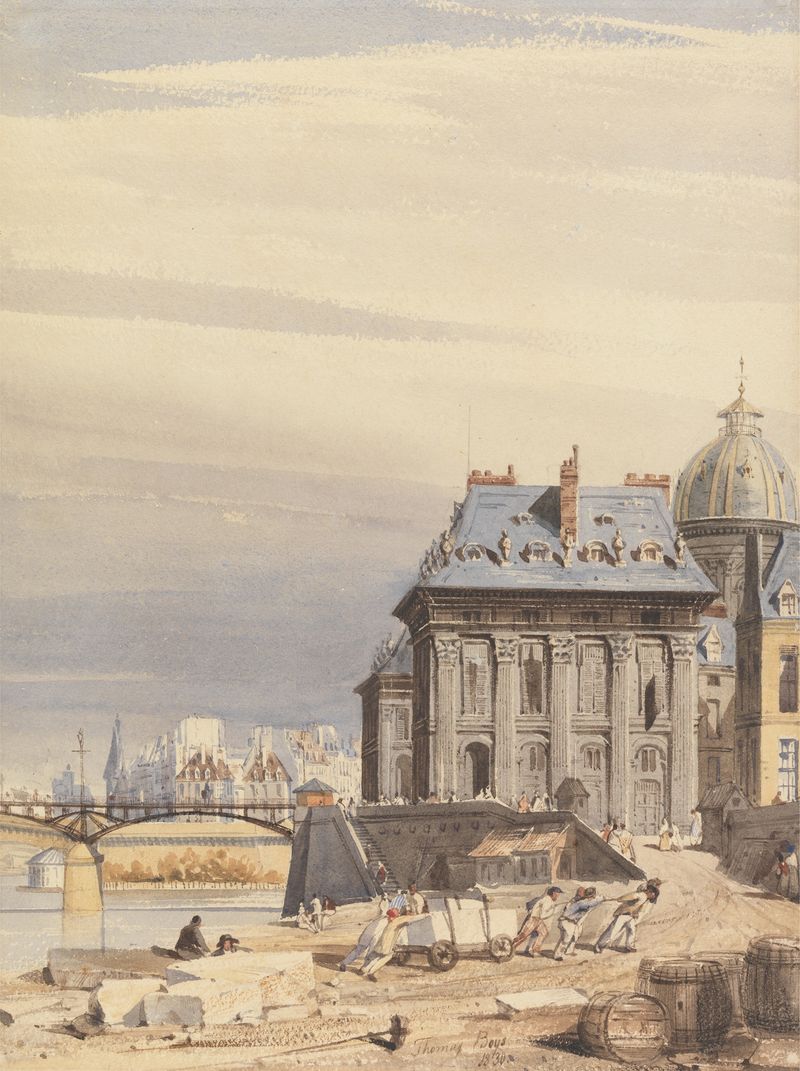
L’Institut de France, Paris
Thomas Shotter Boys
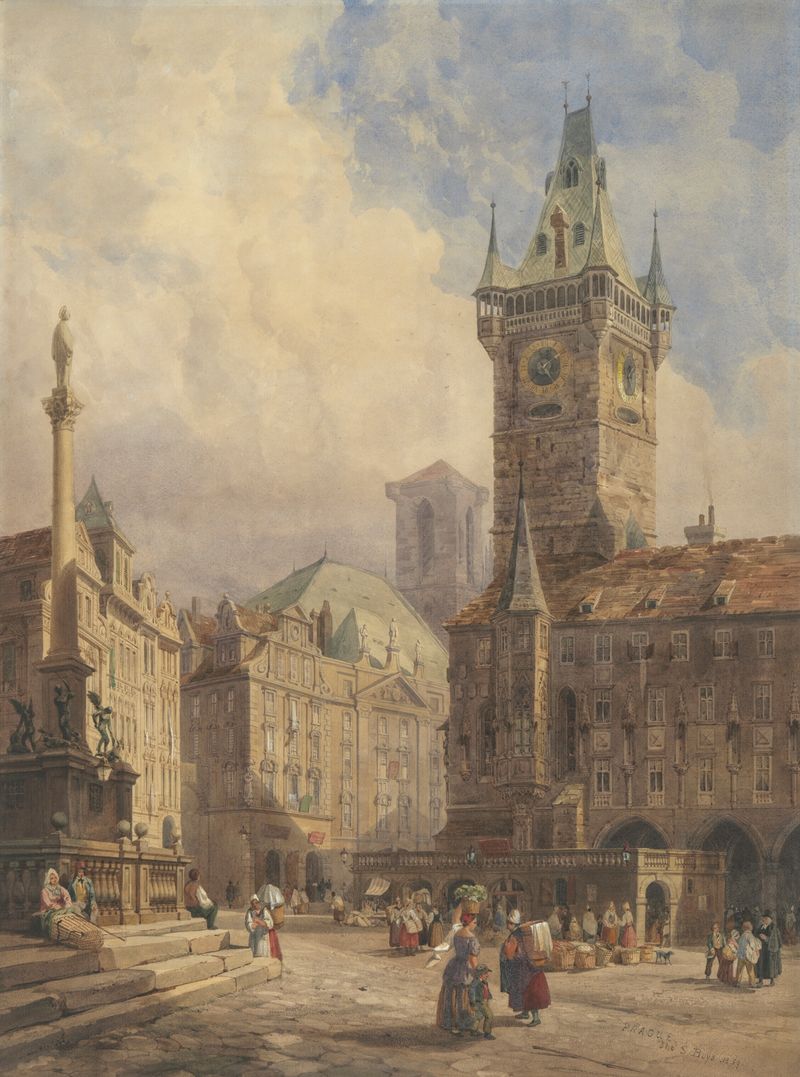
Rathaus from Old Town Square, Prague
Thomas Shotter Boys
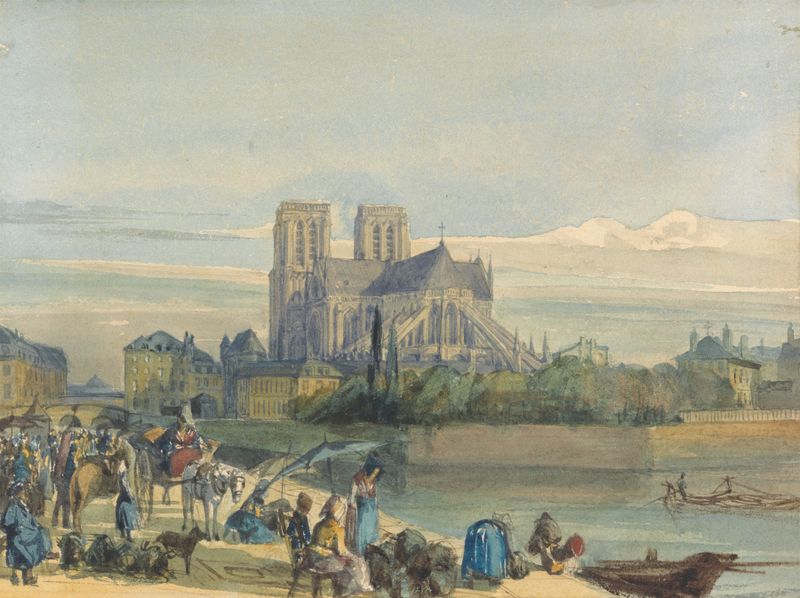
Notre Dame, Paris
Thomas Shotter Boys
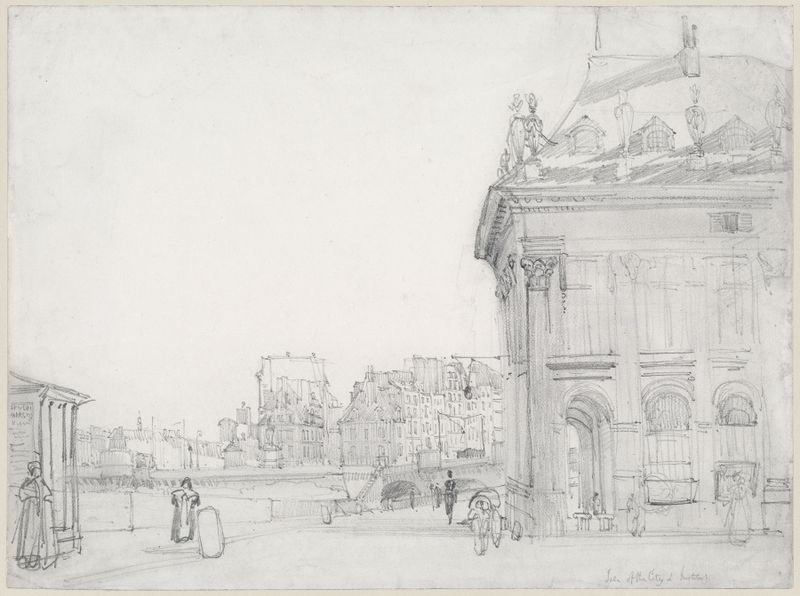
Ile de la Cité from the Institut, Paris
Thomas Shotter Boys
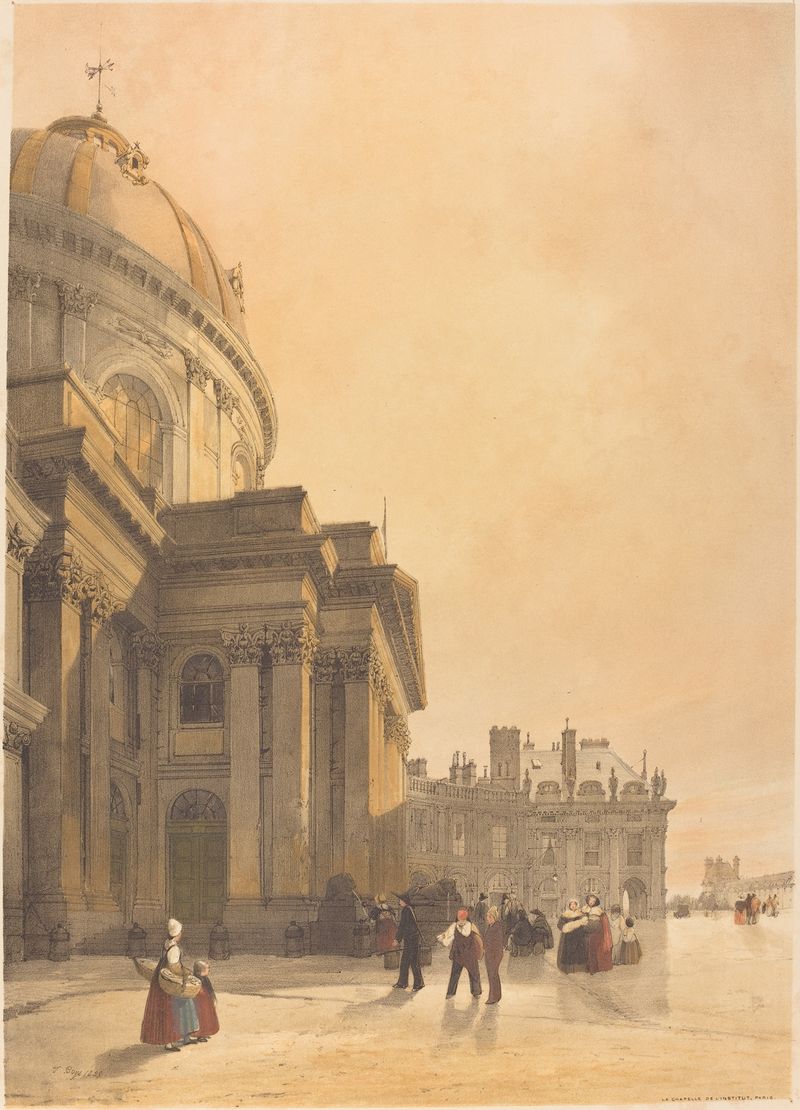
La Chapelle de l’Institut, Paris
Thomas Shotter Boys
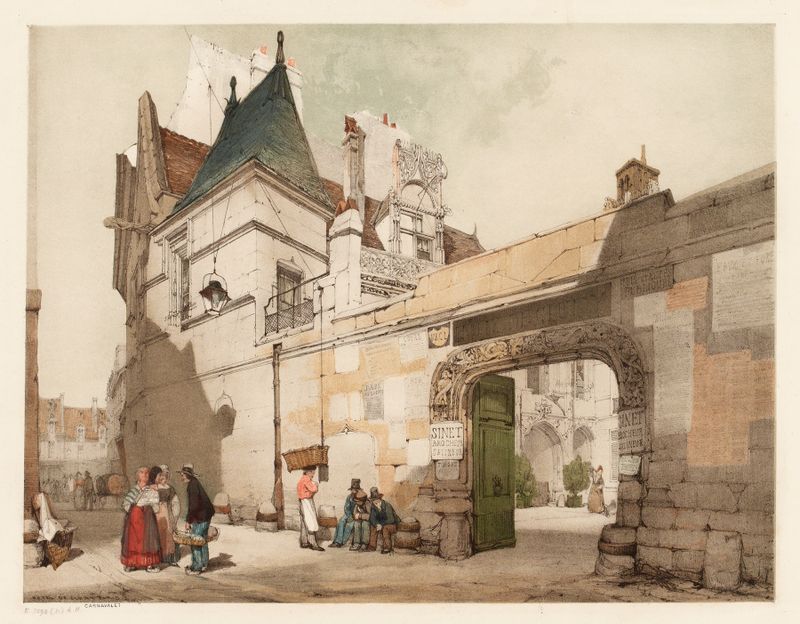
Hôtel de Cluny, Paris
Thomas Shotter Boys
More Architecture Art
Browse all →
The statue of Liberty
Frédéric Auguste Bartholdi

View of Houses in Delft, Known as ‘The Little Street’
Johannes Vermeer

View of Houses in Delft, Known as ‘The Little Street’
Johannes Vermeer

The Cathedral in Rouen. The portal, Grey Weather
Claude Monet

The yellow house
Vincent van Gogh

The Church in Auvers-sur-Oise, View from the Chevet
Vincent van Gogh