
The Old Footbridge — History & Facts
Did the painter know this moment would outlive them? In The Old Footbridge, a fleeting glimpse into an awakening world captures the quiet beauty of nature and memory, provoking a sense of enduring reverie. Look to the left at the gentle arch of the bridge, weathered yet resolute, stretching across the shimmering waters below. The delicate strokes of the artist's hand guide the viewer's gaze along the bridge's railing, where dappled sunlight filters through the leaves, casting playful shadows on the ground. Notice how the muted earth tones of the path contrast with the vibrant greens and blues, creating a harmonious balance that invites contemplation and nostalgia. Yet, beneath this serene surface lies a poignant tension.
The bridge, a symbol of connection, also evokes the fragility of time; its age suggests a history of footsteps long since passed. The tranquil water reflects both the sky and the bridge, intertwining past and present, while hints of soft brushwork convey the ephemeral nature of life, urging viewers to ponder what remains once the moment has faded. In 1915, Auguste Louis Lepère was engrossed in exploring the beauty of rural landscapes, working in France amid the turmoil of World War I. This period marked a turning point in his artistic journey, as he sought solace and inspiration in the simplicity of nature while the world around him unraveled.
The painting serves as a testament to his quest for tranquility, encapsulating a fleeting moment that resonates with the viewer long after the canvas has been viewed.
More Artworks by Auguste Louis Lepère
Browse all →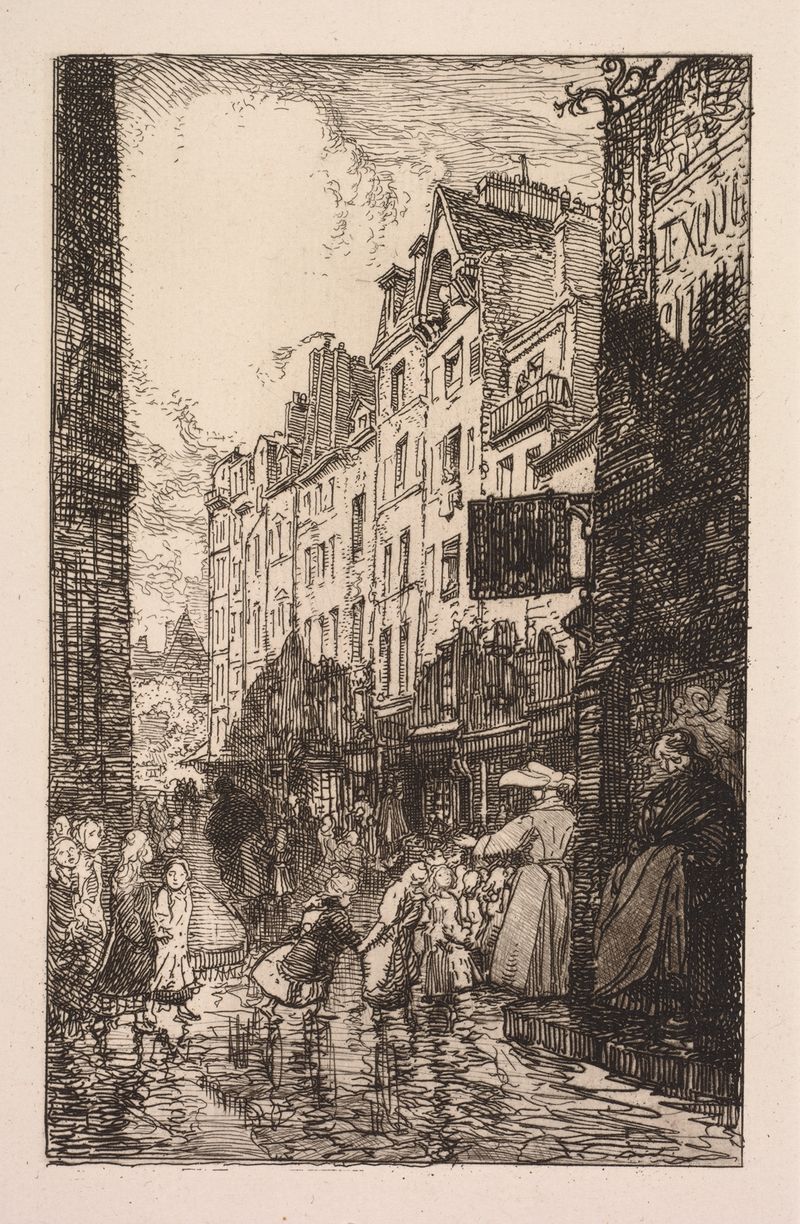
La Rue des Prêtres Saint-Séverin
Auguste Louis Lepère
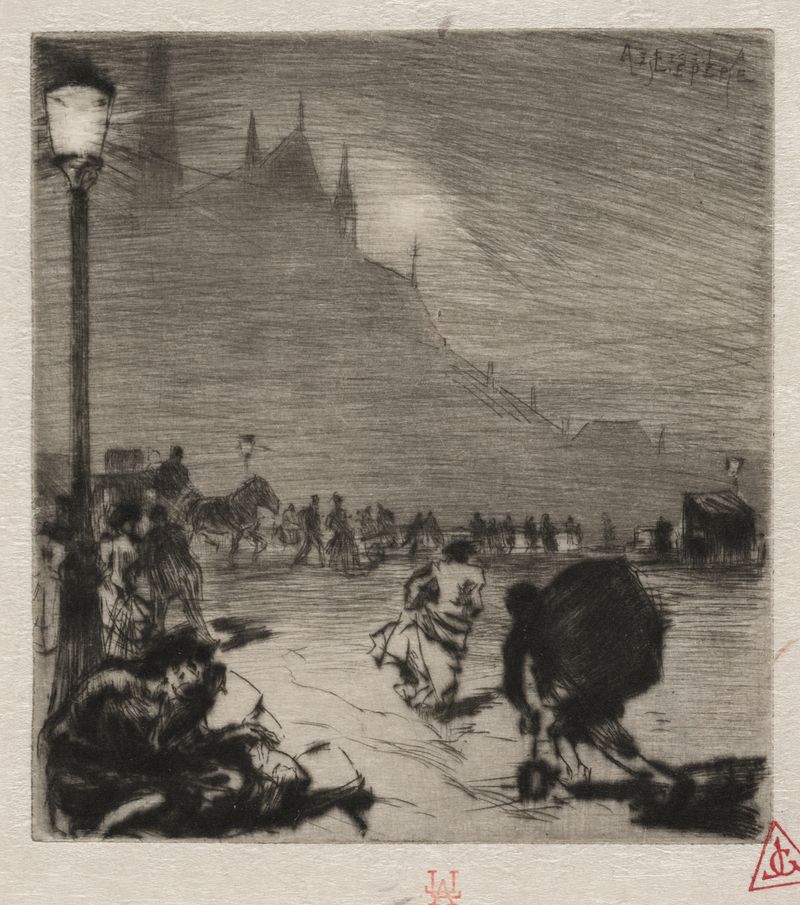
Au Coin du Pont-aux-Doubles
Auguste Louis Lepère
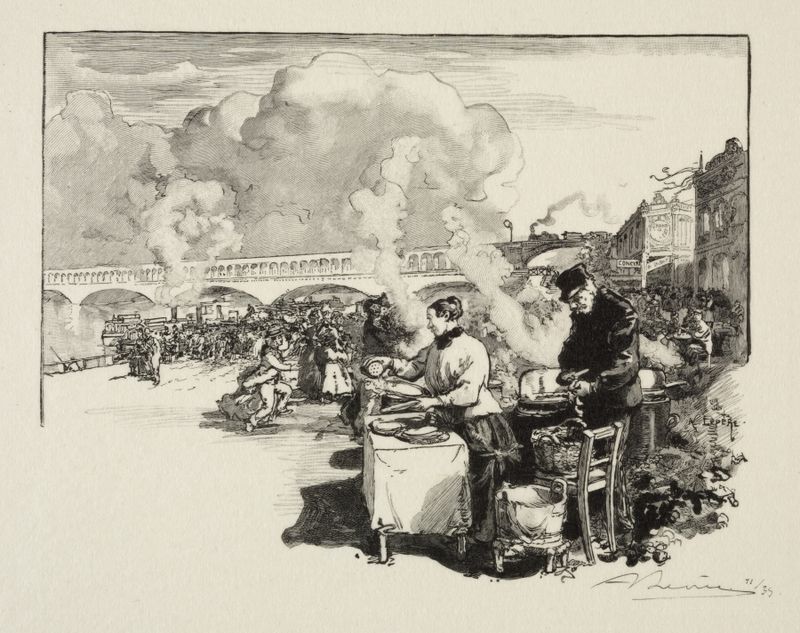
Debarcadère des bateaux-omnibus
Auguste Louis Lepère

La Seine, au quai de la Rapée
Auguste Louis Lepère
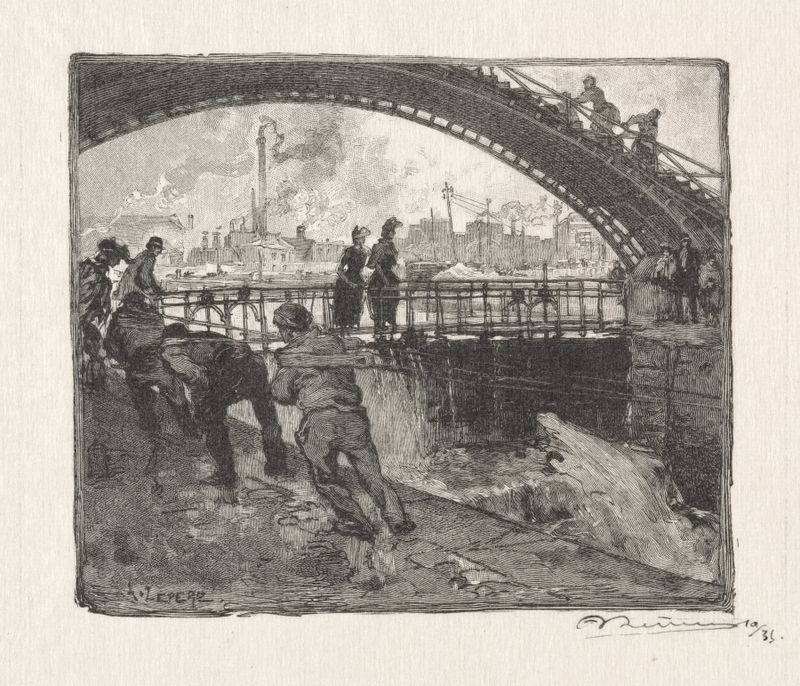
L’Ecluse du Canal St. Martin
Auguste Louis Lepère

Le Boulevard Montmartre, le Soir
Auguste Louis Lepère

Une Chasse au Mont Gérard
Auguste Louis Lepère
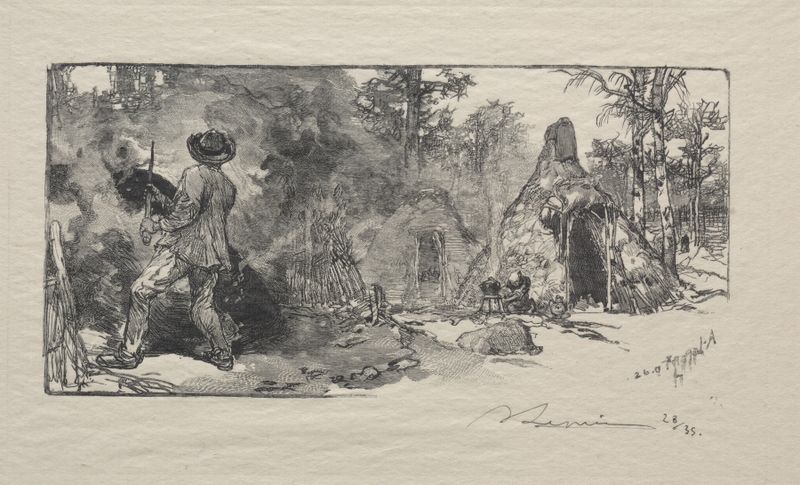
Les Charbonniere
Auguste Louis Lepère
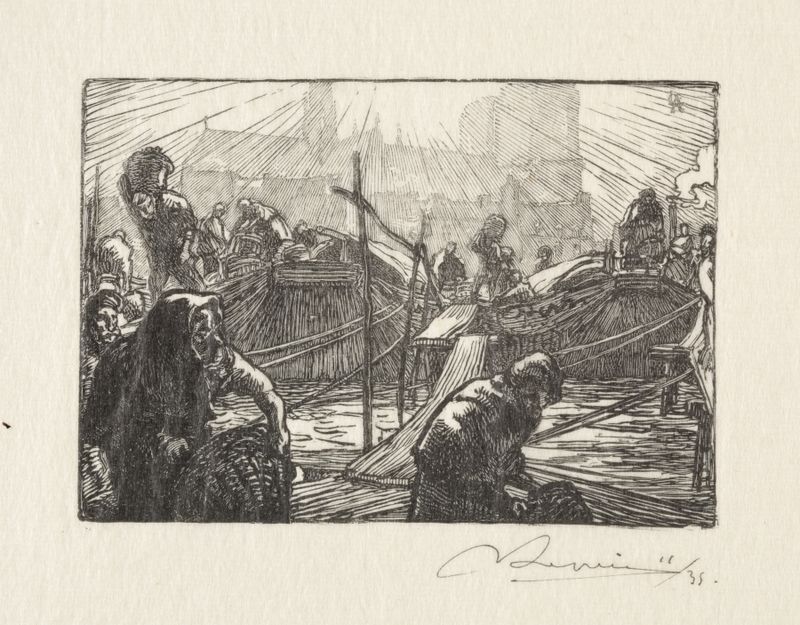
Notre Dame vue du Marché aux pommes
Auguste Louis Lepère

Le Palais des Arts Liberaux, Intèrieur
Auguste Louis Lepère





