
The Olive Grove — History & Facts
Beneath the vibrant hues of nature, a whisper of mortality lingers, urging us to confront the fleeting beauty of life. Look to the left at the interplay of rich greens and soft earth tones that define the olive grove. The brushstrokes dance with a sense of spontaneity, yet they meticulously capture the dappled sunlight filtering through the trees. Notice how the vibrant foliage contrasts against the tranquil shadows, lending a layered depth that invites the viewer into an intimate embrace with the landscape.
The use of light speaks volumes, illuminating the scene with a warmth that feels both inviting and ephemeral. Within the canvas lies an emotional tension between the liveliness of nature and the inevitability of decay. The olive trees, ancient and gnarled, serve as a poignant reminder of time's relentless passage; they stand resilient yet fragile, embodying life’s duality. Chase's choice of palette reflects this complexity—brilliant greens suggest vitality, while the deeper shadows hint at the mortality that underpins existence. In 1910, during a period of personal and artistic exploration, the artist found inspiration in the natural surroundings of his summer residence in Shinnecock Hills, New York.
This work emerged at a time when American Impressionism was flourishing, reflecting a shift towards more personal, introspective landscapes. As Chase navigated his own evolving identity as an artist, The Olive Grove encapsulated both the celebration of life and the contemplation of its transience.
More Artworks by William Merritt Chase
Browse all →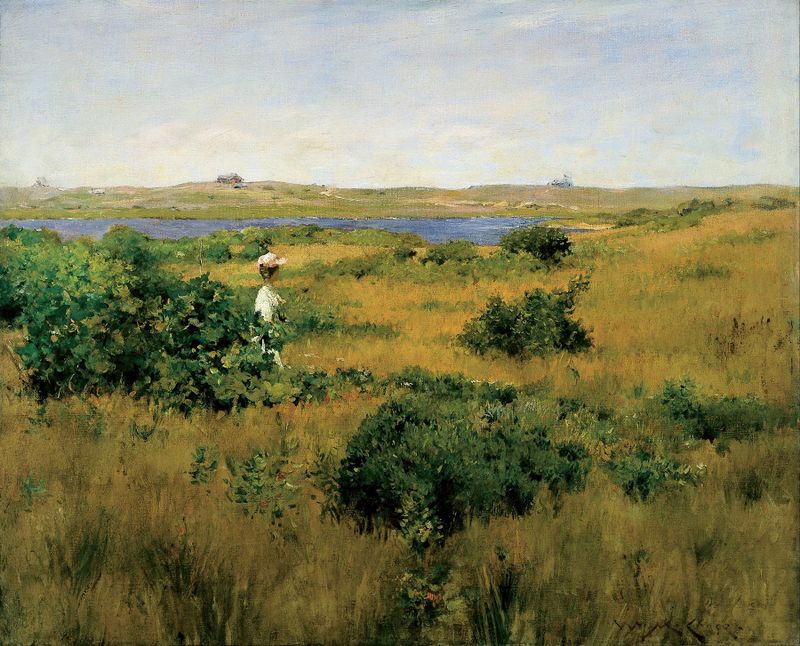
Summer at Shinnecock Hills
William Merritt Chase

A City Park
William Merritt Chase

Morning at Breakwater, Shinnecock
William Merritt Chase

Shinnecock Hills
William Merritt Chase

Terrace, Prospect Park
William Merritt Chase
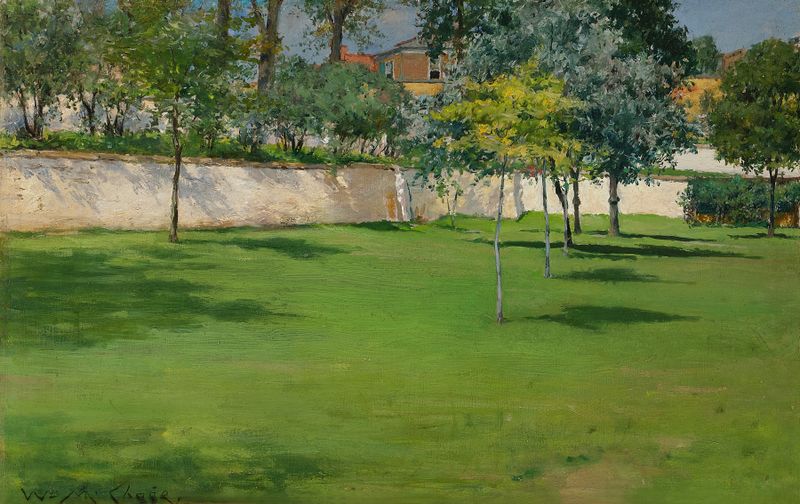
Summer-Time
William Merritt Chase
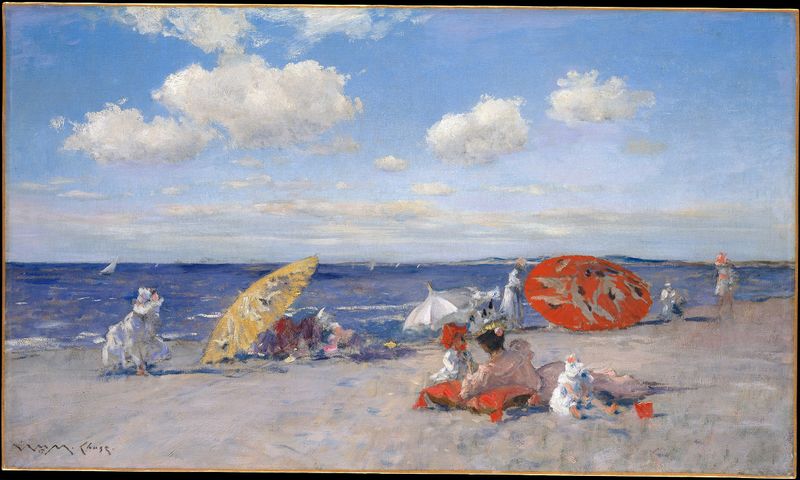
At the Seaside
William Merritt Chase

Idle Hours
William Merritt Chase
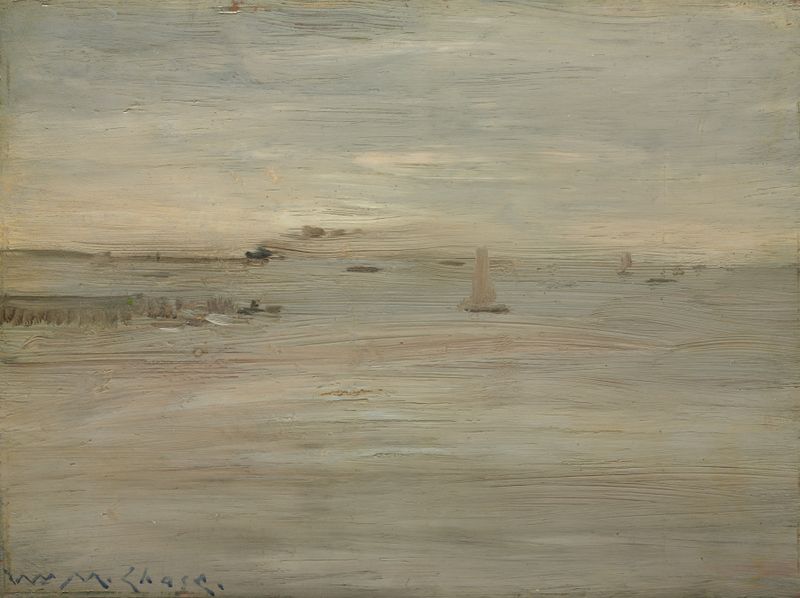
Marine
William Merritt Chase

Wheat Field
William Merritt Chase





